REVIEW · SURAT THANI PROVINCE
Khao Sok: Ethical Elephant Sanctuary Visit
Book on GetYourGuide →Operated by Bigcountry Andaman · Bookable on GetYourGuide
Elephants in the right hands are spellbinding. This Khao Sok visit mixes hands-on food prep with close, calm interaction, plus time learning elephant behavior and nutrition. You’ll even help create elephant food using orchard and banana inputs that support nearby community income.
What I especially like is how interactive it feels without turning the day into a circus. You’re taught what healthy elephant nutrition looks like, then you can relax in the shade while the elephants play, and learn what you’re seeing from your English guide.
One thing to plan for: the activity is listed as 2 hours, but some bookings run longer, so I’d leave extra time in your schedule.
In This Review
- Key takeaways before you go
- Why Khao Sok elephant time feels different than the usual pitch
- The 2-hour flow: orchard prep, shade watching, and gentle up-close moments
- 1) Start with orchard-and-banana food prep
- 2) Learn behavior while you watch elephants play
- 3) Feeding time: bananas and sugar cane
- 4) Scrub and scratch: the up-close contact part
- 5) Mud and water interactions (optional but common)
- What ethical care means here (and how to judge it fast)
- Price and value: is $41 a fair deal in Khao Sok?
- Getting there: where pickup works (and where it doesn’t)
- What to bring (and what to consider for water time)
- Who should book, and who should skip it
- Be a good visitor: small things that matter with big animals
- Should you book this ethical elephant sanctuary visit?
- FAQ
- How long is the Khao Sok ethical elephant sanctuary visit?
- What is the price per person?
- Is lunch included?
- Do I get round-trip transportation?
- Where is pickup available?
- What’s included in the elephant activities?
- Is the guide language English?
- What should I bring?
- Is the experience suitable for pregnant women?
- Is it suitable for people with mobility impairments?
Key takeaways before you go
- Orchard-and-community food prep: You start by sustainably cutting orchard/banana trees used for elephant nutrition.
- Feeding plus gentle interaction: You may feed bananas and sugar cane, and even help scrub itchy spots.
- Shade time watching real elephant behavior: Relax while you observe how they move, rest, and play.
- Up close without rushing: You get intimate contact, like scratching a back, when the elephant chooses it.
- Conservation education included: You’ll get context on sustainability and elephant welfare efforts.
- Transport from Khao Sok area: Round-trip pickup runs from the Khao Sok side (not Phuket hotel pickup).
Why Khao Sok elephant time feels different than the usual pitch
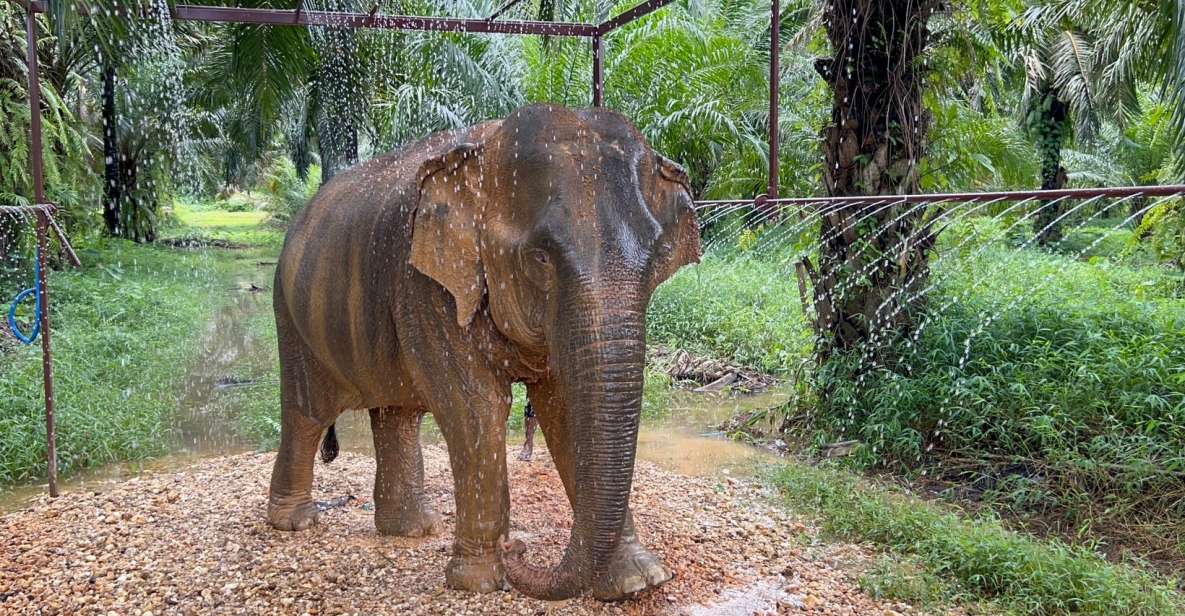
Khao Sok is famous for jungle views, but this elephant visit is about something more useful: learning how elephants eat, move, and cope in human-shaped environments. You don’t just stand there and take photos. You help make the food, you learn why it matters, and you spend real time watching behavior—not performing tricks.
I also like the practical “good visitor” vibe. The day centers on welfare, conservation, and sustainability, which changes how the interactions feel. When the focus is on care (not entertainment), you tend to notice how relaxed the elephants are.
You can also read our reviews of more tours and experiences in Surat Thani Province.


The 2-hour flow: orchard prep, shade watching, and gentle up-close moments
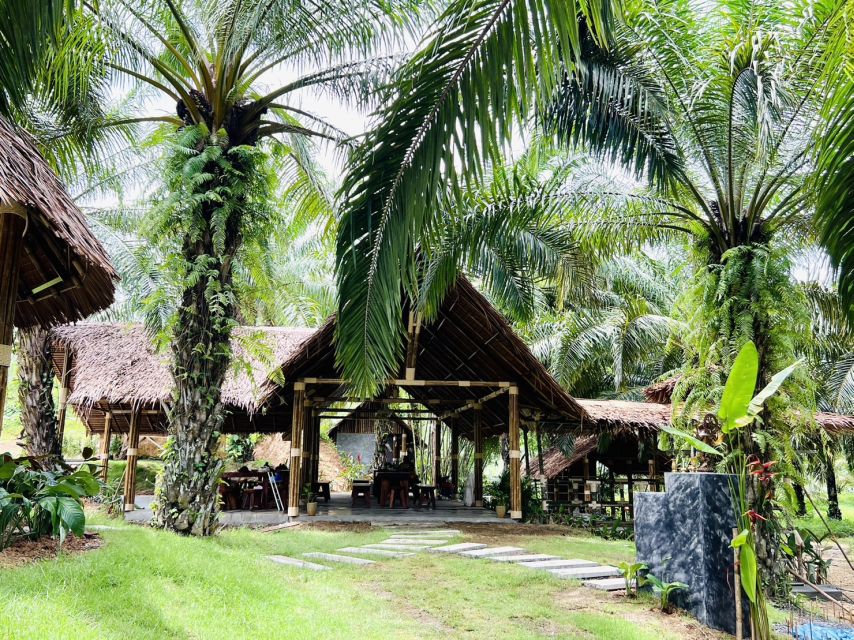
This experience runs about two hours on paper, and it’s built around a simple rhythm: make food, interact at elephant speed, then unwind while your guide explains what’s happening.
1) Start with orchard-and-banana food prep
You begin by preparing ingredients that come from the orchard or nearby community forest. The key detail here is that the produce and ingredients aren’t just pulled from nowhere—this is tied to local community income.
In practice, this means you get a more hands-on understanding of elephant nutrition. You’ll be involved in creating the food mix, and the guide explains what the elephants need and why. If you’re the type who likes knowing the whys (not just doing the thing), you’ll enjoy this first step.
2) Learn behavior while you watch elephants play
After the food prep, you shift into observation mode. You’ll watch the elephants playing while you relax in the shade. This is where the tour stops feeling rushed and starts feeling like a slow, educational hangout.
Your guide explains elephant behavior as you watch. That matters because elephants do a lot of “small stuff” that looks random if you don’t know what you’re seeing. With a guide to translate, you’re more likely to pick up on cues like comfort, relaxation, and how social behavior shows up in everyday movement.
3) Feeding time: bananas and sugar cane
You’ll have the chance to feed the elephants—especially items like bananas and sugar cane (the tour highlights these as part of the food experience). This is the point where the interaction becomes tangible and memorable.
I like feeding moments best when they’re paired with instruction. Here, you’re not left wondering how much is okay or what’s being offered for what reason. You get context, which keeps things respectful.





4) Scrub and scratch: the up-close contact part
One of the most talked-about moments in this experience is getting up close. You may scrub itchy spots the elephants can’t easily reach themselves with their bodies. You may also scratch their backs, depending on what the elephant allows at that time.
This is also where you should be ready to slow down. You’re working around a living animal’s comfort. When it’s done well, you can feel the elephant’s trust—especially because the day is guided by welfare rather than forcing contact.
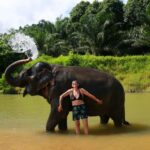
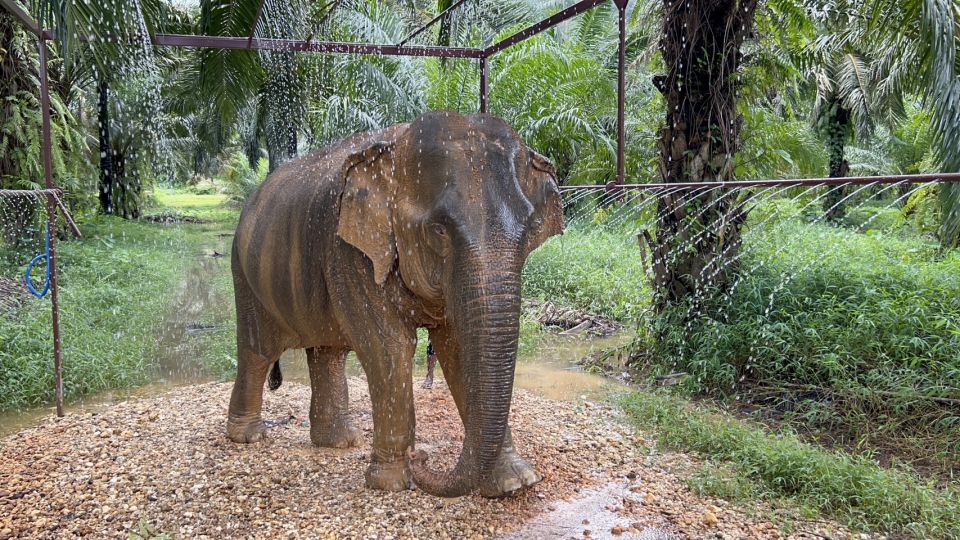
5) Mud and water interactions (optional but common)
Some bookings include additional water time like mud bathing and washing in a river. If you think you’ll want to get in or get soaked, bring the gear to make it easy—at minimum, a towel and something you’re comfortable wearing in water.
Even if water time isn’t your thing, the day still works because the core is education plus gentle interaction and shade watching.
What ethical care means here (and how to judge it fast)
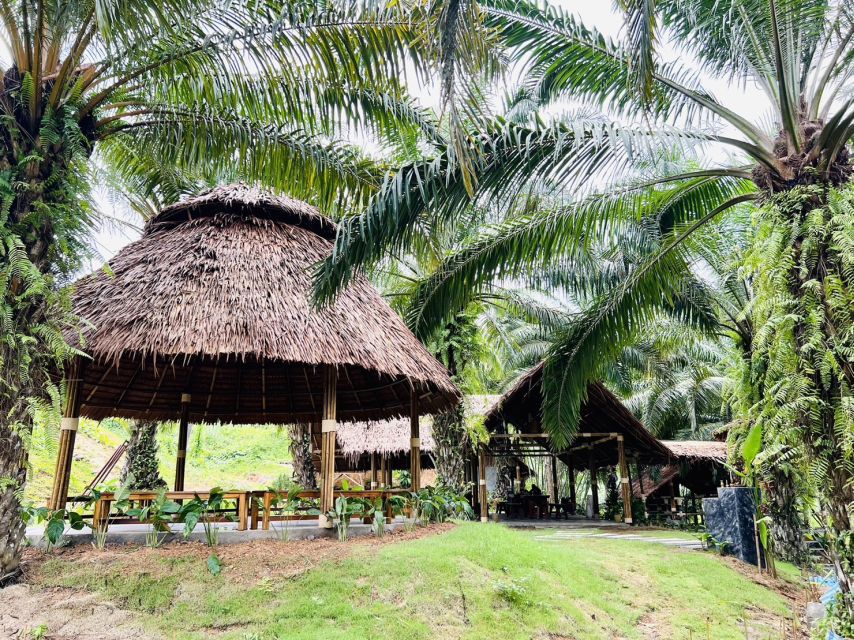
“Ethical” can be a marketing word. So I look for signals that the elephants are treated as the priority—and that the schedule isn’t built around forcing unnatural behavior.
This visit leans into several good signs:
- You interact on the elephant’s terms: You can move at their pace rather than rushing them through a checklist.
- Education is built into the day: Nutrition and behavior lessons are part of the experience, not an add-on.
- Conservation and sustainability are explicit: You get taught about conservation efforts and how the program supports sustainability goals.
Also, the focus on food from orchard and nearby community forest is a subtle but meaningful detail. It ties your visit to local livelihoods and encourages a model that benefits more than just the photo ops.
Price and value: is $41 a fair deal in Khao Sok?
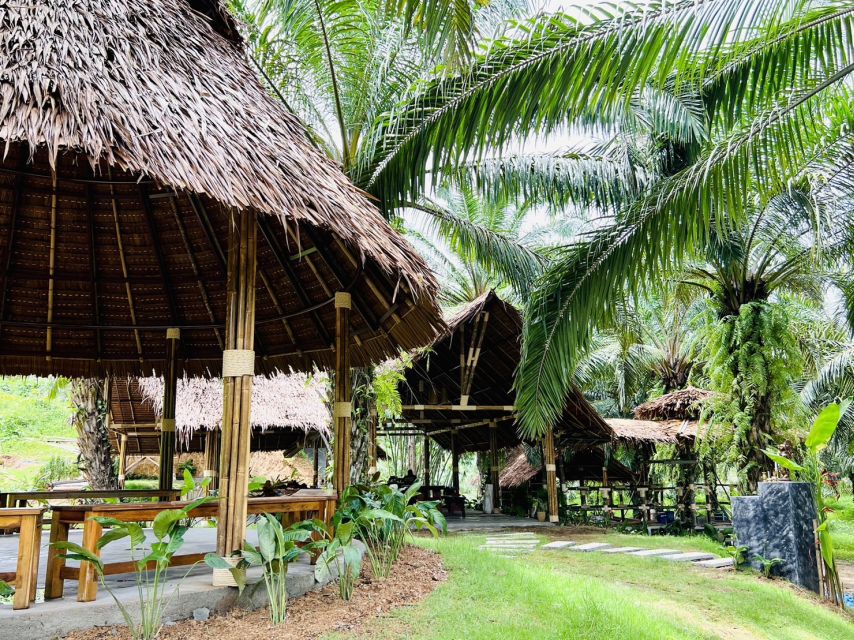
$41 per person sounds reasonable for a short, guided elephant experience—especially because the basics are covered. Round-trip transport is included, all elephant activities are included, and water is provided.
What’s not included is lunch. That’s the main “budget hole” you’ll need to fill yourself, depending on your timing.
Here’s how I’d think about the value:
- If you’d otherwise spend time and money getting to the sanctuary area, the included transportation helps.
- If the day includes multiple components (food prep, feeding, scrubbing, shade watching, and learning), it’s not just a single interaction.
- The length is fairly short, which can be a plus if you’re juggling Khao Sok hikes or park plans.
Just keep your expectations flexible on timing. The posted duration is 2 hours, but in real life you may end up spending more time on-site.
Getting there: where pickup works (and where it doesn’t)
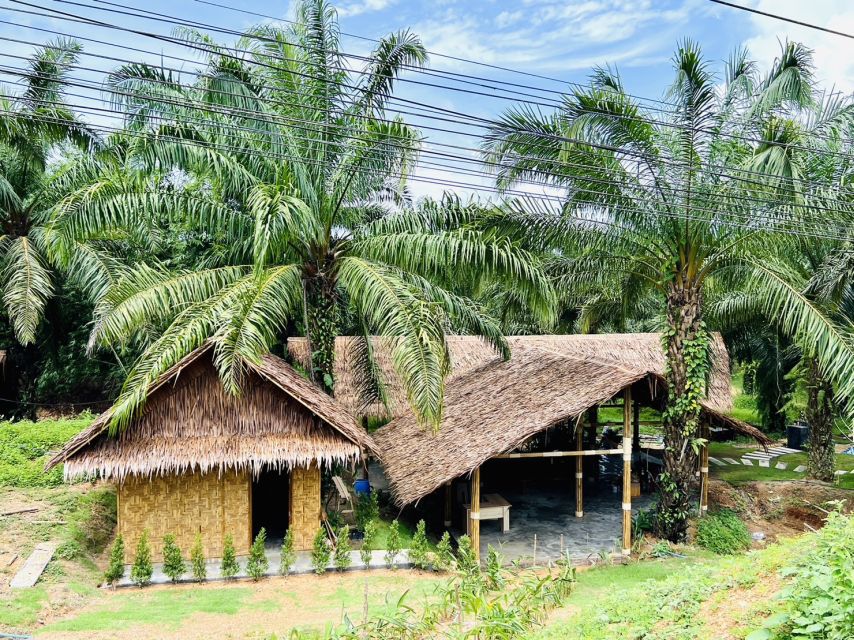
The big practical note: there’s no pickup at Phuket hotel. Pickup and drop-off happen in the Khao Sok area, about 1–2 km from the National Park Entrance.
The tour notes that you should check with the local supplier for exact pickup/drop-off details. I’d do that early, especially if you’re staying slightly outside the main Khao Sok areas or if you’re mixing this with other tours.
Round-trip transportation is included, so you won’t be stuck figuring out a return plan after elephant time.
What to bring (and what to consider for water time)
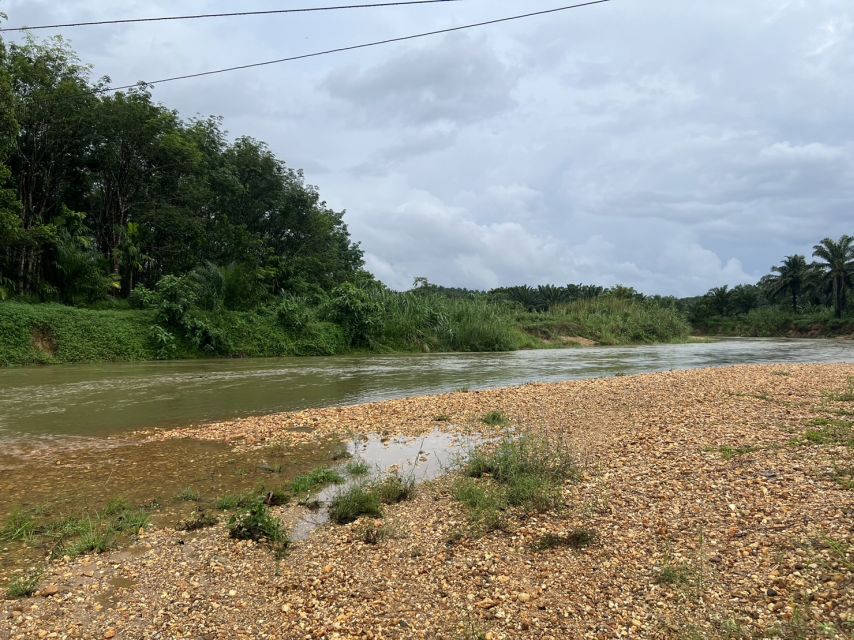
The essentials listed are straightforward:
- Sunglasses
- Sun hat
- Sunscreen
I’d add one practical thought based on what commonly happens during this style of visit: if there’s mud bathing or river washing, you’ll be happier with a towel and a swimsuit or quick-dry clothes. The tour includes water activities in many cases, but the exact “how wet” level can vary based on what the elephants do and what your day’s flow looks like.
Also, wear clothes that can handle sun and splashes. Khao Sok heat and humidity are not subtle.
Who should book, and who should skip it
This experience is not suitable for:
- Pregnant women
- People with mobility impairments
That’s not a minor footnote. If any mobility challenges exist (including getting on/off vehicles or moving on uneven ground), you’ll want to choose a different activity.
Who it fits well:
- Solo travelers who want a calm, guided day with English support
- Couples and small groups who like hands-on learning
- Anyone who wants an elephant experience focused on welfare, nutrition, and behavior
Be a good visitor: small things that matter with big animals
This is the kind of place where your choices affect comfort for the animals and flow for the day. Here are a few simple rules to keep it smooth:
- Follow your English guide’s instructions on how to prepare and offer food.
- Stay relaxed and don’t yank attention from the elephant when it moves away.
- If water or mud bathing happens, take cues from the elephant and the guide—don’t force extra contact.
The tour is designed around respect and welfare. If you match that energy, the experience feels better for everyone.
Should you book this ethical elephant sanctuary visit?
If your priority is close interaction with elephants that’s guided by welfare, and you want to learn about nutrition and behavior rather than just take photos, I think this is a strong choice. The $41 price feels fair when you factor in transport, water, and the fact that the day includes food prep plus multiple interaction moments.
I’d book it with two conditions:
- Plan extra time. Two hours on paper can stretch when the elephants are doing their thing.
- Confirm pickup details for the Khao Sok area so you’re not scrambling on travel day.
If that all works with your schedule and comfort level, this is the sort of elephant day that leaves you informed—not just thrilled.
FAQ
How long is the Khao Sok ethical elephant sanctuary visit?
The duration is listed as 2 hours. Starting times depend on availability.
What is the price per person?
The price is $41 per person.
Is lunch included?
No, lunch is not included.
Do I get round-trip transportation?
Yes. Round-trip transportation from the meeting point is included.
Where is pickup available?
Pickup and drop-off are in the Khao Sok area, about 1–2 km from the National Park Entrance. Pickup at a Phuket hotel is not available.
What’s included in the elephant activities?
All elephant activities are included, along with water.
Is the guide language English?
Yes. The host/greeter is listed as English.
What should I bring?
Bring sunglasses, a sun hat, and sunscreen.
Is the experience suitable for pregnant women?
No, it’s not suitable for pregnant women.
Is it suitable for people with mobility impairments?
No, it’s not suitable for people with mobility impairments.