REVIEW · KO KUT
Koh Kood or Koh Rang: Snorkeling trip with lunch & transfer
Book on GetYourGuide →Operated by Koh Kood Diver · Bookable on GetYourGuide
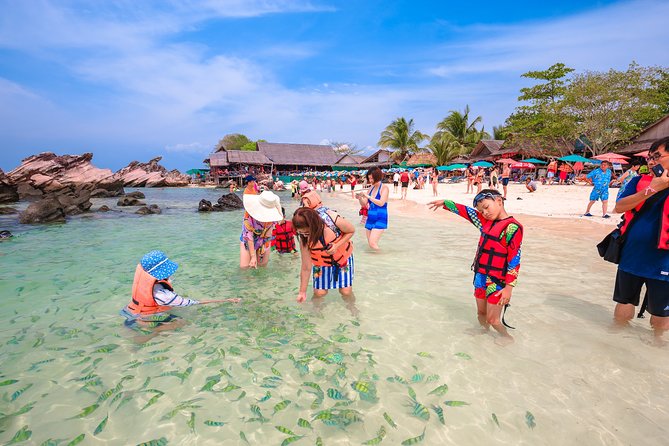
Reef time starts at 9 a.m. This Koh Kood or Koh Rang snorkeling day is built around shallow reef stops and a relaxed, guided boat schedule in Trat Province. I especially like how the plan gives you multiple chances in the water, not just one rushed swim, so the day feels generous even if the weather isn’t perfect.
If you’re curious about wildlife, this is the kind of trip that lets you actually see it. I also like the lunch-and-snorkel rhythm, with lunch at the second spot and time to keep swimming after you eat. One watch-out: it’s not a fit if you’re a non-swimmer or you’re prone to seasickness.
In This Review
- Key things I’d circle on your plan
- Koh Kood vs Koh Rang: your day depends on season and weekday
- Getting there: private transfer and a straightforward 9 a.m. start
- Stop 1: your first up-to-one-hour snorkel spot (stingrays and more)
- Lunch at the second spot: food, drinks, and another snorkeling moment
- Stop 3: your final up-to-one-hour snorkel (clownfish and nudibranchs)
- Wildlife you might actually spot (and how to enjoy it safely)
- Gear, boat setup, and what to pack so the day feels easy
- Price and value: what $31 includes, and what can cost extra
- Weather reality: rainy-season snorkeling can still be worthwhile
- Who should book this snorkeling trip?
- Should you book Koh Kood or Koh Rang with lunch and transfer?
- FAQ
- Do I snorkel in Koh Kood or Koh Rang?
- How long is the trip and when do we return?
- What is included in the price?
- Is the Koh Rang Marine Park entry fee included?
- Is snorkeling equipment provided?
- What should I bring?
- Is this trip suitable for non-swimmers?
- Is it suitable for wheelchair users?
- Can I reserve now and pay later, and what about cancellations?
Key things I’d circle on your plan
- Season-based island choice: Koh Kood (Western in Oct–Apr, Eastern in May–Sep) or Koh Rang Marine Park on set weekdays
- Multiple snorkeling windows: first spot up to one hour, third spot up to one hour, plus extra time at lunch stop
- Professional snorkeling guides: they keep the day smooth and focused on the water
- Lunch plus drinks and snacks included: you’re not left hungry between swims
- Environment-minded approach: strong attention to the day’s plastic waste from the team
- Koh Rang park fee only if needed: Koh Rang Marine Park entry is separate and not included
Koh Kood vs Koh Rang: your day depends on season and weekday
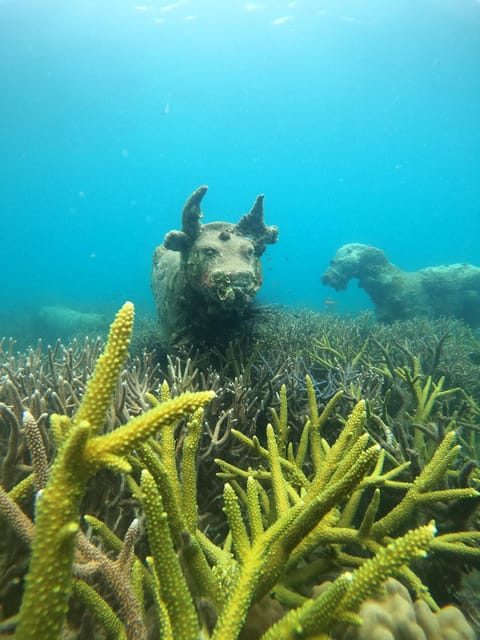
This trip can run two different routes, and the difference matters. In high season (October to April), the Western side of Koh Kood is the focus on Mondays, Wednesdays, Fridays, and Sundays. On Tuesdays, Thursdays, and Saturdays, you go to Koh Rang Marine Park instead.
In green season (May to September), things shift to the Eastern side of Koh Kood. The idea is practical: the east side is more sheltered from winds and waves, which usually means better comfort and often clearer viewing. It also keeps you closer to quieter beach areas near the shore because you don’t have the same road access.
So when you book, think less about which island sounds nicer and more about what you want from the weather and water. If you’re going during May–Sep, I’d expect the Eastern Koh Kood route to feel calmer. If you’re going Oct–Apr, pick based on whether your day lands on Koh Kood’s Western-side schedule or the Koh Rang Marine Park schedule.
A few more Ko Kut tours and experiences worth a look
Getting there: private transfer and a straightforward 9 a.m. start
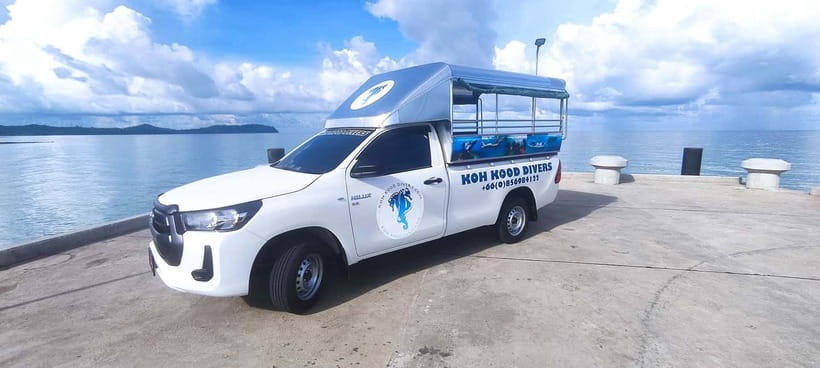
The trip keeps logistics simple. You leave at 9:00 a.m., and the schedule is designed around boat time and snorkeling time, not long transfers and waiting around. The experience includes private transportation, which is a big deal in this part of Thailand—moving as a group tends to be more comfortable than piecing together rides.
You’ll also want to plan around the return time. For Koh Kood, you’re back around 2:30 p.m. For Koh Rang, it’s later, around 4:30 p.m. That extra time makes sense because you’re doing a longer route and a marine park day.
One more comfort note: this isn’t positioned for people who need wheelchair access, and it’s also not suitable if you can’t swim. If you’re unsure about your comfort in the water, be honest with yourself. The whole experience depends on you getting into the snorkeling rhythm.
Stop 1: your first up-to-one-hour snorkel spot (stingrays and more)
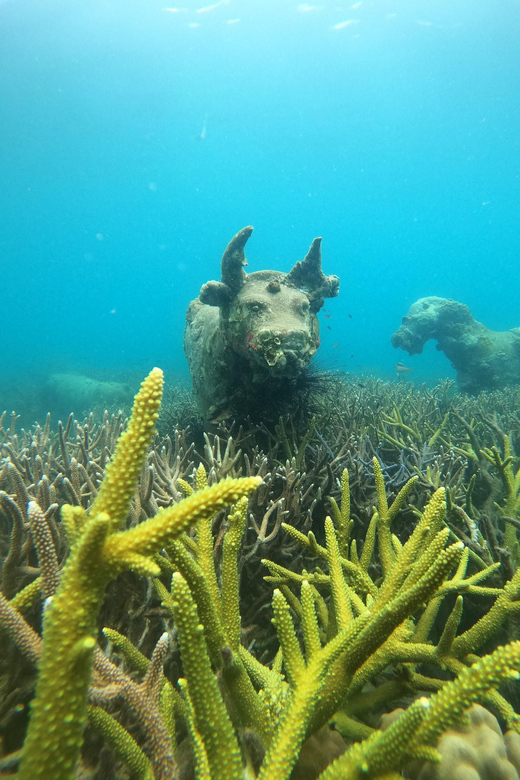
The day opens with your first water time. After departure, you reach the first snorkel spot, and you’re in the water for up to one hour.
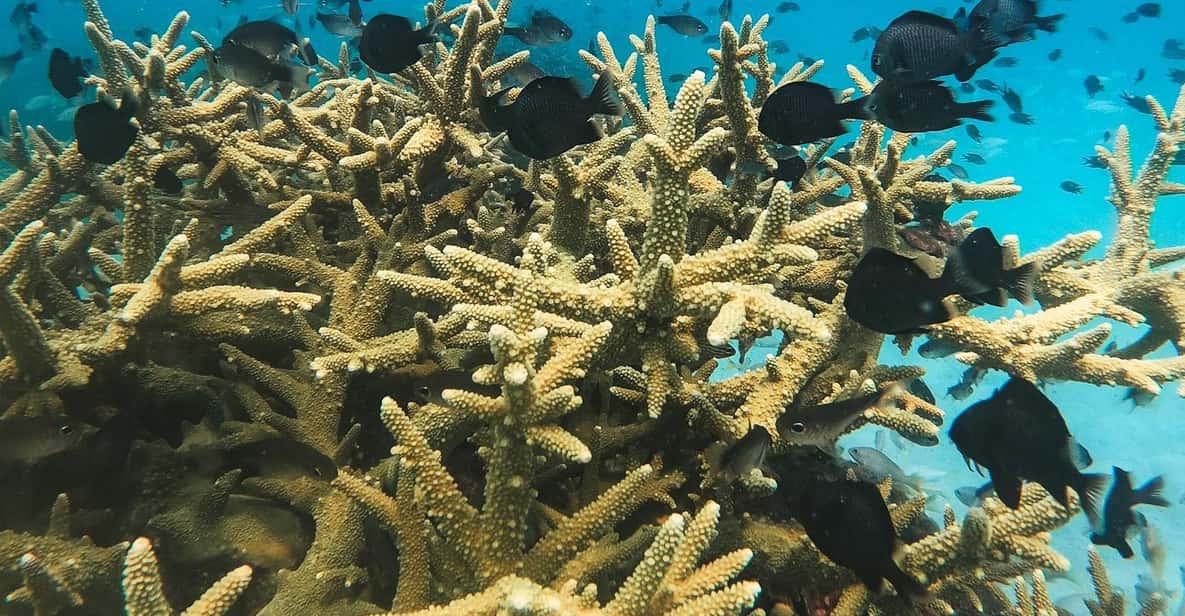
This is where shallow-water reef life shows up in the most approachable way. You might spot stingrays gliding over sandy seabeds, which is one of those sightings that feels calm and “wow” at the same time. You may also see a moray eel—the kind that looks like a reef shadow until it suddenly shifts and reveals its face.
Why I like this first stop: it gives you a chance to get comfortable right away. If conditions are a little choppy, you still get a meaningful window early in the day while you’re freshest. If you’re new to snorkeling, this structure also helps because you’re not waiting all morning for your first look at the reef.
Practical tip: wear your swimwear and keep your towel ready. You’ll want to dry off quickly between stops so you stay comfortable when the boat moves.
Lunch at the second spot: food, drinks, and another snorkeling moment
At the second spot, the pace turns more human. This is when you get your lunch, plus drinks (water, tea, coffee, cola) and snacks (cookies). The schedule also includes time for snorkeling after lunch, so you’re not locked into a long dry break.
This matters more than it sounds. When you’re snorkeling, your body warms quickly and you get hungry without noticing. Having lunch at the second stop keeps energy stable for the last swim, rather than forcing you to scramble for food later.
If you have dietary needs, the plan supports it. You can let the team know about allergies or a vegetarian request.
The “second stop” setup is also where the day’s vibe shows through. One theme in feedback is a relaxed and professional atmosphere—the guides keep you moving, but they don’t make you feel like you’re on a tight schedule. Even on days when weather isn’t ideal, that calm rhythm helps you still enjoy the water time you came for.
Stop 3: your final up-to-one-hour snorkel (clownfish and nudibranchs)
After lunch and a chance to reset, you head back into the water for the third snorkeling spot, again for up to one hour.
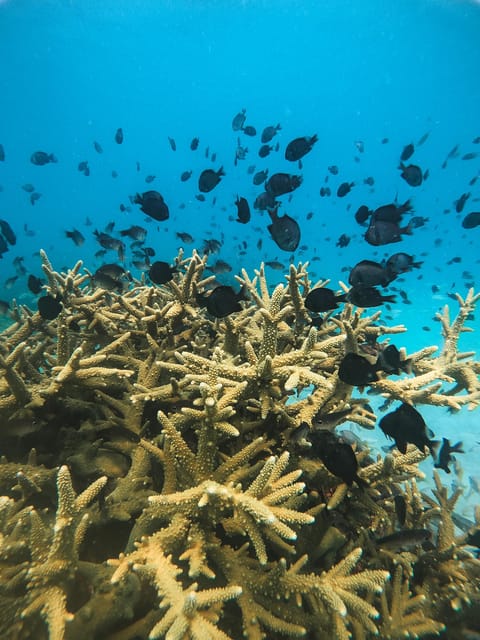
This is where reef details often show up most clearly—especially smaller life that you might miss in a quick look. You could see clownfish moving in and out of anemones, and you might spot nudibranchs, those tiny sea slugs with patterns that look like someone drew them by hand.
You may also encounter other characters from the reef scene, like groupers blending into coral shadows. If you’re patient, you can often spot the subtle behavior: fish that hover, dart, or pause as if they’re inspecting the reef.
Here’s the drawback to keep in mind: the third stop is where people often start feeling the day’s effort—sun, salt, and time on the boat add up. The best way to avoid that slump is simple: hydrate early and often (water and tea/coffee are included), and keep your sunscreen on before you go back in.
Wildlife you might actually spot (and how to enjoy it safely)
The best part of a good snorkeling day is when the reef isn’t just background—it becomes the show. This route is described around a mix of larger and smaller sightings you can realistically hunt for.
Common targets include:
- Coral gardens: colorful reef patches that act like underwater neighborhoods
- Turtles: ancient “gliders” you may spot in open water sections
- Barracudas: sleek, silver fish patrolling a few body lengths out from the reef
- Lionfish: striking and worth seeing, but those venomous spines mean you keep distance
- Pufferfish: cute until they puff up, so don’t treat them like a prop
- Nudibranchs: tiny sea slugs that reward slow watching
- Clownfish: the classic anemone residents
A quick etiquette rule I follow every time: don’t touch the animals or the coral. You’re there to observe. The guides will lead you, and you can stay focused on seeing behavior—how fish hover, feed, hide, and move between reef zones.
If you keep your eyes scanning rather than staring at one spot, you’ll likely get more value from all three snorkeling windows.
Gear, boat setup, and what to pack so the day feels easy
You’ll get snorkeling equipment included, plus the trip covers all fees and taxes (with the one exception noted for Koh Rang entry). That’s one less stress: no hunting for rentals at the last minute.
What you should bring is simple and practical:
- Swimwear
- Towel
- Sunscreen
I’d also advise you to pack light layers for the boat ride. The sun can feel strong even when the sky looks changeable, and you’ll be alternating between water time and time on the boat.
On comfort, pay attention to the suitability notes. This trip is not suitable for wheelchair users, not suitable for non-swimmers, and it’s not suitable for people prone to seasickness. If any of those apply to you, it’s better to look for a different day plan than to force it.
One other detail that stood out in feedback: the team pays attention to the environment, including keeping the day low-plastic. That’s a good sign you’re getting a more thoughtful operator, not just a quick money grab.
Price and value: what $31 includes, and what can cost extra
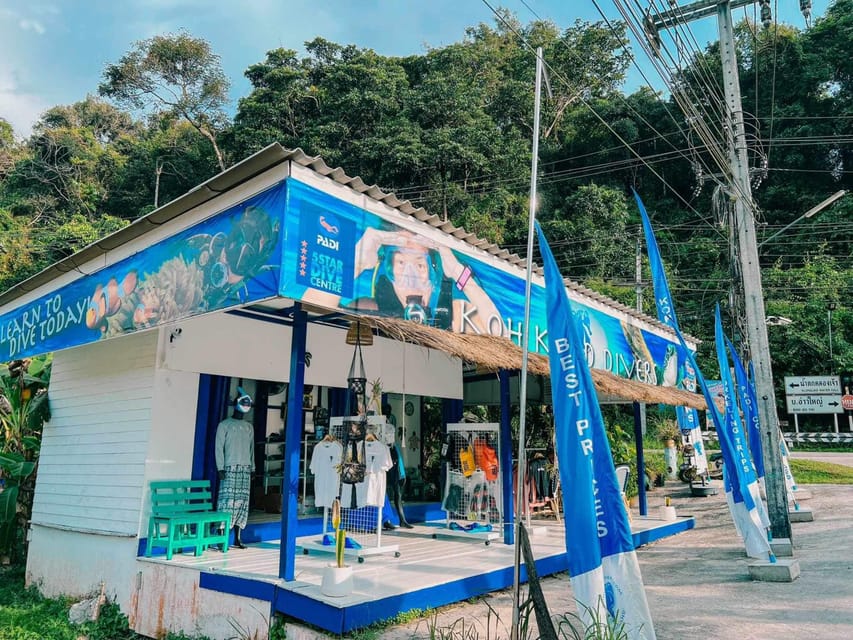
At $31 per person, this sounds like a budget-friendly day—but it’s the mix that makes it good value.
Included items cover the core day costs:
- Lunch
- Drinks (water, tea, coffee, cola)
- Snacks (cookies)
- Private transportation
- All fees and taxes
- Snorkeling equipment
The one extra cost you need to plan for is the Koh Rang Marine Park entry fee. It’s 200 THB for adults and 100 THB for kids under 8, if applicable. If your day is running on the Koh Kood route, you won’t have that specific fee.
So the value equation looks like this: you’re paying for transport, guide-led snorkeling time, and a full lunch/drinks/snack package. That’s usually where cheaper half-days start to fall apart—either they cut meals, skip equipment, or make you do extra legwork. Here, the included setup keeps you focused on the water.
Weather reality: rainy-season snorkeling can still be worthwhile
You don’t have to wait for perfect beach weather to get value from this trip. Even during rainy season, people reported seeing nice corals and fish and still enjoying a relaxed boat day.
Here’s how to think about it: weather affects comfort and visibility, but it doesn’t automatically erase reef life. Fish still swim, turtles still move, and coral still provides structure. What changes is how long you’ll want to stay in the sun and how fast you’ll get chilly on the boat.
That’s why I like the structure: three snorkeling windows with lunch in between helps you make the day work even if the sea conditions aren’t ideal.
If you’re going when skies are unpredictable, bring your sunscreen anyway, and consider how you’ll protect your skin during long boat stretches.
Who should book this snorkeling trip?
I think this is a strong pick for:
- People who want multiple snorkeling windows in one day
- Swimmers who want guidance and a relaxed, professional team
- Families or couples who value included lunch, drinks, and snacks
- Anyone who cares about a day out on the water that keeps waste minimal
I’d skip it if:
- You’re not a confident swimmer
- You get seasick easily
- You need wheelchair access
Also, if you’re planning around Koh Rang Marine Park days, you’ll want to remember the park entry fee is separate.
Should you book Koh Kood or Koh Rang with lunch and transfer?
If your goal is a well-paced reef day with food and gear handled, I’d book it. The itinerary gives you enough time in the water to matter—plus the lunch stop means you’re not burning through your energy on an empty stomach.
Before you commit, match the timing to your comfort level. If you’re sensitive to waves, stick with the seasons and routes that are more sheltered, like the Eastern side in May–Sep. If you’re going to Koh Rang, budget for the park entry fee so there are no surprises.
Overall, the strongest reasons to say yes are simple: professional guidance, a calm boat atmosphere, and a plan that treats snorkeling as more than a quick photo stop.
FAQ
Do I snorkel in Koh Kood or Koh Rang?
It depends on the day and season. Koh Kood runs on specific weekdays in high season, and the Eastern side of Koh Kood is used in green season. Koh Rang Marine Park is scheduled on specific weekdays in high season.
How long is the trip and when do we return?
Departure is at 9:00 a.m. Return is around 2:30 p.m. for the Koh Kood trip and around 4:30 p.m. for the Koh Rang trip.
What is included in the price?
Lunch, drinks (water, tea, coffee, cola), snacks (cookies), private transportation, all fees and taxes, and snorkeling equipment.
Is the Koh Rang Marine Park entry fee included?
No. The Koh Rang Marine Park entry fee is not included. Adults pay 200 THB and kids under 8 pay 100 THB if applicable.
Is snorkeling equipment provided?
Yes. Snorkeling equipment is included.
What should I bring?
Bring swimwear, a towel, and sunscreen.
Is this trip suitable for non-swimmers?
No. It is not suitable for non-swimmers.
Is it suitable for wheelchair users?
No. It is not suitable for wheelchair users.
Can I reserve now and pay later, and what about cancellations?
Yes, there is a reserve & pay later option where you pay nothing today. You can cancel up to 24 hours in advance for a full refund.