REVIEW · KO LANTA
Ko Lanta: Half Day Tour Mangrove Boat Trip With Lunch
Book on GetYourGuide →Operated by Diamond Cave Tour · Bookable on GetYourGuide
Mangroves can be quiet—until you notice what’s moving. This Ko Lanta half-day mangrove boat tour in Ban Thung Yee Peng is a hands-on way to see the small stuff up close—mudskippers, fiddler crabs, birds, and monkeys—plus fish cages you wouldn’t spot from shore. I like how it mixes wildlife watching with a clear, local guide explanation, and I also like that lunch and drinks are built in. The main drawback to plan around is that the lunch and overall comfort can be simple, and language quality can vary depending on the guide.
This is the kind of outing that works well when you want nature without a full day commitment. You get round-trip hotel transfer, a longtail boat ride with a life jacket, seasonal fruit, soft drinks, and lunch, all for $28 per person (with one small extra village fee). One consideration: if you’re sensitive to how animals are handled, ask what’s intended around monkeys before it happens—one guide named Ramadan reportedly asks passengers first rather than just coaxing them.
In This Review
- Key points before you go
- Ko Lanta’s mangroves: why this half-day format works
- Getting to the waterways: transfers and your longtail boat ride
- Mangrove wildlife watching: mudskippers, fiddler crabs, and birds
- Mudskippers and fiddler crabs
- Birds
- Monkeys
- The guide’s job: how explanations make the boat ride better
- Fish cages and the human side of mangroves
- Lunch at the mangrove seafood restaurant: what to expect and how to manage it
- Price and value: is $28 fair for what you get?
- Timing and group size: how the day usually feels
- Who should book this Ko Lanta mangrove boat trip
- Should you book the Ko Lanta mangrove half-day tour?
- FAQ
- How long is the Ko Lanta mangrove boat trip?
- What’s included in the tour price?
- Is lunch included?
- What animals can I expect to see?
- Is there an extra fee not included in the tour price?
- What language are the guides?
- Do I get hotel pickup and drop-off?
- Is a life jacket provided?
- Can I pay later or book without full payment today?
- When can I cancel for a full refund?
Key points before you go
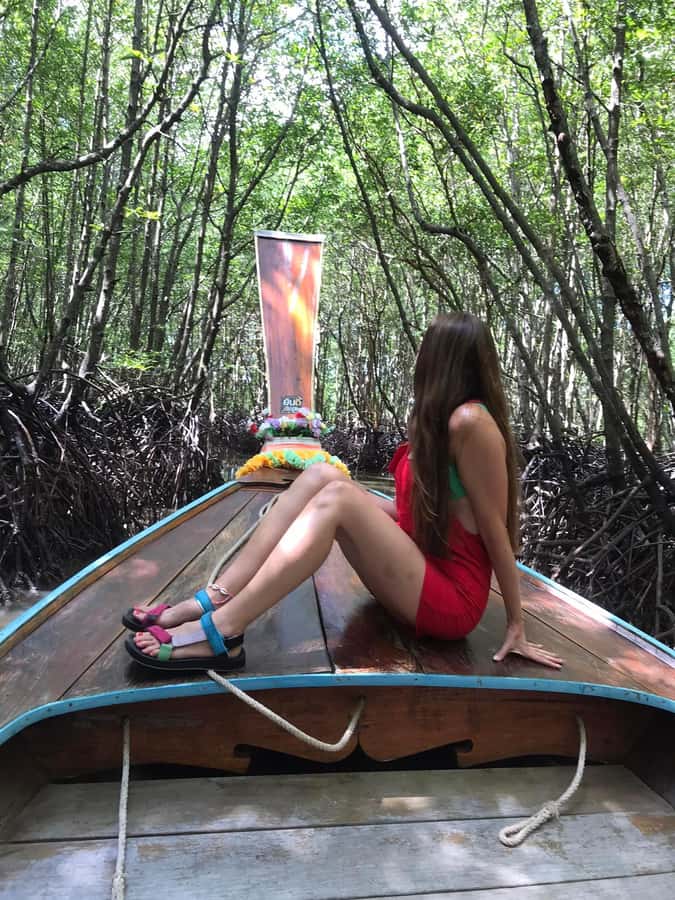
- Ban Thung Yee Peng mangroves: a mangrove forest area where wildlife activity is the whole show
- Longtail boat ride: a close-to-nature way to move through narrow waterways
- Wildlife you can actually spot: mudskippers, fiddler crabs, birds, monkeys, and fish cages
- Lunch included: typically a simple Thai meal (often a fried rice-style dish) plus fruit and soft drinks
- Guides matter: some explanations land clearly (Ramadan is specifically praised), while other English can be harder to follow
- Small extra cost: a 20 baht village fee isn’t included
Ko Lanta’s mangroves: why this half-day format works
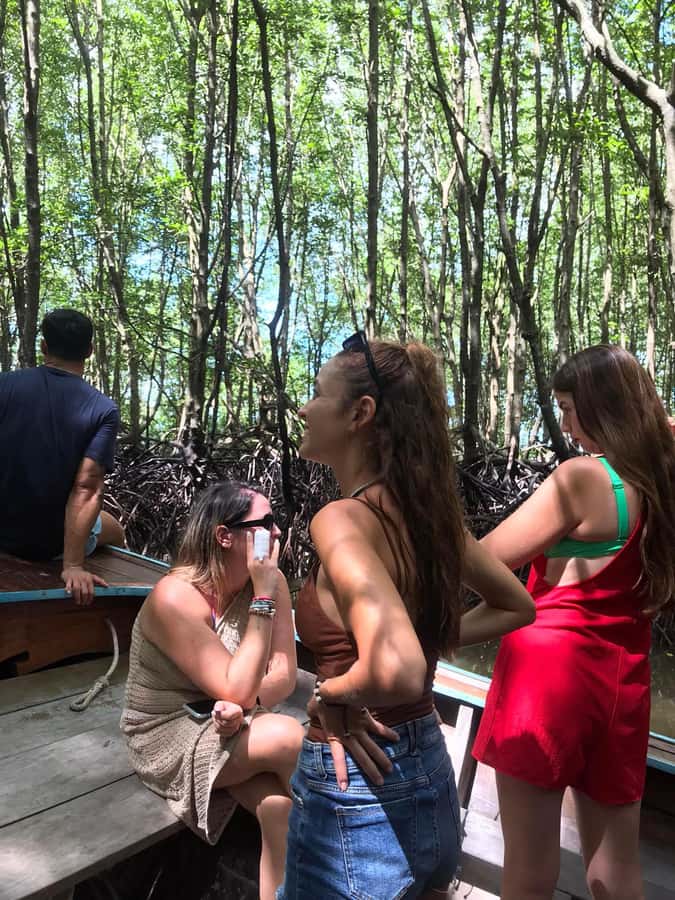
On Ko Lanta, it’s easy to over-plan your day. This tour is a smarter fit if you want a nature hit without burning daylight. You’re picked up from your hotel, transferred to the mangrove area, then taken out on a longtail boat through the Ban Thung Yee Peng ecosystem before returning for lunch and going back to your hotel.
What I like about the half-day approach is that it keeps your expectations in the right place. This isn’t a long, all-day expedition where you need patience for hours. The time is focused on sightseeing and spotting animals, with enough room for a proper meal afterward.
Also, the inclusion list is the reason this tour can feel good value. At $28 per person, you’re not just paying for the boat. You’re paying for the whole package: round-trip transport, boat, life jacket, local guide, insurance, plus fruit, soft drinks, and lunch.
You can also read our reviews of more boat tours in Ko Lanta
Getting to the waterways: transfers and your longtail boat ride
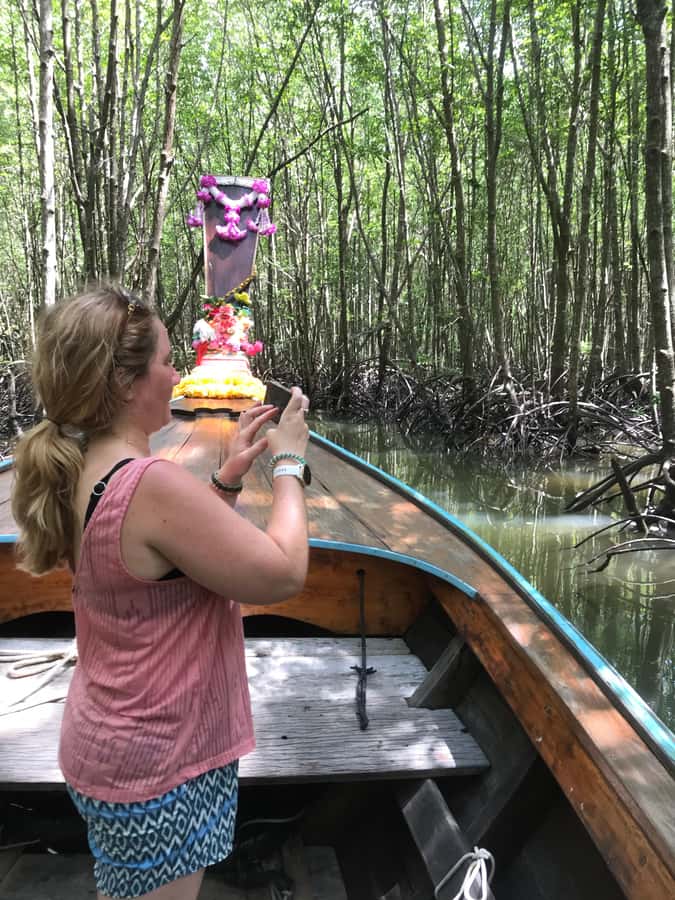
The day starts with round-trip hotel transfer included. That sounds basic, but it matters on Ko Lanta. You don’t have to figure out where to go, how to get there, or how to coordinate timing on your own.
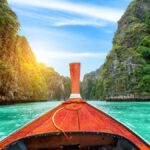
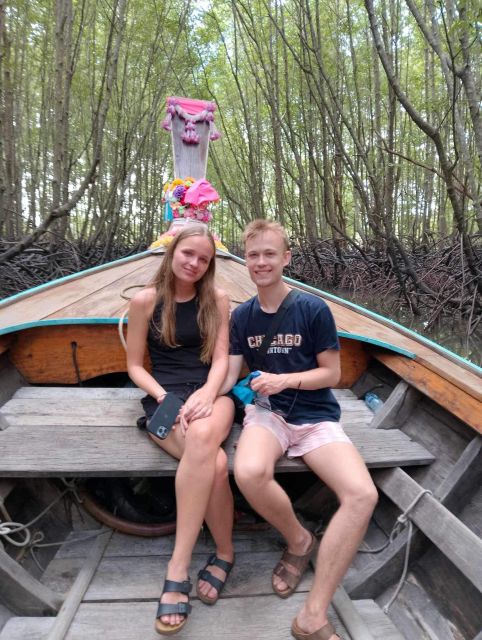
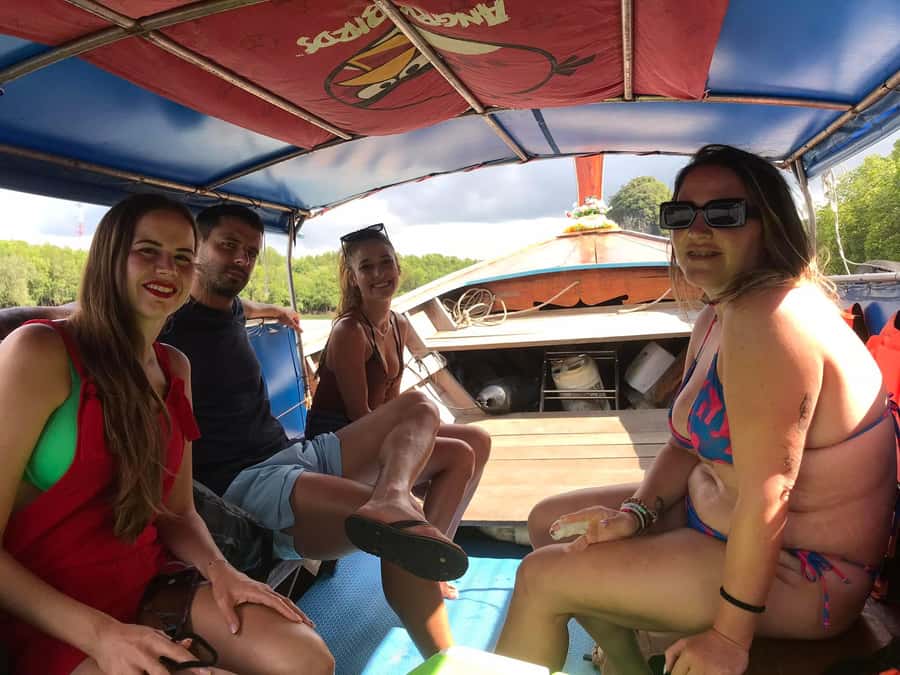
Once you reach the mangrove area, you’ll board a longtail boat. Longtail boats move differently than bigger tourist boats. They’re slower where they need to be and able to reach the kind of waterways where mangroves actually feel close. You’re also provided with a life jacket, and the smaller “boat feel” makes it easier to pay attention to what the guide points out.
One small detail that comes up in feedback: signs on the boat can help you orient yourself. It’s not a big deal, but when you’re dealing with wind, sun, and quick wildlife sightings, anything that reduces confusion helps.
One practical tip: bring sunglasses and water-resistant sunscreen. Mangroves don’t mean shade 100% of the time, and a longtail boat ride can put you in the sun for stretches.
Mangrove wildlife watching: mudskippers, fiddler crabs, and birds
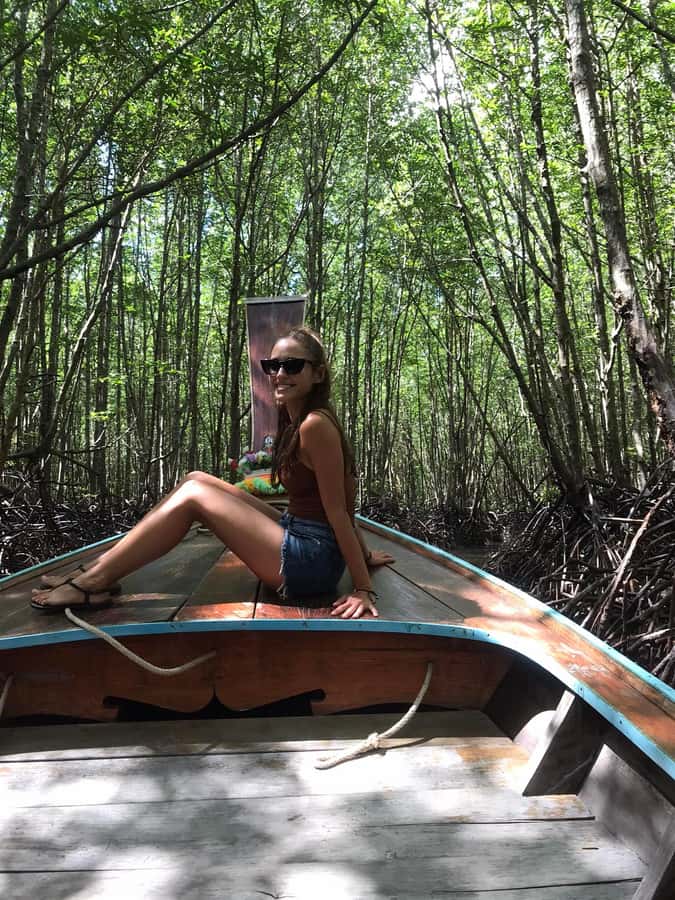
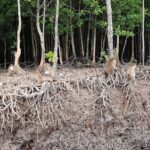
The mangrove ecosystem is all about survival tactics—roots that handle tides, mud that supports life, and animals adapted to changing water levels. That’s why this tour feels more “alive” than a typical scenic boat ride.
Mudskippers and fiddler crabs
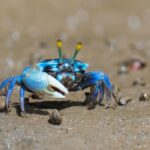
Mudskippers are the kind of creature you don’t forget once you see them. They’re active in the mud and often visible when the tide exposes the right areas. Fiddler crabs add another layer: those big claw moves are easy to spot once you know what to look for, and the guide’s explanations can help you understand why they’re where they are.
What I’d tell you to do: don’t rush past the small areas of movement. The most interesting spotting tends to be at the edge—near where the mud meets the mangrove roots.
Birds
Bird sightings are part of the standard highlights. Mangroves can be busy, but you’ll usually see birds in short bursts—one flies overhead, then another lands or calls from the trees. Bring your attention down to the branches and water edges, not just the open sky.
A few more Ko Lanta tours and experiences worth a look


Monkeys
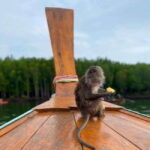
Monkeys are another highlight. In one very positive experience, a guide named Ramadan reportedly asked passengers beforehand whether they wanted a monkey to come onto the boat. That’s an important nuance. You’re not just waiting for wildlife—there’s a human element in how encounters are managed.
If you’d rather avoid anything that feels too staged, it’s smart to say so at the start. If you’re okay with a monkey encounter, you still want it handled calmly.
The guide’s job: how explanations make the boat ride better
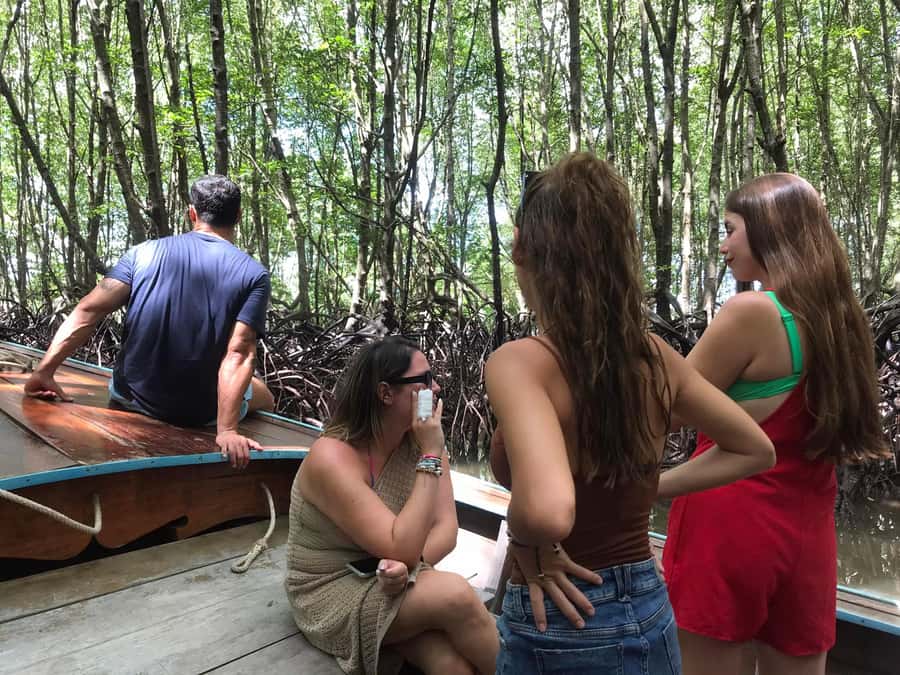
A good guide doesn’t just point. They connect the sights to the ecosystem and teach you how to see more quickly.
In the feedback, Ramadan is singled out as a guide who explained the mangroves’ unique features well and used clear English. There’s also praise for a guide who worked hard to explain even when English wasn’t perfect.
Here’s the practical takeaway for you: don’t assume the tour will be equally smooth in every language situation. If you want the most out of the trip, consider:
- Ask a question when you notice an animal. Even one good answer can level up your understanding.
- Point with your eyes before you talk. If you can show what you’re seeing, it’s easier for the guide to match your attention to their explanation.
One caution: a different negative account described an extremely unsafe and inappropriate situation involving a guide named Muhammed during a related excursion context, including inappropriate touching and a crew that did not intervene. That report is serious enough that I’d recommend you confirm your guide ahead of time and trust your gut if something feels off. If the operator can’t clearly address safety concerns, move on.
Fish cages and the human side of mangroves
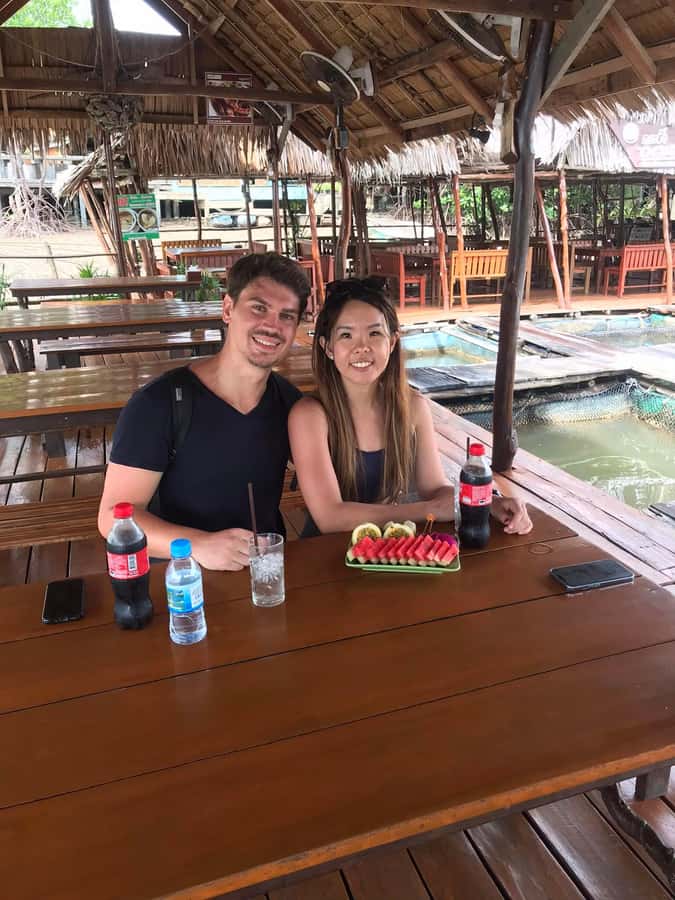
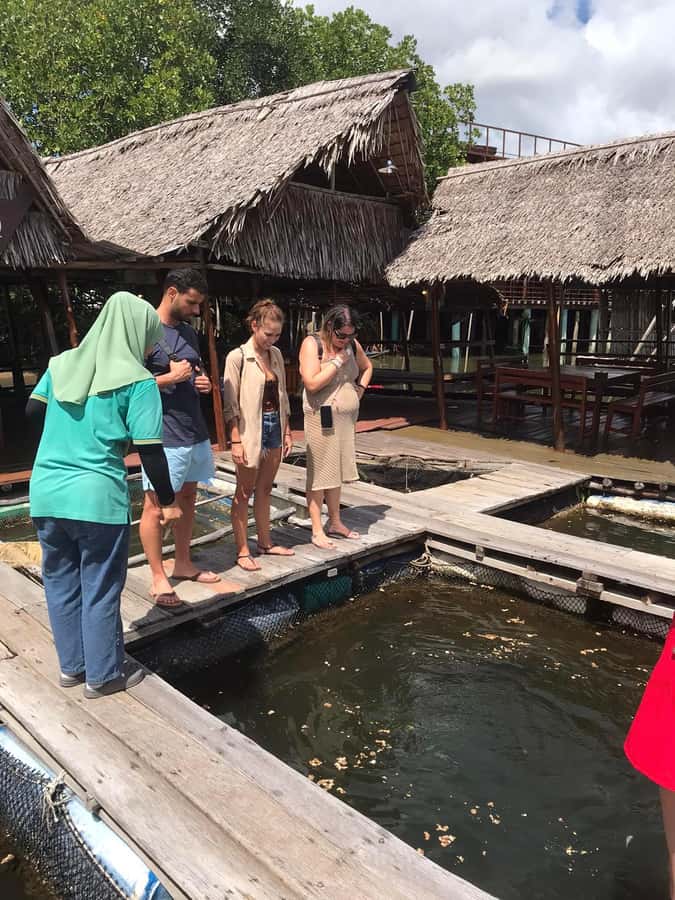
Mangroves aren’t only nature. They’re also a working space where people farm and manage fish. That’s where fish cages come in.
Seeing fish cages from the boat adds a real-world layer to what you’re learning. You start to connect the mangroves’ sheltering roots and water flow to how aquaculture can operate in the same space. You get a more complete picture: this ecosystem supports wildlife and also supports livelihoods.
If you like travel that makes you think, this is one of the best parts of the tour. A lot of nature sightseeing stays on the “pretty view” level. Fish cages push you to ask: how do humans use an ecosystem without destroying it? Even if you don’t get a full lecture, you leave with a question you’ll remember later.
Lunch at the mangrove seafood restaurant: what to expect and how to manage it
Lunch is included, and it’s served at a mangrove seafood restaurant. In one detailed account, lunch was a mini fried rice-style dish. It was described as tasty, but the same comment warned not to expect high standards of hygiene.
So how should you plan your expectations?
- Treat lunch as part of the experience, not a gourmet meal.
- If you’re picky about food handling, you might want to adjust your approach—stick to what looks freshly prepared and avoid anything that seems questionable.
- If you’re coming hungry after morning transfer time, you’ll likely appreciate having something filling included.
The tour also includes seasonal fruits and cool soft drinks. That combination works well in Thailand heat. It’s a practical reset after time on the boat, and it adds a local touch that’s more enjoyable than just receiving a generic snack.
Price and value: is $28 fair for what you get?
Let’s do the math in plain terms. You’re paying $28 per person for:
- Round-trip hotel transfer
- Longtail boat
- Life jacket
- Local guide
- Insurance
- Seasonal fruits and soft drinks
- Lunch
The only extra mentioned is a village fee of 20 baht.
From a value standpoint, the “included” list is where this tour wins. Many half-day activities charge boat or transport separately, and then add food on top. Here, lunch and drinks are already in.
Is it “cheap”? It’s not ultra-budget, but for Ko Lanta, it’s a reasonable price considering that hotel pickup, boat time, and guide service are bundled.
The main value question for you is not cost—it’s fit. If you want wildlife spotting plus an easy schedule, this price makes sense. If you’re only looking for scenic views, you might feel like the lunch-and-wildlife focus is too animal-forward.
Timing and group size: how the day usually feels
The time on the water appears to be about two hours in at least one account, with the overall excursion described as around three hours including transportation. So think “half-day” in the real-world sense: not a quick skim, but also not a full morning or full afternoon.
Group size can vary. One experience described a boat to themselves, which gave it a private tour feel. Other departures could be more typical shared-group style—your best move is to keep expectations flexible. If you strongly prefer a small group, ask when booking whether the boat is shared and how many people are typical.
Who should book this Ko Lanta mangrove boat trip
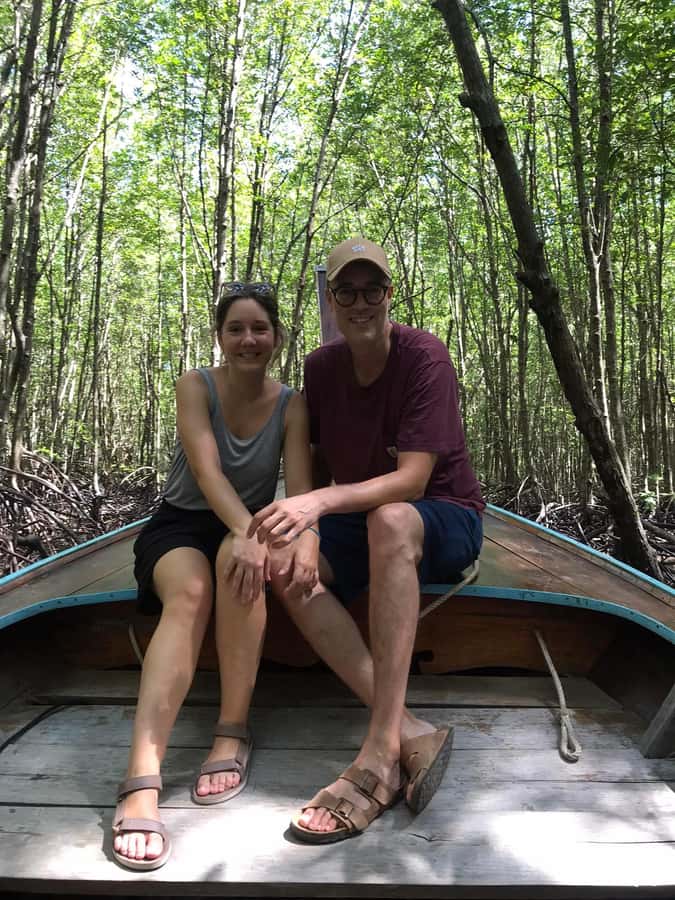
This tour fits best if you:
- Love nature that’s practical and observable, not just “pretty scenery”
- Want a short adventure with built-in meals
- Enjoy wildlife watching where the guide helps you notice more
- Like learning how ecosystems work, especially when there’s a human element like fish cages
It’s also a good fit for families. The feedback includes a case where a daughter was able to feed a monkey. If that’s your goal, be aware that handling and animal management can vary, and it’s worth asking how monkeys are managed so you feel comfortable.
If you’re traveling as a solo adult looking for easy structure, the round-trip transfer and local guide make it low-effort. If you’re a group that values calm, controlled wildlife interactions, ask questions up front about how monkeys are handled.
Should you book the Ko Lanta mangrove half-day tour?
I’d book this tour if you want a focused mangrove experience with a longtail boat, clear wildlife targets, and lunch handled for you. The best part is how concrete the sightseeing is: mudskippers, fiddler crabs, birds, monkeys, and fish cages. The guide can make it much better, especially if you get someone like Ramadan, who’s praised for clear explanations.
I wouldn’t book if you’re expecting a fancy lunch or strict luxury comfort. Also, because there is one extremely troubling account involving a guide named Muhammed in a related excursion context, I’d treat safety and guide professionalism as non-negotiable. If the operator can’t give you confidence about guide behavior and standards, choose a different departure.
If you do book, go in with the right mindset: this is about noticing small wildlife moments and letting the mangroves do the talking.
FAQ
How long is the Ko Lanta mangrove boat trip?
The time on the water is described as about two hours in at least one account, while the full excursion is described as around three hours including round-trip transportation.
What’s included in the tour price?
It includes round-trip hotel transfer, a longtail boat, life jacket, local guide, seasonal fruits, soft drinks, lunch, and insurance.
Is lunch included?
Yes, lunch at a mangrove seafood restaurant is included.
What animals can I expect to see?
You can expect to see mudskippers, fiddler crabs, birds, monkeys, and fish cages.
Is there an extra fee not included in the tour price?
Yes. A village fee of 20 baht is not included.
What language are the guides?
The tour is offered with an English-speaking guide.
Do I get hotel pickup and drop-off?
Yes, round-trip hotel transfer is included.
Is a life jacket provided?
Yes, life jackets are included.
Can I pay later or book without full payment today?
Yes. The offer includes Reserve & Pay Later, meaning you can book your spot and pay nothing today.
When can I cancel for a full refund?
You can cancel up to 24 hours in advance for a full refund.
![Private tour] Perfect day! Sticky waterfall + ChiangDao Cave + Wat BandenTemple - Orchid and Butterfly Farm: the gentle start you’ll thank yourself for](https://6.thethailandtraveler.com/wp-content/uploads/private-tour-perfect-day-sticky-waterfall-chiangdao-cave-wat-bandentemple.jpg)