REVIEW · KO LANTA
Ko Lanta: Full-Day Mangrove and Sea Cave Kayaking Experience
Book on GetYourGuide →Operated by Oh-Hoo · Bookable on GetYourGuide
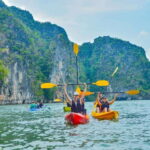
Kayak past mangroves and pirate caves today. This full-day Koh Lanta sea kayaking trip strings together mangrove waterways, sea cave stops, and beach time around Koh Talabeng and Koh Phee. I like that it’s a small group day (up to 15), so the pacing feels manageable and the scenery stays the star.
My favorite parts are the mix of mangrove wildlife and the cave formations. You’ll glide through the Thung Yee Pheng Mangrove Forest, where you may spot fiddler crabs, sea eagles, and all kinds of small life along the edges. Later, the sea caves around Koh Talabeng and Koh Phee bring that slow, candle-in-a-cave feeling with shimmering stalactites and stalagmites.
One thing to keep in mind: it’s not always a super relaxed paddle. Expect a bit of active paddling—on some days the group is asked to keep moving, and there can be idle time when you’re transferring by longtail boat.
In This Review
- Key things that make this trip worth your time
- Ko Lanta Sea Cave Kayaking for $49: what that price buys
- From Koh Lanta District pickup to Tung Yee Pheng mangroves
- Thung Yee Pheng: wildlife spotting tips that actually help
- Koh Talabeng: beach picnic lunch and the pirate sea caves
- Koh Phee sea caves: dramatic limestone with a short kayaking stop
- The pacing and waiting problem: when the day feels less calm
- Guide matters: what to look for in Sing and other guides
- Comfort, safety, and who should skip this one
- Who this tour suits best (and who might want a different day)
- Should you book Ko Lanta’s mangrove and sea cave kayaking day?
- FAQ
- FAQ
- How long is the Ko Lanta mangrove and sea cave kayaking experience?
- Where is the pickup location?
- What time does pickup usually happen?
- What’s included in the price?
- How big is the group?
- What language does the guide speak?
- Is lunch provided, and where do you eat?
- Do I get safety gear for kayaking?
- Is this tour suitable for children?
- What is the cancellation policy?
Key things that make this trip worth your time
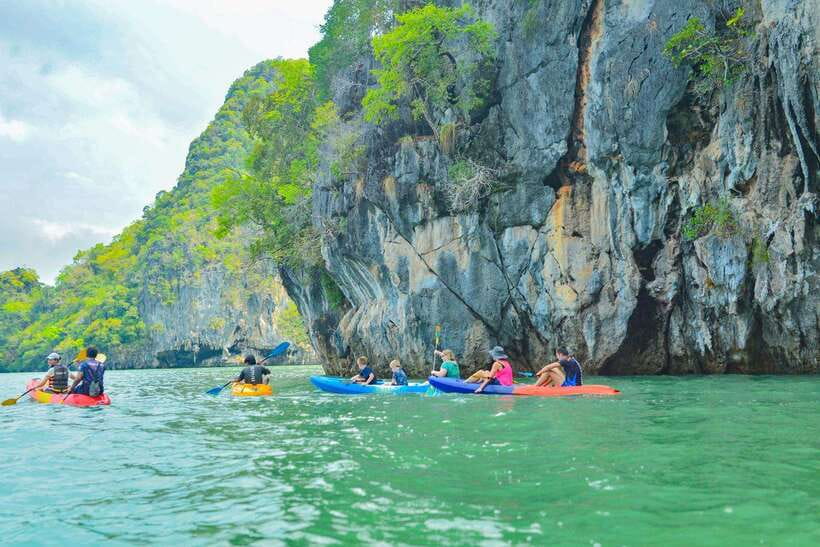
- Thung Yee Pheng Mangrove Forest: calm paddling through a protected ecosystem
- Koh Talabeng pirate caves: sea caves with stalactites and stalagmites
- Koh Phee sea cave scenery: limestone views with short kayaking time
- Beach picnic lunch at Koh Talabeng: food plus time to swim and relax
- Small-group feel (max 15): more chances to get personal help from your guide
Ko Lanta Sea Cave Kayaking for $49: what that price buys
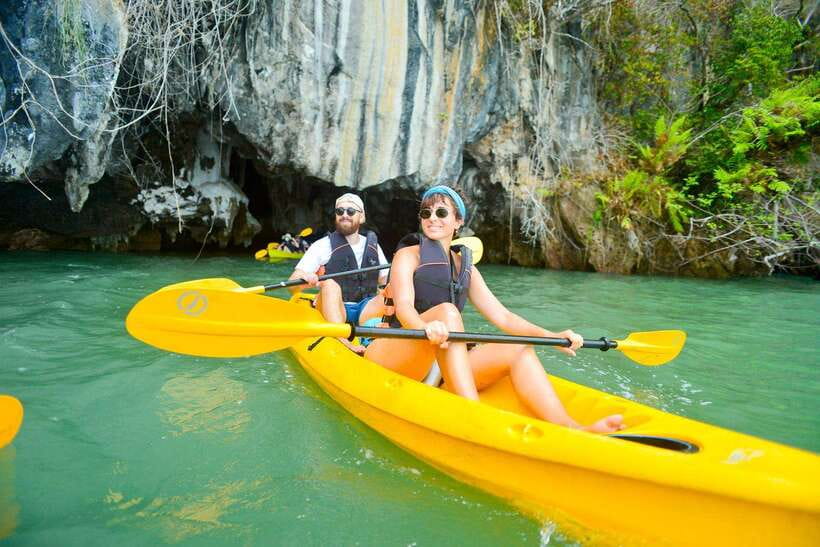
At about $49 per person for roughly 6 hours, this tour packs in a lot more than just renting a kayak. You get round-trip hotel transfer, a local English-speaking guide, kayak equipment, and a life jacket. You also get lunch plus drinking water and fruits, which matters on a full-day outing where snacks alone won’t cut it.
Value-wise, the real win is the routing. You’re not just paddling in one spot—you’re switching environments: mangrove forest waterways, sea cave zones, and beach time on an island. That mix is exactly what makes this kind of day feel like an “experience,” not a single activity stretched across hours.
There’s also a practical safety layer: basic accident insurance is included. It’s not something you think about while you’re gliding, but it’s good to know it’s there.
A few more Ko Lanta tours and experiences worth a look

From Koh Lanta District pickup to Tung Yee Pheng mangroves
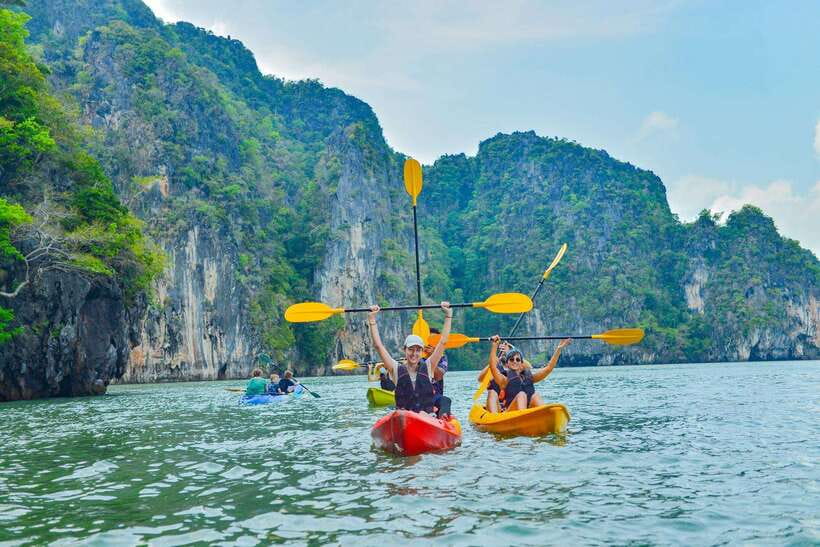
The day starts with pickup in the Ko Lanta District, usually sometime between 08:00 and 09:00. The operator confirms the exact time by email, so it’s worth checking that message and showing up a little early—being more than 10 minutes late can mean missing the transfer.
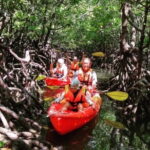
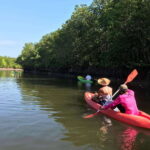
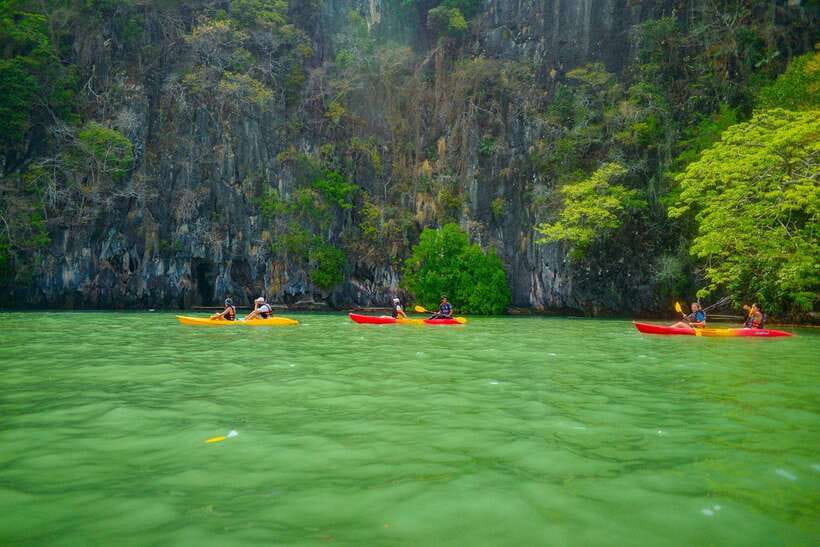
Once you’re gathered, you’ll head to Tung Yee Peng, where you begin your kayaking portion (about 1 hour of guided time). This is the calm section of the day. Expect green canopies, narrow waterways, and a slower rhythm that lets you actually look around.
The mangroves aren’t just pretty—they’re productive wildlife areas. This is where you might notice fiddler crabs along the edges and birds flying overhead. You also get that “quiet jungle” feeling: you’re moving through water, but your surroundings feel buffered from the noise of the main beaches.
Small-group kayaking matters here. With fewer people, your guide can keep an eye on spacing and help you adjust if you’re new to paddling. It also makes it easier to stop for spotting wildlife without turning the day into a sprint.
Thung Yee Pheng: wildlife spotting tips that actually help
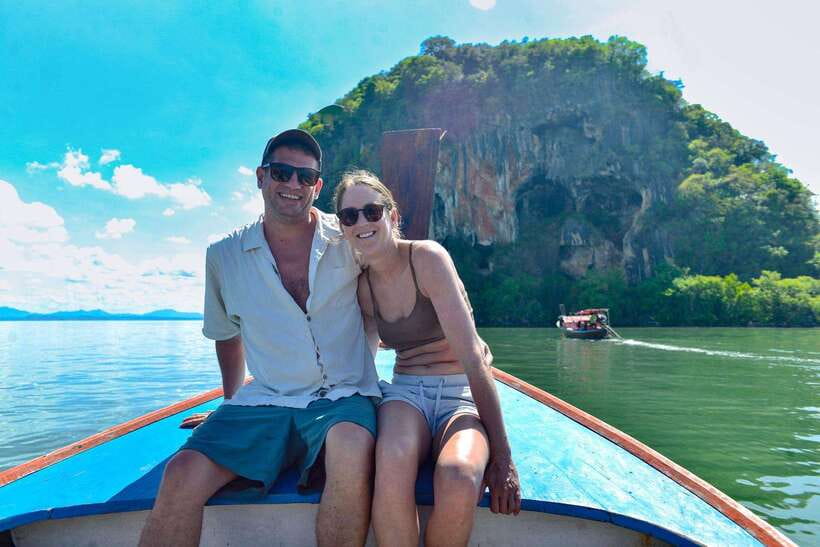
Mangroves can feel like “just trees” until you know what to look for. I suggest focusing on movement and edges, not only the big birds. The best wildlife moments often come from small motions: crabs that scuttle sideways, or birds that suddenly pivot when you drift past.
If you’re into birdwatching, keep your eyes up. The mangrove region is known for birds like sea eagles, and you don’t have to be a specialist to spot them—watch for wide wings and patient hovering.
If you’re more into close-up nature than spotting from a distance, look down at the waterline and shallow banks. Mangroves create mini habitats, and that’s where you can see signs of life even when you don’t spot the animals directly.
And yes, it’s normal to paddle at a steady pace so your guide can manage the group. If you prefer a slower glide, still go with it—you’ll get that calmer “float” feeling more in the cave zones later when you pause more often.
Koh Talabeng: beach picnic lunch and the pirate sea caves
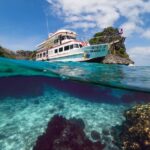
After the mangrove kayaking, you’ll switch over to island hopping by boat (transfer time is part of the schedule). The main event is Koh Talabeng, where you’ll spend about 2 hours, including kayaking time plus a Thai picnic lunch on the beach.
This beach lunch is more than a meal stop. It’s the reset moment of the day: a place to stretch, refuel, and enjoy the sea air without thinking about paddles for a little while. The included spread comes with drinking water, fruits, and a warm lunch that should keep your energy up for cave time.
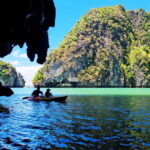
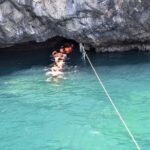
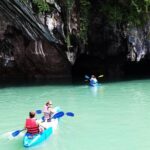
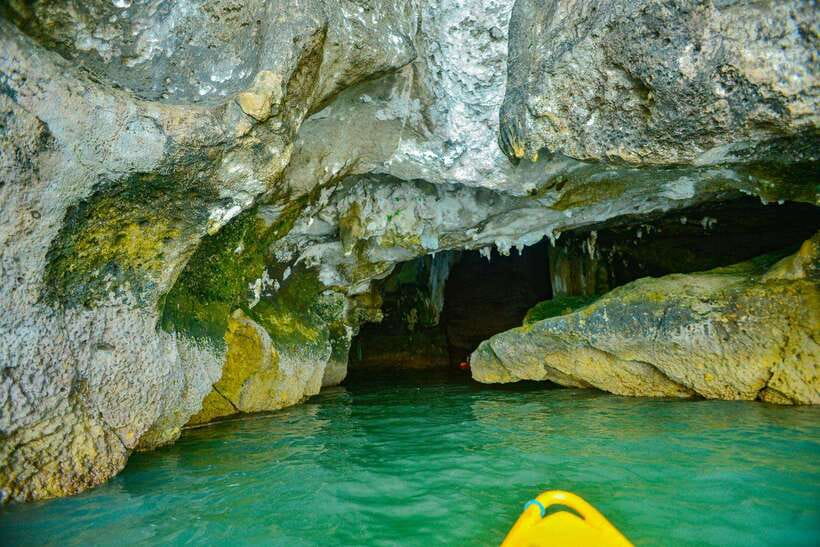
Then comes the best “wow” portion: the sea caves. Koh Talabeng is associated with pirate legends, and the caves’ role as hideaways gives the whole setting an extra layer of drama. Inside, you’re looking at stalactites and stalagmites, with that shimmery look you get when light hits uneven rock.
This part also tends to be where you’ll spot animals like monkeys and lizards—if you’re lucky and if you move quietly. In one account, monkeys were visible at Koh Talabeng, with the note that they may be familiar to feeding. That means you don’t need to do anything dramatic—just keep your behavior calm and respectful, and don’t offer food.
One caution if you’re hoping for full relaxation: you’ll still be with a guide and a schedule. You’ll get time to enjoy it, but this isn’t a “drift wherever you want” day.
Koh Phee sea caves: dramatic limestone with a short kayaking stop
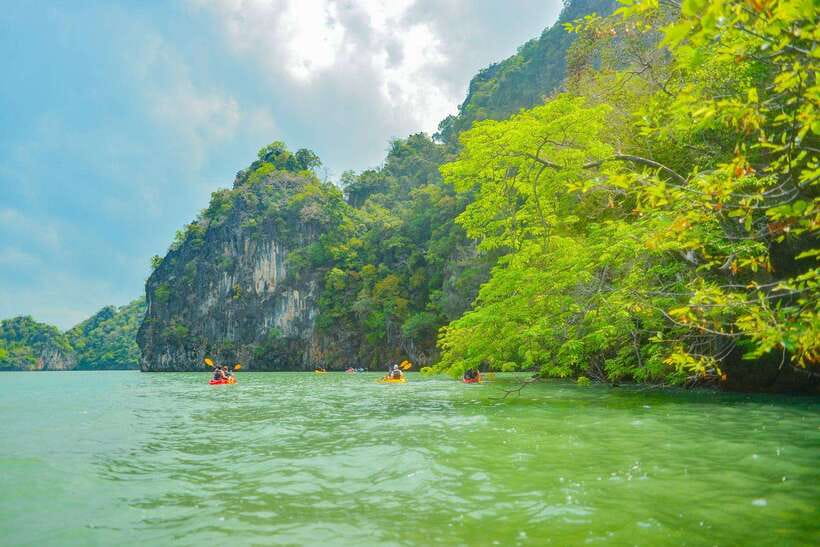
Next up is ถ้ำเกาะผี (Koh Phee), with a shorter visit and about 30 minutes of kayaking time. This is the “second cave” segment—less time than Koh Talabeng, but still focused on limestone scenery and sea cave views.
Even with the shorter window, it’s a nice change of pace. You go from mangroves to a cave-heavy island day, then to another cave zone—so the day keeps a steady theme: water, rock, and hidden passages.
Because the Koh Phee section includes a visit and kayaking, I’d plan to be ready to get in and out of the water smoothly. If your comfort level with boats and transfers varies, this stop is exactly where staying flexible will pay off.
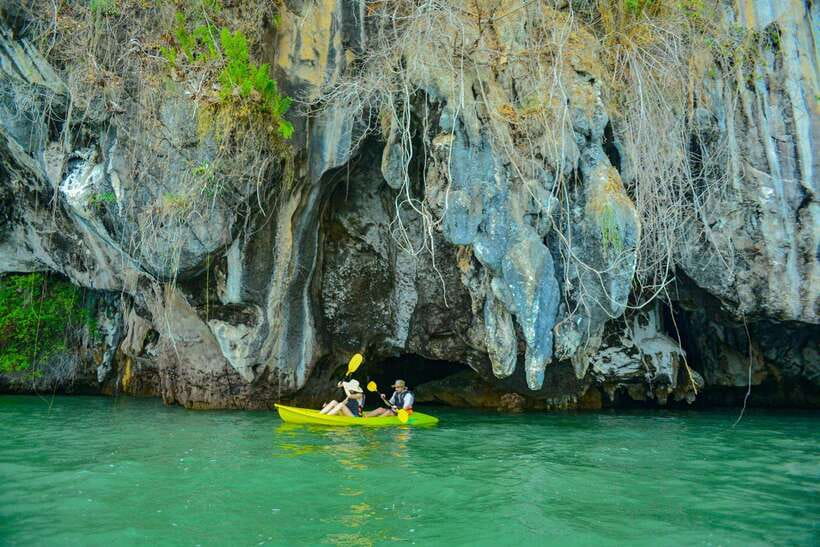
Also, one review highlighted that a climb on Koh Phee can feel unsafe, and that skipping it was a smart call. The tour you book could include small on-island movement, so wear grippy footwear and use your common sense. If something feels sketchy, it’s okay to take the conservative route or opt out of extra scrambling.
A few more Ko Lanta tours and experiences worth a look


The pacing and waiting problem: when the day feels less calm
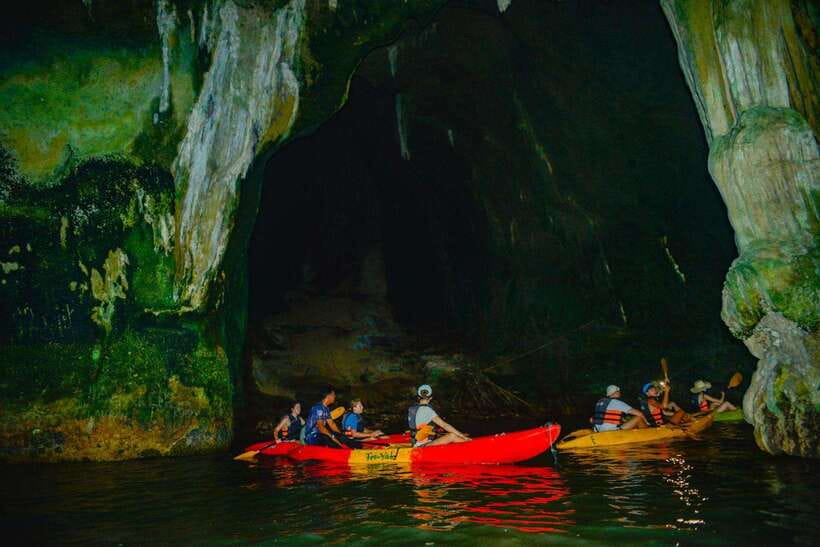
Here’s the honest trade-off with many island-and-cave kayaking days: schedules and group logistics can add pressure. One account said the day was not as relaxed as expected, with instructions to paddle faster and explanations that didn’t always pause for the whole group. That can make the experience feel more active than “peaceful.”
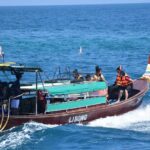
There’s also the transfer-time reality. In one case, there was about 1.5 hours of waiting on a longtail boat. That’s not something you can control, but it’s a good reason to bring a good mood and something to keep you occupied (like a light snack or water you can sip, if permitted).
If you hate rushing, this doesn’t sound like the right day for you. If you’re okay with a “guided adventure” rhythm and you want caves and islands more than slow-floating quiet, you’ll probably enjoy it.
Guide matters: what to look for in Sing and other guides
The guide experience can make or break a day like this. One review specifically praised Sing, calling out how he explained a lot and did what he could to keep the group happy. That’s the kind of guiding that turns a kayaking trip into a story—pirate caves make more sense when you understand the geography and the wildlife in play.
At the same time, another account mentioned a guide whose English was sometimes hard to follow, though he stayed friendly and checked in. If language clarity is important to you, pay attention during the first briefings and don’t be shy about asking for repetition.
Practical idea: listen closely at the beginning of each stop. The instructions you get for paddling rhythm, where to look, and how long you’ll have can reduce stress later. A good guide makes the day feel smoother—especially when the group has different comfort levels.
Comfort, safety, and who should skip this one
This isn’t a tour for everyone, and the “not for” list is clear. It’s not suitable for children under 3, and it’s also listed as unsuitable for pregnant women, people with back problems, heart problems, or high blood pressure. If any of those apply to you, take it seriously. A kayaking day has vibrations, shifting balance, and sustained effort that can be harder than it seems.
Even if you’re healthy, paddling comfort matters. Bring your ability to sit for hours, use a steady stroke, and get on/off boats without rushing. If you’ve never kayaked, it’s still doable for many people, but don’t pretend it’s a “stand up and glide” activity.
The included life jacket is a plus. Still, wear it properly and adjust before you head out. Also, consider that cave and island areas can mean uneven footing during brief walk/sightseeing portions.
If you’re sensitive to weather changes or sun, your best protection is just smart timing and staying hydrated. Since water and fruits are included, you’ve got a built-in hydration plan—just actually use it.
Who this tour suits best (and who might want a different day)
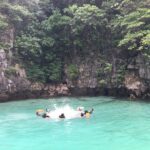
This is a strong match if you want nature + adventure in one outing. The mangrove segment feels peaceful and wildlife-focused. Then you get the excitement of sea caves, plus beach time and swimming/relaxation when you’re at Koh Talabeng for lunch.
It also fits couples and families who like guided days but still want real outdoor time. The small group size (up to 15) helps keep it from feeling crowded, especially in the cave areas where there’s limited room.
You might want to choose something else if:
- You’re chasing a fully “slow and scenic” pace
- You’re not comfortable with boat transfers and occasional waiting
- You’re worried about short, optional climbs like the one mentioned on Koh Phee
If you like structure and a clear route, you’re in the right place. If you’d rather roam freely, then a self-guided kayak day might be more your style.
Should you book Ko Lanta’s mangrove and sea cave kayaking day?
I’d book it if your top priorities are Thung Yee Pheng mangroves, Koh Talabeng sea caves, and a full-day mix that includes food and beach downtime. At $49 with transfers, lunch, and gear included, it’s good value compared to cobbling together separate transport and rentals.
But I’d think twice if you need the day to feel calm from start to finish. The pacing can be brisk, and transfer timing can add waiting. If cave time and island scenery are your main goal, that trade-off is usually worth it.
My quick decision rule:
- Choose it if you’re excited about caves, wildlife, and an active guided route.
- Skip it if you’re looking for a truly laid-back paddle with minimal schedule pressure.
FAQ
FAQ
How long is the Ko Lanta mangrove and sea cave kayaking experience?
It’s listed as 6 hours total.
Where is the pickup location?
Pickup is from the Ko Lanta District.
What time does pickup usually happen?
Pickup is typically between 08:00 and 09:00. The exact time is confirmed by email, and you should arrive at the pickup point at least 10 minutes early.
What’s included in the price?
The tour includes round-trip hotel transfer, lunch, drinking water and fruits, kayak equipment, a life jacket, a local English-speaking guide, and basic accident insurance.
How big is the group?
It’s a small group with a limit of 15 participants.
What language does the guide speak?
The guide provides live commentary in English and Thai.
Is lunch provided, and where do you eat?
Yes. You’ll have a Thai picnic lunch on the beach at Koh Talabeng, along with included water and fruits.
Do I get safety gear for kayaking?
Yes. Kayak equipment and a life jacket are included.
Is this tour suitable for children?
Child tickets are for kids aged 4 to 11. The tour is listed as not suitable for children under 3.
What is the cancellation policy?
You can cancel up to 24 hours in advance for a full refund. Also note that there is a minimum of 2 people required to run the tour; if it’s canceled for low numbers, you’ll be offered a different date, an alternative tour, or a full refund.