REVIEW · PHI PHI ISLANDS
From Phi Phi: Beginner Scuba Diving Day Trip with 2 Dives
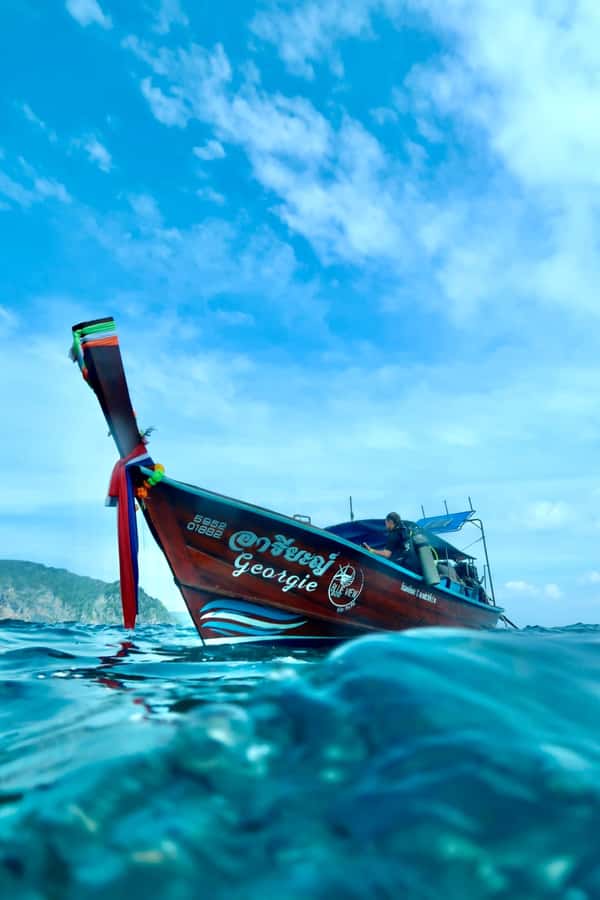
Book on GetYourGuide →Operated by Blue View Divers · Bookable on GetYourGuide
Warm water beats cold nerves fast. This Phi Phi beginner scuba day trip pairs PADI-led practice with up-to-2 instruction and real marine-life encounters in the National Marine Park. I love the small group format (you get more attention) and the Thai lunch with fresh fruit and water between underwater sessions. The main thing to watch: booking is only locked after you contact the scuba centre on WhatsApp and complete check-in/admin by 5pm the day before, or you can miss the outing at your expense.
You can also choose a morning or afternoon schedule, and the team picks sites based on weather and sightings. If you feel nervous, ask about the optional beach training before you go out, since this trip tops out at 12 metres and is built for comfort first.
In This Review
- Key highlights worth your attention
- Why Phi Phi’s beginner scuba fits so well into a 5-hour day
- Morning vs afternoon schedules on Phi Phi Don
- The one logistics step that can make or break your trip
- Gear, PADI eLearning, and the skills you’ll actually practice
- Your two underwater sessions: what happens at the sites
- Session 1: shallow reef time near the start of the day
- Break: lunch on board and a real reset
- Session 2: exploring rock formations around Phi Phi Leh area
- Wildlife expectations vs the photo reality
- Price and value: what you’re really paying for
- Who should book this Phi Phi beginner scuba trip
- Should you book this beginner scuba on Phi Phi?
- FAQ
- How long is the Phi Phi beginner scuba trip with 2 underwater sessions?
- Is scuba equipment included?
- What about the National Park fee?
- What training happens before the water?
- Are there different departure times?
- Do I need to contact the scuba centre before the trip?
Key highlights worth your attention
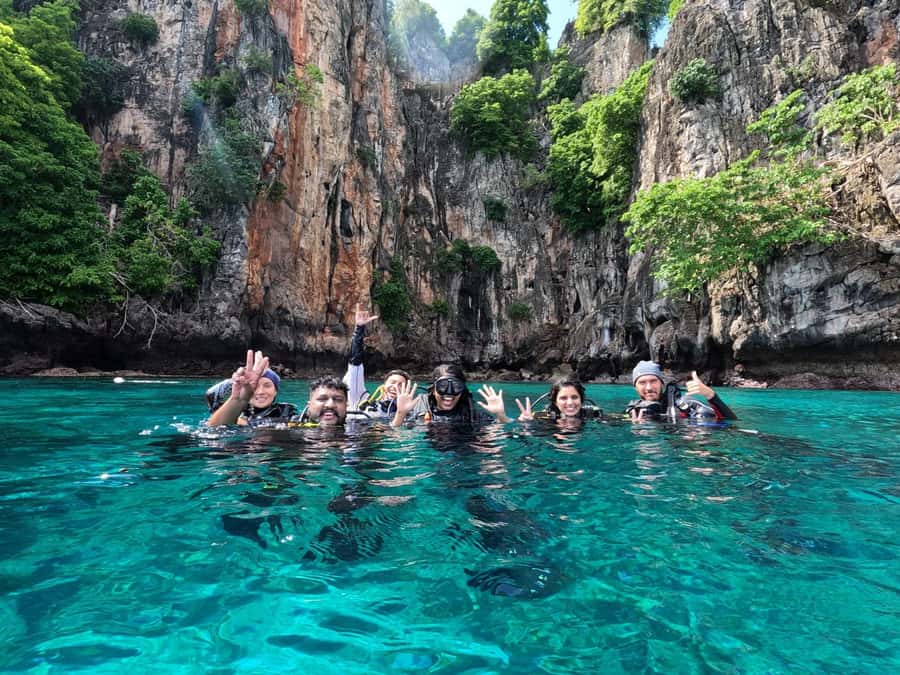
- Small group, limited to 2 participants for calmer coaching and quicker feedback
- PADI eLearning before you arrive so you show up ready, not starting from zero
- Two underwater sessions in warm waters with a beginner-friendly max depth of 12 metres
- Thai lunch on board plus fresh fruit, tea/coffee, and water refills in between
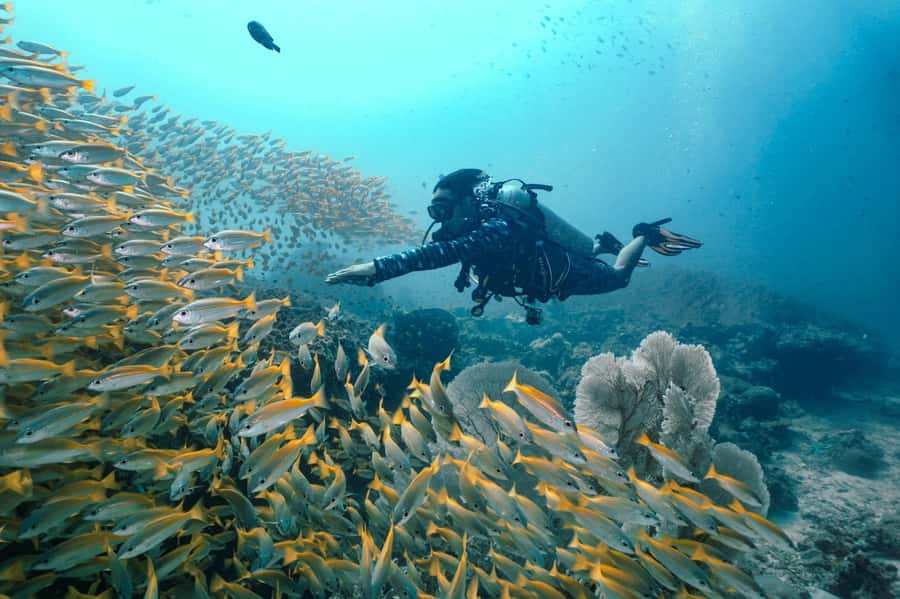
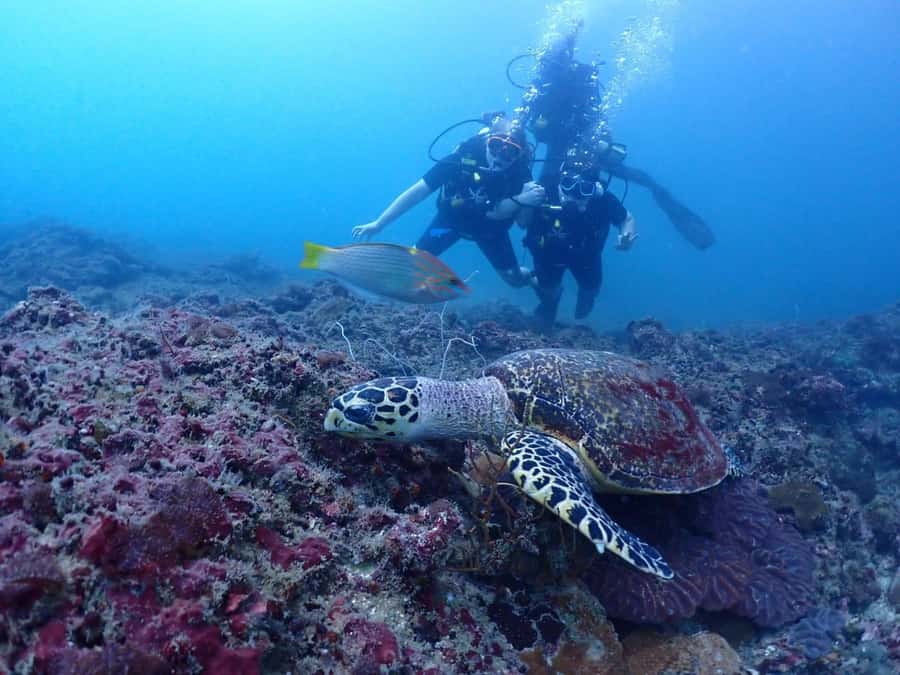
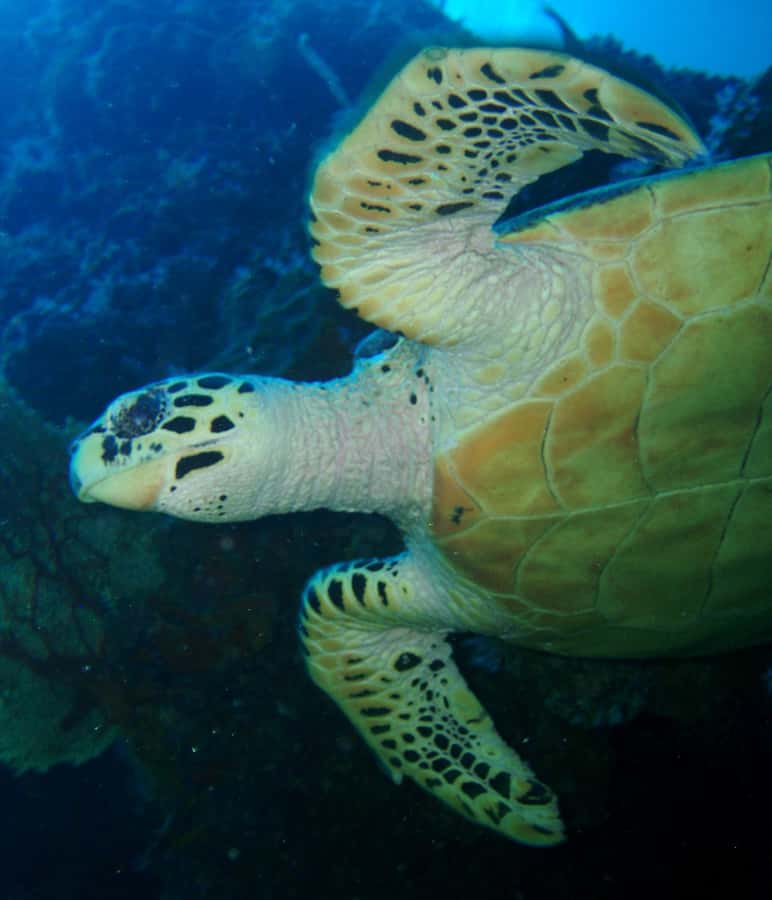
- Marine life is a real goal: hawksbill turtles, blacktip reef sharks, clownfish, and huge schools of fish
Why Phi Phi’s beginner scuba fits so well into a 5-hour day
Phi Phi is one of those places where the sea looks like it belongs on a postcard, but the best part of a beginner program is how it manages your nerves. This outing keeps things practical: you’re in the Gulf of Thailand, the water is warm, and the plan is short enough that you’re not exhausted before your first underwater time.
The trip is also built around the kind of conditions beginners want. You’re working with experienced PADI instructors, practicing skills on the way down, and staying within a max depth of 12 metres. That matters because depth control is usually what makes first-time students tense. Here, the ceiling is clear from the start.
At the same time, you’re not being treated like a passive passenger. You get a structured pre-session briefing, you practice key skills near the surface and along the descent line, and you then move onto a shallow reef. That sequence is exactly what helps you stop thinking about breathing and start paying attention to the water around you.
You can also read our reviews of more tours and experiences in Phi Phi Islands.



Morning vs afternoon schedules on Phi Phi Don
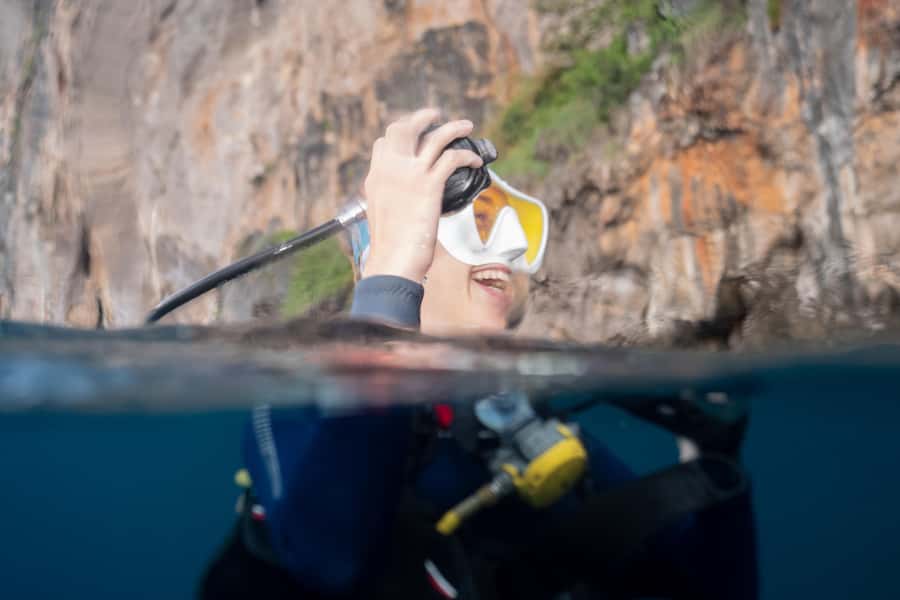
You can pick either a morning or afternoon departure, and that changes the feel of your day.
Morning outings are designed to let you keep traveling afterward. The day typically returns in time for onward connections to Phuket or Krabi, which is helpful if your itinerary is tight. Afternoon trips aim for late-day comfort, with enough time to return for sundowners.
Either way, most of the underwater sites are close. You’re traveling by boat from Phi Phi Don and reaching the area quickly (think about roughly 25 minutes by boat from the island to the sites, depending on where you depart from). Short travel times mean less motion stress before you get in the water.
Also, site choice depends on conditions and time of year, so the team doesn’t lock you into one exact spot. That’s a small detail that makes a big difference at sea: if visibility or currents aren’t right, they can shift to match the day.
The one logistics step that can make or break your trip
Here’s the part you need to take seriously: your booking isn’t considered complete until you message the scuba centre and complete required admin.
You’ll be asked to:
- contact the scuba centre via WhatsApp
- complete check-in/admin tasks the day before by 5pm
- include a working WhatsApp number on your booking
They also offer a remote option if you prefer handling paperwork ahead of time. The reason this is emphasized is simple: waivers and medical checks have to happen before you board.
Two more practical notes:
- You must be staying on Phi Phi Island (not just visiting for the day).
- You cannot fly within 24 hours after your scuba sessions, so plan your transport accordingly if you’re hopping to another island or catching a flight.
If you follow those rules early, everything runs smoother. If you skip them, you risk losing the day.
Gear, PADI eLearning, and the skills you’ll actually practice
This trip includes scuba equipment rental, so you’re not hunting for mask rentals or lugging gear across Thailand. You’ll also get a PADI eLearning course provided ahead of time, required before the program starts. The idea is to make the underwater portion feel like the second chapter, not a brand-new book.
In the water, you start with basics that reduce panic:
- breathing and swimming practice
- basic skills on the descent line
- then a controlled move onto a shallow reef
That pattern is especially helpful if you’ve never done scuba before. The first minutes underwater are usually about comfort. You’re not being thrown into tricky situations; you’re being trained to handle the fundamentals while the instructor watches closely.
If you’re the type who gets anxious in open water, the optional beach training (extra) can be worth asking about. The program even flags this option for people who aren’t sure they’re ready for the ocean yet, non-swimmers, or anyone who’s nervous.
And yes, there’s an eco angle: the operator follows Green Fins and national marine park regulations. It’s not just a brochure line. It’s part of how they operate around protected reefs.
Your two underwater sessions: what happens at the sites
This is a two-part outing, separated by lunch.
A few more Phi Phi Islands tours and experiences worth a look


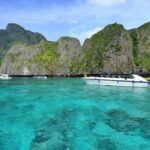
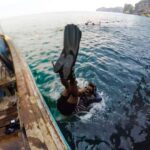
Session 1: shallow reef time near the start of the day
After a short boat ride, you kit up and get a pre-session briefing. Then you start in the water with practice breathing and swimming before descending to the shallow reef. The max depth is 12 metres, which keeps things beginner-friendly and helps you focus on noticing wildlife.
This is also where you’re aiming for the classic Phi Phi marine sightings:
- hawksbill turtles
- blacktip reef sharks
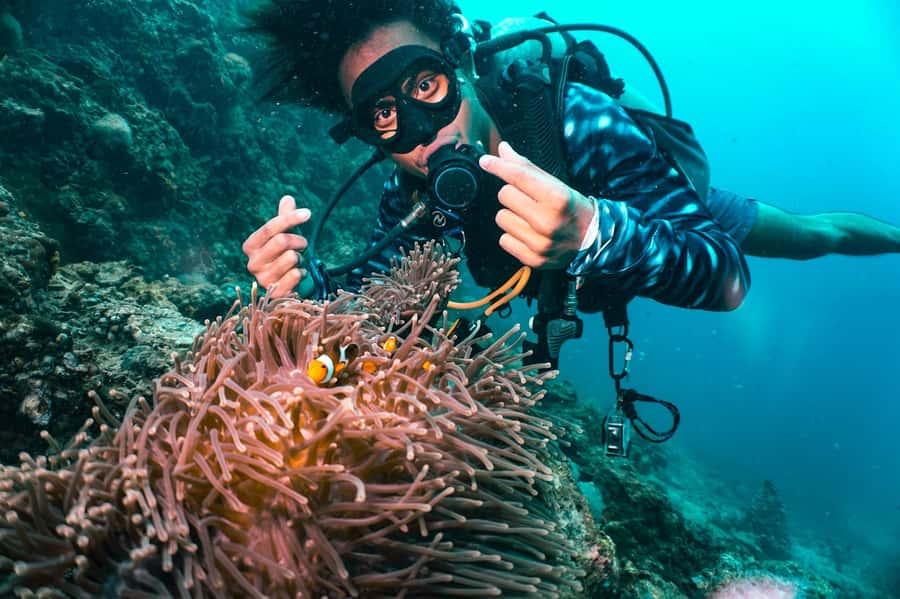
- clownfish (often called Nemo)
- large schools of snapper-like fish
- coral and thousands of tropical fish
One realistic note: what you see depends on the day. If fish activity is lower or you’re closer to the shallow limit, you may not get as much variety as you hoped. That’s not the operator being careless; it’s how reef conditions work.
Break: lunch on board and a real reset
Between the two sessions, you eat on the boat. This is one of the most practical parts of the day, especially for first-timers who get a little wiped out by nerves and sun.
You’ll get:
- a zero-waste lunch box
- Thai lunch
- fresh fruit and water
- tea/coffee
- water refills
A good lunch isn’t a luxury on a scuba day. It keeps your energy stable for the second session and prevents that shaky, tired feeling that can happen after your first underwater effort.
Session 2: exploring rock formations around Phi Phi Leh area
When you’re ready, you go for the second underwater session around the Phi Phi Leh area (or nearby sites depending on the plan for the day). This is your second chance to see wildlife and look for reef features like rock formations.
Because it’s the second session, you usually feel more confident. You already know how breathing and buoyancy feel, so you can spend more mental energy on scanning the reef instead of remembering skills.
Wildlife expectations vs the photo reality
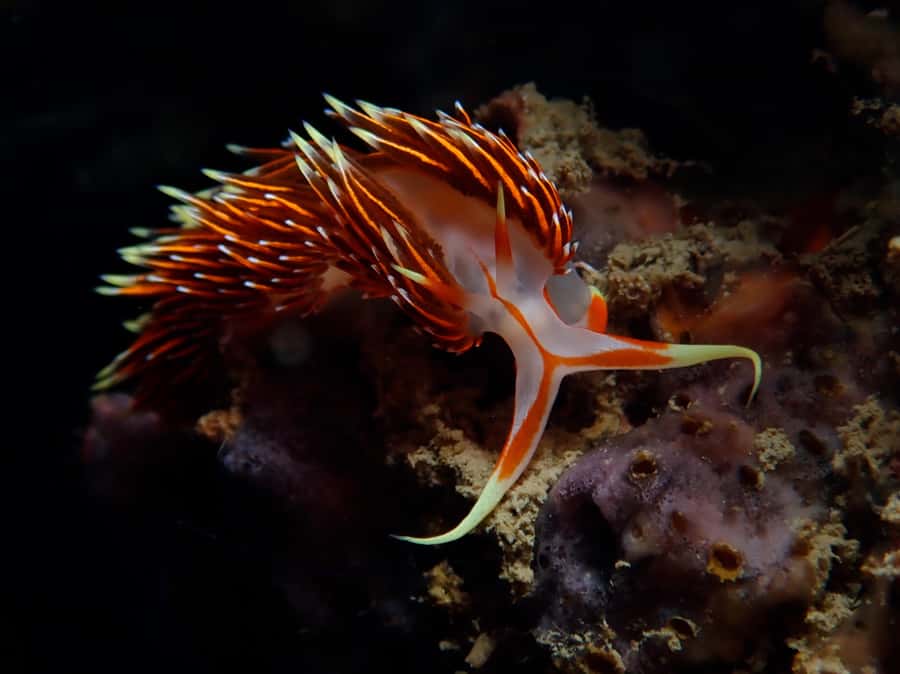
The marine life on this program is a major selling point, and it’s not just marketing fluff. Hawksbill turtles, blacktip reef sharks, and clownfish are all specifically mentioned as potential encounters, along with big schools of colorful reef fish.
That said, reef variety isn’t guaranteed every time, and the program stays shallow. If you’re expecting dramatic top-to-bottom variety, manage your expectations a bit. At a maximum of 12 metres, you’ll typically see a lot of reef life close to your zone, but you might not hit every species you were hoping for.
Then there’s the camera question, which deserves attention.
- A photography service is not included.
- You might also find that action cameras like GoPro are restricted unless you add the photo option (there’s an extra cost mentioned for that).
So if you care about underwater photos, plan for the possibility of paying extra. If you don’t, you’ll still get plenty to remember just by looking.
Also remember the national marine park context. You’re operating in protected waters, so the focus stays on responsible behavior around reefs and wildlife, not chasing angles.
Price and value: what you’re really paying for

The advertised price is $125 per person, and the trip runs about 5 hours total. On paper, that looks straightforward. The real value comes from what’s included and how small the group is.
Included:
- PADI eLearning (required ahead of time)
- scuba equipment rental
- a professional PADI instructor
- lunch onboard plus fresh fruit and water
- tea/coffee and water refills
- basic Thai opt-in insurance
Not included:
- National park fee: 600 THB
- photography service
- optional beach training: 1,200 THB
So you should budget the park fee on top of the base price. But even with that, you’re not paying extra for equipment or instruction time. The cost makes more sense when you compare it to grabbing equipment separately and trying to self-manage a beginner program.
The small group limit also matters. Up to 2 participants means more direct coaching per person. For first-timers, that can reduce stress and help you learn faster. That’s a real value factor, not just a comfort perk.
Who should book this Phi Phi beginner scuba trip
This is a good match if:
- you’re new to scuba and want structure
- you prefer a small group over bigger outings
- you want a short day that still includes marine wildlife
- you like the idea of practice first, then underwater time with supervision
It’s also a helpful choice if you’re traveling with mixed comfort levels in your group, because the program is designed around beginner skills and a controlled maximum depth.
If you’re worried about open-water readiness, ask about the optional beach training before committing to going out. It’s extra, but it can be a smart step if you need a confidence buffer.
Languages are covered too: the instructor team can support English, Portuguese, Spanish, and Thai. If you want explanations in a language you’re comfortable with, that’s a practical advantage.
And finally, check your transport plan. The rule about not flying for 24 hours after scuba can affect how you sequence islands and flights.
Should you book this beginner scuba on Phi Phi?
I’d book it if you want a calm, guided beginner experience with real chances at turtles and reef life, and you appreciate the value of a small group plus pre-trip eLearning. It’s also a smart pick if you’re staying on Phi Phi and want a 5-hour activity that doesn’t swallow your entire day.
I’d think twice if you’re obsessed with underwater photography and want guaranteed action shots without extra costs, or if you know you’ll be frustrated by limited variety in shallow conditions. In that case, plan for the photo option and keep your expectations matched to a 12-metre max.
Most importantly: message the scuba centre on WhatsApp and complete check-in/admin by 5pm the day before. Do that, and the rest of the day is set up to feel straightforward.
FAQ
How long is the Phi Phi beginner scuba trip with 2 underwater sessions?
The experience runs about 5 hours total.
Is scuba equipment included?
Yes. Scuba equipment rental is included.
What about the National Park fee?
National Park fees are not included. The fee listed is 600 THB.
What training happens before the water?
You receive PADI eLearning ahead of time. On the day, you’ll do a briefing and then practice breathing, swimming, and basic skills just beneath the surface before going to the shallow reef.
Are there different departure times?
Yes. You can choose a morning or an afternoon departure.
Do I need to contact the scuba centre before the trip?
Yes. Booking is not complete until you contact the scuba centre and complete required admin/medical pre-checks the day before by 5pm. You should use a working WhatsApp number.