REVIEW · PHI PHI ISLANDS
3 Fun Dives for Certified Diver Phi Phi islands &Shark Point
Book on GetYourGuide →Operated by PDP · Bookable on GetYourGuide
A day like this makes you look at the sea differently. You get three certified-scuba sessions with a patient instructor, plus a comfortable boat ride that includes real meals (yes, even between water times) around Phi Phi and Shark Point. What I like most is how tightly the pace stays controlled, and how small the group feels with only a few divers per session.
One thing to plan for: the Phi Phi National Marine Park fee (600 THB) is not included, and you pay it in cash to marine park staff when your boat arrives.
In This Review
- Key highlights worth your attention
- Getting to Phi Phi feels easy: van pickup and a proper scuba boat
- Three underwater sessions: how the timing and 50-bar limit keep the day comfortable
- Phi Phi Islands: what your two main sessions are really about
- Shark Point vs Anemone Reef or Koh Doc Mai: the third stop decision
- Food and boat comfort: why this day feels better than typical half-day trips
- Price and value: why $176 can feel fair (and what to budget extra)
- Safety, insurance, and your practical checklist before you go
- What small-group instruction feels like in real terms
- Should you book the 3-session Phi Phi package?
- FAQ
- Is this only for certified scuba divers?
- How many underwater sessions are included?
- How long is each scuba session?
- What’s included besides the sessions?
- Are transfers included from anywhere in Phuket?
- What about Phi Phi National Marine Park fees?
- What food is provided during the day?
- What should I bring?
- Can I fly soon after the last session?
Key highlights worth your attention
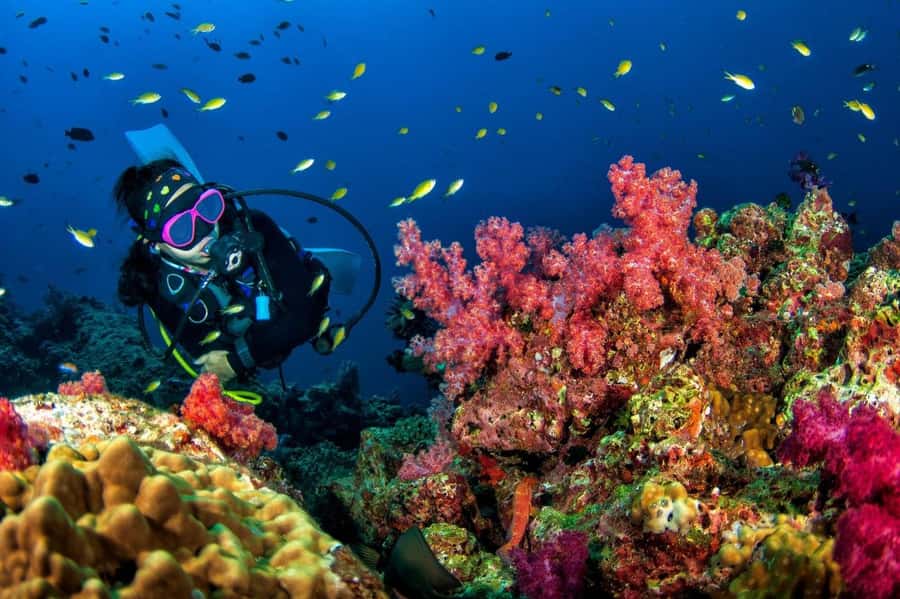
- Up to 4 divers per session for calmer, easier coaching underwater
- Three underwater sessions: usually two around Phi Phi and one at Shark Point or a nearby top reef site depending on conditions
- Clear timing rules: up to 50 minutes or until your cylinder hits 50 bars
- Big comfort package on the boat: breakfast, lunch, snacks, fresh fruit, and drinks
- Easy transfers from select Phuket areas by van to the dive center
- English/Thai/Persian instruction options with experienced, adaptable guides
Getting to Phi Phi feels easy: van pickup and a proper scuba boat
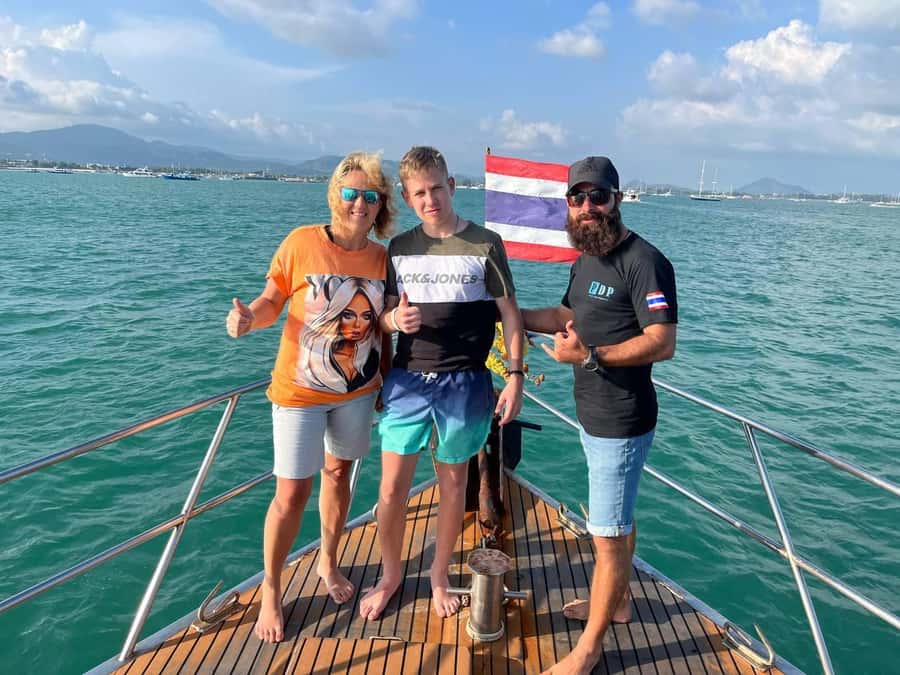
This is set up as a full day, but it doesn’t feel like a hassle-fest. You get return van transfers between Phuket and the dive operation from Chalong (and there are pickup options depending on the area—often Kamala, Patong, Karon, Kata, plus select parts of Rawai, Nai Harn, and Chalong). If your hotel sits outside the free zones, you may need to pay an extra charge or arrange a private transfer.
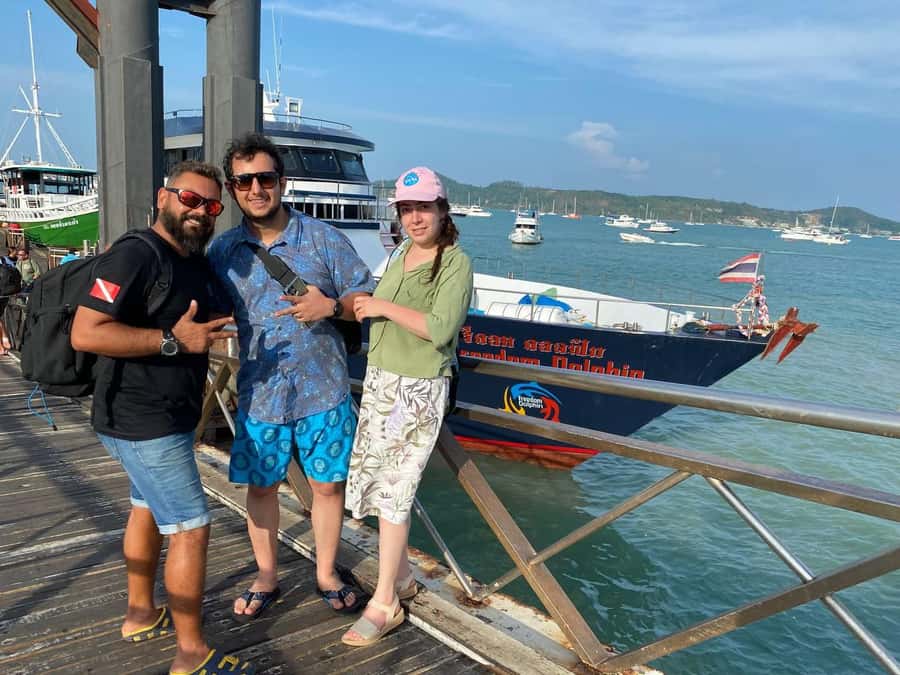
Once you’re aboard, the tone changes from logistics mode to “go enjoy yourself” mode. The boat is described as spacious and fully equipped, and the day runs like a real operation: safety briefing on board, scheduled water times, then food and downtime between sessions. One small detail I really value on days like this is that you’re not just taken to one spot and left to figure things out. There’s a team working the flow—so you’re not constantly chasing someone for gear, timing, or basic answers.
Boat days can vary wildly, but here the consistent theme from real diving days is staff helpfulness and comfort. Several guides are praised by name in feedback (people like Julien, Saeiv, Kob, Dima, Sam, Mon, and Wilana), and the common thread is calm professionalism. Even if you’re an experienced diver, that matters, because the best days keep you relaxed so you can focus on seeing the underwater life.
You can also read our reviews of more tours and experiences in Phi Phi Islands.



Three underwater sessions: how the timing and 50-bar limit keep the day comfortable
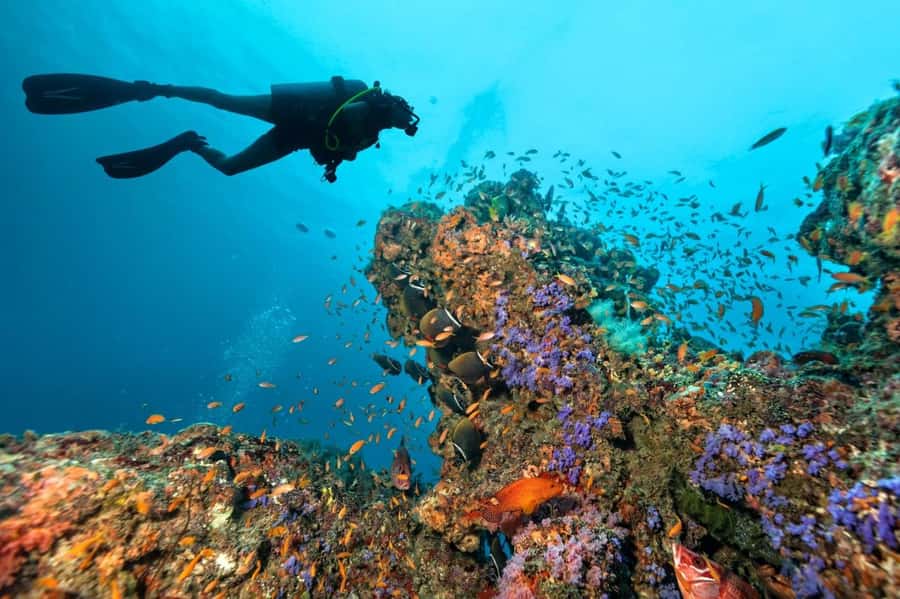
You’re not booking “three random water moments.” You’re booking a structured series of three scuba sessions designed for certified divers. Each session is planned for up to 50 minutes underwater or until your cylinder pressure reaches 50 bars—whichever comes first.
Why that’s good for you:
- It keeps the day predictable. You’ll know the rhythm: get briefed, gear up, go in, come up, eat, rest, and repeat.
- It helps avoid that end-of-day scramble where one diver’s air runs long and everyone’s schedule gets messy.
- The 50-minute target is usually enough time to actually enjoy the site rather than just do a quick check-and-flee.
Also, the group size is limited to a maximum of three to four participants per dive. In practice, that often means you spend less time waiting, less time fighting for position, and more time getting targeted attention—especially if you’re working on buoyancy or want help fine-tuning technique in current or near reef edges.
If you’re newer to regional diving (or you’re just trying not to feel rushed), this matters. Small groups mean you can ask questions without the guide having to manage a crowd. Several praised instructors are described as patient and safety-focused, including names like Kob and Dima, which is a good sign that they keep things controlled without killing the fun.
Phi Phi Islands: what your two main sessions are really about
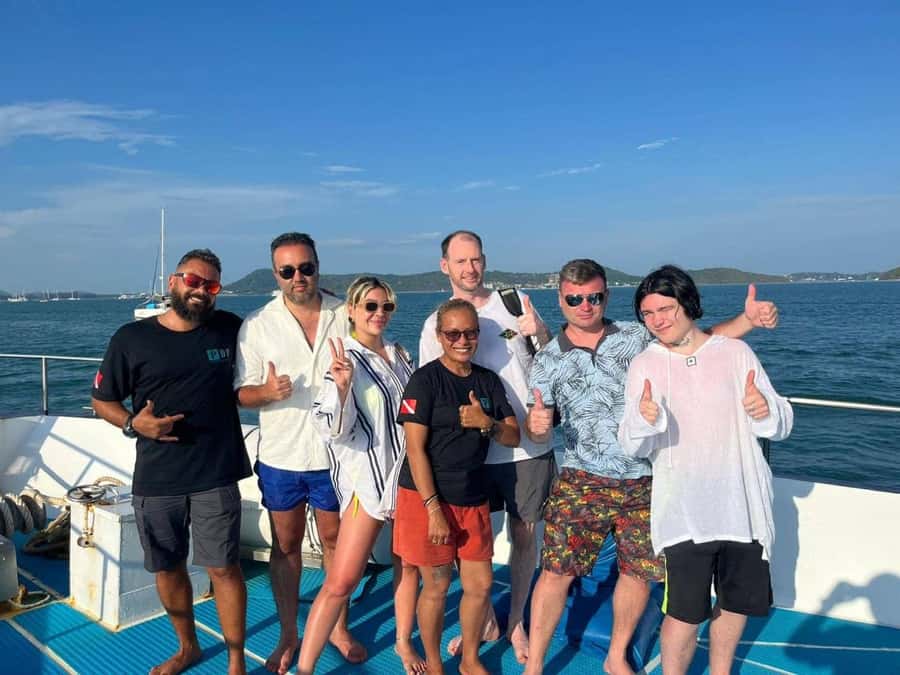
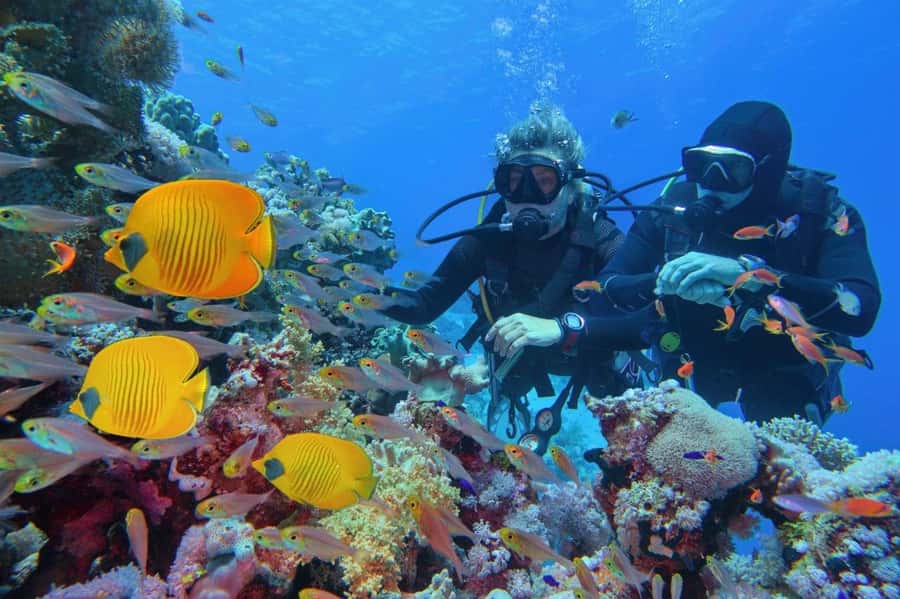
Your day includes two sessions at the Phi Phi area (Koh Phi Phi). That’s where you’ll likely spend most of your “big-scene” underwater time—reef edges, swim-throughs, and the kind of marine life where you don’t have to chase it far to feel like something’s happening.
What to expect at this stage of the day:
- You leave the meeting point and have breakfast before the first water time.
- You get a safety briefing and then head into the first session.
- After that, there’s a break time and lunch onboard, followed by your second Phi Phi session.
The lunch structure is more than a comfort perk. When your meal happens between sessions (and not after you’re already exhausted), your body tends to handle the second immersion better. You also get snacks and refreshments, including fresh fruits and beverages on the boat, which helps keep your energy up when you’re out in the sun.
One practical point: the Phi Phi area is a National Marine Park. That means there’s a local enforcement presence. It’s why the park fee comes up later as cash-on-arrival. Plan for it so the schedule stays smooth for everyone.
Shark Point vs Anemone Reef or Koh Doc Mai: the third stop decision
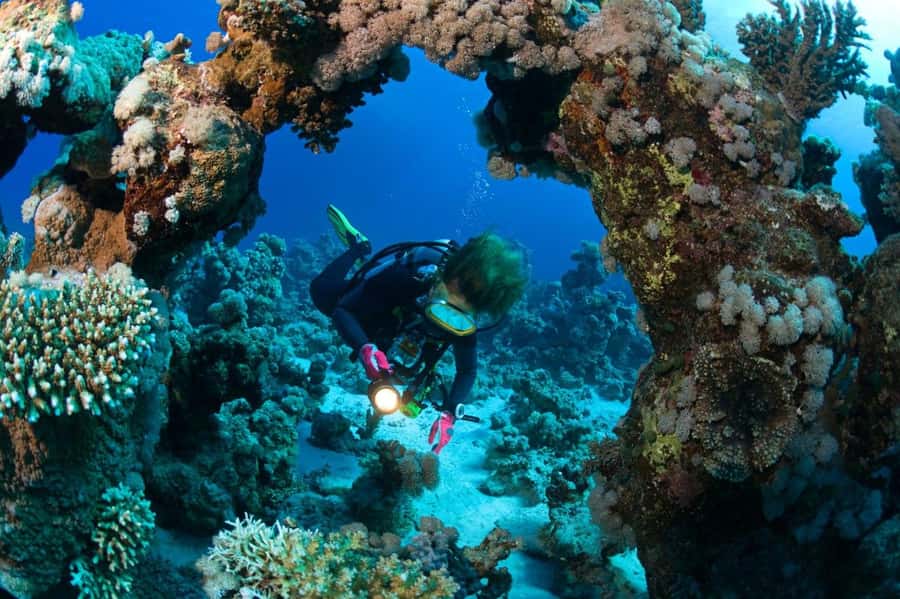
Your third session is the “change-of-pace” part of the day. Depending on conditions, it’s scheduled for either:
- Shark Point (near Koh Phi Phi), or
- Anemone Reef / Koh Doc Mai (your leaders choose based on best conditions).
That flexibility is worth noting. Thailand’s visibility and current can change, and reef sites can behave differently depending on wind and water movement. Having a team decide on the best fit for the day is usually better than a rigid plan that ignores real water conditions.
Before the last session, there’s a short break with coffee, tea, local snacks, then your third underwater time. I like this setup because it’s a reset without dragging the day out. You get a chance to rehydrate, check your gear again (quick rinse and visual checks help), and settle your nerves if your second session left you a bit tired.
Also, the fact that Shark Point is specifically mentioned matters for diver expectations. It’s typically associated with open-water excitement compared with purely reef-focused sites. The third stop is where your “top moment” often happens—either through a chance encounter or just the overall thrill of being at a site known for its underwater action.
Food and boat comfort: why this day feels better than typical half-day trips
This outing runs about 10 hours, but the comfort helps it feel manageable rather than just long. Onboard, you get:
- Breakfast
- Lunch
- Fresh fruit
- Refreshing beverages
- Snacks during breaks
Many full-day ocean trips keep food minimal to save money and time. Here, people strongly praise that you’re fed well enough to enjoy the day even when you’re hungry between sessions. One standout comment in the feedback is that there’s more food than expected, which is exactly the kind of thing you’ll appreciate when you’re out in the sun and underwater breathing works up an appetite.
The boat is also described as having space to relax, with seating around the vessel. That’s not just nice—it’s practical. Between sessions, you don’t want to be stuck in a cramped corner shivering and scrolling your phone. You want to sit down, keep your body warm, and let your brain switch back on from “focus mode” after each immersion.
Finally, small groups make the downtime better too. When you’re not sharing your session with a pile of divers, your guide can keep things orderly, and you’re less likely to feel like you’re part of a factory line.



Price and value: why $176 can feel fair (and what to budget extra)
The listed price is $176 per person for a 10-hour outing with three scuba sessions, equipment, insurance, and onboard meals. That’s a lot included, and the value comes from what you’re not paying separately—especially:
- Full scuba equipment
- Three planned underwater sessions
- Scuba insurance
- Onboard meals and drinks
- Small-group instruction with up to 4 divers per dive
- Return transfers from select Phuket areas
What costs extra:
- Phi Phi National Marine Park fee: 600 THB per diver, paid in cash directly to marine park police/staff when they visit the boat after arrival.
- Transfer costs if you’re outside the free pickup zones (private transfers may be available at cost).
If you compare this to “book a boat plus buy everything else” style packages, the total value looks solid. You’re paying for structure and reduced friction. That’s not flashy, but it’s what makes a day like this feel smooth instead of stressful.
Pro tip: if you’re planning to pay the marine park fee, carry cash ready before the boat touches Phi Phi. You don’t want to scramble during a busy moment while gear and timing are already set.
Safety, insurance, and your practical checklist before you go
This package is built for certified scuba divers, and it comes with comprehensive scuba insurance covering you throughout the tour. You’ll also get a safety briefing before the first session. Even if you’re an experienced diver, I like this because it makes sure everyone’s on the same page for local conditions and the day’s plan.
There’s also a post-scuba flying restriction: you are not allowed to fly by airplane for at least 18 hours after diving, with the note that it applies until the next day at 1 PM. That’s one of the easiest rules to mess up, so check your flight timing and plan a cushion day if you need to get home fast.
What to bring (the basics that actually matter):
- Swimwear and a towel
- Sunglasses and a sun hat
- Sunscreen
- Your scuba certification and a logbook
- A camera if you want to record the day
Underwater photos and videos aren’t included in the package. The dive staff may offer photo/video services on board as an extra add-on.
Who the day isn’t for:
- Children under 10
- Pregnant women
- People with back problems
- People with heart problems
If any of those apply, you’ll need a different kind of activity or medical guidance before considering scuba.
What small-group instruction feels like in real terms
One of the strongest themes from guide feedback is not just expertise, but how the guide makes the experience feel controlled and relaxed. Names like Kob, Wilana, Dima, Sam, Mon, and Julien show up in praise for being friendly, helpful, and professional—and that matters because good coaching makes you see more and stress less.
You’ll likely notice the difference in:
- How quickly you settle after gear setup
- Whether you’re guided through the site in a way that helps you spot animals rather than just follow bubbles
- How comfortable you feel with buoyancy and positioning
Some comments also highlight photo/video help from guides. Even when optional services exist, it’s clear that certain instructors are proactive about capturing moments and pointing out what’s worth looking at—especially smaller or camouflaged marine creatures. That’s the kind of “quiet expertise” that turns a standard reef swim into something you’ll remember.
Should you book the 3-session Phi Phi package?
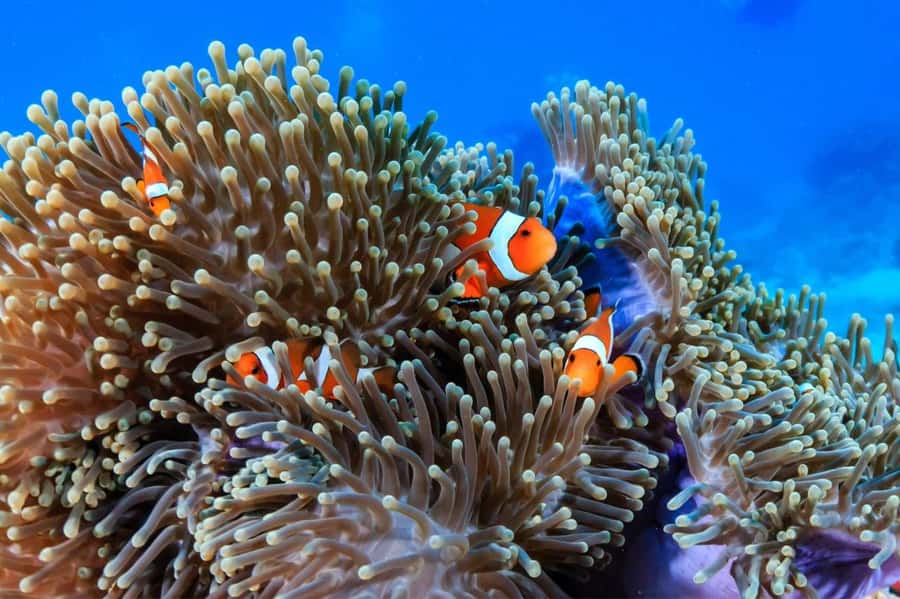
Book it if you want a well-fed, well-run full-day scuba outing with three sessions, small groups, and a schedule that stays organized. The $176 price makes sense when you factor in equipment, insurance, transfers from common Phuket areas, and the three planned underwater times.
Don’t book it if:
- You’re not a certified scuba diver
- You know you won’t be able to follow the no-flying-after-scuba window
- You need a medical accommodation for back/heart issues or you’re pregnant (this one lists those as not suitable)
- You don’t want to deal with the 600 THB cash marine park fee on arrival
If you’re a certified diver aiming to see Phi Phi’s underwater life with minimal chaos and solid guidance, this is the kind of day that usually hits the sweet spot: structured, comfortable, and genuinely fun.
FAQ
Is this only for certified scuba divers?
Yes. This activity is only for certified scuba divers.
How many underwater sessions are included?
You get three scuba sessions total. Usually two are around Koh Phi Phi, and the third is at either Shark Point, Anemone Reef, or Koh Doc Mai depending on conditions chosen by the tour leaders.
How long is each scuba session?
Each session is up to 50 minutes of underwater exploration, or until your cylinder pressure reaches 50 bars.
What’s included besides the sessions?
The package includes full scuba equipment, comprehensive scuba diving insurance, and complimentary return transfers from select Phuket locations. You also get breakfast, lunch, snacks, and refreshments served on the boat.
Are transfers included from anywhere in Phuket?
Transfers are complimentary from Kamala, Patong, Karon, Kata, and select parts of Rawai, Nai Harn, and Chalong. If you’re outside those areas, there may be additional charges, or private transfers can be arranged at cost.
What about Phi Phi National Marine Park fees?
Phi Phi National Marine Park fees are not included. The fee is 600 Thai Baht per diver, paid in cash directly to the marine park police when they visit the boat after you arrive at Phi Phi.
What food is provided during the day?
You’ll have breakfast, plus lunch and snacks. The boat also serves fresh fruits and refreshing beverages.
What should I bring?
Bring sunglasses, a sun hat, swimwear, a towel, a camera (optional), sunscreen, your scuba certification, and your logbook.
Can I fly soon after the last session?
No. You are not allowed to fly by airplane until at least the day after diving, with guidance noting until 1 PM (about 18 hours after diving).