REVIEW · PHUKET
Elephant Nature Experience with Lunch at Bukit Elephant Park
Book on Viator →Operated by Bukit Elephant Park · Bookable on Viator
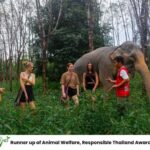
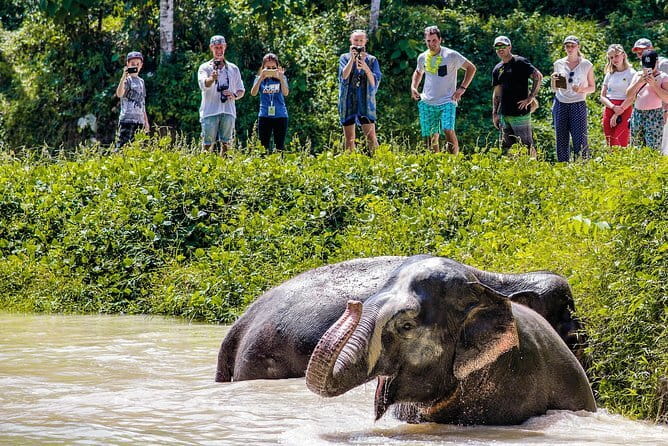
Elephants doing normal elephant things beats any staged show. At Bukit Elephant Park, you watch from a safe distance, feed them from a fenced area, and spend the rest of your half-day learning Thai culture. The biggest twist: this is a no-riding, no-bathing experience, built around welfare rules and quiet viewing.
Two things I really like here are the sanctuary-style setup and how much Thailand you pack in besides the elephants. You’ll get Thai cooking time (including coconut milk) plus a look at rubber tapping and rubber sheet making. One possible drawback is that “interaction” is limited by design, so if you’re expecting lots of up-close touching, this will feel more like observing and feeding than hanging out face-to-face.
In This Review
- Elephant Nature Experience with Lunch at Bukit Elephant Park: what you should know fast
- Bukit Elephant Park keeps elephants moving and visitors quiet
- Your half-day timing: 09:00–12:30 or 14:00–17:00
- Entering the elephant area: what “safe distance” really means
- Feeding and education: mahouts, rules, and why it feels respectful
- Thai culture section: coconut milk, Thai cooking demo, and rubber traditions
- Coconut milk and Thai food cooking
- Rubber tapping and rubber sheet making
- Lunch buffet: what’s included and how to get it to suit you
- Price and value: is $87.61 worth it?
- Small group energy: why max 25 people helps
- Rain, photos, and comfort tips that matter here
- Who should book this, and who might want a different elephant day?
- Should you book Bukit Elephant Park’s Elephant Nature Experience with Lunch?
- FAQ
- What activities are included with the elephant part?
- Do they offer elephant riding or bathing?
- What times does the tour run?
- Is lunch included, and can I request vegetarian food?
- What else is included in the price besides lunch?
- Are there any extra transfer fees?
- What is not included?
- What is the maximum group size?
- Is there free cancellation?
Elephant Nature Experience with Lunch at Bukit Elephant Park: what you should know fast
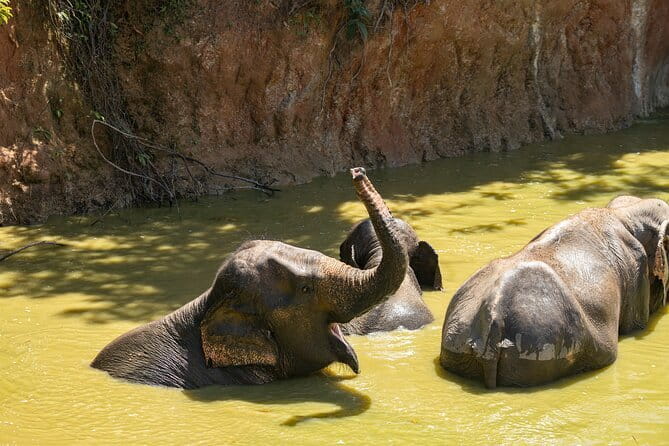
A short visit, big meaning. This is a guided half-day in Phuket where you learn elephant habits and Thai traditions in one smooth block. It runs about 3 hours, with morning and afternoon options.
If you’re sensitive to animal-welfare issues, the rules matter. Elephant riding and bathing aren’t offered, elephants aren’t disturbed while they walk freely, and there’s a no-loud-noise policy (plus no drones and no flash photos).
Key points I’d plan around:
- No riding or bathing: you’re here for viewing, feeding, and education, not tricks.
- Feeding from a fenced safe area: guides and mahouts stay close while you feed correctly.
- Thai culture isn’t an add-on: coconut milk making, Thai food cooking demo, rubber tapping, and rubber sheet making.
- Lunch is included: a post-tour Thai buffet with a vegetarian request option.
- A small group size: capped at 25 people, which helps keep the flow calmer.
- Rain-ready gear provided: boots/welly during rainy season plus an umbrella.
Bukit Elephant Park keeps elephants moving and visitors quiet
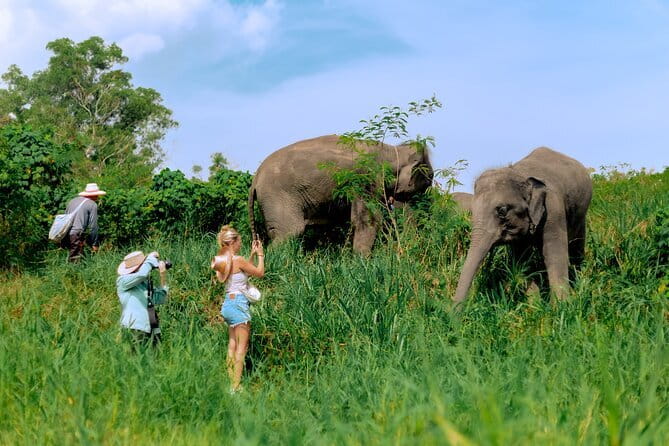
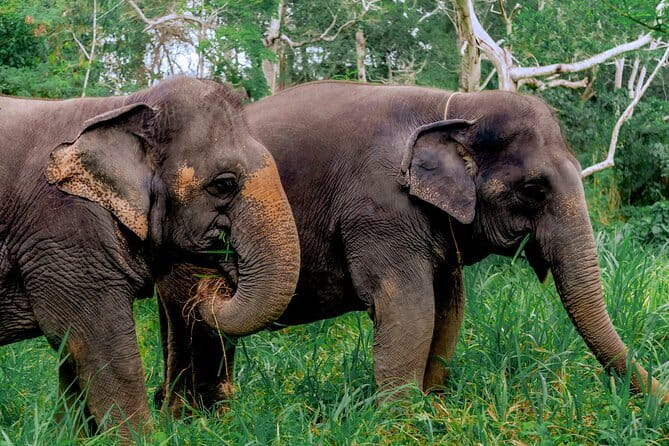
This tour is built around the idea that elephants should be elephants. The park setting is meant to be peaceful, with elephants allowed to walk freely instead of being controlled or pressured by crowds. You’ll observe natural behaviors from a distance while the guide and mahouts manage safety.
And yes, the elephant activities are intentionally restrained. You won’t do elephant riding or bathing. That single decision shapes the whole experience: less thrill, more context. You get to learn how mahouts and staff care for elephants without cruelty, and you’ll be reminded that violence of any kind is not allowed.
It also helps that the park enforces practical “respect the animals” rules:
- No drones
- No flash photography
- No loud noises
If you like animal experiences that feel calm and structured (and not like a circus), you’ll probably enjoy the pace.
A few more Phuket tours and experiences worth a look

Your half-day timing: 09:00–12:30 or 14:00–17:00
You choose either the morning session (about 09:00–12:30) or the afternoon session (about 14:00–17:00). The tour itself is listed at around 3 hours, then lunch happens after the tour.
It’s paired with an air-conditioned vehicle for getting you to and from Bukit Elephant Park. Group size is capped at 25, so the day doesn’t feel like a production line.
The schedule rhythm is straightforward:
- Welcome drinks before you start (coffee and/or tea)
- Elephant time with a guide and mahouts
- Thai culture demonstrations and hands-on cooking session
- Lunch buffet after the tour
That pacing is useful in Phuket, where heat can make long days harder than they should be. This one is short enough that you still have energy left for beach time or a night market.
Entering the elephant area: what “safe distance” really means
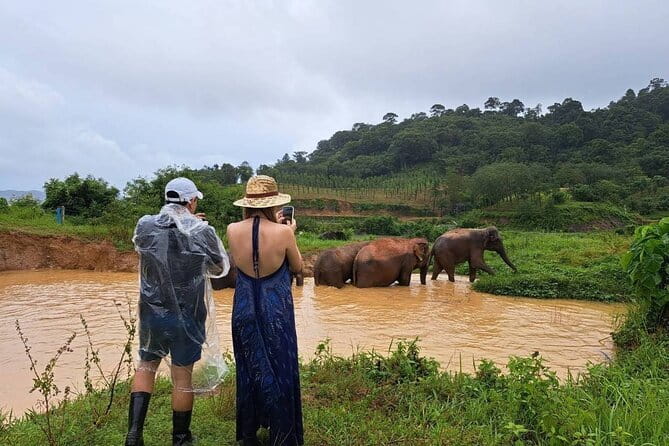
Your elephant portion is designed around safe feeding and supervised learning. You’ll feed the elephants from designated areas with a fence between visitors and elephants. Guides and mahouts stay close to make sure you feed correctly and follow the safety rules.
This matters because it shifts the moment from “look at me feeding an elephant” to “learn how to feed responsibly.” You’re guided step-by-step on what to do and where to stand.
What you can expect in practice:
- You’ll learn elephant history and habits as you walk
- You’ll feed in a controlled way from the safe fenced area
- You’ll likely take photos without getting in anyone’s space (and you’ll avoid flash)
One gentle warning: interaction is limited by design. The distance and fencing are part of the welfare model, so don’t treat this as an up-close cuddle tour. If you want maximum elephant contact, pick a different style of experience. If you want a more ethical, calmer day, this fits.
Feeding and education: mahouts, rules, and why it feels respectful
The biggest “feel” of this tour comes from how the elephants are handled and how the group is managed. There’s an emphasis on safety and sanitization, and the park specifically avoids any cruelty. The elephants walk freely, and the staff keeps the environment quiet—no shouting, no crowding.
You also get elephant context rather than just animal sightings. The guide explains behaviors and routines while you move through the sanctuary area. That turns “elephant viewing” into learning you can actually use when you see elephants elsewhere in Thailand.
And I like that the staff keeps the moral math simple: if feeding is allowed, it’s done safely. If riding and bathing aren’t offered, you don’t get a guilt-free alternative that still treats elephants like tools.
Thai culture section: coconut milk, Thai cooking demo, and rubber traditions
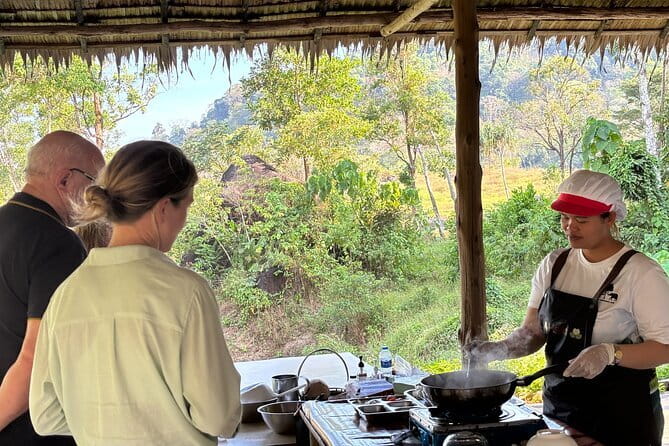
After the elephant portion, the tour shifts gears into Thai culture in a way that’s genuinely useful. You’ll do a coconut milk and Thai cooking segment, and you’ll also see rubber-related demonstrations.



Coconut milk and Thai food cooking
This is the part many people remember because it’s hands-on in the most practical way. You’ll learn about coconut milk and then join a Thai food cooking session. Even if you’re not a kitchen person, watching a demo is different when you can taste and compare what you made.
The lunch buffet that follows also matters here. You’ll eat after the cooking portion, which means the flavors and ingredients you learned aren’t just a lecture—they show up on your plate.
Rubber tapping and rubber sheet making
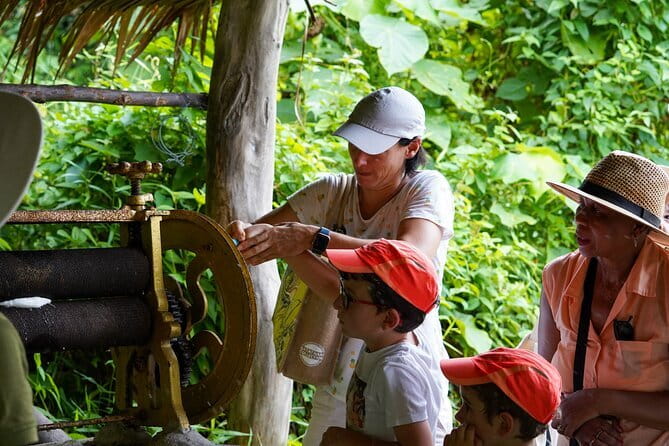
Phuket isn’t only beaches. These demonstrations add a slice of everyday Thailand that most visitors miss. You’ll see rubber tapping and the rubber sheet making process.
Even if you don’t plan to buy rubber products, the point is understanding how local materials are turned into everyday goods. It’s a calmer, less touristy kind of “culture stop,” and it breaks up the animal focus nicely.
Lunch buffet: what’s included and how to get it to suit you
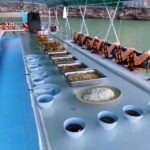
Lunch is included, and it’s a proper buffet meal after the tour. You’ll have a lunch buffet plus bottled water (one bottle per person).
Two practical details:
- You can request vegetarian food.
- You’re eating after the Thai cooking session, so the meal feels connected—not random.
From what I see in how this tour is designed, lunch is part of the value. It’s not just a snack so you can “power through.” It’s positioned as the payoff after elephant and culture activities.
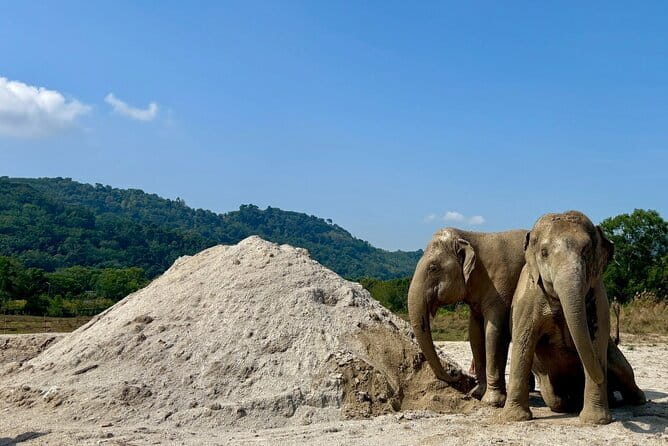
Also, you’ll enjoy lunch with a view of the elephant habitat area. That’s not guaranteed to be dramatic every day (weather happens), but the setting is built for it.
Price and value: is $87.61 worth it?
At $87.61 per person, you’re paying for a short, guided half-day with multiple parts bundled together. What you get for the money is the key.
Included items:
- Coffee and/or tea welcoming drinks
- Lunch buffet meal after the tour (vegetarian request available)
- Bottled water (one per person)
- Air-conditioned vehicle
- Accidental insurance
- Food for elephants
- Umbrella
- Gumboot/welly during rainy season
- Guide
Not included:
- Tips
- Extra transfer charges from certain beaches: 250 THB/adult and 150 THB/child from Mai Khao, Naiyang, Naiton, and Layan Beach
So is it value? For most people, yes, if you want more than a basic “elephant photos” stop. You’re paying for:
- Sanctuary-style elephant time (with welfare rules)
- Multiple Thai culture demonstrations
- A full lunch
- Ground transport and basic gear for weather
If you’re just hunting for elephants and you don’t care about Thai cooking or rubber demonstrations, then it may feel like more structured time than you want. But if you like learning and tasting your way through a place, it’s a solid package.
Small group energy: why max 25 people helps
A lot of half-day tours in Phuket run like clockwork, and you end up feeling rushed. This one has a cap of 25 travelers, which usually makes the guide’s job easier and the elephant area calmer.
That smaller group also supports the “quiet park rules.” If you’ve ever been in a place where everyone talks over the guide, you’ll appreciate a setup that tries to prevent that.
Rain, photos, and comfort tips that matter here
This tour is straightforward, but a few small things will keep your experience smoother.
Do this:
- Wear closed-toe shoes good for walking
- Bring lightweight layers; you’ll be in sun and then in shaded activity areas
- If it’s rainy season, count on gumboots/welly and an umbrella being provided
Don’t do this:
- Avoid flash photography
- Don’t plan drone footage
Also, since the park is asking for quiet, treat it like a library, not a concert. Your photos will still come out better, because you won’t be trying to shoot while waving your arms and bouncing around.
Who should book this, and who might want a different elephant day?
This tour makes sense for you if:
- You want an ethical elephant experience without riding or bathing
- You like learning as you go (elephant habits + Thai culture)
- You want a half-day that ends with a proper meal
- You’re traveling with kids who do better with calm structure than with loud attractions
It might not be ideal if:
- Your top priority is maximum up-close elephant interaction
- You’re going specifically for the thrill of riding or bathing (those are not offered here)
If you want elephants as living animals in a sanctuary environment, this tour matches that mood. If you want hands-on contact at every step, you may feel the fences and distance more than you expect.
Should you book Bukit Elephant Park’s Elephant Nature Experience with Lunch?
I’d book it if you want a respectful elephant day that doesn’t steal the spotlight from Thai culture. The combination of fenced safe feeding, guide-led education, Thai cooking/coconut milk, and lunch is a strong value for a short stay in Phuket.
Skip it if your idea of the perfect elephant encounter is lots of physical contact or riding-style activities. This is designed to be the opposite of that.
If you go, go for the calm. Listen to the guide, follow the rules, and let the day be less about selfies and more about understanding how elephants are cared for.
FAQ
What activities are included with the elephant part?
You’ll observe elephants from a distance with instructions from the guide and mahouts. You’ll also feed elephants in a safe feeding area with a fence between visitors and elephants.
Do they offer elephant riding or bathing?
No. Elephant riding and bathing activities are not offered.
What times does the tour run?
The tour runs in two sessions: 09.00–12.30 and 14.00–17.00.
Is lunch included, and can I request vegetarian food?
Yes. A lunch buffet meal is included after the tour, and you can request vegetarian food.
What else is included in the price besides lunch?
The price includes coffee and/or tea before the start, bottled water (one per person), an air-conditioned vehicle, accidental insurance, food for elephants, an umbrella, gumboot/welly during rainy season, and a guide.
Are there any extra transfer fees?
Yes, extra transfer charges may apply from Mai Khao, Naiyang, Naiton, and Layan Beach: 250 THB per adult and 150 THB per child.
What is not included?
Tips are not included, and the transfer charges mentioned for certain beaches are not included.
What is the maximum group size?
The maximum group size is 25 travelers.
Is there free cancellation?
Yes, free cancellation is available. You can cancel up to 24 hours in advance for a full refund.