REVIEW · KO LIPE
Learn to scuba dive with professional instructors – 3 days
Book on Viator →Operated by KO LIPE DIVING · Bookable on Viator
Your first certification starts on Ko Lipe. This 3-day Open Water course pairs you with professionals and tight small classes for real hands-on practice. I like the strict 4-student max per instructor (often 2 students), plus the included equipment and lunch. One thing to plan for: you’ll still owe the local national park sea-fee on site.
You’ll earn a PADI or SSI Open Water license that lets you do scuba outings to 18 meters with another certified scuba participant. I also like that the school starts courses every day, so you’re not stuck waiting for a weekly schedule. Just remember this experience needs good weather, and if the sea conditions are poor, plans can shift.
You meet at 7:00 am at the Ko Lipe scuba school, 348 Moo 7 Walking Street (Ko Tarutao area), then you’re finished back at the same spot. It’s a private setup for your group, and that matters when you’re learning something as precise as scuba skills.
In This Review
- Key highlights before you go
- PADI or SSI Open Water in Ko Lipe: what the certification really gives you
- Small groups and pro coaching: Kailey and Addie’s teaching style matters
- Your 3-day rhythm on Ko Lipe: mornings, gear fitting, and steady skill practice
- What’s included in the price (and what you’ll pay after you arrive)
- Where to meet and how the private-group setup feels in real life
- Safety, paperwork, and why the ratio is the real benefit
- Who this course suits best (and who should think twice)
- Should you book this Ko Lipe Open Water course?
- FAQ
- How long is the Open Water course?
- What certification do I get?
- How deep can the license take you?
- Are group sizes small?
- What’s included in the price?
- What fees are not included?
- Where do we meet and when?
- Is it a private experience?
- What if weather is poor or I need to cancel?
Key highlights before you go
- PADI or SSI Open Water credential with a worldwide max depth of 18 meters
- Tiny ratios: up to 4 students per instructor, with many sessions running around 2
- Pro-led training focused on more time to practice and more direct attention
- Equipment and certification fees included, plus lunch and coffee or tea
- Real instructors with names mentioned by previous students, including Kailey and Addie
- You’ll budget extra local fees for the national park sea-site permit and insurance
PADI or SSI Open Water in Ko Lipe: what the certification really gives you
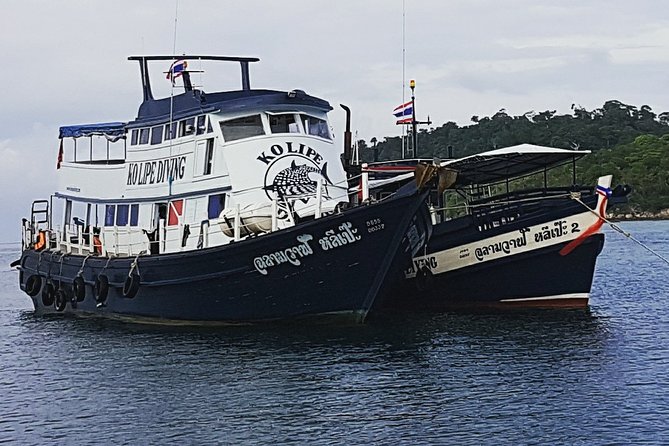
The Open Water course is the first real step into scuba. You finish with a license that’s recognized internationally through PADI or SSI, and that license is designed for “real world” use after you leave Ko Lipe.
The depth limit is clear: you can go to 18 meters. You also need to go with another certified scuba participant, not solo. That partner rule sounds simple, but it changes how you plan future trips. You’ll want to match your certification with a buddy, whether that’s a friend back home or a guide at your next destination.
What I like about earning a real certification (instead of just a one-day try-out) is how it changes your confidence. You’re learning the skills and judgment that let you participate safely, not just experience the scenery. On a small island like Ko Lipe, that “learn here, use anywhere” value feels practical.
Also, you’re not forced into a one-size-fits-all experience. Courses start every day, so you can often fit the timing around your Ko Lipe stay rather than reshuffling your whole itinerary.
You can also read our reviews of more scuba diving tours in Ko Lipe
Small groups and pro coaching: Kailey and Addie’s teaching style matters
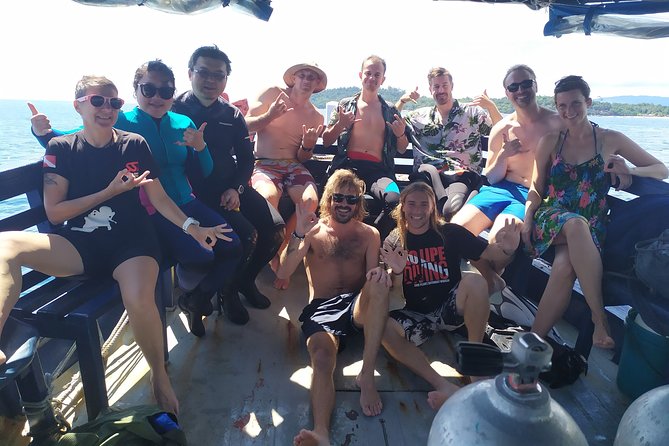
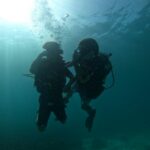
This course runs with professional instructors and a strong focus on safety. The big practical advantage is the group size. The program limits classes to a maximum of 4 students per instructor, and it’s often even smaller, averaging around 2 students per instructor.
That ratio isn’t just a “nice to have.” When you’re learning buoyancy, gear setup, and calm decision-making underwater, you don’t want to wait your turn. Smaller groups mean you get more time to repeat skills and more direct feedback while things are still fresh in your mind.
From previous student comments, the staff comes across as responsive and organized. People also highlight clean, well maintained gear, and they mention that the instructors don’t push extra add-ons. That matters because your goal is to finish the certification comfortably, not to feel pressured to buy more water time just to justify the price.
Two instructor names come up repeatedly: Kailey and Addie. What you can take from that, even if you’re not learning with them, is that the school puts real effort into who’s standing next to you during training. When you’re brand new, the instructor’s clarity and patience is the difference between “I get it” and “I’m just trying not to panic.”
And yes, the school also supports younger learners and family groups. One set of comments specifically mentioned getting a 10-year-old through Junior Open Water training. If you’re traveling with kids, that’s a sign the staff is used to different pace levels and learning needs.
Your 3-day rhythm on Ko Lipe: mornings, gear fitting, and steady skill practice
This course normally takes about 3 days to complete. The school starts courses every day, so you’re joining one of those daily schedule blocks.
Your day begins at 7:00 am at the meeting point. That early start matters for two reasons. First, morning conditions can be calmer for water training. Second, you’ll keep the day from dragging, which helps when your brain is doing a lot of new learning.
Equipment is included. You won’t need to hunt around Ko Lipe for a mask, fins, and all the gear that makes scuba work. That also reduces one common beginner headache: using the right gear from the start. When the course provides the equipment, it’s matched to training needs and maintained for safety.
You’ll also get lunch, plus coffee or tea. Those small inclusions matter more than they seem. Between theory and hands-on time, you’re likely to work up an appetite, and having meals handled lets you focus instead of budgeting every break.
The overall structure is about progression. The course emphasizes practice time, and with small groups you should feel like you’re not just watching from the sidelines. You’re building competence step-by-step so you can meet the certification requirements, not just “get through the day.”
One practical note: the experience requires good weather. That doesn’t mean you should assume cancellations, but you should plan your Ko Lipe stay with flexibility. If weather causes adjustments, it’s better to have a little breathing room than to lock in a boat tour right over your course window.
What’s included in the price (and what you’ll pay after you arrive)
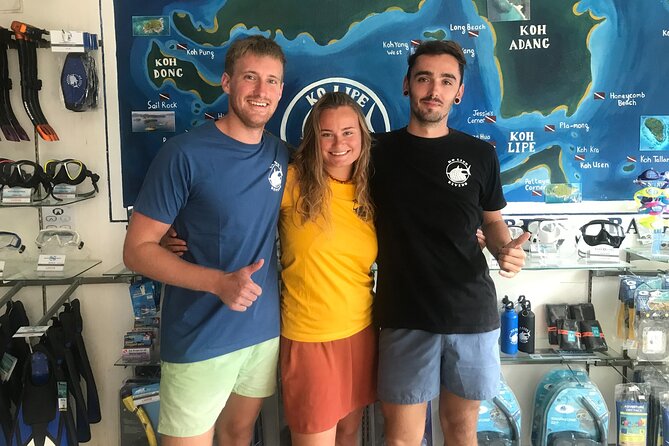
The listed price is $499.79 per person for the 3-day Open Water course. For that money, you’re getting real training time plus several cost items that many competitors charge separately.
Included:
- Use of scuba equipment
- Diving license fee for PADI or SSI
- Lunch
- Coffee and/or tea
Not included:
- All fees and taxes
- National park sea-site ticket: 200 THB
- National park insurance for the activities: 70 THB
Here’s how I think about the value. If you price out equipment rental and a certification fee separately, the base cost starts to look more reasonable. In beginner training, gear quality and consistency are also not “small details.” You want equipment that fits well and is clean and maintained so you can practice without constant distractions.
The extra national park fees are the one part you must budget. 200 THB plus 70 THB is not a dealbreaker, but it’s enough that you shouldn’t show up expecting everything to be fully included. Add those to your mental total and you’ll feel much calmer.
Also, the price is for the course itself, not for endless optional outings. One of the strongest points from feedback is that there’s no pressure to book extra add-ons. That suggests you can finish your certification at your pace without getting squeezed for more purchases.
Where to meet and how the private-group setup feels in real life
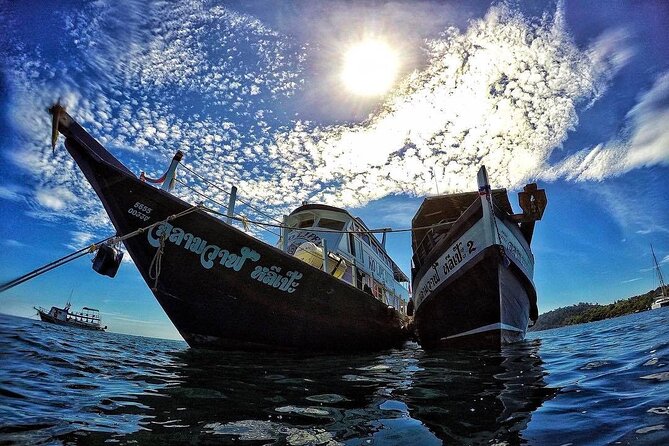
You meet at 348 Moo 7 Walking Street, in the Ko Tarutao area of Mueang Satun, at the Ko Lipe scuba school. Start time is 7:00 am, and the activity ends back at the same meeting point.
It’s also described as a private tour/activity. In plain terms, you won’t be mixed into a giant crowd with random people. Even with the course’s instructor ratio rules, private-group dynamics tend to mean fewer logistics headaches and more focused attention.
You should also know this location is listed as near public transportation. On an island, that can mean easier movement between your hotel and the school, especially if you’re not sure where everything is yet.
One more practical advantage: courses start each day. That matters because Ko Lipe can be a “tight schedule” destination. You’ll likely be hopping between beaches and boat days, so having daily course start times reduces stress.
If you’re the type who hates waiting, the daily cadence is a win.

Safety, paperwork, and why the ratio is the real benefit
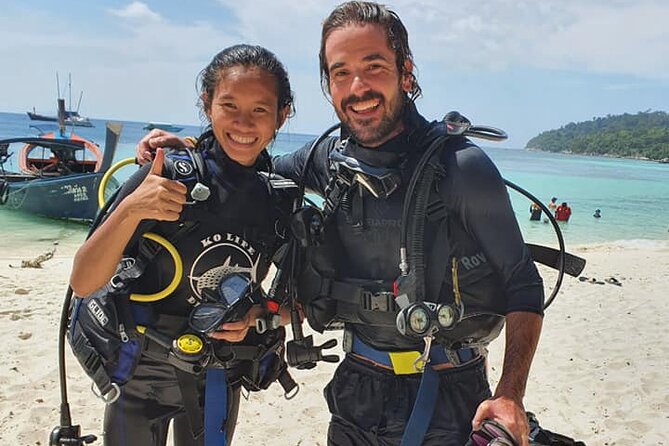
You’ll see “safety” emphasized, and the school backs it up with measurable constraints: small group sizes and instructor attention. A max of 4 students per instructor is already a strong standard. The average around 2 students per instructor is where you feel the difference.
More attention means quicker feedback on gear setup, body position, and calm communication. It also means fewer moments where you’re guessing what you should be doing while everyone else waits. In training, that kind of “not wondering” is a big stress reducer.
You also get the license fee included for PADI or SSI. Paperwork can be boring, but it’s important. By bundling the certification fee into the course price, you avoid the awkward feeling of a “gotcha” payment at the end.
Finally, there’s the weather factor again. The experience requires good weather, and if it gets canceled due to poor conditions, you should expect an alternative date or a full refund. That’s not something you can control, but it’s something you can plan around.
Who this course suits best (and who should think twice)
This is aimed at people who want a real scuba credential, not just a one-off experience. If you’ve never done scuba before, an Open Water course is the correct entry point, because it’s built to take you from beginner to licensed.
You’ll probably love this if you value:
- Small groups and hands-on feedback
- A clear worldwide credential, with a depth cap of 18 meters
- Included equipment so you don’t spend time hunting for rentals
You might think twice if:
- You’re allergic to early mornings. The start is 7:00 am.
- You don’t have room in your schedule for weather changes.
- You dislike paying add-on fees on site. The national park sea-site ticket and insurance are not included.
If you’re traveling as a couple or small group, the private-group feel and instructor ratio are especially attractive. If you’re traveling with family, the school’s experience with Junior Open Water suggests they can handle mixed learning needs, though your exact program will still be the standard Open Water course for adults.
Should you book this Ko Lipe Open Water course?
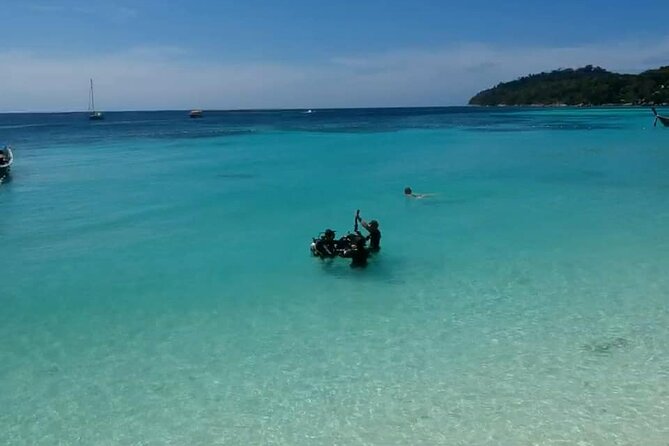
Book it if you want a legit PADI or SSI Open Water license and you care about getting enough instructor attention to learn confidently. The small ratio (often around 2 students per instructor) is the standout value, and the included equipment and lunch reduce the usual beginner cost pile-up.
I’d hold off or at least plan carefully if your Ko Lipe days are already tightly packed and you can’t absorb potential weather-driven schedule shifts. Also, budget for the national park fees (200 THB ticket and 70 THB insurance for the sea activities) so there are no surprise moments.
If you want the most practical path to future scuba trips, this is a strong choice.
FAQ
How long is the Open Water course?
It normally takes about 3 days to complete.
What certification do I get?
You receive a PADI or SSI Open Water license (the license fee is included).
How deep can the license take you?
The license allows scuba outings to a maximum depth of 18 meters.
Are group sizes small?
Yes. Groups are limited to a maximum of 4 students per instructor, and they average around 2 students per instructor.
What’s included in the price?
Included are use of scuba equipment, the diving license fee (PADI or SSI), lunch, and coffee and/or tea.
What fees are not included?
You’ll need to pay the national park sea-site ticket (200 THB) and national park insurance for the activities (70 THB). All fees and taxes are also not included.
Where do we meet and when?
Meet at Ko Lipe scuba school at 348 Moo 7 Walking Street (Ko Tarutao area), with a start time of 7:00 am.
Is it a private experience?
Yes. Only your group participates.
What if weather is poor or I need to cancel?
This experience requires good weather. If it’s canceled due to poor weather, you’ll be offered a different date or a full refund. You can cancel for free up to 24 hours in advance for a full refund.