REVIEW · THAILAND
Chiang Mai: 1-Day Jungle Trekking in the Doi Inthanon Area
Book on GetYourGuide →Operated by Shiny Chiangmai Tour · Bookable on GetYourGuide
Waterfalls make this jungle day worth it. I like the way the walk mixes jungle with open farmland and mountain views, then sends you onward toward a Karen village where you can see daily life firsthand. The day also includes a water break with a swim, which helps you reset after hiking. One caution: wildlife sightings are never guaranteed, and the village visit can be quieter than you expect.
You’ll start early, ride out of Chiang Mai, and then spend about 5–6 hours on the trail inside an 11-hour day. I also appreciate that lunch is handled, the guide keeps the route moving, and the pace is structured around stops instead of random trudging.
If you’re the type who wants a gentle day, this is not it. The trek involves real walking, plus you’ll want swim-ready gear for the waterfall time.
In This Review
- Key points before you go
- Price and what you’re really paying for
- Getting picked up in Chiang Mai and the early market stop
- Mae Win direction: the guided jungle hike starts with farmland views
- Karen village visit: culture, daily life, and flexibility
- Waterfalls and lunch: the reset your legs will thank you for
- Afternoon trekking: more waterfalls, a second village, and time to notice birds
- Total walking time and pacing: how to plan your energy
- What to pack (and what actually matters on a waterfall day)
- Who this trek suits best
- Value check: is $58 a fair deal for Doi Inthanon-area trekking?
- Practical expectations that keep the day smooth
- Should you book this Chiang Mai 1-day jungle trekking?
- FAQ
- How long is the trek day?
- What’s included in the price?
- Where do you get picked up from?
- Is there a waterfall swim?
- How much walking is there?
- What should I bring?
- Is this tour suitable for everyone?
- Is there cancellation flexibility?
Key points before you go
- Jungle-to-farmland hiking with mountain scenery, not just forest sameness
- Karen hill tribe village visit focused on lived culture, not a performance
- Waterfall swim time plus lunch near the water so the day feels like an experience, not a commute
- Two village stops with more hiking in the afternoon and extra waterfall pauses
- Birds and wildflowers on the trail, but spotting depends on conditions
Price and what you’re really paying for
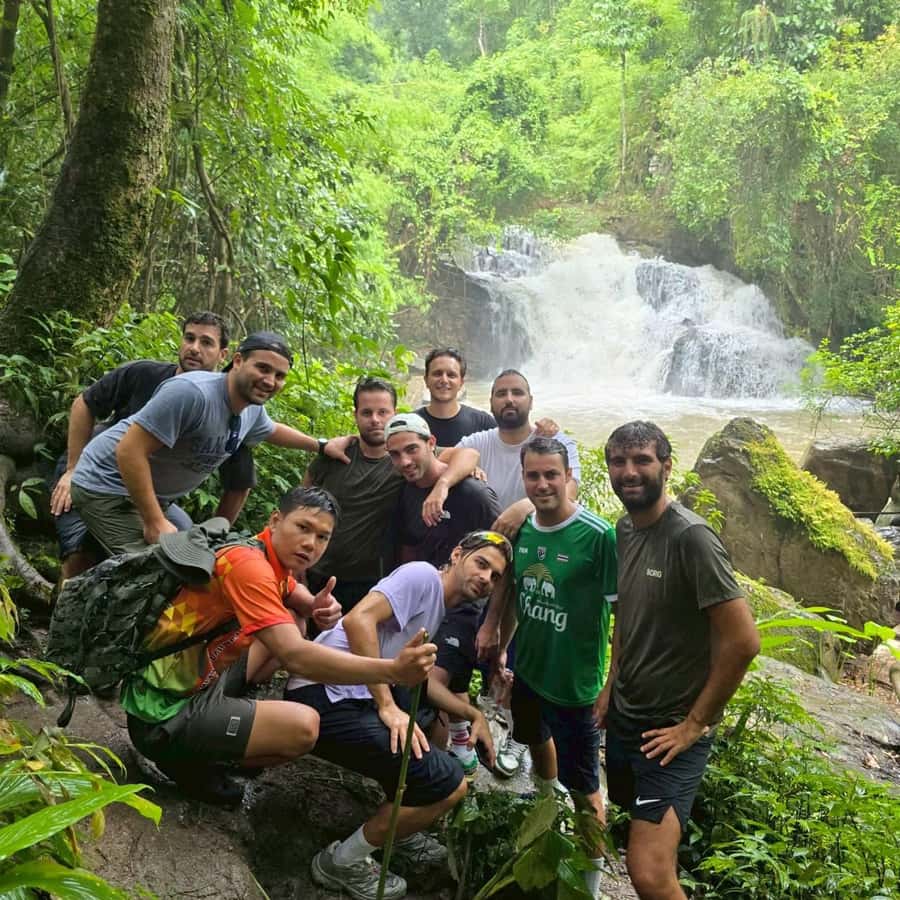
This trek costs $58 per person for an 11-hour outing with hotel pickup (within the old city walls), transport, a guide in English, lunch, and travel insurance. On paper, that price looks “midrange,” but the value comes from what’s included: you’re paying for a full day of logistics plus a local guide to lead the hiking, coordinate village visits, and get you to multiple waterfalls safely.
What you’re not paying extra for (based on what’s provided) is major equipment like meals. You’ll still cover your own snacks at the market stop if you want them, but lunch is included and timed so you’re not starving while soaking wet and muddy by accident.
You can also read our reviews of more hiking tours in Thailand
Getting picked up in Chiang Mai and the early market stop
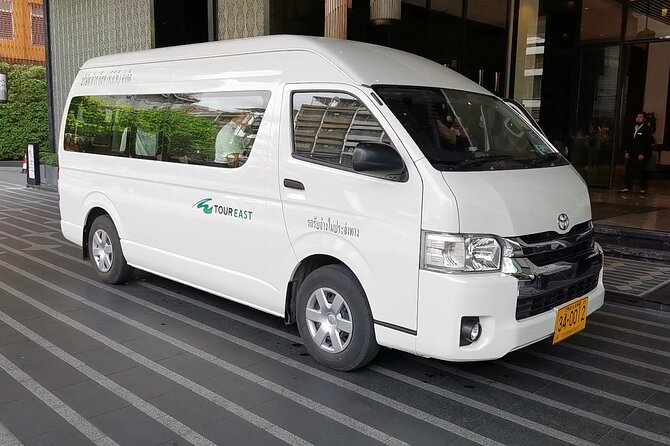
Most days start with pickup around 7:00–7:30 AM if you’re staying inside the old city walls. If you’re outside that area, pickup typically runs 7:15–7:50 AM. If the pickup slips later, you’re told to call, and if you’re outside the pickup zones you’ll meet at Wat Phra Singh or Maya Shopping Center.
Here’s why this matters: a day like this runs on weather and trail light. If you miss the pickup window, you can lose a chunk of the day before the real walking even begins.
Once you’re in the vehicle, you’ll drive south for about 40 minutes and stop at a local market. This is a practical break to buy snacks and beverages. You’ll also get a chance to top off water before trekking—especially helpful because you’ll be out in sun and insects later.
Mae Win direction: the guided jungle hike starts with farmland views
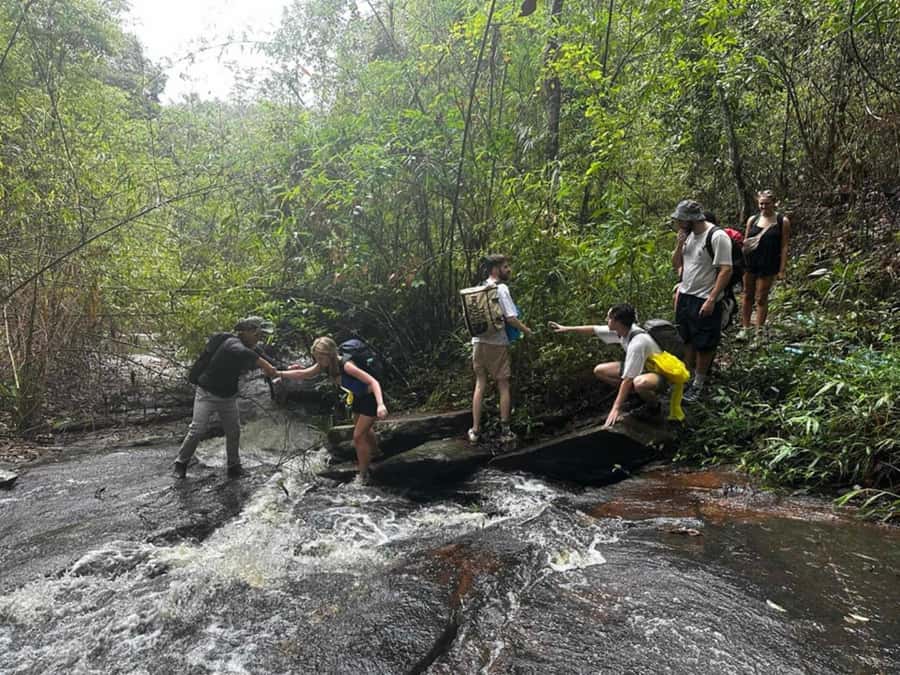
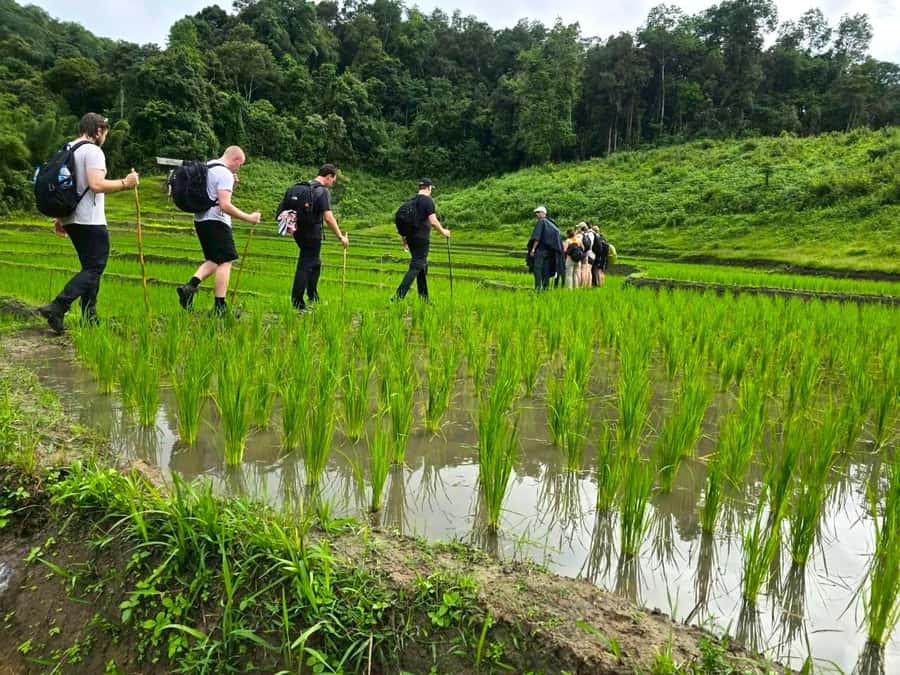
After the market stop, the route continues toward Mae Win District. Then the hike begins: a guided trek through the jungle alongside beautiful farmland, with mountain views that change the feel of the walk.
This mix is what I like most about this style of route. Pure jungle treks can feel the same mile after mile. Mixing in farmland means you get breaks in the scenery and more chances to understand how people live alongside the forest. You’re not just walking through a place; you’re moving through a lived region.
Expect the trail to be proper hiking. You’ll want comfortable sports shoes or hiking shoes, plus sunglasses and a hat. The sun and the undergrowth both matter here, and you’ll feel the day more if your footwear is wrong.
Karen village visit: culture, daily life, and flexibility
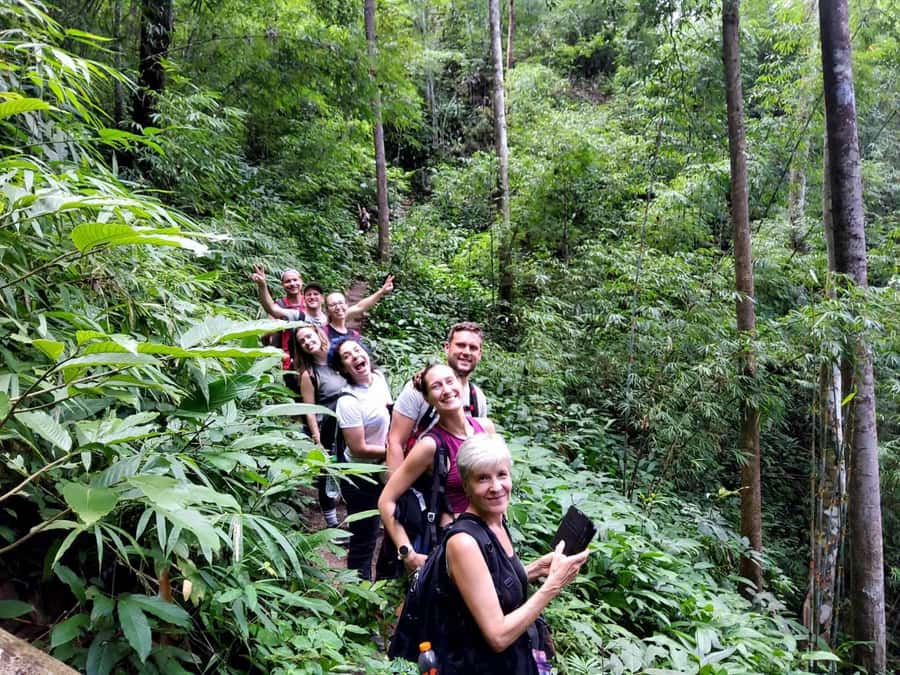
The hike leads to a Karen village, where you can experience hill tribe culture. This part is the “human scale” of the day. You’re not only seeing nature; you’re meeting people and learning about their way of life.
A key thing to keep in mind: village visits are not theme parks. Sometimes activity levels can be calm, and you might arrive during a quieter moment. That’s not necessarily bad; it’s often just real life. If you want lively performances, you may end up disappointed. If you’re open to observing daily rhythm and asking respectful questions, you’ll likely get more out of the visit.
If you’re trying to be a good visitor, keep your questions practical and your tone gentle. When you’re close to homes and community spaces, it helps to be extra mindful with your camera, your posture, and your volume.
Waterfalls and lunch: the reset your legs will thank you for
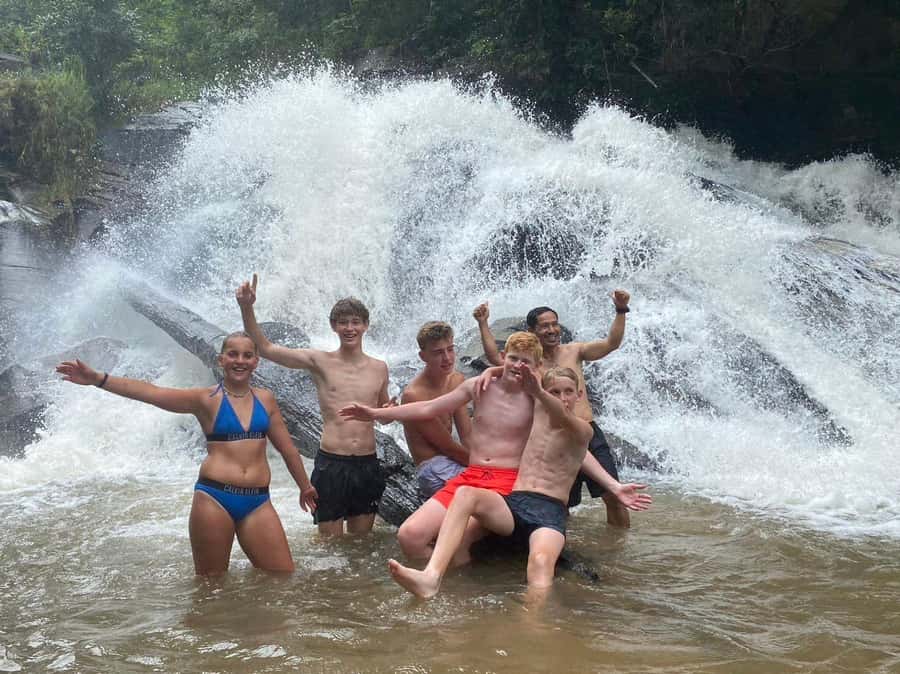
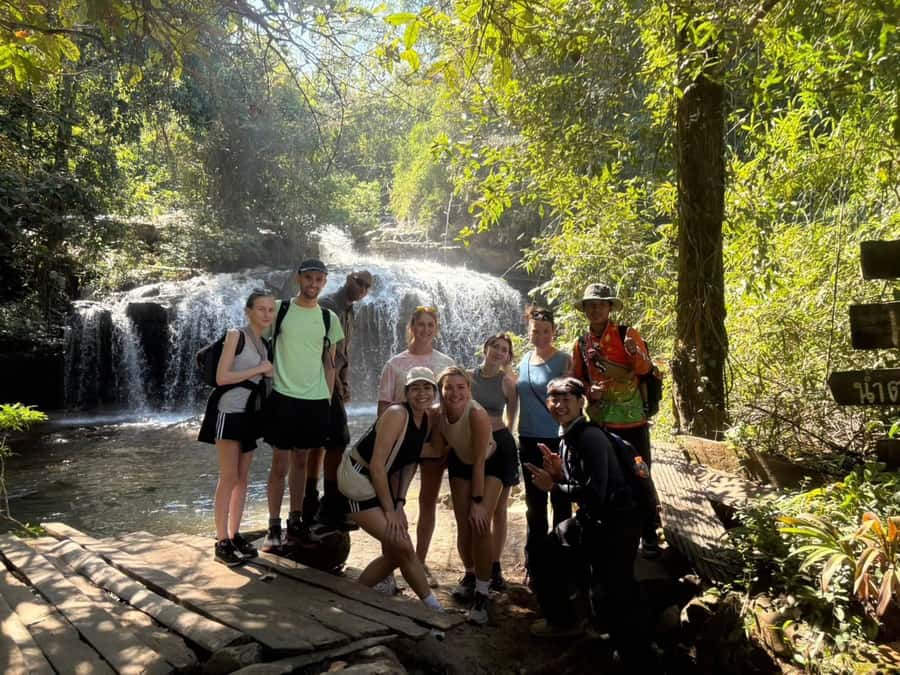
After the village stop, you’ll hike to a stunning waterfall. This is where the day shifts from effort to relief. The plan includes lunch near the waterfall, plus downtime to relax and swim.
That swim timing is smart. You’ll have already walked several hours, and then you get a chance to cool down and wash off trail dust. If you’ve packed the right gear, it becomes the highlight of the day instead of an awkward surprise.
Bring swimwear, a towel, and a change of clothes. The day is long, and you’ll feel better during the afternoon if you can switch out of damp hiking gear. Sunscreen also matters here—even if you’re near trees, reflections off water and open patches of sky can still burn you.
A few more Thailand tours and experiences worth a look


Afternoon trekking: more waterfalls, a second village, and time to notice birds
In the afternoon, the route continues hiking toward another hill tribe village. Along the way, you stop at three more waterfalls to refresh and relax your feet.
This is a huge reason the day stays enjoyable even when you’re tired. Instead of pushing continuously, you get repeated “micro-resets.” Those stops can be short, but they help you keep moving with less suffering. They also create natural photo breaks and moments to just breathe.
During the hike, you may see various birds and wildflowers. I’d treat this as a bonus rather than a promise. Still, the trail offers enough variety that you’ll likely notice more than just trees. Keep your eyes open when the guide pauses—this is when people often spot movement or color you’d miss if you’re only watching the ground for footing.
Total walking time and pacing: how to plan your energy
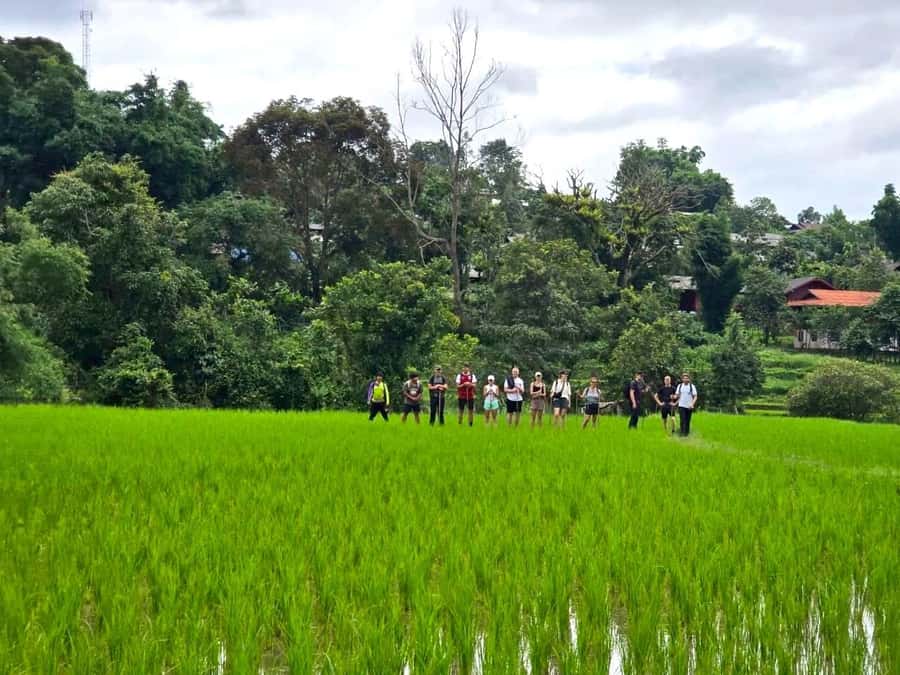
You’ll spend about 5–6 hours actively hiking inside an 11-hour day. That timing makes it feel like a full outing without being a punishing all-day slog. You’ll also have breaks for pickup timing, the market stop, village time, waterfall time, and lunch.
So plan to eat before you go, but don’t skip breakfast. The day moves early. Also plan for your body to feel it: bring insect repellent and expect bugs, especially near water.
If you’re a slow-paced hiker, this trek can still work if you’re comfortable with steady effort. The route is guided, and the stops are built in, but it’s not a casual stroll.
What to pack (and what actually matters on a waterfall day)
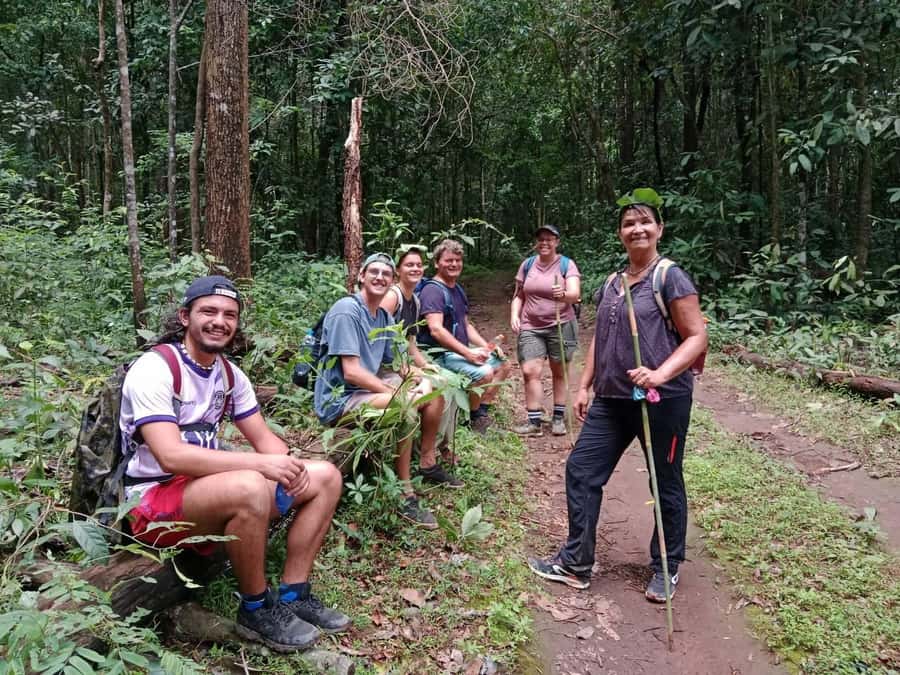
The provided packing list is right on target for this route. For me, these are the items that make or break the experience:
- Comfortable shoes / hiking shoes: you’ll want grip and ankle support for trail conditions
- Swimwear, towel, and change of clothes: waterfall time is part of the plan
- Sunscreen and a sun hat: you’ll be out long enough to matter
- Insect repellent: jungle + water stops = more bites risk
- Sunglasses: glare near open sky and water can be strong
- Rain jacket during the rainy season: conditions can shift fast
Also consider packing a small dry bag or waterproof pouch if you have one, so your phone and cash don’t get stressed whenever you’re near water.
Who this trek suits best
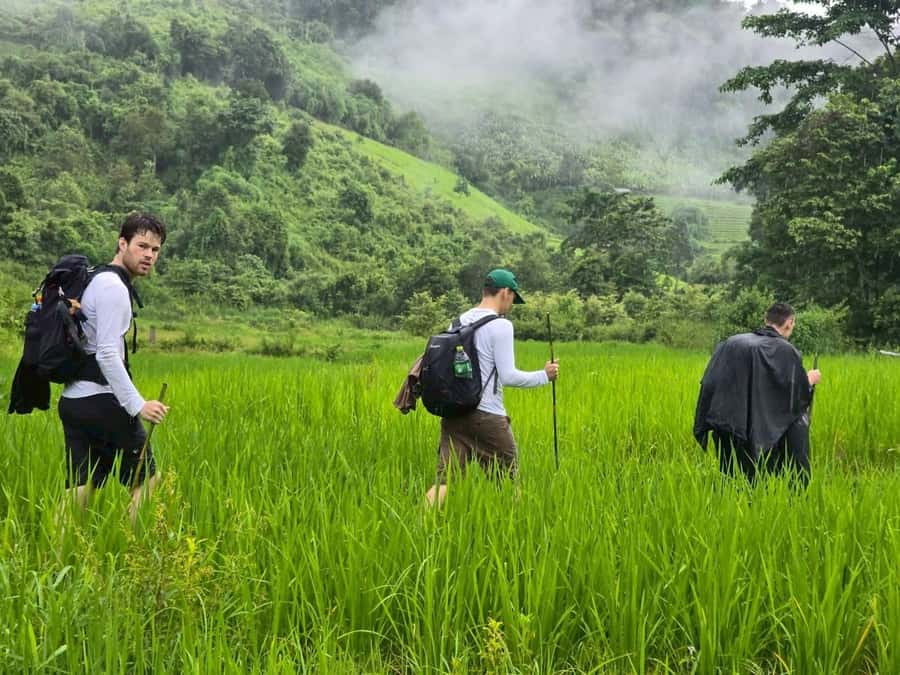
This day is best for people who want a balanced mix of nature, local culture, and active hiking without needing to plan anything beyond getting to the pickup point.
You’ll likely enjoy it if you:
- like guided walks with structured stops
- want more than a single waterfall and one short village glance
- are comfortable changing from “dry hiking mode” to “water mode” and back
- can handle long hours even if the total hiking is about 5–6 hours
It’s not suitable for pregnant women, wheelchair users, people with altitude sickness issues, or anyone over 70 years old based on the activity notes. Pets are also not allowed.
Value check: is $58 a fair deal for Doi Inthanon-area trekking?
For a day of this length, $58 is a reasonable value when you compare it to what it would cost you to DIY: transport out to the Doi Inthanon area region, a guide to handle village and route timing, lunch at a planned point, plus travel insurance included.
Where you’ll get value is in the structure. You’re not trying to stitch together multiple stops and then figure out how to get back before dark. The guide and transport take that friction away, and you spend your mental energy on the walking, the waterfalls, and the culture stop.
Where it might feel pricey is if you’re mostly after an easy nature walk or you don’t care about the village visit or swimming. This trek is built around those features.
Practical expectations that keep the day smooth
A few things to remember so you’re not surprised:
- The day is long even though active hiking is 5–6 hours.
- Waterfall time is planned, so treat swimming gear as essential, not optional.
- Wildlife and flowers are possible, not guaranteed.
- Village energy may vary; stay flexible and focused on observing and learning.
- Travel insurance is included, which is a small comfort when you’re hiking on a real trail.
Also, wear the clothes you can move in and then get damp. Jungle treks don’t usually reward outfits that you’re afraid to dirty.
Should you book this Chiang Mai 1-day jungle trekking?
I’d book it if you want a full day that mixes hiking, waterfall swimming, and real village contact in one pass, with pickup, transport, and lunch handled for you. It’s a solid choice for people who like guided structure and don’t mind getting wet.
Skip it if you’re chasing guaranteed wildlife sightings, want a very easy hike, or you fall into any of the “not suitable” categories listed by the activity notes. And if your ideal village visit is loud and event-like, be ready for the visit to feel calm.
If you’re prepared—shoes, repellent, swimwear, and a hat—this is the kind of day that makes Chiang Mai feel far from routine.
FAQ
How long is the trek day?
The total duration is about 11 hours, and the total hiking time is approximately 5–6 hours.
What’s included in the price?
Hotel pickup and drop-off within the old city walls, transportation, a guide (English), lunch, and travel insurance are included.
Where do you get picked up from?
Pickup is available from hotels within the old city walls (around 7:00–7:30 AM). Outside the old city walls, pickup is around 7:15–7:50 AM. If you’re outside the pickup areas, you meet at Wat Phra Singh or Maya Shopping Center.
Is there a waterfall swim?
Yes. The plan includes hiking to a waterfall, time to relax, and the opportunity to swim, with lunch near the waterfall.
How much walking is there?
You’ll hike for about 5–6 hours total during the day.
What should I bring?
Bring comfortable shoes, sunglasses, a sun hat, swimwear, a change of clothes, a towel, sunscreen, and insect repellent. In the rainy season, a rain jacket is recommended.
Is this tour suitable for everyone?
It’s not suitable for pregnant women, wheelchair users, people with altitude sickness, or people over 70. Pets are also not allowed.
Is there cancellation flexibility?
Free cancellation is available up to 24 hours in advance for a full refund.