REVIEW · BANGKOK
Bangkok: Michelin Guide Street Food Tour by Tuk Tuk
Book on Viator →Operated by Bigcountry Experience · Bookable on Viator
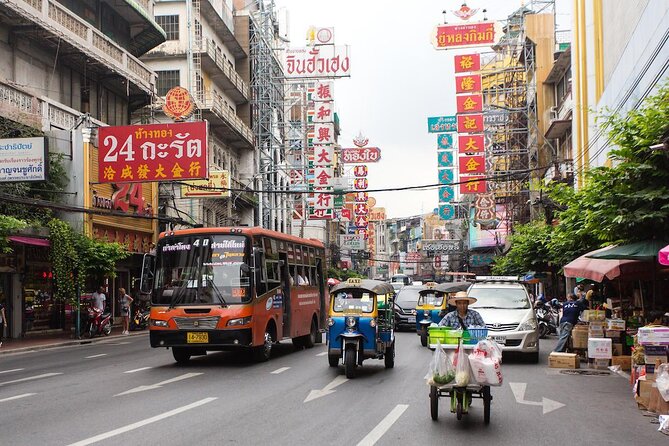
Chinatown changes after dark. This small-group tuk tuk food crawl takes you through Yaowarat with Michelin-recommended street stalls and just enough structure to keep you from getting lost in the crowd. You’ll snack your way across multiple stops, from classic fishball noodles to rolled rice noodle shapes that look like tiny cigars.
I love two things right away: the small group setup (up to 10) and the fact that you’re not doing it as a solo scavenger hunt. I also like that bottled water is included, because street-food evenings in Bangkok can add up fast.
One possible drawback to plan for: the dress code is listed as formal, and the meeting-to-departure stretch can take a little time before the tuk tuks start moving. If you’re tight on timing, build in a buffer and come ready to wait comfortably.
In This Review
- Key Highlights You’ll Feel Immediately
- Why This Bangkok Chinatown Tour Works Better Than DIY
- Where You Start: River City Bangkok and the Ride-Out Timing
- Stop 1: Lim Lao Now and Fishball Egg Noodles
- Stop 2 on Yaowarat: Following Michelin-Style Stall Choices
- Stop 3: Chinatown’s Origins You Can See While Walking
- Stop 4: Nai Ek Rolled Noodles and Crab Fried Rice with Lime-Chili
- How Much Food You Actually Get (And How to Plan Your Appetite)
- Group Size, Guides, and How the Tuk Tuks Change the Experience
- Price and Value: $48.88 for Convenience Plus Guided Eating
- Practical Tips Before You Go (So You Enjoy Every Stop)
- Who Should Book This Tuk Tuk Michelin Street Food Tour
- Should You Book It? My Honest Take
- FAQ
- What time does the tour start?
- How long is the experience?
- Where do I meet the guide?
- What’s the group size limit?
- What’s included in the price?
- Is food the only cost I should expect?
- Are admission fees included for each stop?
- What’s the dress code?
- FAQ
- Can I cancel for a full refund?
- What’s the best starting point if I want to continue exploring afterward?
Key Highlights You’ll Feel Immediately
- Small group size (max 10): easier pacing, more chances to ask questions, and less time getting squeezed in tight alleys.
- Tuk tuk between stops: you cover ground faster than walking and you get that classic Yaowarat night ride.
- Michelin Guide-style stall choices: you’re sent to specific places like Lim Lao Now and Nai Ek’s, not random food carts.
- Clear food targets: fish ball egg noodles, rolled-up rice noodles, crab fried rice (plus more along the way).
- Hydration included: bottled water is part of the tour so you’re not rationing drinks mid-meal.
- History built into the route: you walk through Chinatown’s origins, including its 1782 founding context and Teochew roots.
Why This Bangkok Chinatown Tour Works Better Than DIY
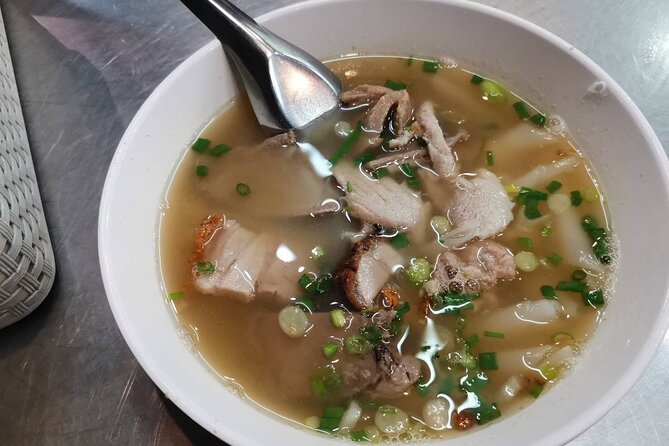
Bangkok’s Chinatown, especially along Yaowarat Road, can overwhelm you fast. The food options are so constant that it becomes hard to pick. This tour fixes that with two things: a guide who points you to specific stalls, and transport that keeps you moving even when the streets get crowded.
The tuk tuk part matters more than people expect. Walking is great in Chinatown, but at night the mix of pedestrians, motorbikes, and tight lanes slows you down. Here, you hop between zones so you spend less time crossing the city and more time actually eating. It also helps you see the area with fewer wrong turns—especially if you’re new to Bangkok.
And yes, Michelin-recommended street food can still be delicious even if you’re not chasing a “fancy” meal. Here it’s about the practical win: you get guided access to the places that locals line up for, not just the places that look photogenic.
You can also read our reviews of more food & drink experiences in Bangkok
Where You Start: River City Bangkok and the Ride-Out Timing
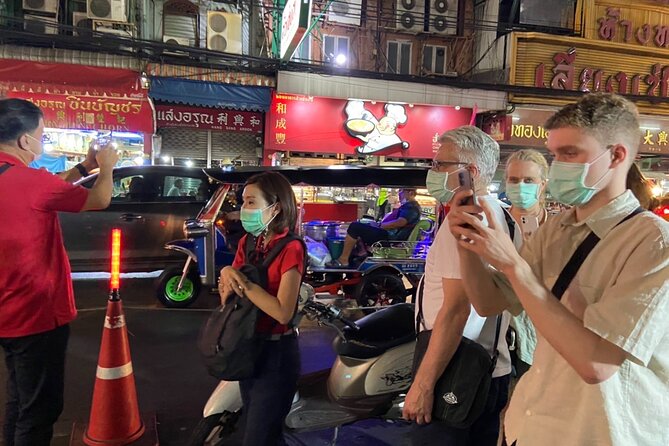
You start at River City Bangkok, in front of the River City Complex (Soi Charoen Krung 24). The tour begins at 5:30 pm and runs about 3 hours 30 minutes. That timing is smart for street food. You get the night energy without being stuck in the late-night lull.
From there, you meet your professional guide and then drive to the first Chinatown destination. The route is built around moving you efficiently between stops, which is why you’ll spend less time figuring out transport and more time following the food plan.
One small logistics note: at least one group experienced a slow start—around a 30-minute wait before the tour got going. I’d treat that as a “possible” rather than a guarantee, but if you have dinner plans later, give yourself some breathing room.
Also check the dress code. It’s listed as formal. Street food is casual by nature, but since your booking is set to formal, I’d plan on looking smart-casual (collared shirt or a neat top, clean shoes) rather than going fully athletic.
Stop 1: Lim Lao Now and Fishball Egg Noodles
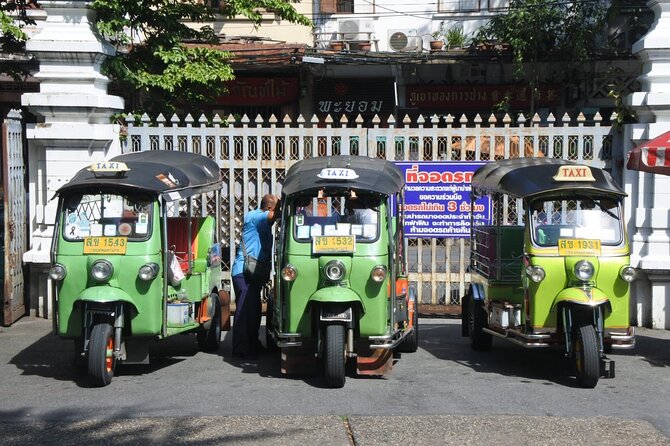
Your first meaningful food moment is at Lim Lao Now. You’ll taste a fishball egg noodle dish, and then you’ll move from there by walking down a narrow street toward Yaowarat Road.
This is a great starter stop because noodles are both filling and easy to understand. They’re also the kind of dish you can taste without needing a huge leap of faith. Even if you’re picky, fishball + egg noodles usually lands for most people.
Look for two things here:
- A place that’s busy for a reason. Lim Lao Now is chosen as your first target, so it’s not just a convenience stop.
- The transition moment. You’re not only eating—you’re also learning how to “read” the neighborhood. That narrow-street to main-road walk is where the Chinatown feeling clicks.
Stop 1 has an admission ticket listed as not included. Since the tour focuses on food rather than museum-style entry fees, think of this as a heads-up that not every stop is purely free-to-enter. In practice, you should expect food tastings to be part of your meal plan, with extra costs only if you choose to buy more.
Stop 2 on Yaowarat: Following Michelin-Style Stall Choices
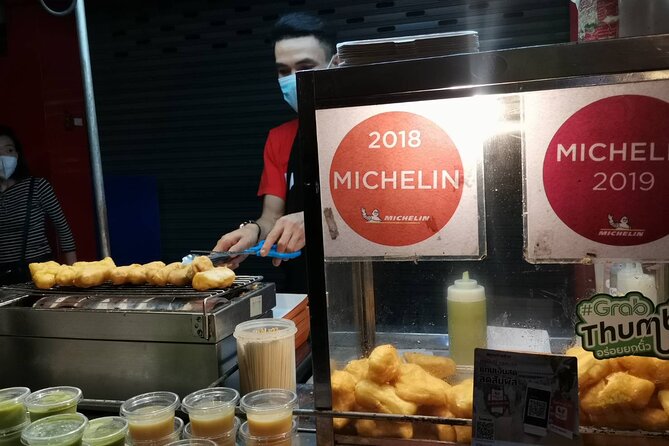
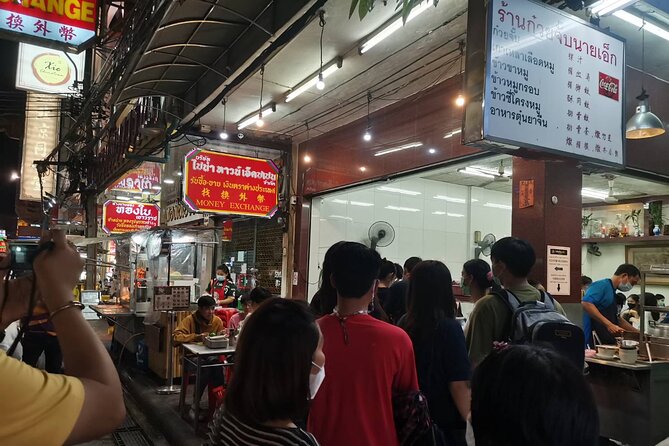
Next you’ll be in the Chinatown/Yaowarat area, and the tour shifts into a classic street-food format: guided movement, short explanations, then tastings at stalls recommended by the Michelin Guide.
This is where the tour earns its money. If you were doing it on your own, you’d face questions like:
- Which stall is worth lining up for?
- Who’s been serving the same dish for years?
- What’s actually a signature choice versus a random menu item?
With a guide, you get the why behind the what. The tour also includes a bit of history about the stalls, which helps you enjoy the food more. When you understand that these places have a reputation for specific dishes, the tasting feels less like luck and more like a planned sampling.
Stop 2 lists admission as free, so you should only worry about eating what’s offered (and how fast you can eat it).
Stop 3: Chinatown’s Origins You Can See While Walking
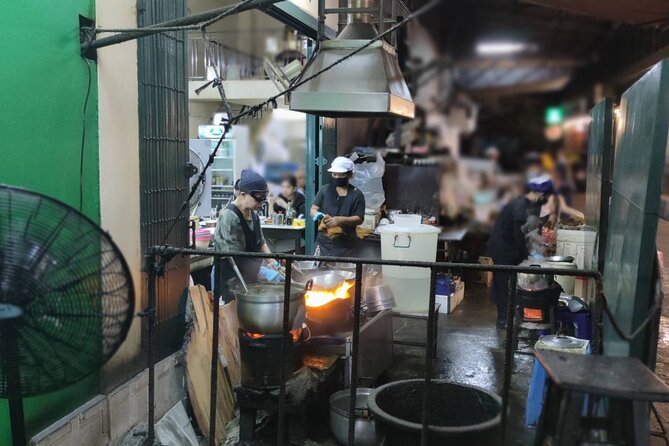
After eating and moving deeper through the area, you’ll spend time in Chinatown again, with context and walking. Chinatown is described as one of the largest in the world, founded in 1782 when Bangkok was established as the capital of the Rattanakosin Kingdom. It also notes that Chinatown served as the home of mainly Teochew Chinese communities.
This isn’t just trivia. Knowing that Teochew heritage shaped the area makes the food choices feel more coherent. Even if you don’t have the background, your guide can tie the dish types back to those roots—no lecture required, just enough context so the night makes sense.
Stop 3 lists admission as not included. Again, treat this as a heads-up that the tour includes walking and food rather than paid sightseeing attractions, and any extra entries (if they come up at all) would likely be your responsibility.
In this stretch, pay attention to the textures of the neighborhood: signage, ordering patterns, and how families and regulars move through. This is where the “street food tour” becomes a real cultural walk, not only an eating checklist.
A few more Bangkok tours and experiences worth a look
Stop 4: Nai Ek Rolled Noodles and Crab Fried Rice with Lime-Chili
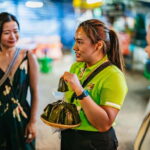
Stop 4 is the big finale-food segment. You’ll head to Nai Ek’s rolled noodles shop for a signature dish featuring thin, rolled-up rice noodles. The tour description notes they resemble mini-cigars.
Then you continue to another stop for crab fried rice, topped with lime and chilies in fish sauce. This pairing makes the end of the tour feel satisfying instead of repetitive. By the time you reach crab fried rice, you’ve usually already had a noodle dish, so the fried rice adds a different texture and flavor rhythm.
This is also a practical timing win. Rolled noodles can be delicate and easy to overeat if you’re too hungry at the start. Crab fried rice, on the other hand, is usually portioned in a way that helps you feel full without needing a second meal right after.
Stop 4 is listed as 1 hour and admission free, which is good news for your budgeting. You’ll spend more time here tasting and soaking up the last part of the Chinatown night.
How Much Food You Actually Get (And How to Plan Your Appetite)
This tour is structured as a food tasting dinner. The listing includes dinner food as part of the itinerary, and bottled water is provided. Extra food beyond what’s mentioned isn’t included.
So do yourself a favor: don’t eat a full meal right before you go. Multiple guides and many participants emphasize the same practical point—come ready. There will be a lot of tasting across multiple stalls.
From the dish list and the variety of stops, here’s what you should expect your meal to feel like:
- At least one warm noodle bowl (fishball egg noodles)
- Another noodle-style snack (rolled-up rice noodles)
- A rice dish to anchor you (crab fried rice with lime-chili-fish sauce)
- Plus additional street snacks along the way as directed by your guide
A big upside: you’re likely to end the tour with more than enough food. A downside, if you’re not careful, is that it can push you into “I’m too full for dessert” territory right at the end. If you want dessert in Bangkok afterward, save it for later the same night or plan a lighter breakfast next day.
Group Size, Guides, and How the Tuk Tuks Change the Experience
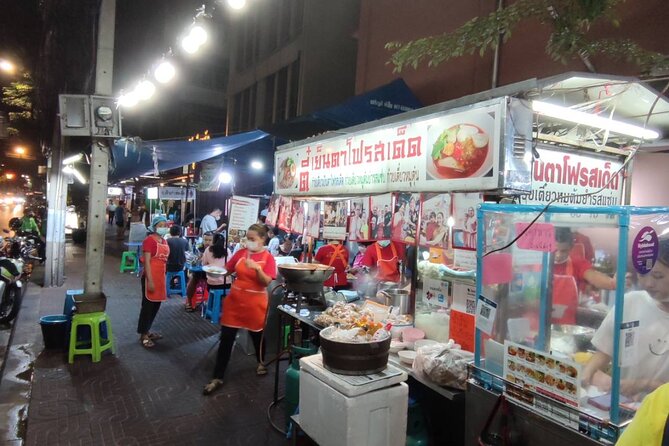
The tour is capped at 10 travelers, which is one of the reasons people rate it so highly. With a smaller group, you spend less time waiting for everyone to find each other in the crowd. You also get better attention when you have questions about what you’re eating.
You’ll also see a clear pattern in guide style. Some names that show up repeatedly include Kay, Tito, Henry, Penny, Alex A (Fanboy), Tum Tum, Woody, Kelly, and Liu. Regardless of the name, the tour’s best guides do two things well:
- They keep the group moving so you don’t get stuck outside the stalls.
- They explain what you’re eating and where it fits into the Chinatown food scene.
One especially useful example from guide behavior: if you have a food concern, the guide may check options during the stops. A gluten allergy was accommodated on at least one tour run, with the guide making sure there were choices at each stop.
If it rains, you’re in Bangkok, so it can happen. On at least one run, the guide handled rain by buying rain wear and keeping the evening fun.
The tuk tuk coordination is also part of the value. You’re not wrestling with street transport logic. You’re just following the plan, hopping between areas, and getting a smoother evening.
Price and Value: $48.88 for Convenience Plus Guided Eating
At $48.88 per person, you’re paying for more than food. You’re paying for:
- A professional guide
- Bottled water
- Dinner food included as part of the itinerary
- Transportation between stops in a tuk tuk
If you try to DIY this route, the costs add up in a different way. Yes, you can buy street food cheaply on your own. But your time becomes expensive: you’ll spend time walking in circles, waiting in lines without knowing if the stall is worth it, and paying for rides anyway.
Here, the tuk tuk ride time functions like a shortcut. Even if you don’t think about it at first, it changes the whole evening. You get to eat more, and you spend less time crossing traffic and searching for the right cart.
Is it worth it? For most first-timers to Bangkok Chinatown, I think yes—because the tour removes the guesswork. If you already know Yaowarat well and you’re confident navigating stalls, you might prefer DIY. But for a guided, structured “eat and learn” dinner, this is a fair price.
Practical Tips Before You Go (So You Enjoy Every Stop)
Here are the few things that will make the biggest difference:
- Bring an appetite, not just curiosity. This is a tasting dinner, not a sample platter of tiny bites.
- Wear shoes you can walk in. You’ll walk down narrow streets and spend time moving between stalls.
- Expect a formal dress request. You don’t need a tux, but don’t show up in beach flip-flops.
- Pace your water. Bottled water is included, but Bangkok humidity can sneak up on you.
- If you have dietary needs, say something early. The tour structure gives your guide chances to plan alternatives at each stop.
And one last practical note: the tour ends back at the meeting point. Some guides have helped coordinate a ride back to a hotel for extra cost, but that’s not stated as a guaranteed include—so plan on starting from River City Bangkok again unless you confirm with your guide.
Who Should Book This Tuk Tuk Michelin Street Food Tour
You’ll probably love it if:
- You want the Chinatown experience without spending your first night lost in lines and menus.
- You like noodle dishes, fried rice, and Chinese-influenced street food styles.
- You prefer a small group with a guide who keeps you on track.
- You want a guided evening that also includes context as you walk.
You might skip it if:
- You specifically want Thai-only cuisine. This tour focuses on Chinatown street food, which leans Chinese.
- You’re extremely sensitive to walking. The tour calls for moderate physical fitness, and you will walk through crowded areas.
Should You Book It? My Honest Take
Book it if this is your first or second trip to Bangkok and you want a confident street-food night in Yaowarat. The structure is the value: specific Michelin-recommended targets, tuk tuk transportation between zones, bottled water, and a small group size that keeps the evening smooth.
Skip it or consider another option if you hate crowds or you’re expecting a relaxed, no-pressure stroll. Some parts of the night move quickly to get you to each stall and keep everyone on schedule. If you can handle that, this is one of the easiest ways to eat well in Chinatown without turning your evening into a search-and-guess project.
FAQ
What time does the tour start?
The tour starts at 5:30 pm.
How long is the experience?
It lasts about 3 hours 30 minutes (approx.).
Where do I meet the guide?
You meet at River City Bangkok, in front of the River City Complex on Soi Charoen Krung 24 (Talat Noi, Samphanthawong).
What’s the group size limit?
The tour has a maximum of 10 travelers.
What’s included in the price?
Included items are bottled water, a professional guide, and dinner food as part of the itinerary.
Is food the only cost I should expect?
Extra food beyond what’s mentioned is not included.
Are admission fees included for each stop?
Admission is listed as not included for some stops, while other stops are listed as free. The included cost covers the food tastings as scheduled.
What’s the dress code?
The dress code is formal.
FAQ
Can I cancel for a full refund?
You can cancel up to 24 hours in advance for a full refund.
What’s the best starting point if I want to continue exploring afterward?
The tour ends back at the meeting point, River City Bangkok.