REVIEW · SAMUT SONGKHRAM
Amphawa & Railway Market & Boat Ride: from BKK
Book on GetYourGuide →Operated by Thailand Insight Travel · Bookable on GetYourGuide
Train tracks and roots, all in one day.
This trip is interesting because you don’t just watch Thailand’s famous markets, you ride the railway experience and see the vendors snap back awnings from a moving train. I also love the way the day shifts gears—from temple stillness at Wat Bang Kung to dinner-like street snacks and seafood at Amphawa. One consideration: it’s a long day (about 7.5 hours total) and the dress code is strict for temple time, so plan clothing you can comfortably wear without feeling constrained.
The best part for me is the mix: practical market viewing, Thai street food variety (including seafood and sweet treats), local craft shopping that supports makers, and then a calm canal boat ride at Amphawa. If your guide is someone like Lin, a common praise from past guests, you’ll likely get a caring, flexible presence plus extra Bangkok context that makes the stops feel more connected.
In This Review
- Key points to know
- A 12 PM start that actually makes sense for Amphawa and Maeklong
- Pick-up zones in Bangkok: how the private transfer helps (and what it means)
- Ban Kalong Station to Maeklong: watching the railway market the right way
- Thai street food + artisan shopping: where you should spend your energy
- Wat Bang Kung: ordination hall encased in banyan roots
- Amphawa Floating Market after dusk: seafood by the canal and a included boat ride
- Price and value: what you’re paying for at $159 per person
- Small rules that change your comfort: dress, timing, and phones
- Who this trip suits best (and who should rethink it)
- Should you book the Amphawa & Railway Market day trip from Bangkok?
- FAQ
- What time does the tour start?
- How long is the tour?
- What’s included in the price?
- Do you get dinner on this tour?
- Is the Maeklong Railway Market part of the experience a train ride?
- What should I wear for Wat Bang Kung?
- Is the tour wheelchair or stroller accessible?
Key points to know
- Train-market viewing from inside the action: watch vendors pull back awnings inches from the moving train
- Ban Kalong Station + salt farms setting: you start at the railway point beside traditional salt farms
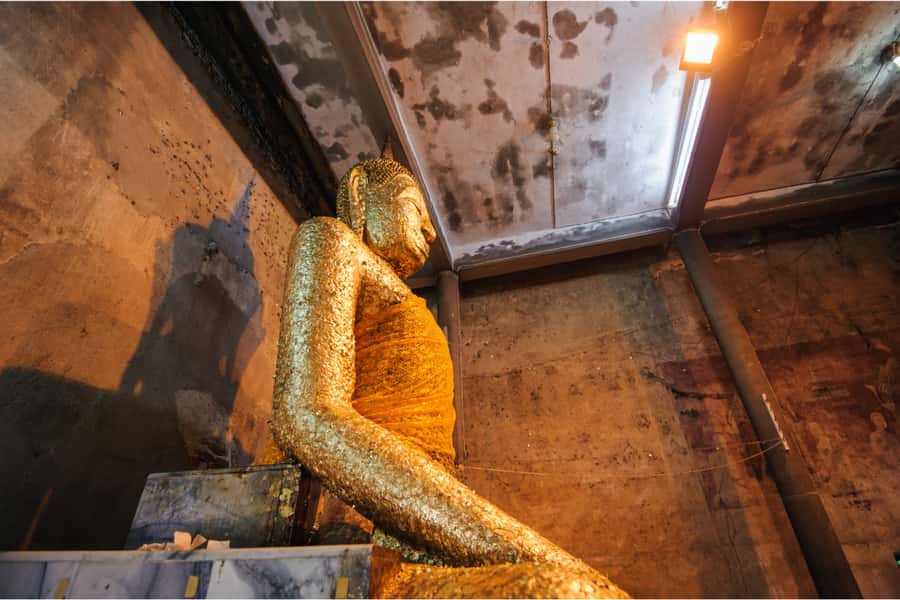
- Wat Bang Kung’s ordination hall in banyan roots: an ancient structure with a golden Buddha image from the Ayutthaya era
- Street food plus crafts: you’ll get time to snack and also shop for local souvenirs from artisans
- Amphawa canal cooking scenes: seafood is cooked on rowboats by the water, followed by an included boat ride
A 12 PM start that actually makes sense for Amphawa and Maeklong
This is not a quick half-day. The day begins at 12:00 PM, which is perfect if you like avoiding the earliest crowds and prefer to arrive at Amphawa when the canal atmosphere starts to build. The longer schedule also means you get to see multiple “styles” of Thai market life: railway commerce in the afternoon and canal market energy later.
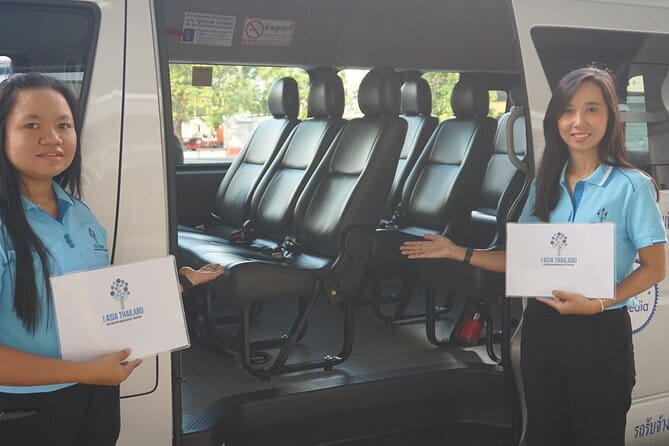
You’ll travel by private, air-conditioned vehicle with hotel transfer included, then do the key touring moments in a smooth sequence. Because it’s a private group, you’re not stuck with a loud herd. You can ask your guide practical questions, move at a comfortable pace, and spend your time where you care most—train spectacle, temple photography, or sampling food.
Just know the value in this format depends on timing working in your favor. Markets can look different depending on the day and open stalls. I’d go in with flexibility: even if some sections feel quieter, the signature sights—the train approach, the banyan-root temple, and the Amphawa canal boat ride—are the core wins.
You can also read our reviews of more tours and experiences in Samut Songkhram.
Pick-up zones in Bangkok: how the private transfer helps (and what it means)
Pickup is included from hotels along major BTS routes up to Siam (center), National Stadium (westward), Phrom Pong (eastward), and Saphan Taksin (southward). It also covers MRT subway areas up to Chinatown (westward) and Sukhumwit (eastward), plus hotels in Khaosan and Rama III, and notable hotels along the Chao Phraya River.
That coverage matters because it reduces the most annoying part of day trips: figuring out how to reach the right meeting point. You’ll meet your guide in the hotel lobby 10 minutes before pickup time.
This tour is designed for a private group, but language support is also part of the “private” feel. The guide/interpreter is fluent in your ticket language (English and several others are listed), and the live tour guide languages include Vietnamese, English, Italian, Spanish, Chinese, German, and French. If you’re booking in a less common language for you, I’d still make sure your booking specifies it correctly—so you get real conversation, not just basic explanations.
Ban Kalong Station to Maeklong: watching the railway market the right way
The rail portion starts at Ban Kalong Station, located beside traditional salt farms. That sounds small, but it’s actually part of the charm: you’re not jumping straight into a tourist funnel. You see a working landscape setting the scene before the spectacle.
Then you board the train for the ride directly into the Maeklong Railway Market area. Here’s what makes this version special: you view the market from a moving seat, not from standing on the tracks. You’ll see vendors snap their awnings back as the train approaches—very close, very fast, and very real.
Two practical notes if you want to enjoy it:
- Keep your phone ready and your stance steady. The moment the train nears, everything happens quickly.
- You’re there to watch and learn, not to crowd the scene. Your guide helps you time your viewing safely.
You also get a moment watching the train coming out from the railway market. That’s useful because it lets you see the full rhythm: approach, vendors adjusting, train passing, and then the market returning to normal activity.
If you’re thinking, This is the famous train market, then you’re correct. But this tour’s value is the perspective. You’re not just staring at a chaotic photo spot—you’re seeing how the system works when the railway is the backbone of daily commerce.
Thai street food + artisan shopping: where you should spend your energy
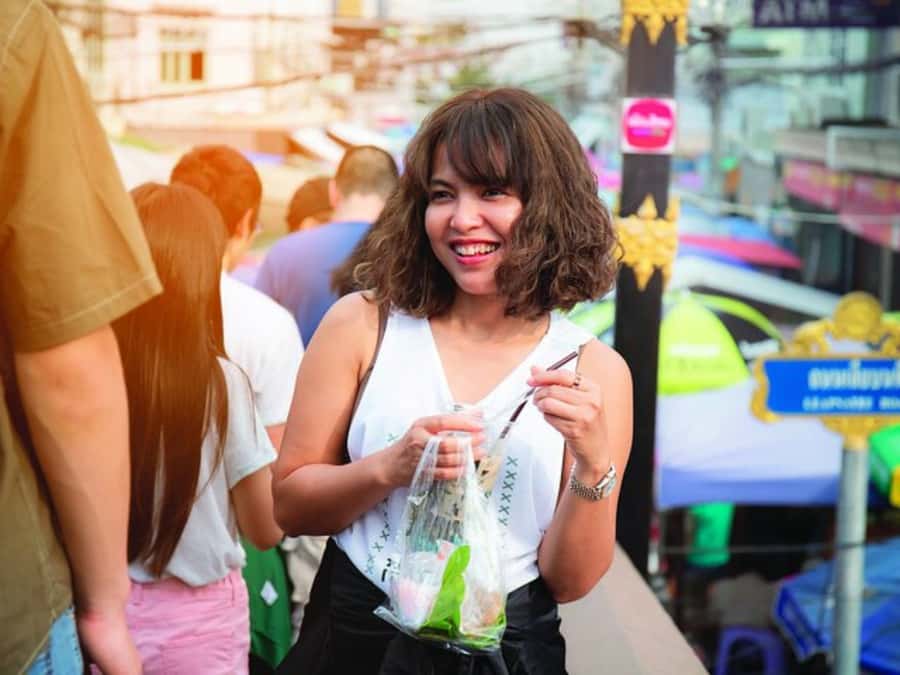
A big part of the day is time for Thai street food, including fresh seafood and sweets. This is where you can slow down, try a few things, and learn what you actually like. Don’t treat it like a checklist. Pick a few “safe bets” (something savory and something sweet) and eat in the way that feels fun for you.
Along the way, you’ll also shop for unique local crafts and souvenirs. The good news here is that the tour is framed around supporting artisans. In real terms, that means you’re more likely to end up with handmade items rather than mass-produced trinkets.
What to do to get better value:
- Focus on items you can use at home—small crafts, textiles, or practical souvenirs.
- Ask your guide what the materials or traditions mean, especially for craft goods tied to regional life.
One consideration: street food can be chaotic in both sights and smells. If you’re sensitive, you’ll still be able to choose from what looks fresh and busy. I’d rather see you choose confidently than freeze waiting for perfect options.
Wat Bang Kung: ordination hall encased in banyan roots
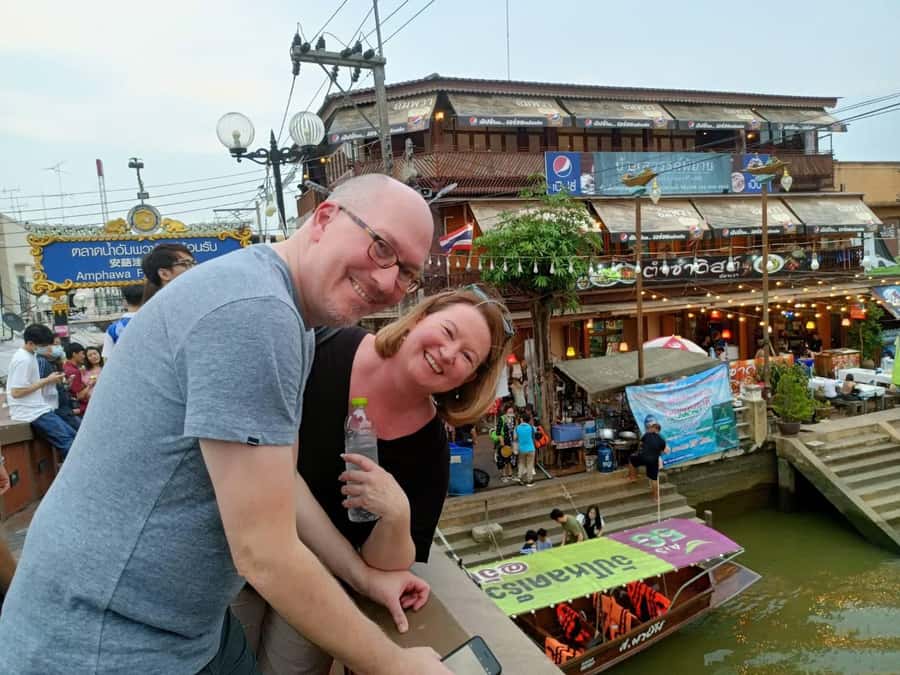
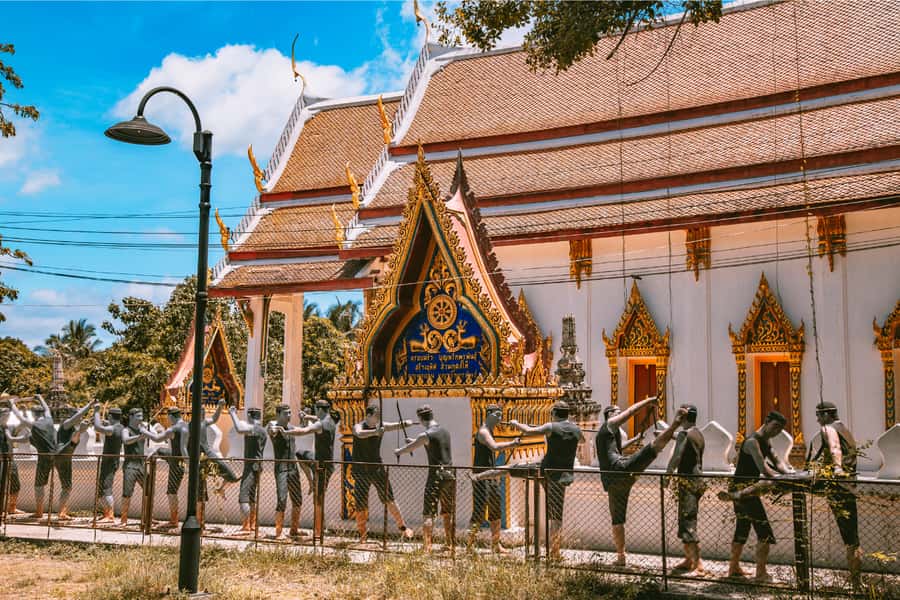
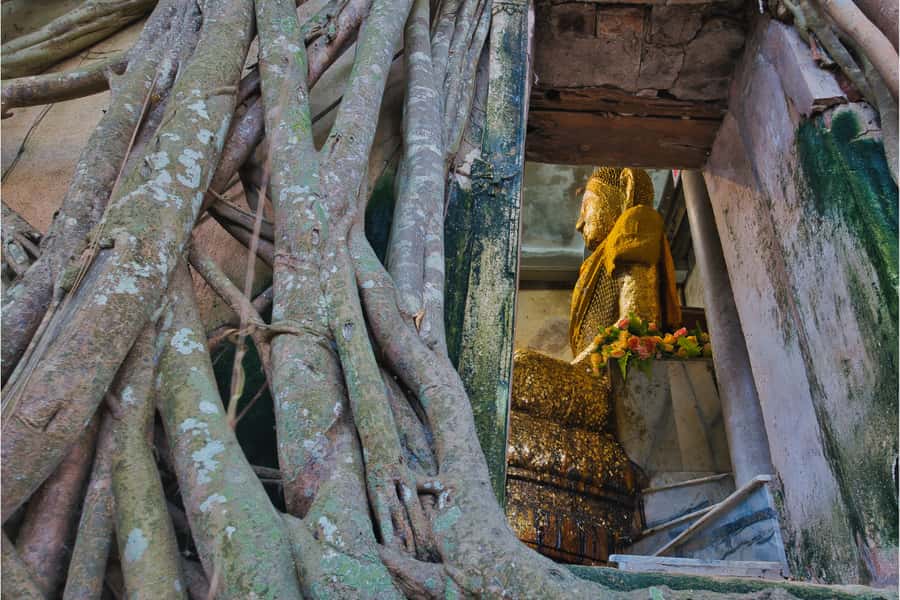
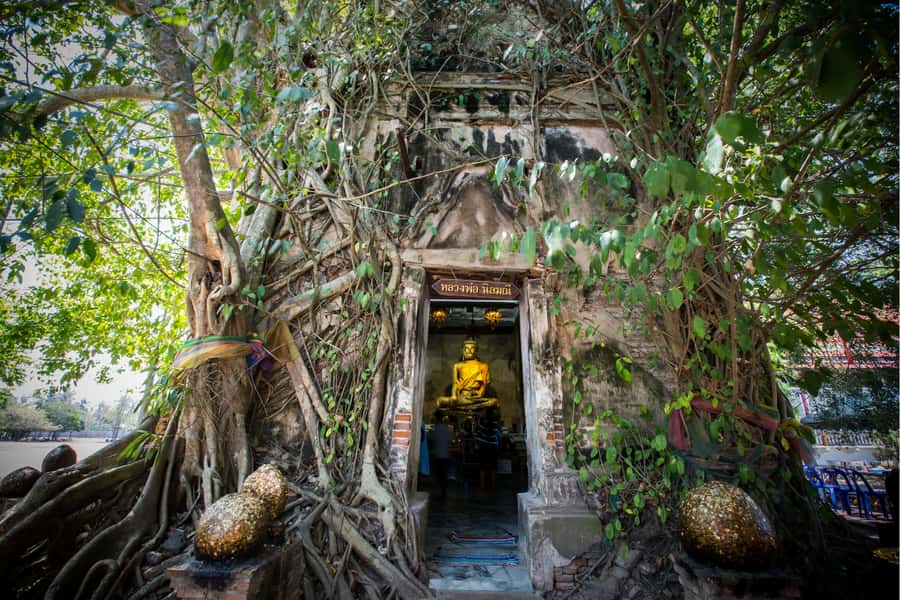
After the railway segment, the tour shifts to temple time at Wat Bang Kung. This stop has a very specific visual hook: an ordination hall held together by the ancient roots of a massive banyan tree. It’s not just a tree near a temple. The roots are part of the structure and the atmosphere.
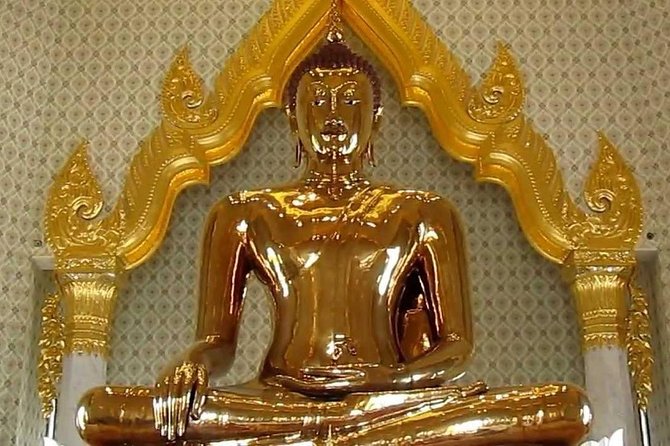
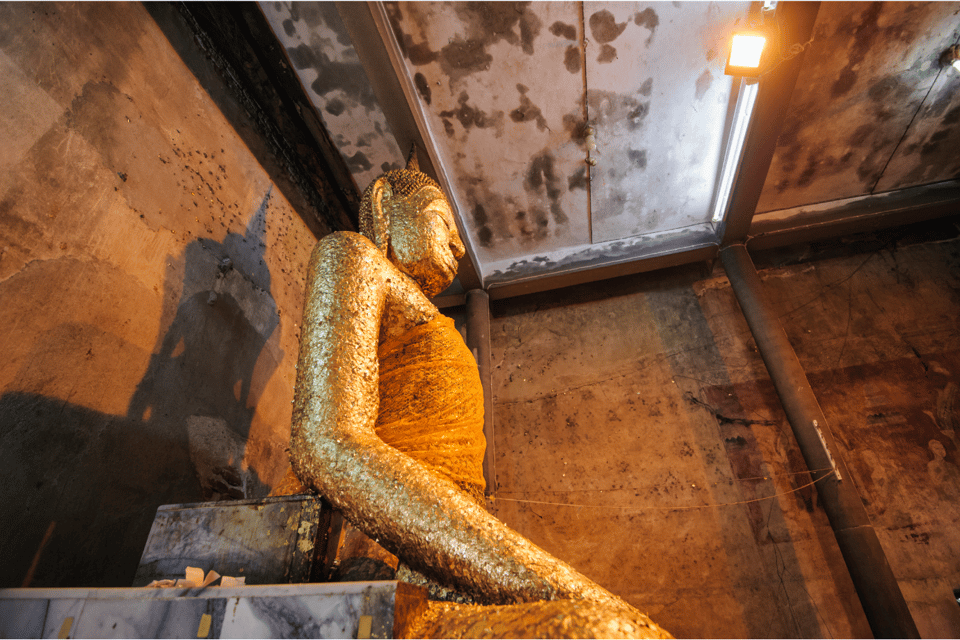
You’ll also see a golden Buddha image from the Ayutthaya era inside the temple setting. That matters because it ties the site to a period that shaped Central Thailand’s Buddhist art style. Around the grounds, statues depict ancient boxing stances and warrior figures, which gives the place a strong, physical feeling—more than “sit and pray.” It’s also a good contrast from the noise of the train market and street food.
Dress code matters here. The tour notes that shorts, short skirts, sleeveless shirts, and see-through clothing aren’t allowed. If you want the temple to feel peaceful rather than stressful, plan clothing that covers appropriately and keeps you comfortable while walking around.
The best photos come when you slow your pace. The roots create patterns and shadows. You don’t need to sprint between angles.
Amphawa Floating Market after dusk: seafood by the canal and a included boat ride
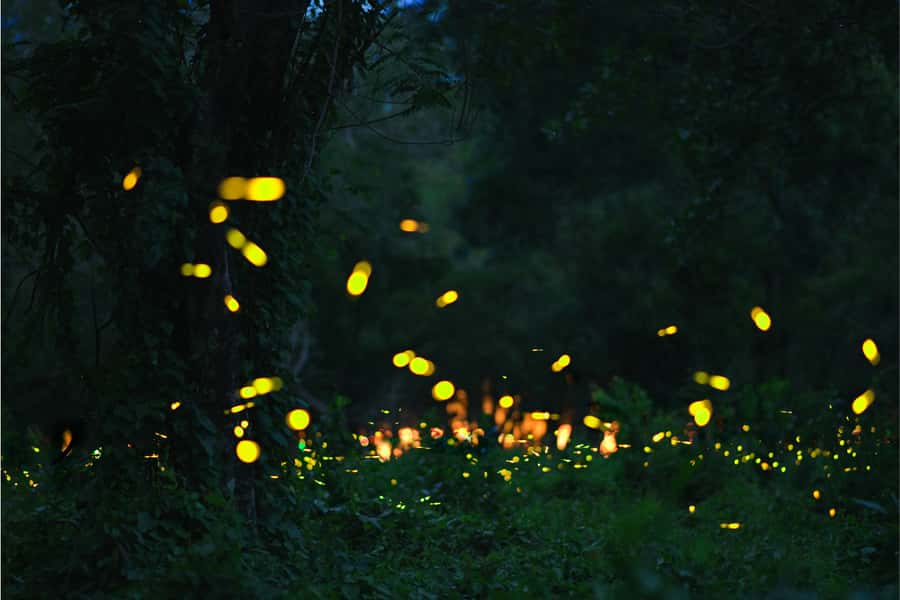
Your evening ends at the Amphawa Floating Market, where merchants cook fresh seafood on rowboats right next to the canal banks. This is the part of Thailand that feels most like a living scene: food preparation happens literally on the water side, so you’re not just buying items—you’re watching the process.
The market time also includes chances to explore old wooden architecture and sample local fruits like pomelo. Even if you don’t love fruit, this is a nice break from only eating sweets and fried snacks. Pomelo is filling, fragrant, and a bit more “fresh” than many market desserts.
Then comes the calm counterpoint: a relaxing boat trip along the waterways. If you want a breather after the day’s sensory intensity, this is the slot. You’ll get a chance to enjoy the canal community atmosphere without the pressure of bargaining or scanning stalls.
A practical expectation-setting note: the Amphawa scene can vary depending on how busy the canals are on a given day. You’re still getting the included boat ride, but the exact look of the surrounding boats and stall activity might not be identical each time. I’d treat Amphawa as a mood, not a fixed photo set.
Price and value: what you’re paying for at $159 per person
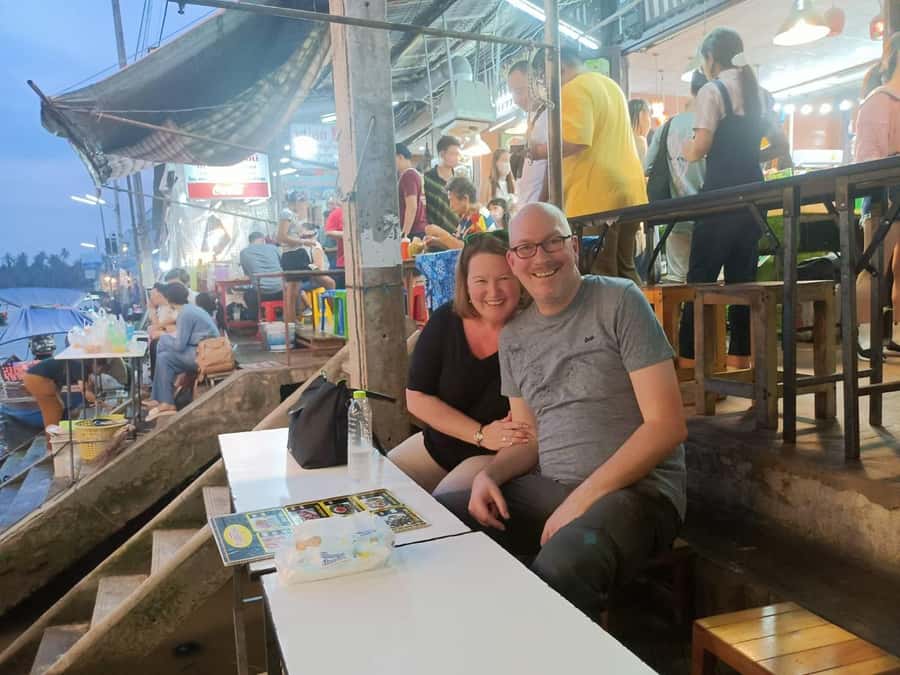
At $159 per person, the value question comes down to how much “premium” you’re getting beyond a DIY day trip.
Here’s what you do get included:
- A private licensed guide/interpreter in your language
- Private air-conditioned vehicle and hotel transfer
- Motor boat ride in Amphawa
- Watching the train come out of the railway market
- Travel accident insurance
If you compare that to booking individual components yourself—transport, entry-time coordination, and a guide to translate and explain what you’re seeing—this price starts to feel more reasonable. You’re not just buying transport. You’re buying fewer decision points and safer, smoother timing around the train market.
Is it expensive? Sure, relative to the cost of snacks and local rides. But the “cost driver” is the structured logistics: you’re covering multiple locations in one long day without needing to plan each step.
The one reason I’d hesitate is simple: because the schedule is tight and the markets’ activity can vary, you need to go in expecting variation and still wanting the signature sights. If you’re the type who only feels satisfied with a perfect market layout, you may be disappointed. If you’re after experience and perspective, you’ll likely feel the value.
Small rules that change your comfort: dress, timing, and phones
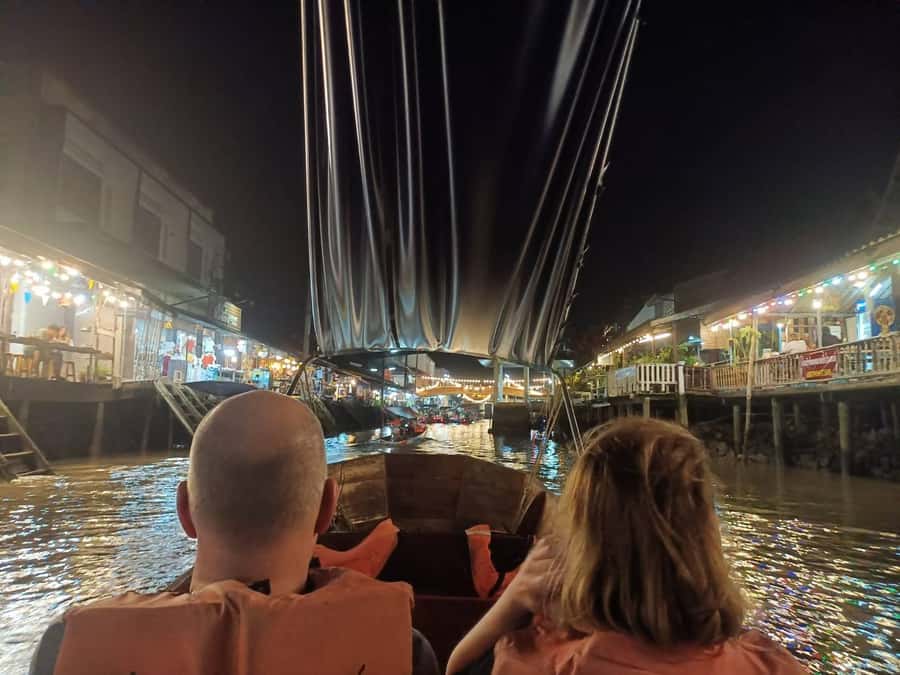
This tour lists a few clear rules:
- Bring a charged smartphone
- Avoid shorts, short skirts, sleeveless shirts, and see-through clothing
- Not wheelchair accessible and not stroller accessible
- Infants must not sit on laps, and infant seats aren’t available
The dress code is the one that matters most day-to-day. Even if you don’t plan to stay long at the temple, you’ll want clothing that won’t cause problems. You’ll also walk and move between stops, so comfortable clothing you already own is better than buying something new.
Timing-wise, it’s a full day that starts at noon. If you’re sensitive to late finishes, plan a slower morning so you’re not rushing before pickup. And if you hate waiting, the guide’s role becomes important because they’ll help keep the sequence moving.
Who this trip suits best (and who should rethink it)
This is a great fit if you want:
- A guided view of the Maeklong railway market without standing in the most chaotic spots
- A temple stop with a strong visual story (banyan roots around the ordination hall)
- Evening canal vibes at Amphawa, plus a boat ride that lets you exhale
- A day that mixes food, crafts, and sights rather than only temples
It may be a tough fit if:
- You strongly dislike long days or rigid dress rules
- You need stroller access or wheelchair accessibility (the tour states neither is available)
- You’re traveling with infants and need guaranteed seating accommodations (infant seats aren’t available)
If you’re booking with a clear priority—train market spectacle, Wat Bang Kung photography, or Amphawa seafood by rowboat—this itinerary aligns well.
Should you book the Amphawa & Railway Market day trip from Bangkok?
I’d book it if you’re the type who enjoys seeing how Thai life works on real schedules: a railway market that changes instantly when a train arrives, a temple shaped by banyan roots, and a floating market where cooking happens right on the water.
I’d think twice if your ideal day is low walking, lots of guaranteed open stalls, and no chance of timing variability. Also, choose your language option carefully so you get actual guidance. When you get a strong guide—past guests have praised guides like Lin for being caring and flexible—you get more meaning out of each stop.
If you want a day that feels like Thailand, not just Thailand-lite, this is a solid pick.
FAQ
What time does the tour start?
The tour starts at 12 PM.
How long is the tour?
The duration is 450 minutes.
What’s included in the price?
It includes a private licensed guide/interpreter, private air-conditioned vehicle with hotel transfer, a motor boat ride in Amphawa, watching the train coming out from the railway market, and travel accident insurance.
Do you get dinner on this tour?
Dinner is not included.
Is the Maeklong Railway Market part of the experience a train ride?
Yes. You board the train at Ban Kalong Station and ride directly into the Maeklong Railway Market area, where you can watch vendors adjust their awnings as the train approaches.
What should I wear for Wat Bang Kung?
Avoid shorts, short skirts, sleeveless shirts, and see-through clothing.
Is the tour wheelchair or stroller accessible?
No, it is not wheelchair accessible and not stroller accessible.