REVIEW · KO SAMUI
Koh Samui: Ethical Elephant Home Guided Tour with Transfers
Book on GetYourGuide →Operated by SamuiElephantHome · Bookable on GetYourGuide
A safe, gentle elephant day in Samui. This ethical elephant home pairs education with hands-on care: you learn Thai elephant heritage, watch rescued elephants roam freely, and help with conservation planting. I especially liked the staff-led food prep and feeding part, and how the day ends with elephants cooling down at their own pace. One note: the whole visit is short, and if you want lots of deep historical detail, you might wish the museum time were longer.
What makes this one work is the rhythm. You start with a guided museum visit and safety briefing, move into the jungle for a respectful walk, then get into practical demonstrations like preparing organic food and launching seed bombs to support forest regrowth. Guides like Nana and Pat (both mentioned in visitor experiences) keep the focus on welfare, not stunts, and the interaction stays calm. The setting can feel compact to some people, so go in expecting a focused program, not a massive wildlife park day.
If you’re comparing sanctuaries, this checks the big boxes: roaming elephants, no riding, and a strong emphasis on rescue and nutrition. You’ll spend about four hours total, with hotel pickup and drop-off around the island, plus food and drinks. If you’re sensitive to wet weather (tropical showers happen), bring the change of clothes you’ll be glad you packed.
In This Review
- Key things I’d circle on your Koh Samui map
- Why this Koh Samui elephant home tour feels different
- Getting there smoothly: hotel pickup around Koh Samui
- Elephant Museum hour: Thai heritage, rescue context, and safety briefing
- Jungle walking and elephant food prep: where education turns practical
- Seed bombs in the forest: conservation you can physically make
- Lunch, coffee/tea, and the calm end of the day
- Price and value: what $96 buys in real terms
- What to bring so the day stays comfortable
- Who should book this Koh Samui elephant home tour
- Final call: should you book it?
- FAQ
- Is hotel pickup and drop-off included?
- What is the tour duration?
- What activities are included besides watching elephants?
- Are meals and drinks included?
- Is there an English-speaking guide?
- Do you get to feed the elephants?
- What should I bring?
Key things I’d circle on your Koh Samui map
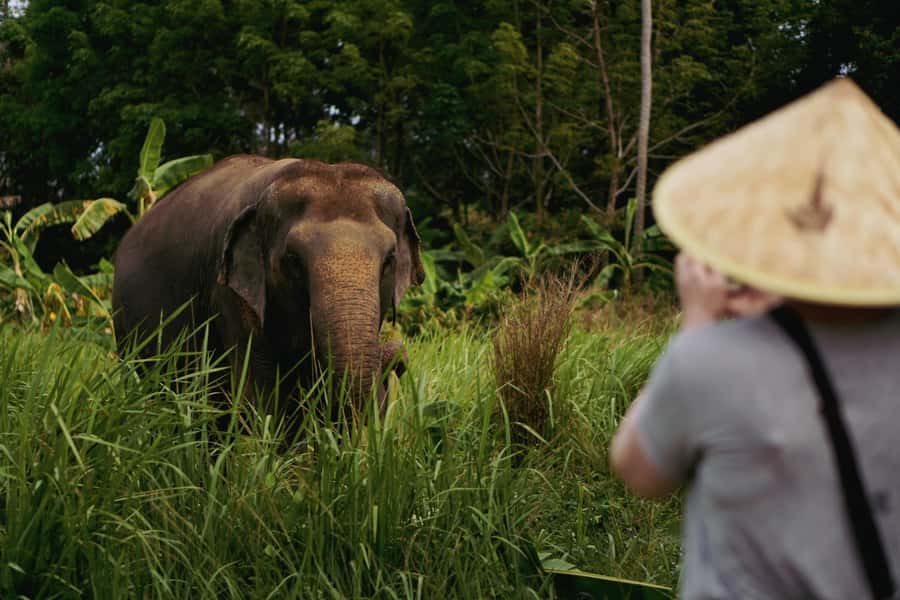
- A real sanctuary setup: rescued elephants roaming in their natural jungle habitat, with respectful viewing distances
- Food prep that teaches nutrition: mahouts demonstrate organic food prep, and you’ll help make food ingredients/balls
- Hands-on conservation: you’ll craft seed bombs with clay and native seeds, then launch them using a traditional slingshot
- Cooling down, not performing: after the jungle walk, elephants cool naturally in the heat with shade, water, and calm routines
- Transfers built in: pickup and drop-off around the island (you don’t have to figure out local transport)
- Good day structure: museum + jungle + conservation + a proper break with vegetarian meals and tea/coffee
Why this Koh Samui elephant home tour feels different
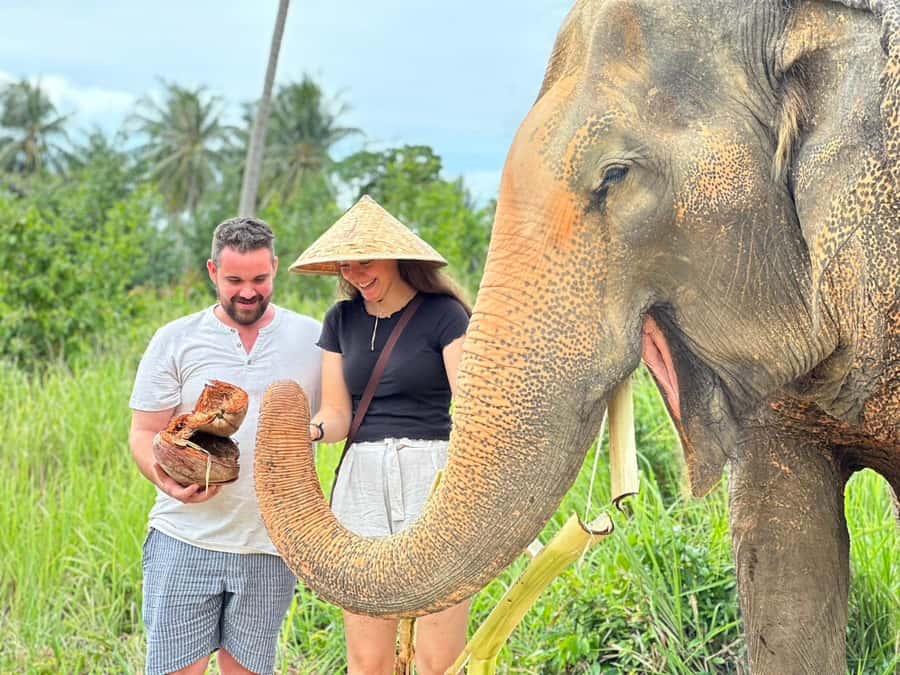
Most elephant experiences around Thailand sell you a performance. This one sells you understanding. You’re not here to ride, pose on cue, or watch forced tricks. The core of the day is about rescued elephants living with ethical care: they forage, they choose when to move, and you’re basically there to watch and learn how that looks in real life.
The biggest win for me is that the staff make welfare the center of everything. When mahouts talk about food and routines, it’s not trivia for trivia’s sake. It connects to why elephants behave the way they do when they’re comfortable: social bonds, calm pacing, and the daily cooling-down rituals that matter in a tropical climate.
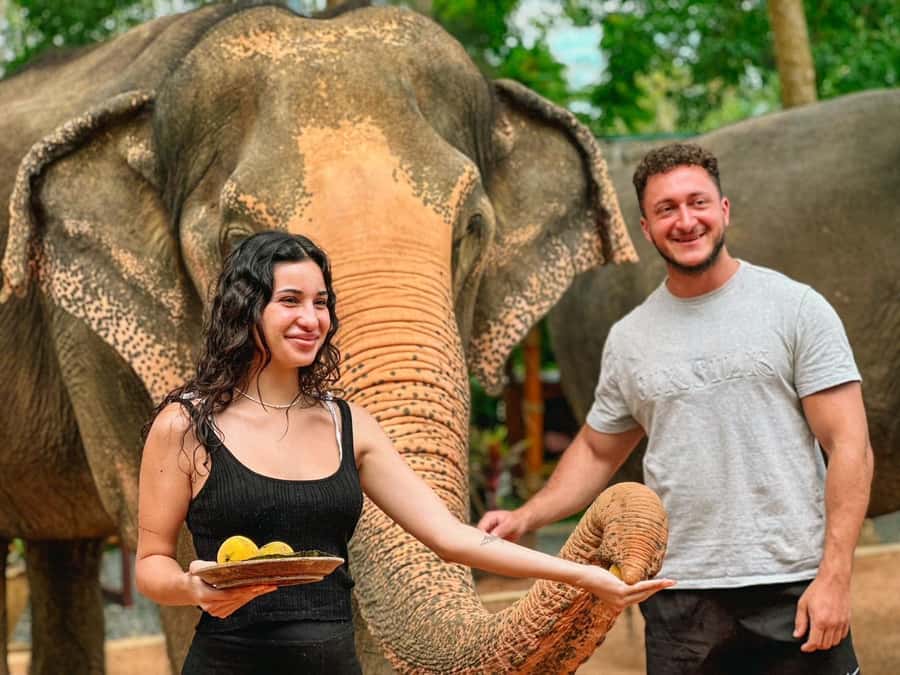
The second thing I really liked is how hands-on it gets without turning into a circus. You’ll prepare food, you’ll feed at an appropriate moment, and you’ll join the seed bombing activity. It gives you agency, but the day still reads like education first. Even the small details, like walking at a respectful distance rather than crowding, help the whole experience feel grounded.
The one possible downside is time. At four hours, you’ll see a lot, but it’s not an all-day deep dive. And if you’re the type who wants long, slow storytelling about elephant history in Thailand, you might find the museum portion more of an introduction than a thesis. Still, you’ll leave with practical knowledge and a stronger sense of why ethical care matters.
You can also read our reviews of more guided tours in Ko Samui

Getting there smoothly: hotel pickup around Koh Samui
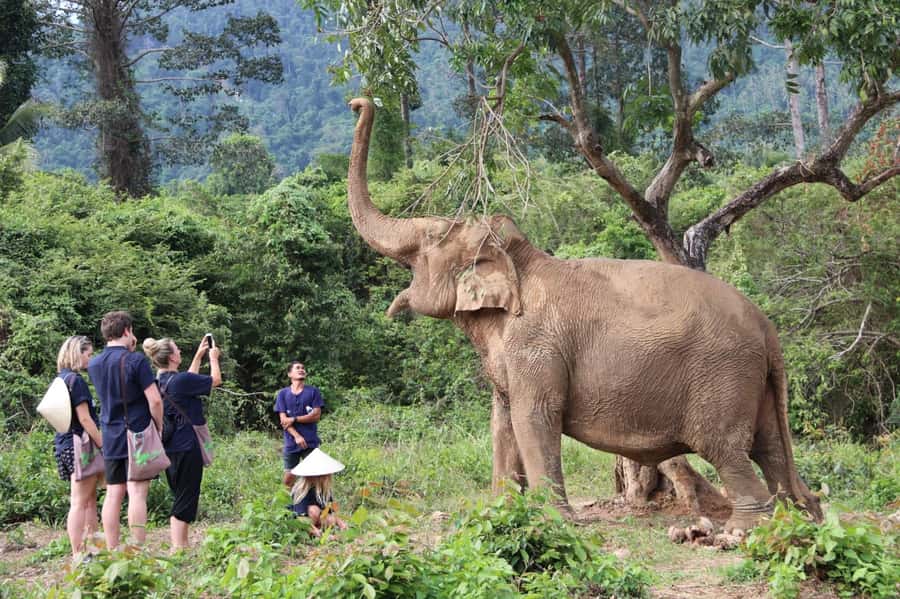
This tour is designed for people who don’t want to stress about transport. Pickup and drop-off are included, and they collect you from your hotel or villa around the island. You’ll want to be ready in the lobby roughly 15 minutes before the scheduled pickup window, because that’s how you avoid the classic Samui scramble of trying to find someone at the last second.
In practice, that “included transfers” part matters more than you’d think. Koh Samui traffic and distances can eat into your day fast, especially if you’re trying to stack tours. Here, the schedule is fixed, and you get back to your place at the end, with no hunting for a driver in the humid afternoon.
Also, the tour is only 4 hours, so transport time has to be efficient. I like that this program doesn’t pretend you have all day. You get a real experience without turning it into a half-wasted day of waiting.
Elephant Museum hour: Thai heritage, rescue context, and safety briefing
Your first stop is Samui’s Elephant Museum, with a guided tour plus a safety briefing. This opening hour sets the tone. You’re not thrown straight into the jungle without context. Instead, you start with background on Thai elephant heritage and the role elephants have played in local life and spirituality, plus what the rescue project is trying to change.
This is where you learn the basics you’ll use later. When you watch mahouts prepare food or observe elephants roaming, you’ll understand why those behaviors connect to health and comfort. The museum portion also functions as a reset: the staff get your group aligned on how to behave around elephants and what respectful viewing looks like.
In the visitor experiences shared, guide Pat is one name that comes up for explaining the rescue program and how caretakers meet elephant needs day to day. Nana is another guide name that visitors repeatedly mention for keeping things friendly and informative. Even if you don’t get the same guides, the pattern is consistent: the staff explain, then they show.
One thing to consider: the museum time is an intro. If your ideal visit is hours of historical storytelling, you might want to pair this with another Thailand-elephant cultural stop during your trip. But if you want your learning tied directly to what you see, this pacing works.
Jungle walking and elephant food prep: where education turns practical
After the museum, you move into the elephant home portion of the day, where the program shifts from “learning about elephants” to “seeing what ethical care looks like.”
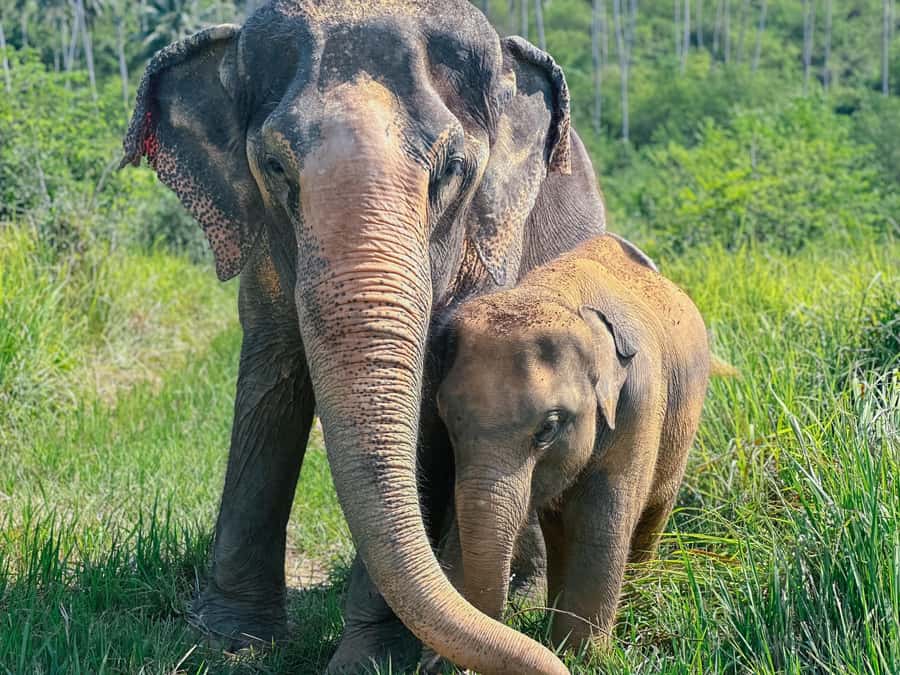
You’ll take a forest walk while elephants roam freely in the jungle. The key phrase here is respectful distance. You’re not herded into positions for photos, and you’re not encouraged to behave like elephants are your personal petting zoo. You’re there to observe their natural behaviors like foraging and social movement, and to understand that freedom means they’re not forced into constant interaction.
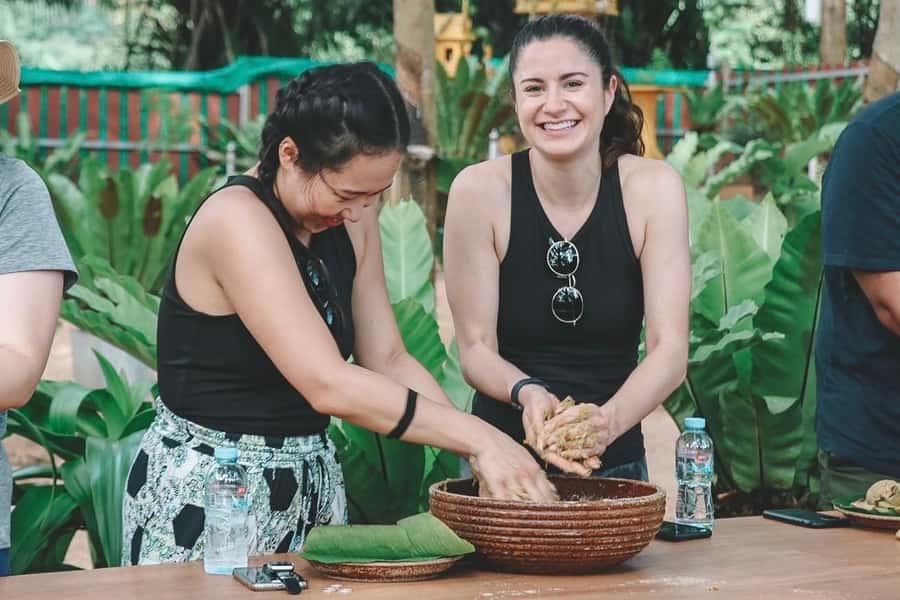
One of the highest-praise moments is the food preparation. Mahouts demonstrate organic food preparation as part of daily nutrition, and then you’ll get hands-on with ingredients for the elephants’ food. In many visitor accounts, the interaction includes making feeding items such as food balls, then feeding the elephants yourself at the right time.
Why this matters: elephant nutrition isn’t just a “feed them something” task. Different life stages and health needs change what they eat and how they’re supported. When you participate in food prep, you’re not just getting a cute activity. You’re learning the logic of caretaking.
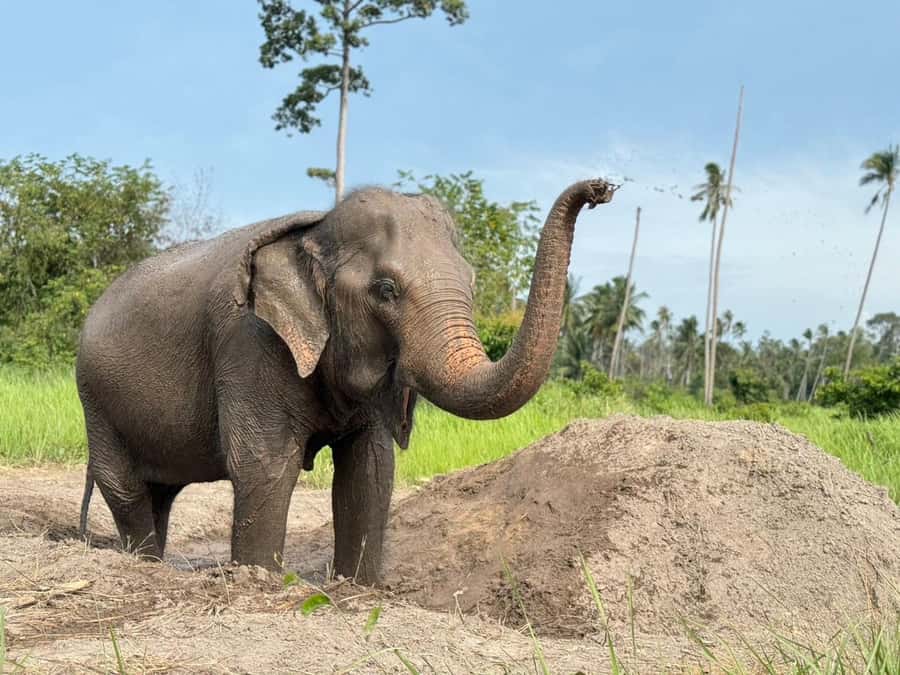
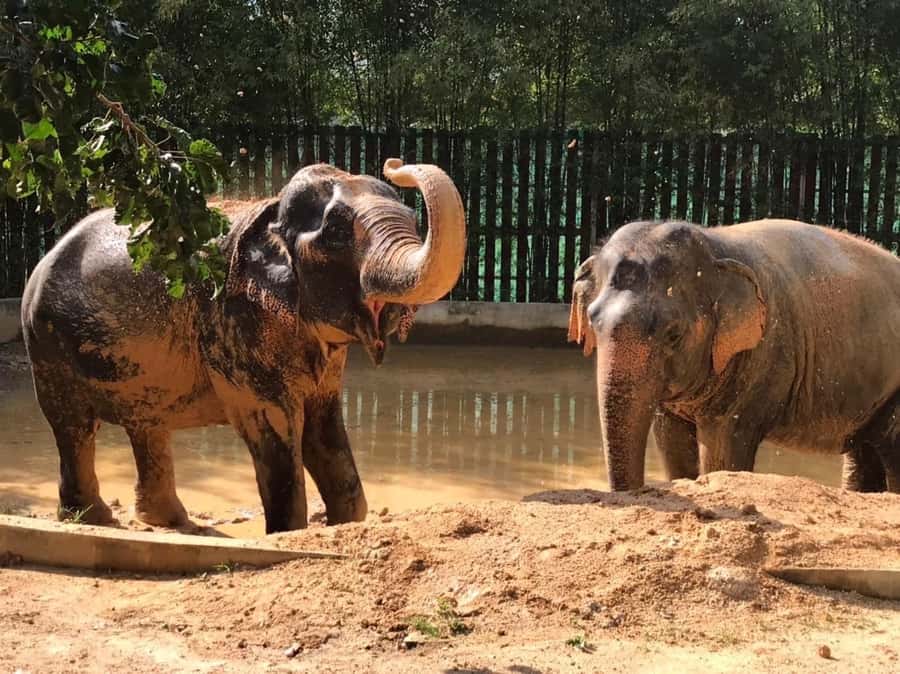
You’ll also see how elephants cool down after their jungle walk. Rather than forcing activities, staff focus on comfort. In the heat, that often means shade, calm routines, and access to water when the elephants want it. Some visitors describe elephants coming close for cooling moments, while the staff keeps everything safe and calm.
A small drawback: the walking portion is short enough that you won’t get a long trek through the jungle. That’s not bad, just different expectations. If you want an all-day hike plus elephants, this isn’t that. It’s a guided, structured visit designed to keep the elephants’ day as normal as possible for them.
Seed bombs in the forest: conservation you can physically make
This is the part that feels most modern and most “I did something” without needing to invent extra adventure. You’ll craft seed bombs using clay and native plant seeds. Then you’ll launch them using a traditional slingshot.
It’s easy to think of elephant sanctuaries as separate from the surrounding forest, but the whole point is ecosystem recovery. You’re helping restore areas where future plants can grow—meaning better habitat over time, and indirectly supporting the type of environment elephants need.
The fact that you do this in the forest makes a difference. Instead of just hearing about conservation, you’re practicing it. The activity is simple, hands-on, and suited to most fitness levels, as long as you can stand and handle basic prep tasks comfortably.
If you’re traveling with kids, this is also the part that tends to land. Visitors mention how the experience stays engaging for families, because seed bombing is active and visible. You’re making something that can grow, and you can see the connection to place.





Lunch, coffee/tea, and the calm end of the day
After the main activities, the schedule builds in a break time with coffee, tea, and a meal. Food is included, with vegetarian options and a seasonal buffet. Depending on the timing of your session, the day can feel like a complete afternoon plan rather than a “show up, do the activities, leave fast” setup.
This break matters more than it sounds. Elephant programs run on both human patience and elephant patience. The staff keep the pacing respectful, which means you shouldn’t expect a sprint. The meal time gives you a real chance to cool off, refill water, and avoid that post-heat crankiness that can happen in Thailand.
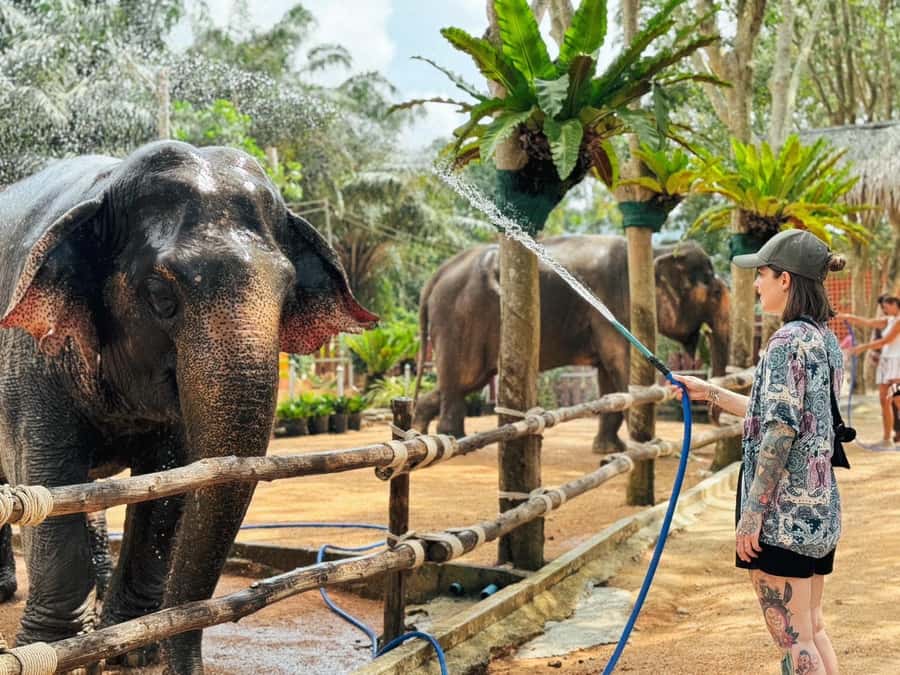
In the closing portion, you also get to observe the elephants’ cooling routines. Visitors describe baths or cooling-down moments where elephants can approach the water when they want, and staff don’t force participation. That’s the ethical difference. If an elephant isn’t interested, the plan adapts around their choice.
So you leave with two kinds of memory: the active ones (food prep, feeding, seed bombing) and the quieter ones (watching elephants settle into their comfort routines).
Price and value: what $96 buys in real terms
At about $96 per person for a four-hour experience, the price isn’t just for “seeing elephants.” You’re paying for a staffed, guided program that bundles in:
- Hotel pickup and drop-off around Koh Samui
- A professional English-speaking guide and safety briefing
- Food and drinks, including vegetarian meals and soft drinks such as tea/coffee
- A structured program that includes museum learning, jungle observing, feeding participation, and seed bombs
- Full insurance, plus a surprise video movie during activities
- Skip-the-ticket-line convenience
The value is strongest if you hate wasting half your day on logistics. With transfers and meals handled, you can focus on the experience itself. You’re also getting ethical access rather than a quick, exploitative “elephant photo stop,” which can be a major quality difference when you’re comparing options.
Is it expensive compared to a simple ticket? Yes. But it’s also less like a generic attraction and more like a guided day built around elephant welfare and conservation activity. For a four-hour window, it’s priced like a premium ethical experience, and the included elements justify that.
What to bring so the day stays comfortable
You don’t need hiking gear. But you do need to show up ready for tropical conditions and hands-on activities.
Bring:
- Comfortable shoes for walking and time outdoors
- A change of clothes (you’ll be in warm humidity, and the experience includes cooling/water moments)
- A towel to dry off after cooling-down time
I’d also suggest you plan for sun and wet weather. Even if it doesn’t rain, you’re outdoors, and the day is hot enough that cooling routines matter. Packing light helps, but don’t skip the towel if you’re the type who ends up uncomfortable easily.
Who should book this Koh Samui elephant home tour
Book it if:
- You want an ethical elephant experience that focuses on welfare, not riding or performances
- You like hands-on learning, like preparing organic food and launching seed bombs
- You care about conservation and want an action you can connect to the forest
- You prefer structured pacing with transfers and included meals
Skip it (or at least adjust expectations) if:
- You want an all-day, super-long museum and deep historical immersion without breaks
- You’re looking for a massive, spread-out wildlife park feel
- You dislike short tours. This one is intentionally compact at four hours
It’s a good fit for couples, solo travelers, and families. Visitor experiences mention kids enjoying the activities, especially the seed bombs and the food-making part, because it stays understandable and visually engaging.
Final call: should you book it?
If your goal is to experience elephants in a way that’s respectful, educational, and connected to conservation, this is a strong choice. The ethical setup, the focus on nutrition and natural behavior, and the fact that you get real participation (food prep and seed bombs) make it more meaningful than a quick elephant photo stop.
Just go in with the right expectation: this is a four-hour program. You’ll learn enough to feel informed, but it’s not a full-day academic course. If you want a short, well-paced afternoon that leaves you feeling like you supported good work, book this and plan your day around it.
FAQ
Is hotel pickup and drop-off included?
Yes. The tour includes hotel or villa pickup and drop-off around Koh Samui, and they ask you to wait in the lobby about 15 minutes during the pickup time.
What is the tour duration?
The experience lasts about 4 hours.
What activities are included besides watching elephants?
You’ll join a guided museum tour, take part in guided jungle walking/observation, help with elephant food preparation and feeding, and make and launch seed bombs as a conservation activity.
Are meals and drinks included?
Yes. Soft drinks including tea and coffee are included, and you’ll also have vegetarian foods with a seasonal buffet, plus a lunch/dinner-style break depending on the session.
Is there an English-speaking guide?
Yes. The tour includes a professional English-speaking guide.
Do you get to feed the elephants?
You participate in feeding as part of the program after food preparation with mahouts, with the tour designed around respectful, welfare-first interaction.
What should I bring?
Bring comfortable shoes, a change of clothes, and a towel.