REVIEW · PHUKET
Phuket: Full-Day Elephant Explorer at Phuket Elephant Care
Book on GetYourGuide →Operated by Phuket Elephant Care · Bookable on GetYourGuide
You can feel the day in your clothes. This full-day visit at Phuket Elephant Care mixes a jungle walk with banana-tree planting, mud “spa” time, elephant feeding, and a hands-on Pad Thai cooking session.
I especially like the calm, forest-and-lake setting, and I like that your afternoon focuses on elephant food prep and gentle bathing rather than showy stunts. The one thing to consider is that this is still a close, physical, in-the-water experience—so if you want only observation, you’ll want to think twice.
Before you book, be clear about your comfort level with elephant handling and bathing. Most days are designed around care and routine, but there’s at least one reported concern about how elephants were encouraged to move, so I’d ask direct questions and trust your instincts on-site. Hands-on contact is part of the program, for better or worse.
In This Review
- Key things that make Phuket Elephant Care different
- Entering the Naithon elephant sanctuary (and why the setting matters)
- Getting there: hotel pickup, timing, and what to bring
- Welcome refreshments and the ECO tourism briefing
- The jungle walk: learning elephant life up close
- A realistic expectation
- Lunch under shade, then food prep that shifts the focus
- What you’ll likely enjoy
- The mud spa and natural lake bathing: the wettest part of the day
- A consideration if you care a lot about animal handling
- Pad Thai cooking class: a fun, useful cultural add-on
- Your elephant magnet (and the souvenir you can actually use)
- Price and value: what $179 buys in a full 7-hour program
- Who should book this, and who should skip it
- Should you book Phuket Elephant Care?
- FAQ
- How long is the Phuket Elephant Explorer experience?
- Where does the tour start?
- Is hotel pickup included?
- What does the price include?
- Do I get to feed the elephants?
- What activities happen during the day?
- What should I bring?
- Is luggage allowed?
- What languages is the guide available in?
- Is there a refund if plans change?
Key things that make Phuket Elephant Care different
- Forest + natural lake setting in Naithon, with time in shade and time that gets wet
- Planting banana trees and Napier grass, tied to real elephant feeding needs
- Mud spa + skin scrubbing using special spa mud described as helpful for skin healing
- You prepare elephant food (fruits, vegetables, and herbal balls), then learn as they eat
- Thai culture built in: you cook and taste Pad Thai, then paint a magnetic elephant souvenir
Entering the Naithon elephant sanctuary (and why the setting matters)
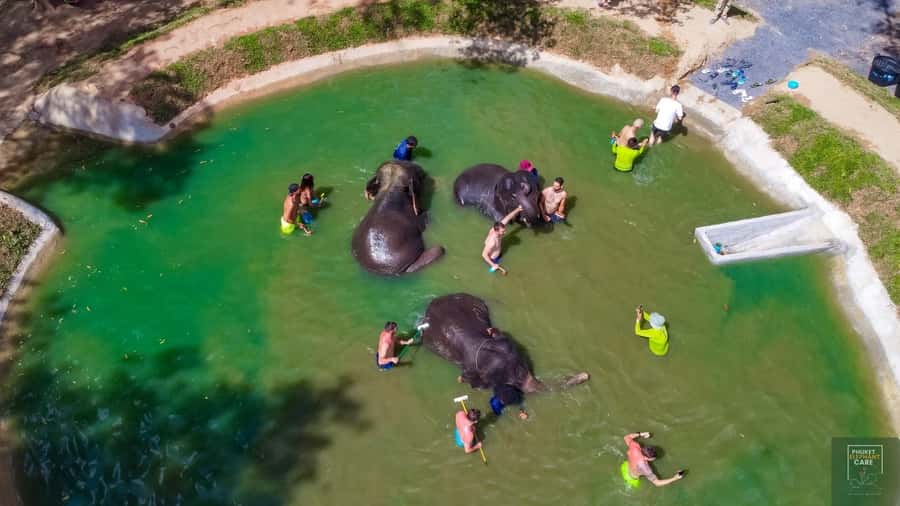
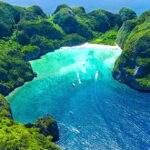
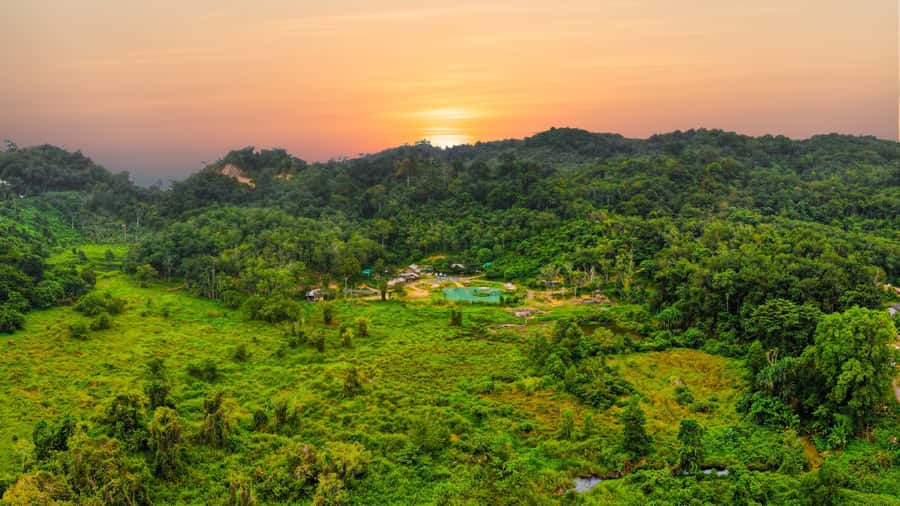
Phuket Elephant Care is based in the north of Phuket, in Naithon, in a green forest area with a big natural lake. That setting is more than scenery. When you spend hours in and around water and jungle plants, the day tends to feel like care work, not a tourist circuit.
The full day is built to flow from dry activities to wet activities. You start with walking and learning, then you move into mud and bathing later. If you’re the type who hates getting messy, you might want to mentally sign up for mud, wet shorts under long pants, and the kind of sunscreen-and-lake smell that clings for hours.
Also, the program is designed as a small-group day. That matters because you’re not just standing in the background—you’re involved in feeding, prep, and cooking.
A few more Phuket tours and experiences worth a look


Getting there: hotel pickup, timing, and what to bring
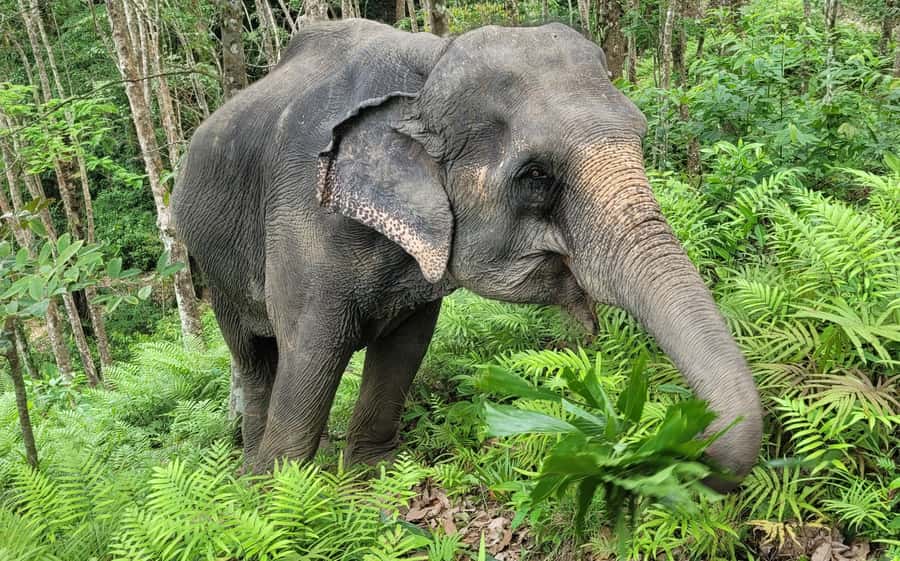
The schedule runs about 7 hours total, and pickup is optional. If you choose it, you’re collected from your hotel by minivan with round-trip transfer. Either way, you meet the crew at the sanctuary in Naithon.
This is not a bring-a-suitcase day. The experience notes that luggage or large bags aren’t allowed, and it specifically mentions a fee for oversized luggage over 20 inches if it applies. Pack light. Think daypack, sandals, and a small “mess kit.”
Bring what’s actually useful:
- Swimwear and something you’re happy to get muddy
- Hiking shoes (for the walk portion) and a towel
- Sunglasses, sun hat, and sunscreen
- Long pants for comfort and practicality
- Biodegradable insect repellent
- Camera (there’s plenty worth photographing, from the lake to your cooking)
If you’re sensitive to bites, put repellent on early—don’t wait until you’re already itchy.
Welcome refreshments and the ECO tourism briefing
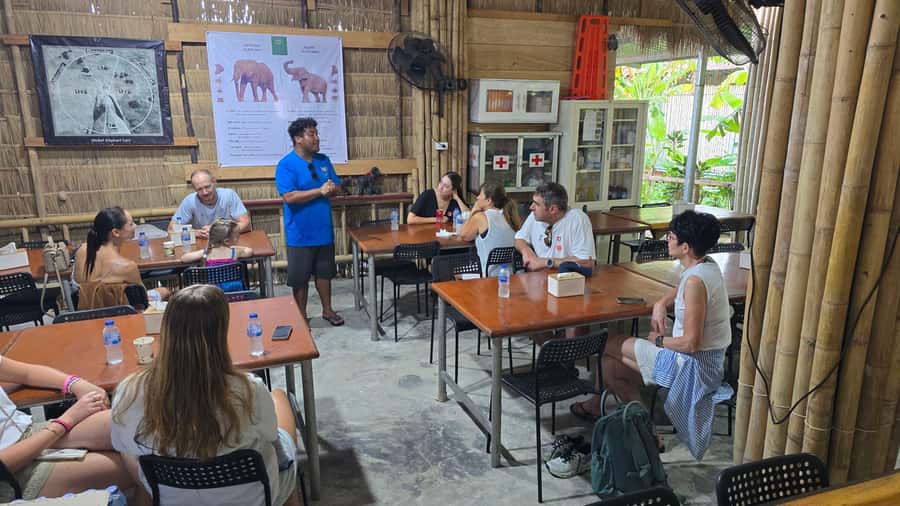
Before you touch elephant-time, you get a welcome break: coffee and tea with bread and some snacks. Then there’s a short class and intro focused on advanced ECO tourism—basically, how to behave in a way that doesn’t turn the animals into a prop.
This part is short, but it sets the tone. You’re reminded that the point is elephant welfare and natural behavior: foraging, bathing, and socializing—things the routine is built around.
One practical note: the briefing isn’t just lecture. It’s meant to help you understand what you’ll see next, so the jungle walk feels purposeful instead of random.
The jungle walk: learning elephant life up close
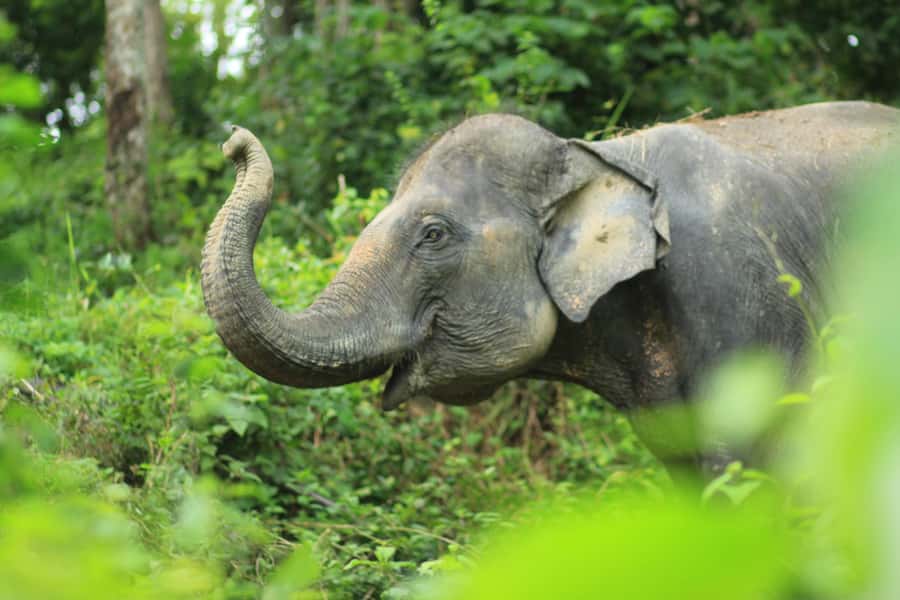
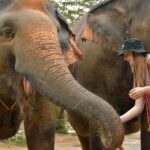
The heart of the morning is meeting the elephants and walking with them into the green jungle zone. The walk segment runs about 2.5 hours, and you’ll hear from nature-loving tour guides about elephant habits and history, plus how they live in a more natural rhythm.
I like this part because it’s not only “look at elephants.” You’re moving through the same kind of environment the elephants use. And you’re being guided on what to notice—how they react, how they move, and what their day looks like outside a show ring.
There’s also a hands-on element as you go. You participate in sustainable activity like planting banana trees and Napier grass, which the program describes as favorite elephant food. The banana tree planting isn’t just symbolic. It’s tied directly to the feeding plan, which makes it feel more real than a quick photo stop.
A realistic expectation
The jungle is warm, the walk takes time, and you’ll be on the go. Wear footwear that can handle uneven ground. If you’ve got knee issues, tell yourself the walk is part hike, part long stroll.



Lunch under shade, then food prep that shifts the focus
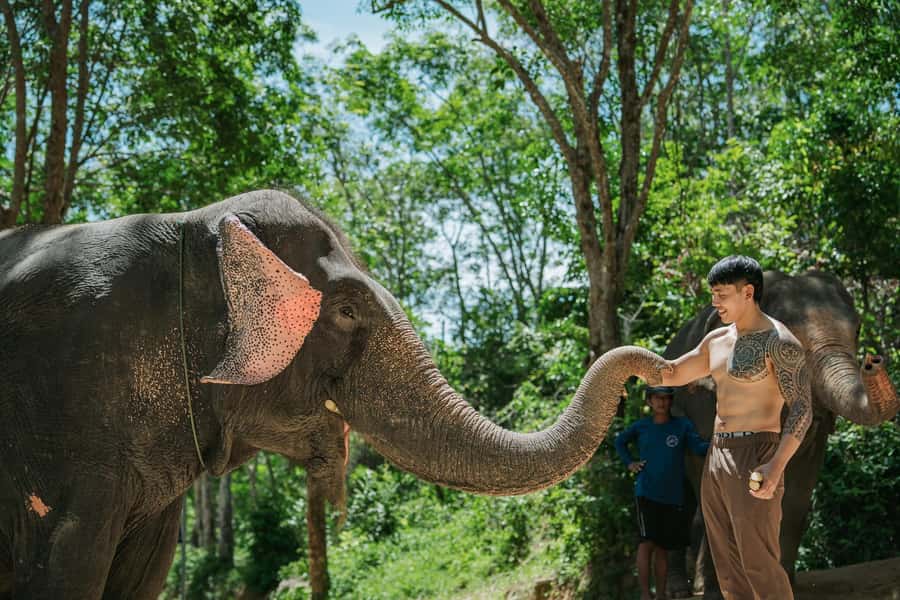
Around noon, you take a Thai lunch—an authentic Thai buffet style meal—served about an hour. It’s a breather from movement and heat, and it gives you time to reset before the more hands-on camp activities.
Then the day changes gears. You help prepare fruits, vegetables, and herbal balls for the elephants. While the elephants eat, guides share background on each elephant. That “each elephant” detail matters. It turns the visit into a set of relationships and routines rather than a single generic encounter.
This is also where the day feels most educational in a practical way. Elephant food prep makes you think about diet, routine, and how careful feeding should look. Even if you’re not a science person, it’s hard not to notice that this is organized work.
What you’ll likely enjoy
If you like doing things yourself—mixing food, chopping or assembling what you’re told to prepare, watching the process—this is the kind of tour where you’re not only observing. You’re participating.
The mud spa and natural lake bathing: the wettest part of the day
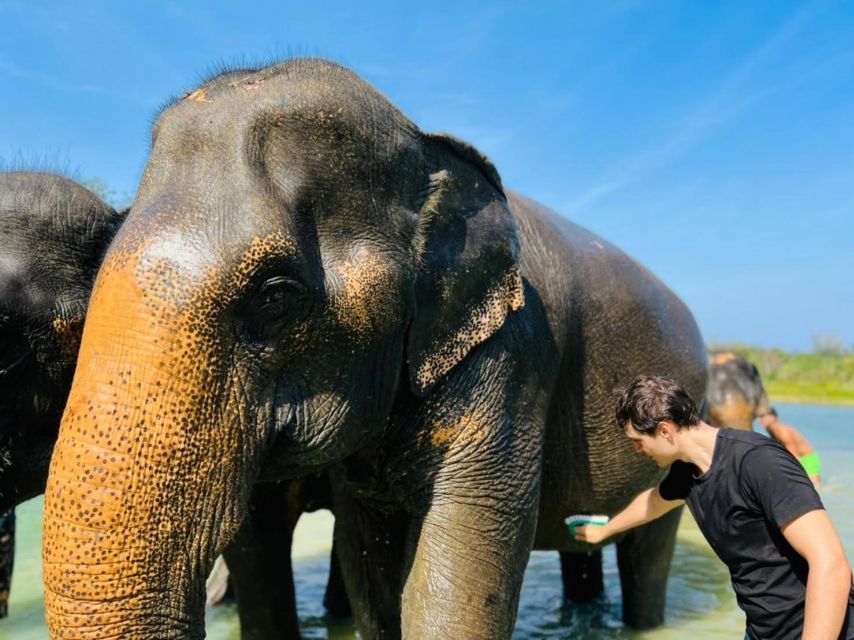
Later you move into the camp activities (about 2 hours), including what the program calls a spa treatment. You apply spa mud to the elephant’s skin and help scrub with mud, described as special spa mud that supports healing of wounds from scratches and skin damage.
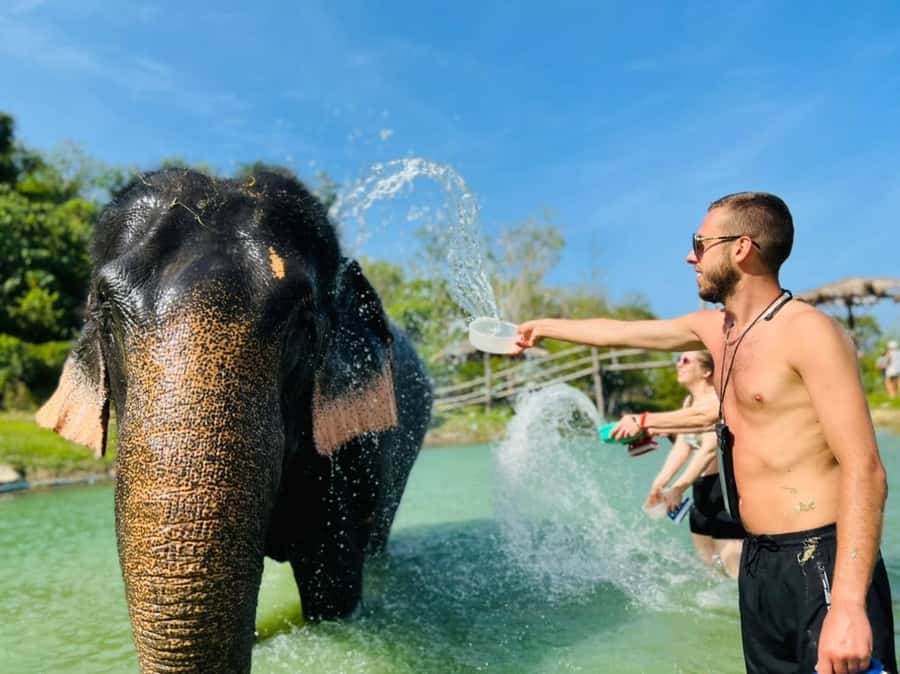
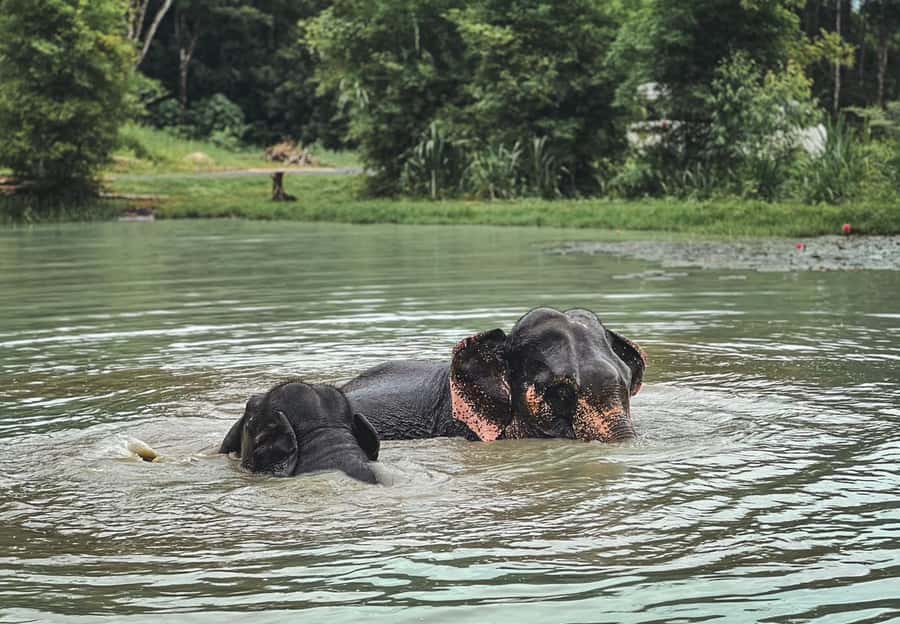
Then comes the big cool-down: refreshing bath and shower with the elephants in the large natural lake. This is where the tour goes from “hands-on” to “fully in it.”
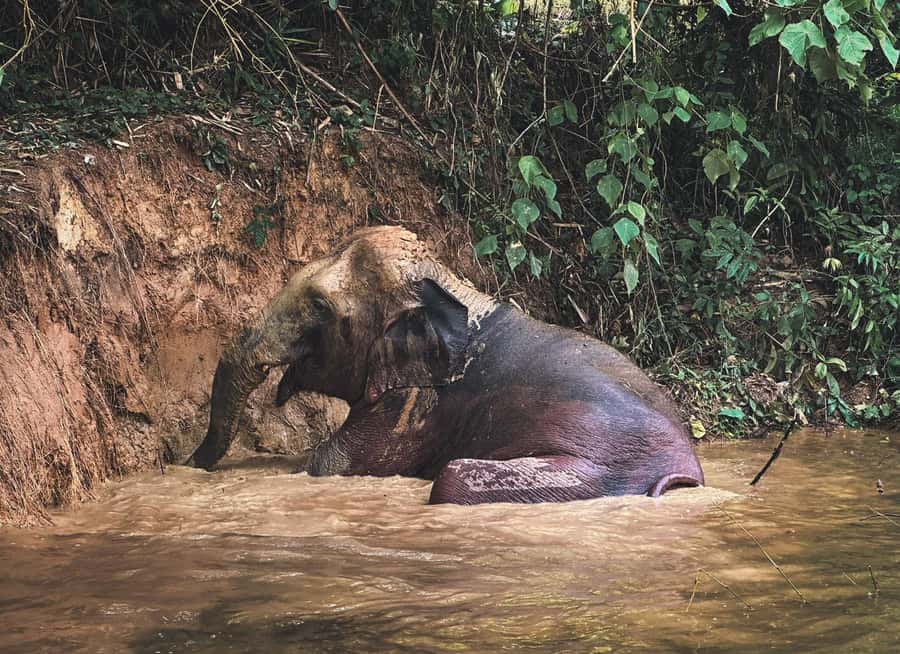
I like the mud-bathing portion because it looks like routine care, not a trick. Elephants naturally engage with water and dust/mud behaviors, and the day is built around that idea.
A consideration if you care a lot about animal handling
One review concern exists about elephants being pulled by the ear to get them to comply. I’m not going to claim that was your experience, and I can’t verify what happened during a specific day. But here’s the sensible takeaway: if animal welfare and handling style are your top priority, ask how elephants are encouraged to move and how caregivers ensure calm, low-stress behavior. Then watch quietly. If anything feels off to you, you’re allowed to change your decision-making in the moment.
Pad Thai cooking class: a fun, useful cultural add-on
After the messy lake time, the program keeps you busy with Thai food. There’s a Pad Thai cooking class that runs briefly, around 15 minutes, followed by a tasting of what you make. This is a nice contrast to the earlier physical day, and it gives you something you can bring home: not just a souvenir elephant magnet, but a recipe you might actually use.
Even if you don’t think of yourself as a cook, cooking class energy tends to be friendly and fast. You’re eating soon after, so you don’t have to wait all day for payoff.
Your elephant magnet (and the souvenir you can actually use)
The last activity is painting a small magnetic elephant, plus you get a keychain souvenir as well. This is the kind of souvenir that’s small, personal, and doesn’t become clutter the way some bigger mementos do.
It also acts like a soft landing after a long day. When the day is done, you still have a creative moment to focus on before heading back.
Price and value: what $179 buys in a full 7-hour program
At about $179 per person for a 7-hour full-day format with hotel round-trip transfer, this sits in the mid-to-upper range for Phuket. The value isn’t just the elephants. You’re also getting:
- A guide (English and Thai) and structured time at the sanctuary
- Meals (including Thai buffet lunch)
- Snacks and drinks like coffee, tea, soft drinks, plus seasonal fruit
- Towels and basic accident insurance
- Included activities beyond the animal encounter: banana planting/Napier grass, Thai food prep, Pad Thai, and your painted magnetic elephant
When you look at it that way, the price feels less like a ticket and more like a full day of paid-in support + guided care + food and cultural programming.
That said, the biggest value question for you is this: do you want a hands-on care day, or do you want an observation-only style visit? If you’re seeking strict watching with minimal contact, this particular format may not match your expectations.
Who should book this, and who should skip it
This tour is a strong fit if you:
- Want a full-day, all-in elephant care experience in a forest-and-lake environment
- Enjoy active travel days—walking, planting, preparing food, and getting wet
- Like Thai culture beyond the usual street-food pass-through
- Want a small-group feel and real interaction steps (not just photo standing)
I’d be more cautious if you:
- Prefer observation-only experiences
- Are very uncomfortable with mud, water, and close contact
- Have mobility limits and think a 2.5-hour walk may be too much
Also, if animal welfare is a deal-breaker for you, do your homework and ask questions before you commit. A good “sanctuary” experience should feel calm and respectful, not stressed.
Should you book Phuket Elephant Care?
If you want a structured day where elephant care routines, food preparation, bathing, and Thai cooking all fit together, this is a very reasonable pick. The best part is the way the day moves beyond photos into practical involvement: planting, prep, and the quiet learning moments.
I’d only steer you away if you know you dislike hands-on bathing and physical proximity, or if you need an observation-only approach for peace of mind. In that case, ask extra questions or choose a different format before you go.
FAQ
How long is the Phuket Elephant Explorer experience?
The full-day experience runs about 7 hours.
Where does the tour start?
You meet the Phuket Elephant Care crew directly at the sanctuary in Naithon in the north of Phuket.
Is hotel pickup included?
Hotel round-trip transfer is included as an option. If pickup is selected, the exact time is confirmed by email after booking.
What does the price include?
Included are hotel round-trip transfer (optional), drinking water and soft drinks, coffee and tea, seasonal fruits, Thai-style buffet lunch, towel, basic accident insurance, a professional English-speaking guide, and a small magnetic elephant plus a keychain souvenir.
Do I get to feed the elephants?
Yes. The experience includes hand-feeding the elephants, and you can also enjoy seasonal fruits yourself.
What activities happen during the day?
Expect an elephant walk in the jungle, planting banana trees and Napier grass, spa mud skin treatment, bathing and showering in the natural lake, preparing elephant food (fruits, vegetables, and herbal balls), a Thai Pad Thai cooking class with tasting, and painting a magnetic elephant.
What should I bring?
Bring sunglasses, swimwear, a camera, hiking shoes, sunscreen, long pants, biodegradable insect repellent, a towel, a sun hat, and flip-flops.
Is luggage allowed?
Luggage or large bags are not allowed. The tour also notes an additional 200 THB fee for luggage exceeding 20 inches (if that applies).
What languages is the guide available in?
The tour includes a live guide in English and Thai.
Is there a refund if plans change?
Free cancellation is available up to 24 hours in advance for a full refund.