REVIEW · PATONG
Phuket: Elephant Sanctuary Guided Tour with Hotel Transfers
Book on GetYourGuide →Operated by My Holiday Centre Company Limited · Bookable on GetYourGuide
One hour, and the elephants set the pace. This Phuket guided visit is built around rescued and retired elephants living with space to roam, plus a hotel transfer service that saves you from figuring out transport. You get a calm, structured encounter led by an English-speaking guide, with time to feed from the hand and learn what keepers are doing day to day.
I really like the hands-on-but-ethical format: you feed the elephants (and you’re guided on how to behave), then you walk and observe their routines. I also like the human side of it, with guides explaining the elephants’ histories and conservation work in a way that feels grounded, not salesy. On one visit, the guide Tinn stood out for tying together animal welfare and why the sanctuary’s support model matters.
One consideration: the sanctuary time is short (about an hour), so if your dream is a long, slow, do-everything elephant day, you might feel a little rushed on the clock.
In This Review
- Key highlights worth planning for
- Your Phuket elephant day, without the circus stuff
- Hotel transfers that actually matter in Phuket
- What the one-hour sanctuary visit feels like
- Feeding from your hand: the highlight you’ll remember
- Photos with personality, not pose-making
- Daily routines and the power of walking, not riding
- The guide’s role: stories, behavior, and conservation context
- Why the $40 price can be good value (and when it isn’t)
- Who this tour is best for
- A few practical tips to make your hour smoother
- Should you book this Phuket elephant sanctuary tour?
Key highlights worth planning for
- Hotel transfers across Phuket so you don’t burn half your day in transit
- Feeding from your hand using herbal elephant food, guided step-by-step
- Retired elephants in a natural setting where they can roam and choose what they do
- Walk-and-observe time instead of rides or forcing tricks
- Guides who explain behavior and welfare with clear, practical conservation context
- Plenty of photo time, with opportunities based on each elephant’s comfort
Your Phuket elephant day, without the circus stuff
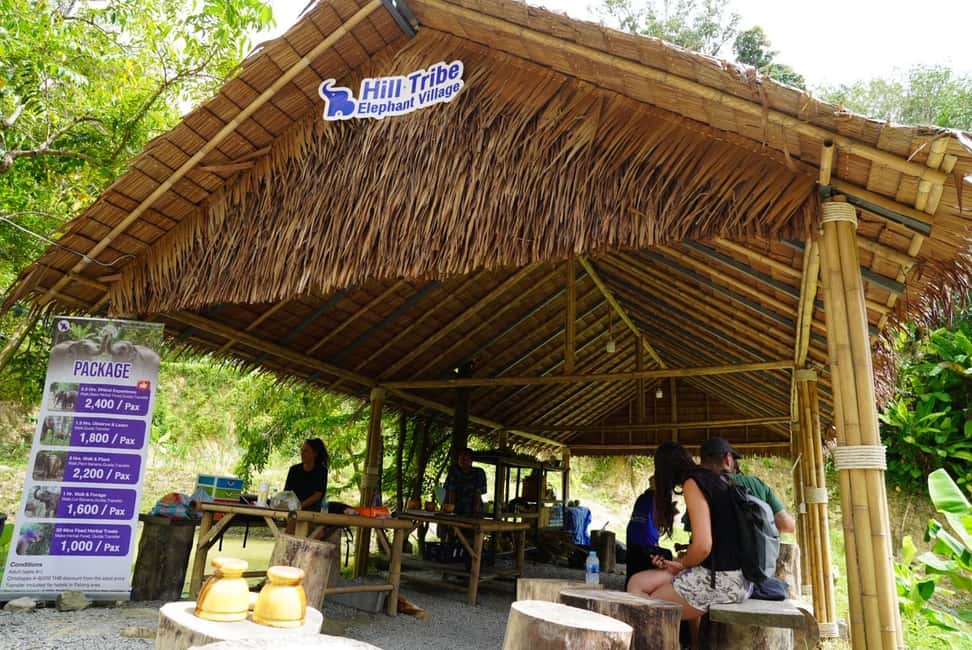
Let’s be honest: in Phuket, elephant encounters come in all shapes and budgets. This one is appealing because the focus is on retirement, rescue, and long-term care, not performance. You’re not here to ride. You’re here to meet elephants as living animals with routines, personalities, and boundaries—and to learn why sanctuaries exist in the first place.
The tour is also tight enough to feel doable. At roughly $40 per person, it’s not trying to be a half-day luxury experience. It’s a short, guided visit designed to fit into a normal Phuket itinerary, especially if you want to add something meaningful without losing your whole day to logistics.
You can also read our reviews of more guided tours in Patong

Hotel transfers that actually matter in Phuket
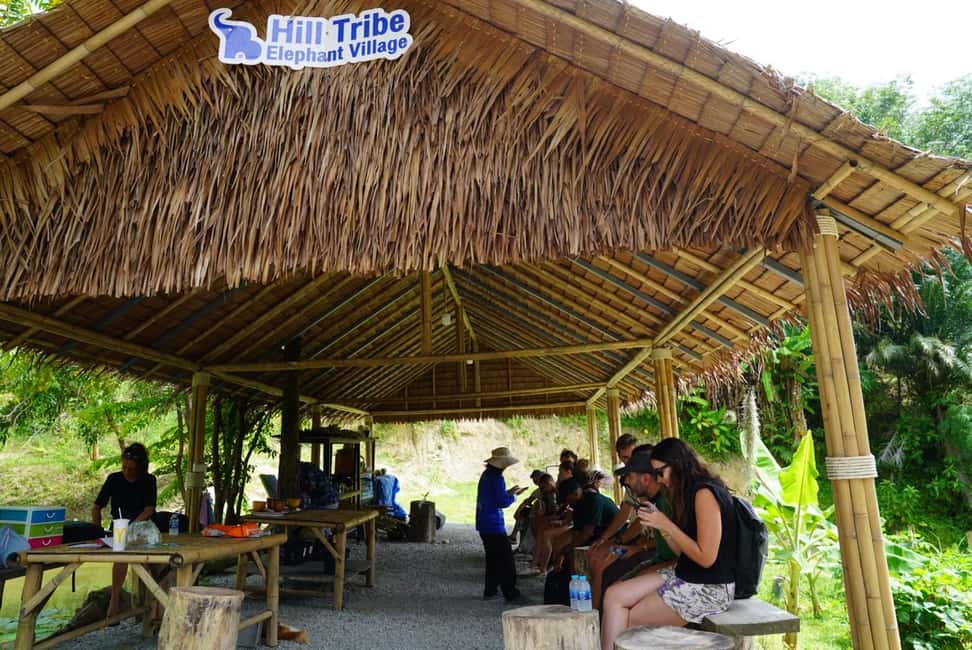
Phuket distances can look small on a map and feel huge in traffic. This tour helps because pickup and drop-off are included, and the service covers a wide area around the island.
Pickup is offered from multiple spots, including Kamala, Chalong, Pa Tong, Karon, Phuket, and Choeng Thale. Drop-off runs to Choeng Thale, Pa Tong, Kamala, Karon, Chalong, and Phuket. In addition, the activity information also notes pickup access from places like Patong, Kata/Karon/Kamala areas, Phuket Town, and nearby pier/beach locations (including Ao Por Pier and Leam Hin Pier).
Two things make this valuable for you:
- It reduces the chance your day turns into a patchwork of taxis and waiting.
- It lowers stress if you’re staying in a more spread-out area and don’t want to gamble on local transport timing.
One small “reality check”: depending on where you’re staying, the drive can still take time. A review specifically noted it can be around one to one and a half hours away if you’re near Karon Beach. That’s not unique to this tour, but it’s useful to factor into your schedule.
What the one-hour sanctuary visit feels like

The visit is built like a guided loop through the sanctuary, with interactions that are controlled for both elephant comfort and visitor safety. The pacing is one of the most praised elements: you get time to meet elephants, feed them, ask questions, and move through the area without the “stand in one place and stare” feeling.
During your guided time, you can expect a mix of:
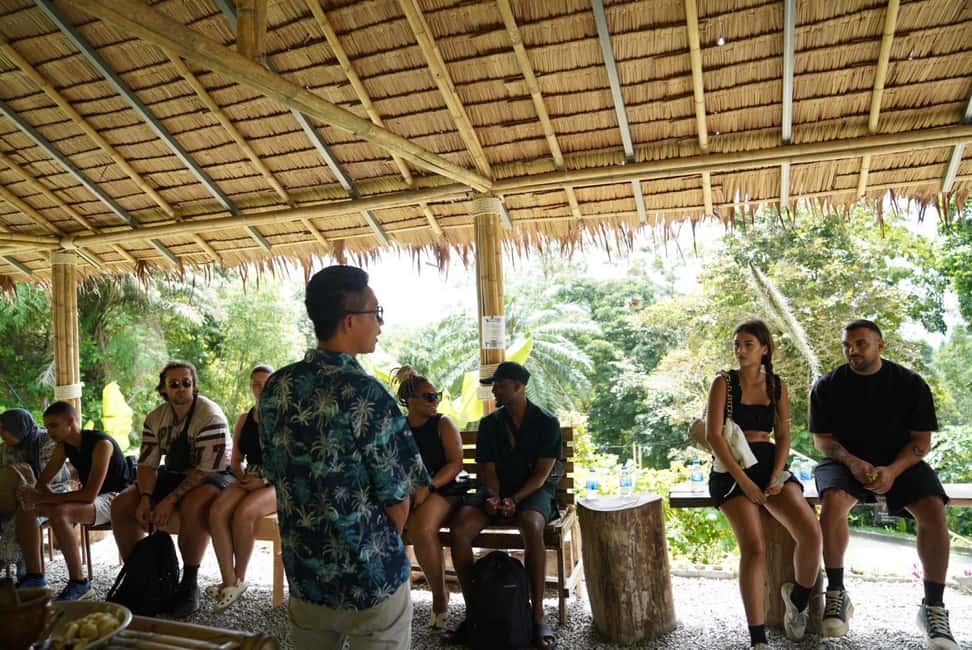
- brief orientation on how to behave around the elephants
- time to prepare or handle elephant food (herbal food is mentioned)
- feeding from your hand
- walking/observing where the elephants choose to go
- quiet “watching stations” where you learn what you’re seeing
From the feedback, the experience often includes chances to observe natural behaviors like bathing/swimming in mud. Importantly, the tours described don’t involve visitors washing elephants. The elephants handle that part themselves, and you watch.
This is one reason the tour works for first-timers. You don’t need a deep background in elephant behavior. The guide does the translation work—what you’re seeing, what the elephant is doing, and why the sanctuary approach matters.
Feeding from your hand: the highlight you’ll remember
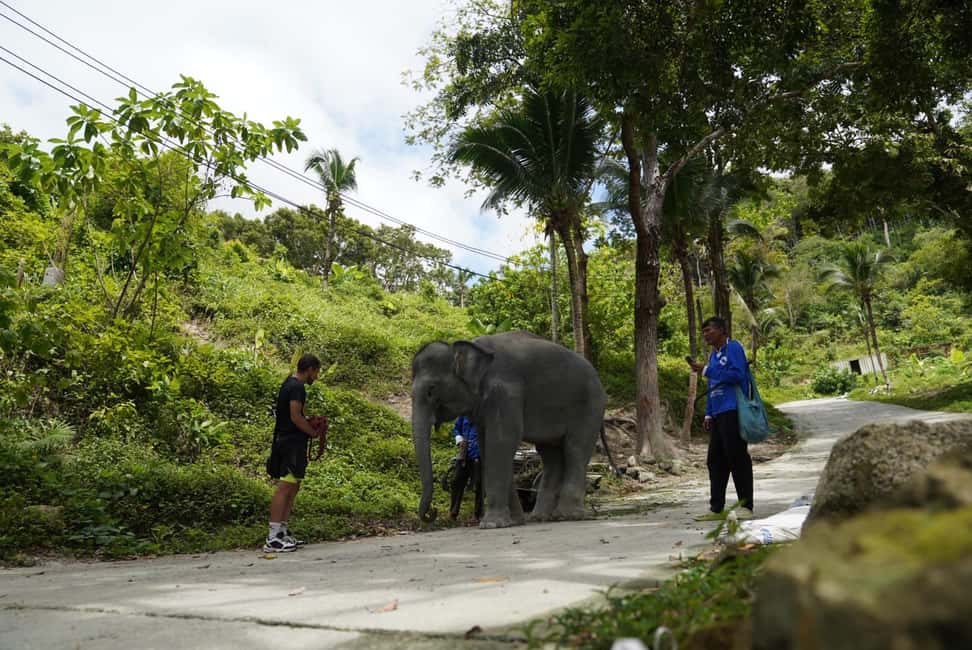
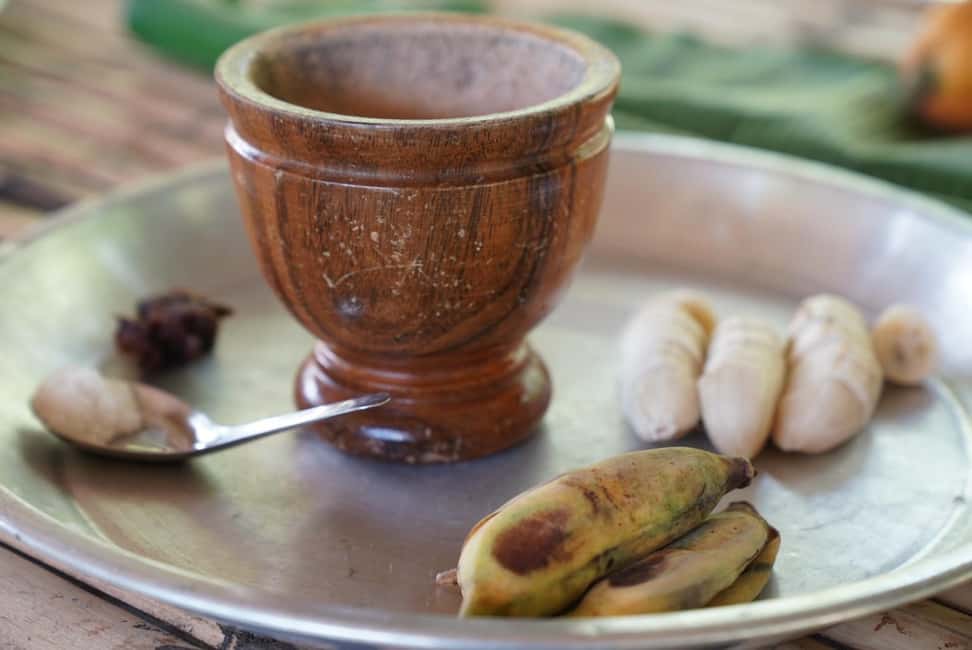
Feeding is the moment most people picture, and it’s also where this tour hits its best rhythm. You’re handed herbal elephant food, then you feed the elephants directly from your hand, while the guide manages the flow and explains what to expect.
In reviews, feeding is often described as gentle and meaningful rather than frantic. A common detail is that elephants are already eating regularly, so the food you provide is treated as a special item—more like a treat than a “help us survive” situation. That’s still a powerful experience, but it frames it in a way that feels respectful.
A practical tip: be ready for direct contact at short range. That means keeping your movements calm and following the guide’s instructions. If you’re hoping to pet or touch freely, you might be disappointed; at least one comment noted wanting more encouragement/direction to touch. So think of this as feeding and observing first, not a full-contact cuddle session.
Photos with personality, not pose-making
If your goal is photos, you’re in the right place. Reviews call out plenty of photo opportunities, and some describe a setup where you may get photos with elephants that are more comfortable around people.
Here’s how to keep your expectations healthy:
- Each elephant has its own comfort level.
- Some elephants may be more social or confident than others.
- You may not see all elephants in the sanctuary during your single guided hour.
One review noted they met only 3 elephants out of a reported 9. That doesn’t mean the sanctuary is doing anything wrong—it’s a reminder that animals move at their own pace, and a short tour can’t guarantee every sight in the place.
If you’re okay with that and you’re present in the moment, the photos you do get usually feel earned, not staged.






Daily routines and the power of walking, not riding
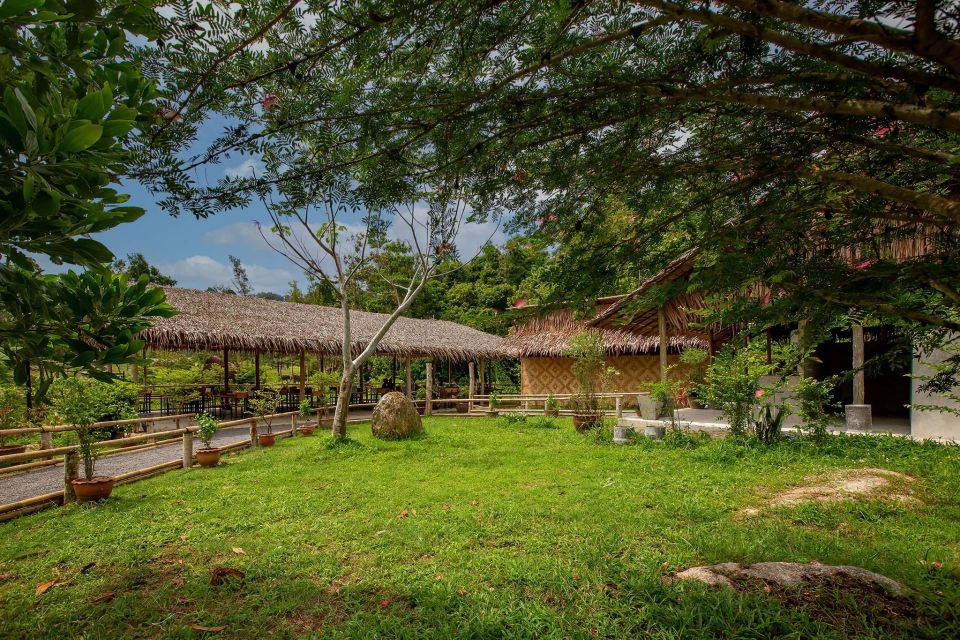
A lot of elephant tours are built around one thing: “watch us do tricks.” This one is built around daily routine and mobility. You walk with the elephants and follow along as they move through the jungle area.
What makes that valuable is how it changes what you notice. You stop thinking of elephants as a photo prop and start noticing animal behavior:
- how they approach food
- how they pause and look around
- how they interact with their environment
- how keepers guide the elephant’s welfare without force
Reviews also emphasize that elephants can roam freely, and that each elephant has its own keeper. That keeper relationship matters. It means care isn’t generic; it’s individualized, with the person who knows the animal best guiding day-to-day welfare.
No rides. No training show. Just observation plus a guided walk. That’s the core of the “ethical” claim, and it lines up with what people loved most.
The guide’s role: stories, behavior, and conservation context
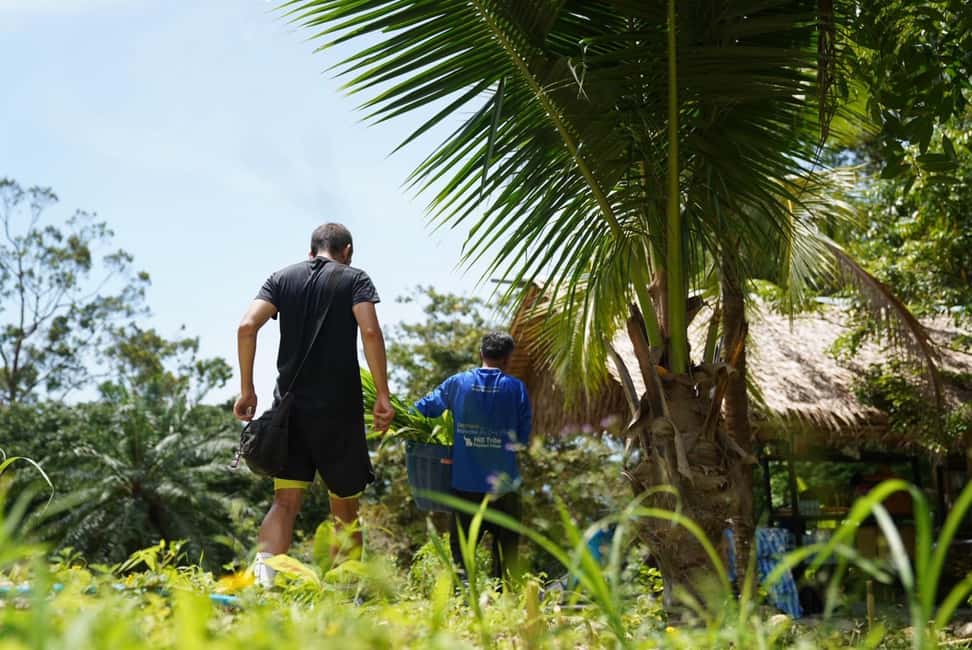
The guide is a big deal here, and it shows in the consistent high ratings. Multiple reviews highlight guides with good English who explain not just facts, but behavior—why elephants do what they do in a sanctuary setting.
You’ll typically hear about:
- the elephants’ stories (rescued/retired backgrounds)
- daily care practices
- how sanctuaries contribute to elephant conservation efforts
- how interaction should be respectful and calm
On top of that, guides are described as friendly, warm, and approachable. People mention having chances for questions and that the pace stays steady. One review even described a thoughtful gesture at the end, along with fruit and a cold water drink during the visit.
I like this guide-driven model because it keeps the tour from becoming a simple “feed and leave” experience. You leave with a clearer sense of what the sanctuary is trying to do beyond the hour you spend there.
Why the $40 price can be good value (and when it isn’t)
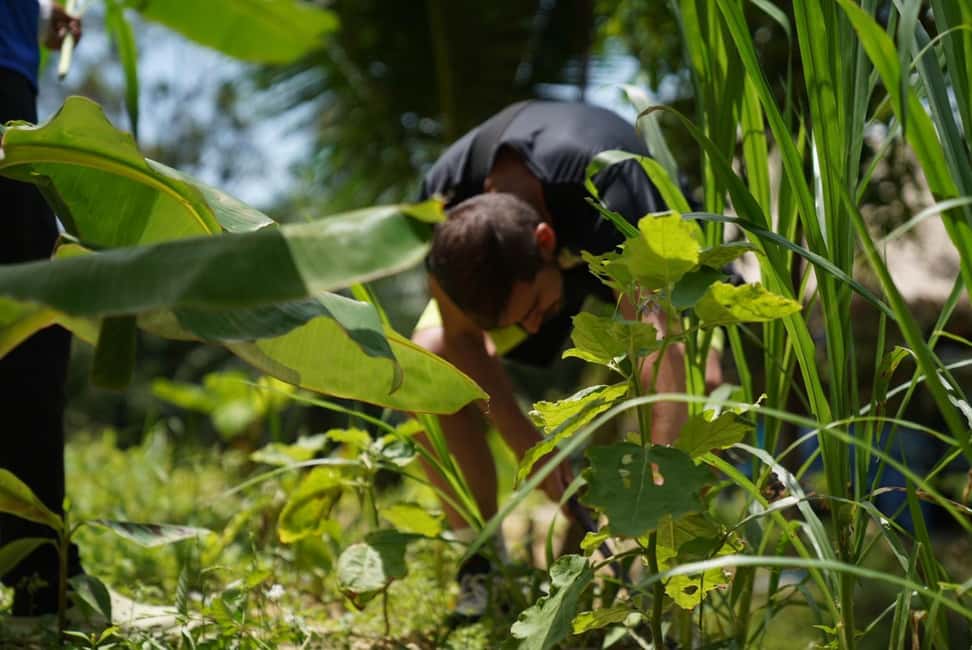
At $40 per person, the biggest value driver is what’s included. You’re getting:
- a guided visit (about one hour)
- hotel pickup and drop-off across major Phuket areas
If you’ve ever tried to do elephant experiences independently, you know transport can eat your budget fast. This tour bundles that piece. It also bundles a guide, which changes the experience. Without a guide, you’d still be watching elephants, but you’d likely miss the “why” behind what you’re seeing.
That said, it may not be the best value for everyone. If you want a long, slow visit with lots of time in one place, one hour at the sanctuary is limiting. You’re paying for a focused encounter, not a full-day immersion.
So the honest “value fit” is:
- Great value if you want a short, ethically oriented elephant visit with transfers handled.
- Less ideal if your priority is maximum elephant time over everything else.
Who this tour is best for
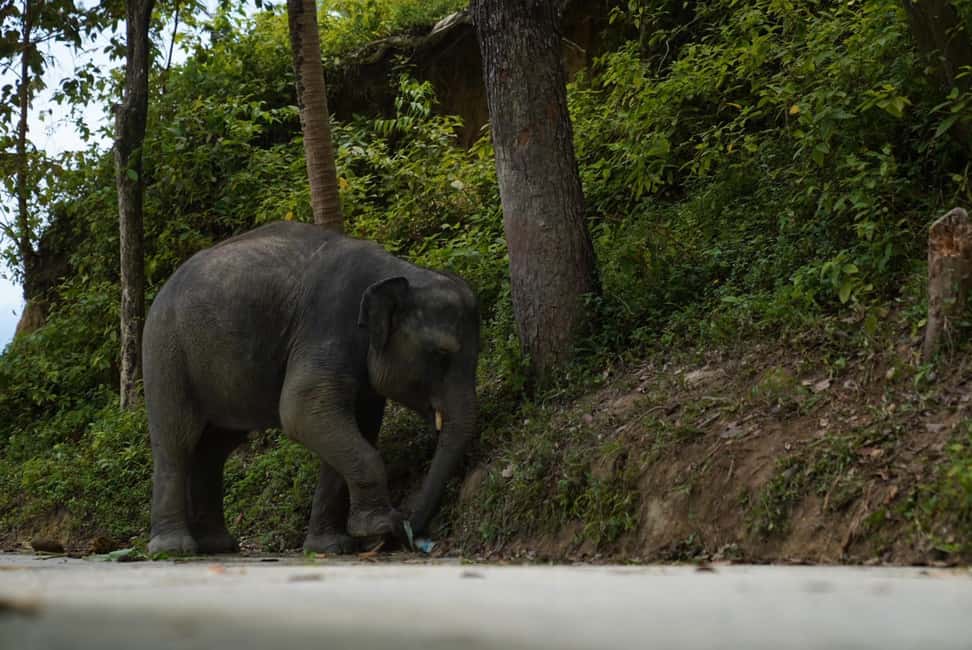
This is a strong match if you:
- want an ethical elephant experience without riding or forcing behavior
- are short on time in Phuket and want something that fits your schedule
- want a guide who explains elephant behavior and conservation efforts in clear English
- care about comfort and convenience (pickup included is a big plus)
It’s also a solid choice for families, since reviews mention guides making young kids feel included. Just remember: with a one-hour format, the visit is structured. You’ll have time for photos and questions, but it’s not an all-day hangout.
If you’re traveling as a serious animal welfare skeptic, you should go in with a thoughtful mindset. This tour positions itself as ethical (no riding; feeding and observation). You’ll still want to pay attention to the interaction rules and follow the guide closely.
A few practical tips to make your hour smoother
The sanctuary is in Phuket. It can be hot, and the schedule is about comfort rather than staying out forever. Reviews mention the tour is not too long in the heat, which is exactly what you want for a one-hour visit.
To keep your experience easy:
- wear comfortable clothes and closed-toe shoes (you’ll be moving outdoors)
- bring sun protection in your daypack if you’re sensitive to heat
- keep your phone/camera ready but follow instructions during feeding so you don’t rush or crowd the elephants
Also: choose your priorities. If feeding is your top goal, focus on that moment. If you love watching behavior, be present during the walk-and-observe parts too.
Should you book this Phuket elephant sanctuary tour?
I’d book this tour if you want a short, guided, ethically framed elephant experience in Phuket with hotel transfers included and a format centered on feeding and observing retired/rescued elephants. The guide quality seems consistently strong, and the pacing works well for people who don’t want to spend the entire day traveling and sweating.
I might skip it (or at least set expectations) if you’re hoping for a longer sanctuary stay, or if you expect to meet every elephant in one visit. With a one-hour timeframe, you’ll see what’s available that day and what the elephants choose to do.
If you want a clean, practical way to support elephant welfare in Phuket without turning your trip into a logistics project, this one is a smart bet.