REVIEW · THAILAND
Phuket: Batik Workshop Making and Painting Class
Book on GetYourGuide →Operated by Phuket Batik Workshop · Bookable on GetYourGuide
Batik turns Phuket time into art. I like the step-by-step guidance through the wax-resist process, from sketching your design to drawing the wax lines and adding color. I also enjoyed meeting Kwang, who helped along with the shop owners, including the owner’s wife who had been an art teacher. The main thing to consider is timing can be a little flexible, so your start or finish may shift.
After your guided session, the team handles the next steps for about two more hours—coating colors, removing wax, and drying your fabric—so you can either come back or arrange delivery to your hotel. You end up with real batik you can keep, which feels like the kind of Phuket memory that survives past the beach photos.
Even if you have zero art skills, you’re walked through the whole process by instructors who speak English and Thai, and you can bring a design idea or use their examples. Plan on wearing clothes that can get dirty and bring a camera so you can remember the patterns and colors you made, with no prior batik experience required.
In This Review
- Key things that make this Phuket batik class worth your time
- Why batik feels more local than a beach detour
- Inside the class: sketching, wax lines, and painting at your pace
- A practical tip: dress for wax-and-dye reality
- What happens after you paint: the finishing phase (and why it’s worth trusting)
- The instructors and the shop team: help that actually reaches beginners
- Price and value in Phuket: what $62 really buys you
- Where you go: Changthai Tour and Travel area, and how to plan your timing
- Who should book this batik workshop (and who should rethink it)
- Should you book the Phuket Batik Workshop Making and Painting Class?
- FAQ
- How long is the Phuket batik workshop?
- What’s included in the price?
- Is a meal included?
- Do I need prior batik experience?
- What languages do the instructors speak?
- What should I bring?
- Is there free cancellation or a pay-later option?
Key things that make this Phuket batik class worth your time
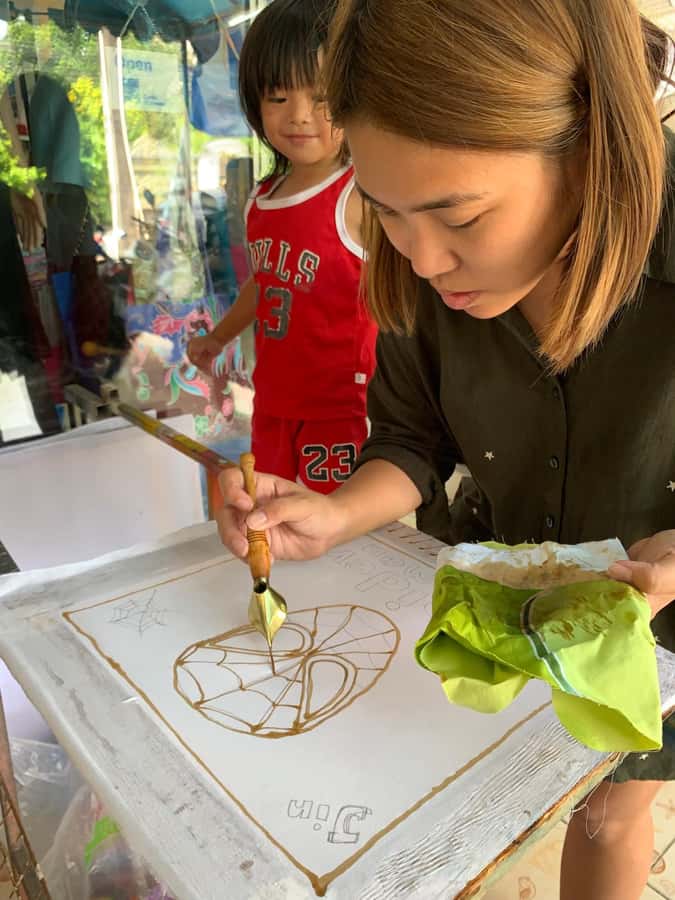
- Wax-resist batik, taught clearly: you draw wax lines to protect your design while you paint.
- You make the artwork, not just watch: sketch, wax outline, then paint and color your creation.
- English and Thai instruction: you can follow along even if your Thai is basic.
- A relaxed, helpful shop vibe: coffee and drinks show up, and there’s little pressure to rush.
- The work continues after you’re done painting: the team finishes by coating, removing wax, and drying.
Why batik feels more local than a beach detour

Phuket is easy to understand: beaches, viewpoints, and seafood. But if you want a break that still feels like Phuket, this Phuket batik workshop is a nice change of pace. You’re working with a craft that’s all about pattern, planning, and color decisions—things you can’t really fake with a quick photo stop.
What I like most is that the class turns culture into something practical. You’re not just learning facts about batik. You’re learning how the craft behaves: wax resists dye, lines matter, and small choices change the whole look. That hands-on feedback makes it easier to appreciate the tradition behind it, even if you know nothing beforehand.
And the shop atmosphere helps. One participant mentioned chatting with the shop owners and their assistant Kwang, plus learning that the owner’s wife had once been an art teacher. That kind of detail matters because it shifts the experience from a generic activity into something more personal—like you’re joining a local workspace for a short time.
If you only have a day or two in Phuket, this is also a smart use of time. You get a creative project with a clear finish, plus a tangible souvenir you’ll actually want to keep.
A few more Thailand tours and experiences worth a look
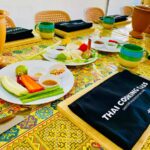

Inside the class: sketching, wax lines, and painting at your pace
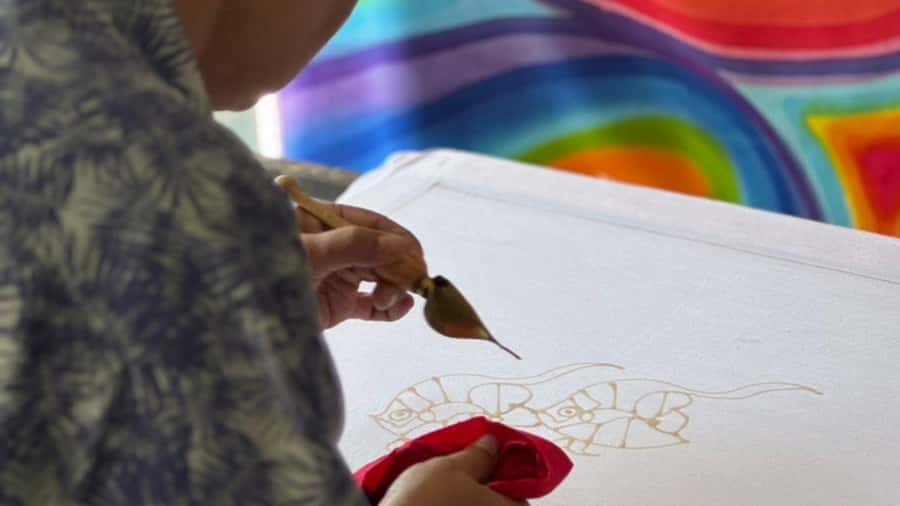
The heart of the workshop is the guided making process. Expect a structured lesson that walks you forward in stages: design, wax resist, then painting.
Start with your design. You’ll be encouraged to sketch your artwork—either using your own ideas or picking inspiration from the shop’s collection. This matters because batik designs can be simple or detailed, and beginners often worry they won’t be creative enough. The class format helps you scale your ambition to your comfort level.
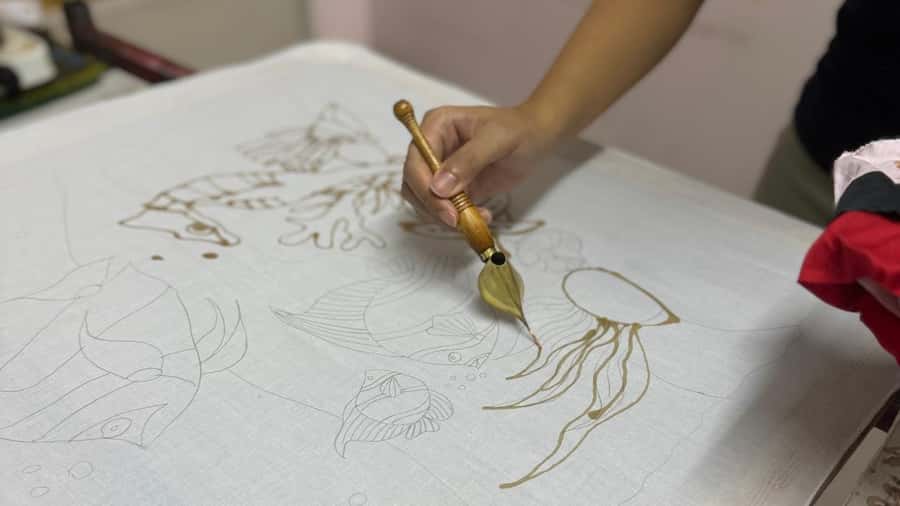
Draw wax lines to outline the design. This is the moment batik really becomes batik. You outline your planned areas with wax so the dye won’t fill those protected sections. It’s part drawing, part control. If your lines aren’t perfect, that’s okay; the instructors are there to guide you through the process step-by-step.
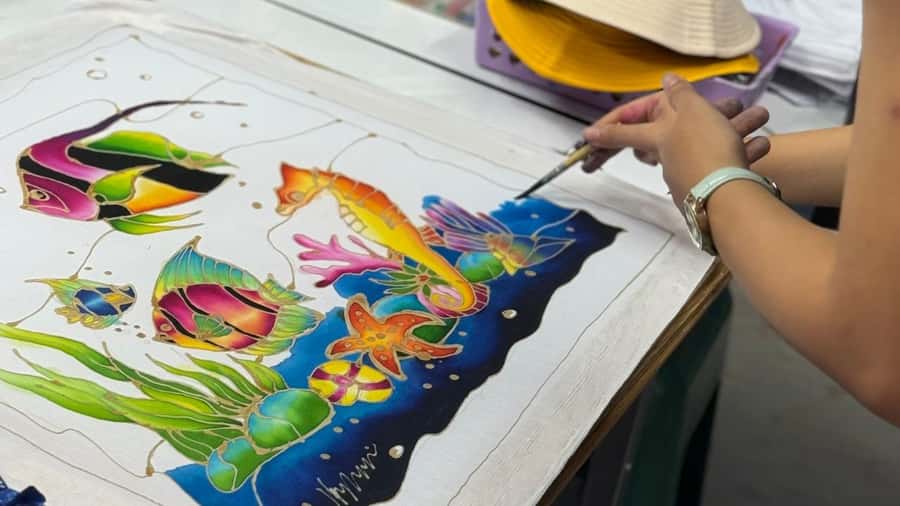
Then you paint and color. Once your wax lines are set, you paint your colors over the fabric. This is where the project starts to feel like yours. You can focus on a theme (flowers, shapes, patterns) or just enjoy experimenting with how colors spread and interact.
One useful reassurance: the workshop is described as suitable for all ages and skill levels, and there’s no need for prior batik experience. In one example, the instructions were described as easy to follow even with a language barrier, which is exactly what you want from a class like this.
A practical tip: dress for wax-and-dye reality
The class includes painting steps and wax work, and you’ll want to avoid good clothes. Wear comfortable items you won’t mind getting stained or spotted. You’ll be glad you did when you’re leaning over your fabric and concentrating on your design.
What happens after you paint: the finishing phase (and why it’s worth trusting)
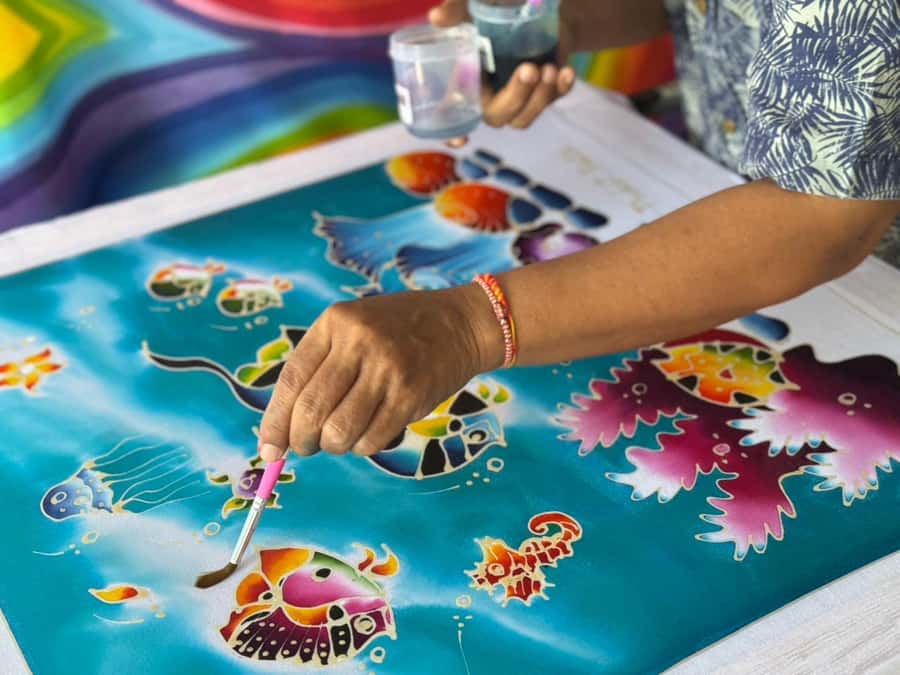
Here’s the smart part of the workshop: your job isn’t just to paint and walk away. The process continues after the guided session.
After you complete the parts you work on during class, the team takes around two more hours to finish the batik properly. That extra time includes:
- coating the colors
- carefully removing the wax
- drying your finished piece
This matters for two reasons.
First, batik has a few steps that are easier to do correctly in a controlled workflow. The wax removal and drying can affect the final look—whether you get sharp protected lines or more blurred results.
Second, it saves you stress. You don’t need to master the finishing steps during the class. You focus on drawing wax lines and painting, then the experts handle the rest.
When it’s time to get your artwork, you’ll have options. You can come back to pick it up, or you can arrange delivery to your hotel (you discuss the details directly with the team). That flexibility is helpful if you’re doing other Phuket activities later the same day.
In one account, the final batik became a cherished framed souvenir from a Phuket visit. Even if you don’t frame yours right away, you’ll likely want to display it—batik looks best when it’s treated like real art, not just fabric.
The instructors and the shop team: help that actually reaches beginners
A batik workshop lives or dies by instruction quality. The good news here is that the class is taught by English and Thai instructors, and the process is designed for people who are starting from zero.
In practice, that means you get support while making choices:
- You can bring design ideas and get help translating them onto fabric.
- Or you can rely on the shop’s examples and let the instructors steer you to a design that fits the time you have.
- You’re guided through the wax-resist process step by step, rather than being left to figure it out.
I also like that the shop isn’t portrayed as robotic. One participant described meeting the shop owners and assistant Kwang, and noted how the team worked together so the design could be completed as much as possible within the time allotted. Another person specifically said instructions were clear even across a language barrier.
That combination—structured teaching plus human support—is exactly what helps you walk out with a piece you’re proud of, instead of a messy craft project you regret starting.




Price and value in Phuket: what $62 really buys you
At around $62 per person for about 150 minutes, the price feels fair when you look at what’s included. You’re not paying just for a seat. You’re paying for:
- the fabric
- batik color materials
- wax
- dyes
- brushes
And you get the finished artwork to take home. That’s the difference between a craft class that’s worth it and one that feels like you’re buying a souvenir with extra steps.
Also, the workshop is time-efficient. You’re guided through the main creative stages, then the team handles finishing work after class. That adds value because the final result depends on process quality, not only your painting skill.
One thing to plan around: meals aren’t included. If you’re doing this during a busy day, eat beforehand or plan a snack nearby. It’s a small detail, but it keeps the experience from turning into a mid-class food scramble.
Where you go: Changthai Tour and Travel area, and how to plan your timing
The meeting point is Phuket Batik Workshop in the building of Changthai Tour and Travel. That’s a helpful anchor if you’re navigating Phuket without a private guide, because you can aim for a known reference point rather than hunting for a tiny studio.
Timing is the one part you should treat as flexible. Even though the experience is listed around 150 minutes, the class duration can run closer to 1.5 to 3 hours and may finish early depending on your skill. After that, the finishing phase takes about two more hours handled by the team.
So how should you schedule it?
- If you want to shop, swim, or do a temple visit later, keep a buffer hour in your plan.
- If you choose hotel delivery, you still want to make sure you’ll be reachable and available for the drop-off.
- If you prefer coming back to pick it up, plan the rest of your day around that flexibility.
One participant mentioned a start delay because the shop didn’t initially have full awareness of the workshop payment on the day of arrival. That’s not something you can control, but it’s a good reminder to arrive a bit early and be ready for small real-world timing adjustments in Phuket.
Who should book this batik workshop (and who should rethink it)
This class is a great match if you want:
- a creative activity that feels local
- a clear, hands-on project with a finished product
- instruction in English and Thai
- something enjoyable for a range of ages and skill levels
It’s especially good for rainy-day energy or when you’ve had enough sun. Instead of another “see a view” stop, you’re making something.
Two practical cautions:
- Wear paint-friendly clothes. Wax and dyes can get on fabric, so dress accordingly.
- Mobility needs need a quick check. The activity is listed as wheelchair accessible, but it also says it’s not suitable for people with mobility impairments. If you have mobility constraints, I’d contact the provider directly before booking so they can confirm what the space and process will be like for your situation.
If you want a totally hands-off experience or you expect a pure museum-style cultural talk, this isn’t that. This is a make-it-yourself batik class, and you’ll get the most out of it if you’re willing to focus for a bit and enjoy trial-and-error.
Should you book the Phuket Batik Workshop Making and Painting Class?
I think you should book this if you want an authentic Phuket souvenir that comes from your own hands. The step-by-step wax-resist process, bilingual support (English and Thai), and the fact that materials are included make it a good value for the money.
Skip it or ask extra questions first if timing is extremely tight in your schedule, or if you know you can’t handle a fabric craft that involves dirty-prone materials and careful handwork.
One last decision tip: if you enjoy crafts, drawing, or even just picking colors, you’ll likely come away feeling proud. And if you don’t, you can still aim for a simpler design and let the instructors help you finish. That’s the kind of flexibility that turns this from a random activity into a memory you’ll want to keep.
FAQ
How long is the Phuket batik workshop?
The duration is listed at about 150 minutes, and the class is described as around 1.5–3 hours. Finishing time can vary depending on your skill, and the team also spends additional time on the later steps.
What’s included in the price?
The workshop includes all materials and supplies, including fabric, batik color, wax, dyes, and brushes. You also take your handcrafted batik artwork home.
Is a meal included?
No. Meals are not included.
Do I need prior batik experience?
No prior batik experience is required. The workshop is designed to be suitable for all ages and skill levels.
What languages do the instructors speak?
Instructors speak English and Thai.
What should I bring?
Bring a camera, wear comfortable clothes, and wear clothes that can get dirty.
Is there free cancellation or a pay-later option?
Yes. You can cancel up to 24 hours in advance for a full refund, and you can reserve now and pay later.