REVIEW · PATTAYA
Pattaya PADI Scuba Diving Two Exciting Try Dives with PADI Instructor in Pattaya
Book on Viator →Operated by Trip Thai Tour · Bookable on Viator
Underwater training starts with a calm boat lesson. In Pattaya, this PADI-based try program is built for first-timers: a clear briefing, controlled practice in shallow water, then guided time at a coral reef. I like that the day feels structured and safe, and you get real PADI-style instruction rather than just winging it.
Two things I’d call out right away. First, the hotel pickup (when offered) tends to be punctual and comfortable, so you spend less time guessing and more time preparing. Second, the training method is hands-on: you practice the basics in shallow water until you’re comfortable, then move to guided reef sessions.
One possible drawback: you’re expected to have strong physical fitness, and the schedule depends on good weather. If you’re not comfortable with being in the water and moving around the boat setup, you’ll want to think carefully before booking.
In This Review
- Key highlights to know before you go
- A 6-hour Pattaya schedule that doesn’t feel rushed
- The morning briefing + shallow-water practice: where confidence is built
- Two guided reef sessions (about 40 minutes each): what to expect
- Lunch in the middle: a practical break that keeps you enjoying the day
- Optional snorkeling for companions: a good way to keep the day together
- Instructor-led safety and small-group attention
- Price and value in Pattaya: when $161.58 makes sense
- Weather and physical readiness: the two things that control your outcome
- Who this Pattaya scuba try program is best for
- Should you book this Pattaya PADI try session?
- FAQ
- What time does the Pattaya PADI try scuba experience start?
- How long does the experience take?
- Is hotel pickup included?
- How big is the group?
- Are there two underwater sessions or one?
- Can my companion snorkel instead of doing the scuba sessions?
- Do I need strong physical fitness?
- What happens if weather is bad?
- How does cancellation work?
Key highlights to know before you go
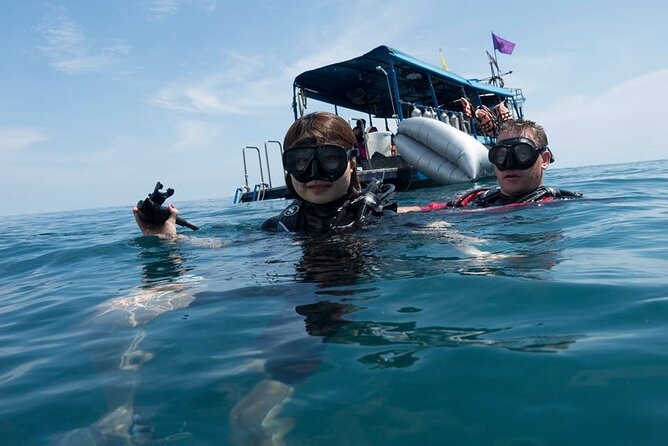
- Hotel pickup included (when offered): helps you start 8:00 am without stress
- Shallow-water skills first: you learn equipment use and basic control before going reef-side
- Two separate reef sessions: each around 40 minutes, guided by your instructor
- Small group limit (max 15): more attention during skills and in-water guidance
- Lunch break between sessions: keeps the day manageable instead of nonstop water time
- Snorkeling option for companions: your non-scuba partner can join the boat and snorkel at two spots
A 6-hour Pattaya schedule that doesn’t feel rushed
This is a roughly six-hour day built around learning the fundamentals and then getting you underwater in a controlled way. The start time is 8:00 am, which matters in Pattaya because it lets you beat the day’s heat and get to the islands with more predictable conditions.
The timing also explains the pacing. You’ll do briefing and shallow-water practice first, then you’ll move into reef time with two underwater sessions of about 40 minutes each. Between the two sessions there’s a lunch break, which is a big deal for comfort when you’re learning something new. You’re not just thrown in and told to handle everything at once.
Group size is capped at a maximum of 15. That usually translates to better real-time attention, especially when people are still getting used to breathing through scuba gear and adjusting their buoyancy and hand signals.
You can also read our reviews of more scuba diving tours in Pattaya

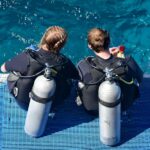
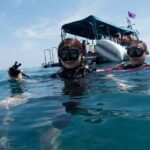
The morning briefing + shallow-water practice: where confidence is built
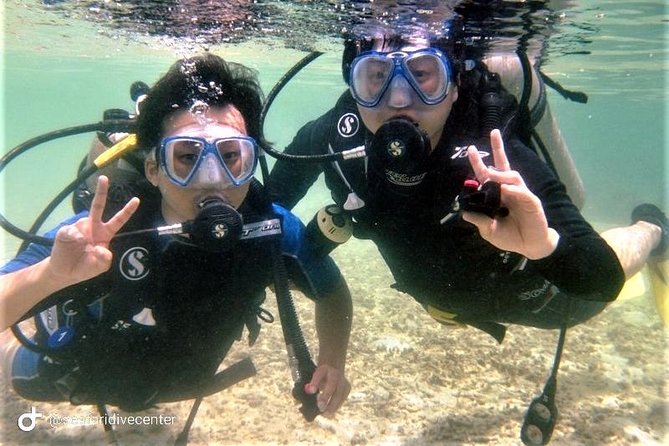
The day starts with a boat journey to the islands. On board, your instructor covers how to use your scuba equipment and reviews safety procedures before you ever put your face underwater. I like this order because it prevents the common first-time problem: panicking while you’re still learning gear basics.
Then you go to the dive site and begin in a shallow water area. This is the core of the “try” design. You’ll practice a few basic scuba skills with your instructor nearby, at a depth where it’s easier to feel in control. You can also get a feel for breathing underwater using the equipment setup you’ll use for the rest of the day.
A useful detail: you can even practice breathing on the boat before you reach the shore. That’s smart for nervous first-timers because it removes the first big shock. Your instructor can spot what you’re struggling with early, and you can adjust before the reef session.
What to bring mindset-wise: treat the shallow practice as the main event, not the warm-up. If you focus on the instructor’s cues and go slow through the early skills, the later reef time tends to feel smoother.
Two guided reef sessions (about 40 minutes each): what to expect
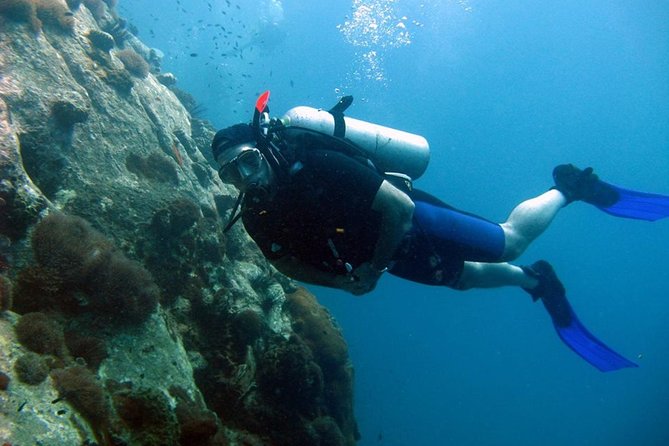
Once you’re comfortable in the shallow area, your instructor guides you on a reef tour. The structure is two separate reef sessions during the day, each lasting around 40 minutes. That split matters. Instead of one long continuous time that can feel tiring or overwhelming for beginners, you get a reset between sessions.
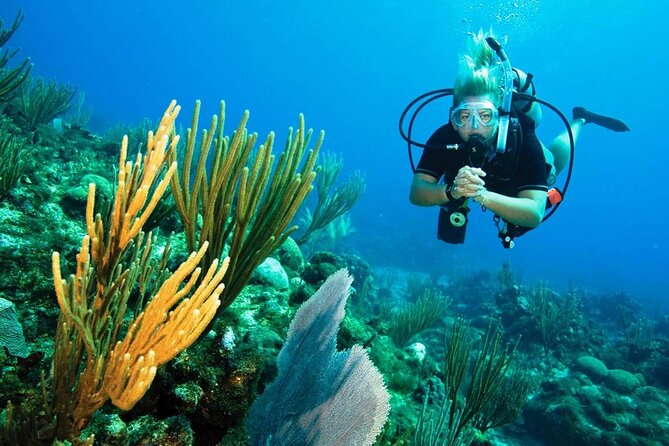
During the reef time, your role is to follow the instructor’s guidance while you observe marine life and coral. This is not about performance. It’s about learning how scuba feels in a real environment—slow movement, controlled breathing, and staying aware of your surroundings and your group.
Here’s how I’d mentally prepare. Even when you’re feeling fine in shallow water, open water can feel different due to depth changes, current, and buoyancy control. The guided setup helps, but your best strategy is to stay relaxed and follow instructions immediately. If you get tense, you’ll waste energy. If you stay calm, you’ll enjoy it more and last better through the session.
Lunch in the middle: a practical break that keeps you enjoying the day
Between your two reef sessions, there’s a lunch break. This sounds simple, but it’s part of why the day works for first-timers.
After a morning of learning and practicing, you’ll be tired in that specific way that comes from new gear, new breathing rhythm, and concentrating the whole time. Having food in the middle helps you avoid the late-day drop where people feel cold, drained, or cranky.
Because the day is about learning and comfort, lunch also gives you a chance to check in with your instructor and staff—ask quick questions, confirm how the second session will be handled, and make sure you’re feeling steady.
Optional snorkeling for companions: a good way to keep the day together
If you’re traveling with someone who isn’t doing scuba, you don’t have to split your day. Snorkeling friends can join the same boat outing and snorkel at two locations.
That’s a practical perk for couples or small groups. One person can be in training while the companion still gets a full island-and-water experience. It also means the day doesn’t become awkward logistics where one person stays behind.
If you’re the scuba participant, this also helps socially. You’re not totally separated from the people you came with—everyone’s doing something water-related, even if it’s different.





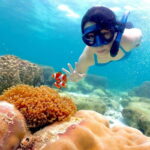
Instructor-led safety and small-group attention
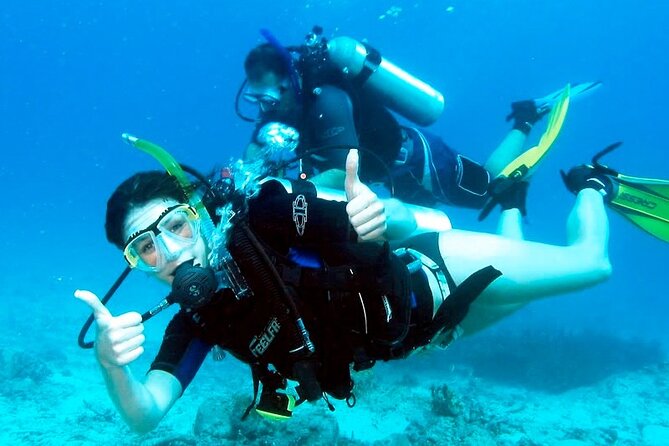
The program is built around PADI instructor guidance, and that matters for how safe and comfortable you’ll feel. The staff helps you get into the water together with the instructor and then stays with you during the shallow practice and reef tour.
From the strongest feedback themes tied to this kind of program, what people tend to love is clarity. In this experience, the instructor’s job is to explain how to succeed with the skills, not just hand you gear and hope for the best. When instruction is calm and specific, first-timers usually pick it up faster.
The “max 15 travelers” limit reinforces that. In larger groups, instructors can have less time for each person. Here, the structure is more likely to support real coaching during the moments when you need it most—like first breaths underwater or understanding hand signals and positioning.
Price and value in Pattaya: when $161.58 makes sense
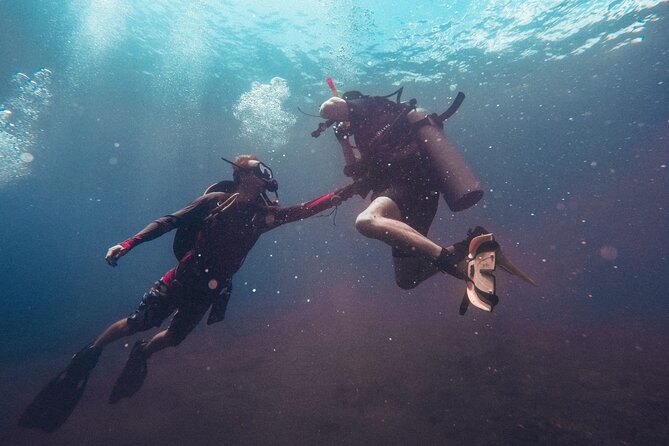
At $161.58 per person for this roughly six-hour experience, the main value question is: are you getting more than a simple boat outing?
This program isn’t just scenery. You’re paying for:
- Instructor-led briefing and safety explanations
- Shallow-water skills practice
- Two guided reef sessions (each around 40 minutes)
- A lunch break between sessions
- Boat transportation to the island area
- The option for a companion to snorkel at two locations
That’s a lot of guided time for a single day, and for first-timers it can be worth it because it reduces uncertainty. You don’t have to figure out what to do once you reach the water. You follow a plan that’s designed to work for beginners.
One thing to weigh: you’ll need good physical comfort. Since strong fitness is required, you’ll get better value if you can handle moving on and off the boat and staying comfortable in water conditions. If you know you’re prone to motion sickness or get stressed in physical situations, consider whether you’ll be able to enjoy the experience.
Weather and physical readiness: the two things that control your outcome
This is a weather-dependent activity. The experience requires good weather, and if it’s canceled due to poor weather you’ll be offered a different date or a full refund. That’s important in Pattaya because sea conditions can change.
Physical fitness is the other big gate. The activity specifies strong physical fitness. That doesn’t necessarily mean you need to be an athlete, but it does mean you should feel comfortable with:
- Being in the water and staying steady during skills practice
- Keeping calm and controlled while breathing underwater gear
- Managing movement and balance around the boat setup
If you’re generally comfortable with water and you can follow instructions calmly, you’re likely to do well. If you’re unsure, it’s worth being honest with yourself before booking.
Who this Pattaya scuba try program is best for
This fits best if you’re:
- A true first-timer who wants instruction, not just sightseeing
- Curious about what scuba feels like and wants a structured path to reef time
- Traveling with a companion who might prefer snorkeling instead
It may be less ideal if you:
- Don’t feel confident with being active in and around boats
- Know you struggle with stress in new physical environments
- Need guaranteed conditions and can’t be flexible if weather changes
Should you book this Pattaya PADI try session?
I’d book it if you want a beginner-friendly day that’s planned around safety, confidence-building, and real in-water guidance. The combination of shallow-water practice, two guided reef sessions, and a lunch break makes the full experience feel manageable, not overwhelming.
I’d skip or reconsider if physical comfort is a concern for you, or if you’re traveling at the edge of weather patience and you’d rather avoid potential rescheduling. For most people who are curious and ready to learn, this is a solid way to turn a holiday morning into a genuinely memorable underwater experience—without having to figure out the basics alone.
FAQ
What time does the Pattaya PADI try scuba experience start?
It starts at 8:00 am.
How long does the experience take?
The duration is about 6 hours.
Is hotel pickup included?
Pickup is offered, and it’s part of how the day begins (you’ll want to confirm the exact pickup details at booking).
How big is the group?
The experience has a maximum of 15 travelers.
Are there two underwater sessions or one?
There are two underwater sessions per day, and each is around 40 minutes.
Can my companion snorkel instead of doing the scuba sessions?
Yes. Snorkeling friends can join the boat and snorkel at two locations.
Do I need strong physical fitness?
Yes. The activity specifies that travelers should have a strong physical fitness level.
What happens if weather is bad?
If it’s canceled due to poor weather, you’ll be offered a different date or a full refund.
How does cancellation work?
You can cancel up to 24 hours in advance for a full refund. Cancellations made less than 24 hours before the start time aren’t refunded.