REVIEW · PATTAYA
From Pattaya: Living Green Elephant Sanctuary Day Trip
Book on GetYourGuide →Operated by Living Green Elephant Sanctuary Chiang Mai and Chonburi · Bookable on GetYourGuide
Free-roaming elephants beat any ride. This day trip to Living Green Elephant Sanctuary puts you close to rescued elephants with strict welfare rules.
What I really like is the no-riding, no-chains approach, so the elephants move at their own pace. I also love how guides share individual elephant stories while you observe natural behavior.
The experience starts with dressing in traditional Mo Hom clothes, then you’re briefed before hand-feeding and trekking alongside the herd. On top of that, guides like Lulu and Mod keep the mood relaxed and the information clear, so you know what you’re seeing.
One heads-up: you’ll be outdoors in mountain heat, and some parts feel light on shade while the group waits for elephant timing. It’s still worth it, but pack for sun and sweating.
In This Review
- Key things to know before you go
- Living Green Elephant Sanctuary: What ethical really looks like
- Getting from Pattaya: timing, vans, and why “3 hours” can be tricky
- Mo Hom clothing and the pre-elephant briefing that changes everything
- Feeding and jungle trekking: walking with elephants without crowding them
- Bath time: joining the elephants when conditions allow
- Lunch, shade breaks, and the practical side of staying comfortable
- Guides, group size, and how the day feels on the ground
- Price and value from Pattaya: what you’re paying for
- Who should book—and who should skip this one
- Should you book Living Green Elephant Sanctuary from Pattaya?
- FAQ
- Where is Living Green Elephant Sanctuary located relative to Pattaya?
- How long is the day trip, and are there morning and afternoon options?
- Can I ride the elephants?
- What elephant activities are included during the visit?
- Is bathing included, and what if elephants don’t go into the water?
- What’s included in the price, and what’s not?
- What should I bring?
- Do I get a tour guide, and what language do they speak?
- How does hotel pickup work from Pattaya?
- Is this trip suitable for young kids, pregnancy, or allergies?
Key things to know before you go
- No-riding, no-chains policy keeps the focus on elephant welfare and natural behavior
- Mo Hom clothing and basic safety guidance help you feel prepared from minute one
- Hand-feeding and small jungle treks mean you’re more “with them” than “on them”
- Bath time is optional on their terms, and weather can affect river water activities
- Pad Thai lunch plus cold water gives you a real break after elephant time
- Small-group feel is the goal, but timing can still feel crowded if multiple vans arrive together
Living Green Elephant Sanctuary: What ethical really looks like
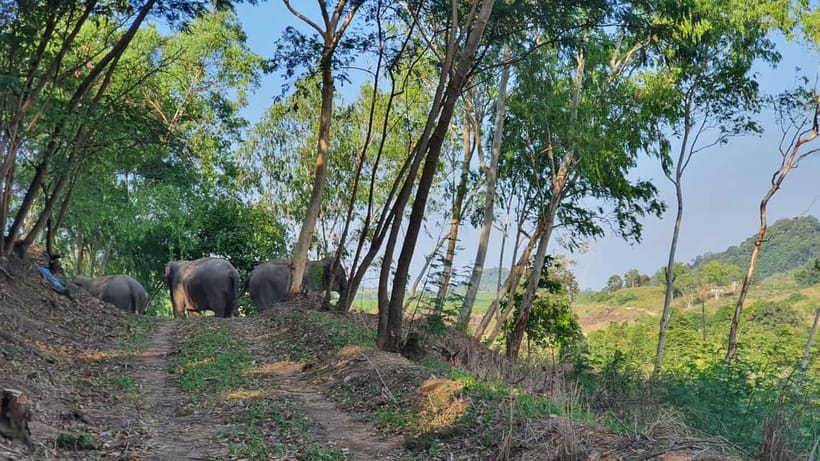
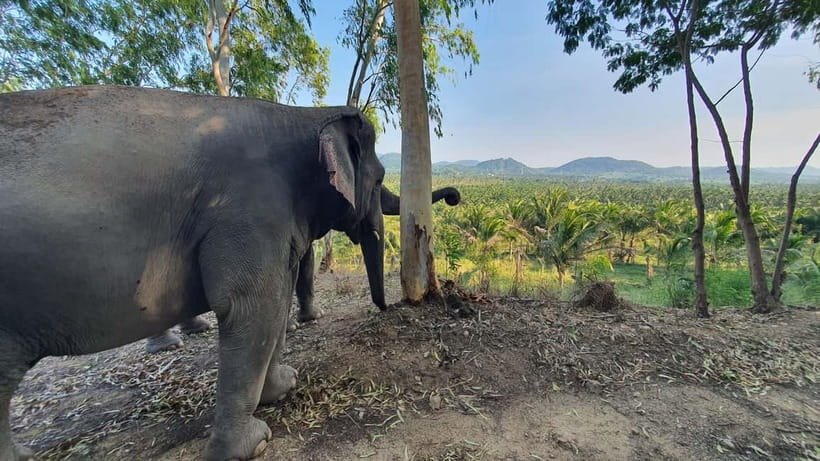
This is an elephant sanctuary visit that follows a simple idea: elephants aren’t entertainment. At Living Green Elephant Sanctuary (Chonburi), the rules are blunt—no riding, no chains, and no staged performances. What you do instead is observe, feed (safely), walk alongside them on forest paths, and watch them bathe and roll in mud when they choose.
I like that the sanctuary builds the day around the elephants’ routines, not your checklist. You’re not herded into one tight spot for a photo op. Elephants roam freely, forage naturally, and join the water when it makes sense for them. That difference matters because it changes the vibe from showtime to respectful encounter.
And yes, you may end up with strong memories fast. People often talk about meeting a younger elephant—Charlie, the baby elephant comes up a lot—and learning that these animals have names, personalities, and needs. You’ll hear that directly from the guides as they explain why the sanctuary’s conservation work matters, especially for rescued elephants.
A few more Pattaya tours and experiences worth a look
Getting from Pattaya: timing, vans, and why “3 hours” can be tricky
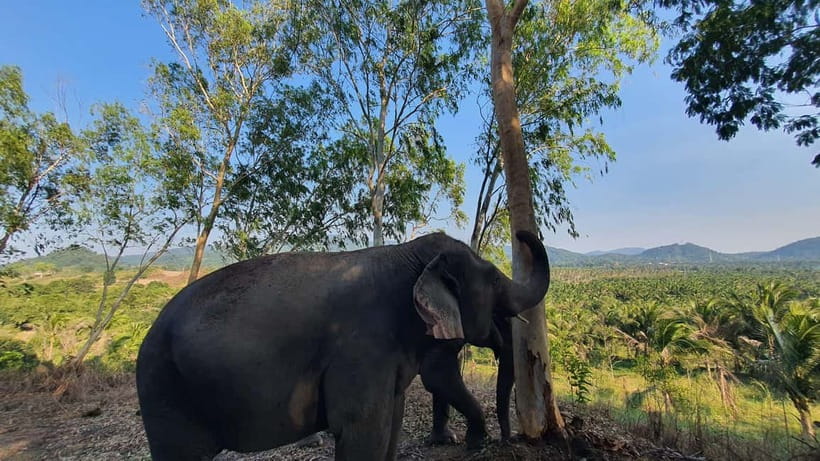
The sanctuary is about 45 minutes from Pattaya, but your whole trip is longer than the “3 hours” label you might see in booking details. Realistically, you’re planning a half-day outing with round-trip hotel transport and time on-site. The programs run either:
- Morning session: 07:45–14:30
- Afternoon session: 11:45–18:30
Pickup times vary by hotel and daily routing. You’ll get the exact pickup details by email the evening before, and you’ll want to be ready a bit early. Traffic can slow things down, and different hotels may create small timing gaps in the van schedule.
If you hate waiting, choose your session based on your tolerance for heat. The morning option tends to feel more comfortable temperature-wise, but you still have to be prepared for outdoor sun once you’re at the sanctuary. (One review note that keeps coming up: bring a hat, sunscreen, and insect repellent—no excuses.)
Also, if your pickup drop-off is outside Pattaya proper, there can be extra charges by area (Na Jomtien, Jomtien, and Nong Nooch Garden area). Make sure you account for that so you’re not doing math at the curb.
Mo Hom clothing and the pre-elephant briefing that changes everything
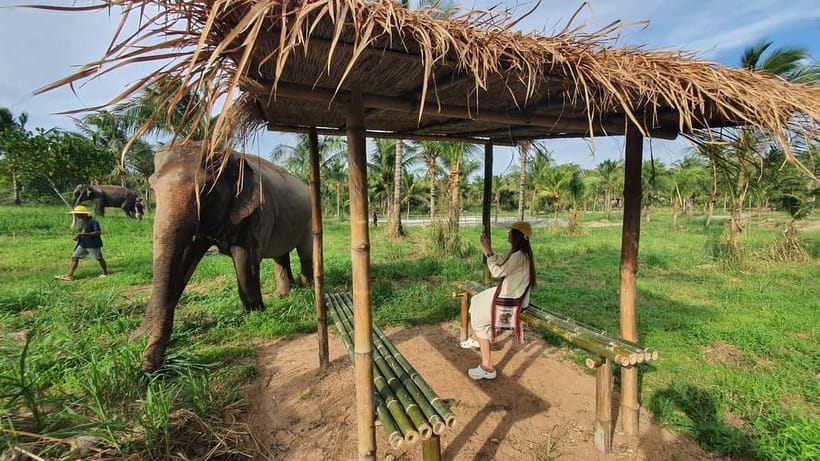
Right when you arrive, you’re changing into traditional Mo Hom clothing. It’s included, and it adds a bit of ceremony to the day. More importantly, it signals that this is a cultural-natural experience, not a quick tourist stop.
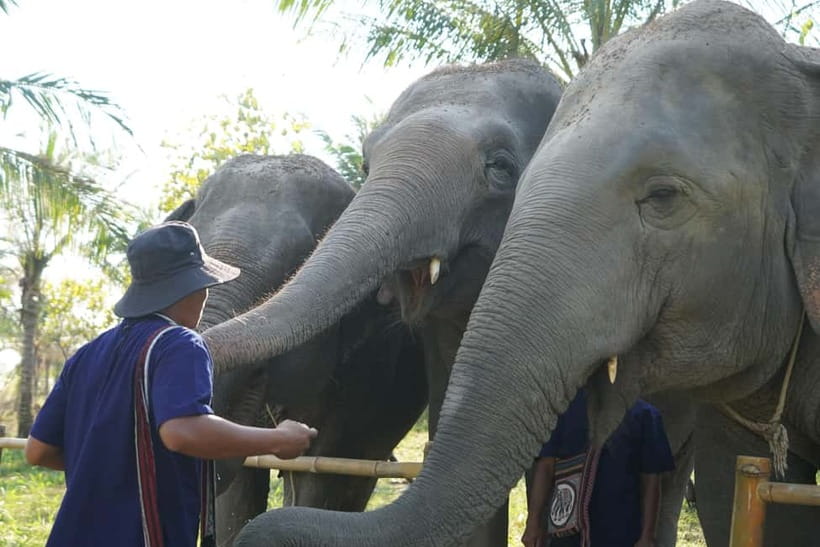
Before you go near the elephants, you get a briefing. That’s where the sanctuary sets expectations: feeding is managed for safety, and activities are based on animal welfare. There’s also a clear emphasis on you following boundaries. You’ll be shown how to interact without pushing, crowding, or forcing anything.
Guides such as Lulu and Mod are a big part of why this feels meaningful. They explain the elephants as individuals—why one might approach, another might choose space, and how their social behavior works. In a lot of places, you’re rushed. Here, you get enough context to understand what’s happening instead of just reacting to big trunks and big ears.
This briefing also helps you photograph better. When you know the “why,” you waste less time chasing the perfect shot and more time being ready when the elephants choose to come near.
Feeding and jungle trekking: walking with elephants without crowding them
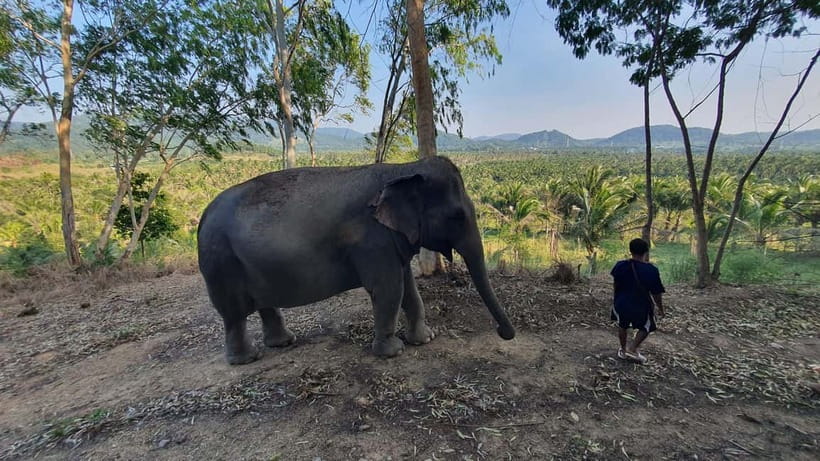
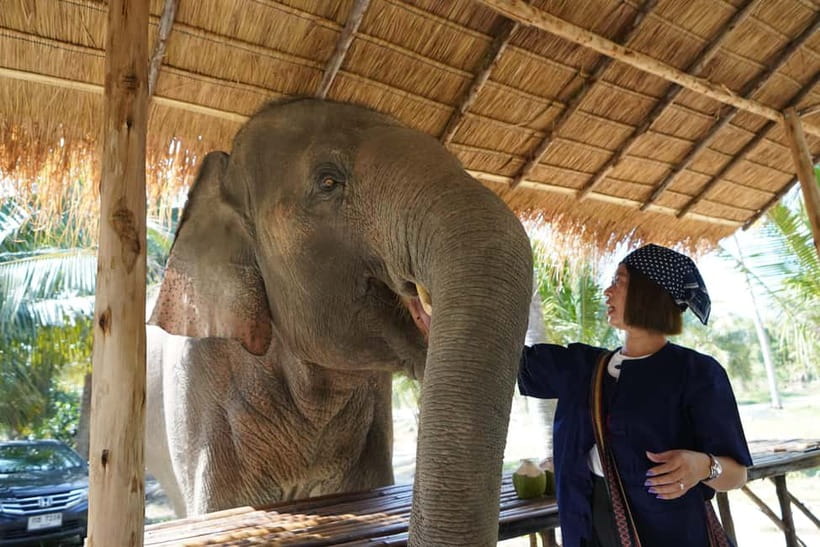
Once the elephant time starts, the day shifts into something more active: hand-feeding and trekking along forest paths. You’ll feed them one at a time, following the guide’s safety instructions. This matters. If you’ve been worried about animal exploitation, the feeding rules are where you can see the sanctuary’s mindset in practice.
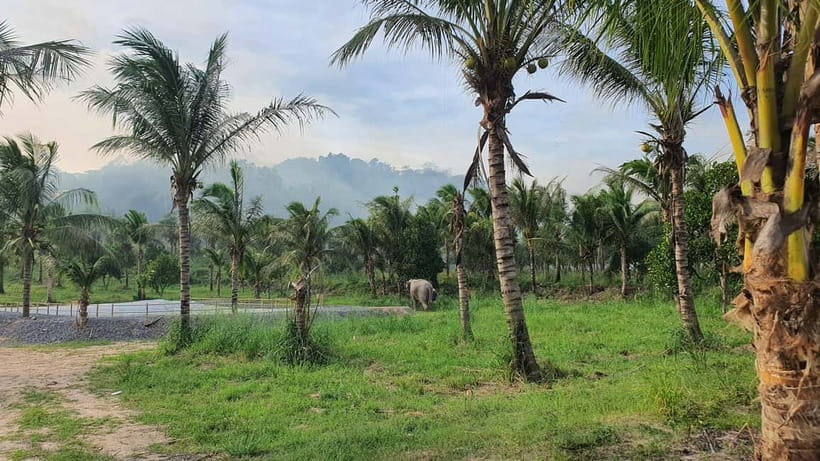
The trekking is described as a small walk through the jungle with the elephants. You’re not striding ahead like a parade. You’re moving along at their pace, stepping where the guides guide you, and watching how they forage and interact with the herd.
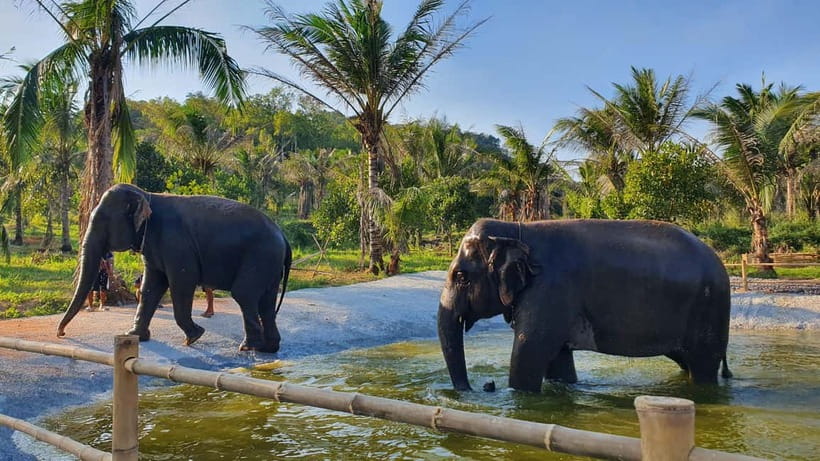
One of the most praised parts is that the elephants can leave. Guides keep firm boundaries so you don’t become the “bothering factor.” You’ll often see space created when the elephants want distance. That’s the key difference from riding or performance settings—this isn’t about forcing attention. It’s about sharing space responsibly.
Photo tip that feels practical: don’t hover at arm’s length. If you’re patient, you’ll get better moments. And you’ll have fewer awkward crowding moments with your fellow group.
Bath time: joining the elephants when conditions allow
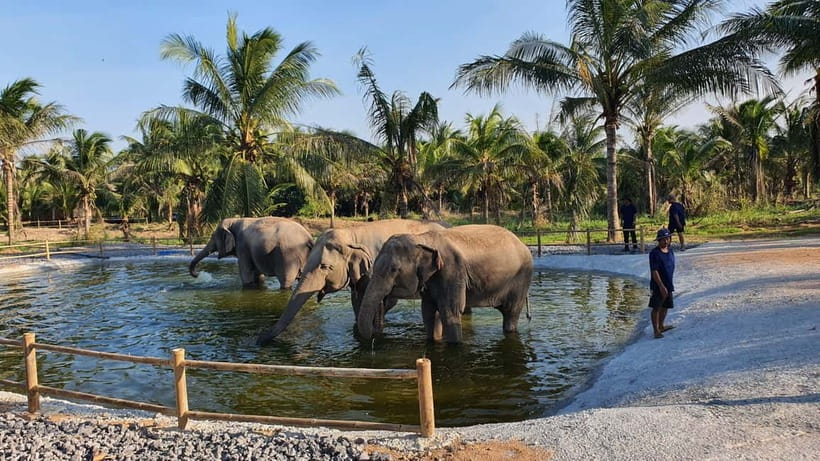
One of the standout moments is bathing. You can watch elephants bathe and roll in mud, and you may be able to join them in the water as part of the activity (bath time is included). It’s not treated like a mechanical process. It’s treated like the elephants’ choice.
Weather can affect it. The sanctuary specifically notes that if it’s too cold and the elephants don’t want to enter the river, they won’t force them. So your best move is to show up flexible. If the water activity is limited on a given day, you’re still getting real elephant interaction through feeding and trekking.
What you should bring for bath time is spelled out clearly: swimwear, a towel, and a change of clothes. A hat and sunscreen help outside the water, and insect repellent is smart even when you’re moving between areas.
In real terms, bath time is memorable because it’s natural behavior. Elephants cooling off in water and using mud for skin care isn’t a staged gimmick. It’s what elephants do.




Lunch, shade breaks, and the practical side of staying comfortable
After elephant time, you get to sit and reset. Lunch is included and centers on Ancient Pad Thai made with local ingredients, and you’ll also find water and watermelon as part of the meal setup. This is one of those details that seems small until you’re sweaty, sunburn-prone, and ready for something that tastes good.
The sanctuary also offers shaded seating with panoramic mountain views. This is helpful, but don’t expect shade to feel evenly distributed everywhere. One small complaint that shows up is that there can be stretches where you’re waiting in the heat for the next elephant moment. So bring patience and your best sun protection.
Also, use the facilities while you’re there. Reviews mention clean toilet facilities and a shower setup, which can be a lifesaver when you’ve been around water and mud.
If you want to buy drinks beyond what’s included, that’s an option, but it’s not required to have a full, satisfying lunch break.
Guides, group size, and how the day feels on the ground
This trip is designed for a small group, with an English-speaking live guide. That sounds good on paper, and it usually holds up because you’re moving through several elephant-focused moments, not rushing from one factory-like stop to another.
That said, the “small group” experience can vary depending on how many groups share the sanctuary timeline. Some days may feel more personal; other days can feel like a few vans arrived at once. When that happens, you might have a little less room to spread out for photos.
Guide personalities show up strongly in the feedback. You’ll hear names like Lulu, Mod, Mord, Adam, and Tuck tied to the best moments. The common thread: the guides keep the day from feeling random by translating elephant behavior into simple, human language.
If you’re the type who wants quiet, minimal crowding, go for the session that best matches your energy level and be ready to be patient. Elephant days are never fully controlled—this is the point.
Price and value from Pattaya: what you’re paying for
At $57 per person, the value is best understood through what’s included and what’s intentionally left out. You’re paying for:
- Hotel pickup and drop-off (when you select that option)
- A local meal
- The elephant-focused program that includes feeding, trekking, and bathing time
- Traditional clothing and necessary gear
You’re also paying for the sanctuary’s enforcement of a welfare-first model. No riding. No chaining. No performance setup. That matters because it changes the economics: the sanctuary can’t make money from high-volume rides the way some operations do. Instead, it invests in staff, feeding, and long-term care.
If you’re comparing this to elephant rides, the price can look similar at first glance. But here you’re not paying for a photo sitting on an elephant. You’re paying for an ethical encounter that prioritizes the elephants’ needs.
So is $57 “cheap”? Not really. But it’s fair for what you actually do: hours in the mountains, meaningful elephant time, and a meal that prevents the post-sun crash.
Who should book—and who should skip this one
This is a strong choice if you:
- Care about animal welfare and want an encounter without riding
- Want a hands-on day with elephants that still respects boundaries
- Enjoy outdoor walking, even if it’s hot
- Like learning stories, not just taking photos
It can be tougher if you:
- Have back problems or mobility limits, since trekking and outdoor time are part of the program
- Have animal allergies (this is listed as not suitable)
- Are pregnant (not suitable), or traveling with very young children (children under 2 are not suitable)
Also, expect the day to include water, mud, and heat. You’ll feel better if you treat it like a day hike plus animal time, not a quick air-conditioned excursion.
Should you book Living Green Elephant Sanctuary from Pattaya?
I’d book it if your goal is an ethical elephant experience that feels calm, educational, and real. The standout reasons are the same ones that show up again and again: the no-riding, no-chains policy, the way guides manage feeding and spacing, and the chance to see elephants behave like elephants—roaming, foraging, mud-rolling, and bathing.
If you’re chasing maximum comfort or zero waiting time, don’t book expecting that. The elephants set the pace, and you’ll spend time outdoors. Bring a hat, sunscreen, and a towel, and you’ll enjoy the day more.
My practical advice: choose the session you can handle comfortably, plan for sun, and go with a “watch first” mindset. When you do, the experience has a way of turning from a tour into a memory you can feel.
FAQ
Where is Living Green Elephant Sanctuary located relative to Pattaya?
The sanctuary is in Chonburi Province, about 45 minutes from Pattaya, in the scenic mountains.
How long is the day trip, and are there morning and afternoon options?
There are morning and afternoon programs. The morning session runs 07:45–14:30 and the afternoon session runs 11:45–18:30, with total trip timing that includes transportation.
Can I ride the elephants?
No. The sanctuary policy is no riding.
What elephant activities are included during the visit?
You can observe elephants roaming freely, watch and take part in hand-feeding, walk alongside them on small forest paths, and (as part of the program) join them during bathing.
Is bathing included, and what if elephants don’t go into the water?
Bathing with elephants is included, and the sanctuary notes that if the weather is too cold and the elephants do not want to get into the river, they will not force them.
What’s included in the price, and what’s not?
Included are hotel pickup and drop-off (if you choose the option), a local meal, and bathing with elephants. Not included are personal expenses.
What should I bring?
Bring a hat, swimwear, change of clothes, towel, sandals, sunscreen, comfortable clothes, and insect repellent.
Do I get a tour guide, and what language do they speak?
Yes, there is a live tour guide and the language is English.
How does hotel pickup work from Pattaya?
Hotel pickup times vary by hotel and daily routing. You should expect the exact pickup time and driver details to be sent to your email the night before.
Is this trip suitable for young kids, pregnancy, or allergies?
It is not suitable for children under 2 years, pregnant women, people with back problems, or people with animal allergies.