REVIEW · PHUKET
Patong: Elephant Nature Park Learning & Feeding Tour
Book on GetYourGuide →Operated by Phuket Hill Tribe Elephant Village · Bookable on GetYourGuide
Elephants and herbal snacks, without the noise. This short learning and feeding tour in Patong is built around gentle, ethical elephant care, plus a hands-on session that feels meaningful rather than performative. You’ll get a real briefing before you ever step into the sanctuary area.
I like two things right away: you learn about the elephants’ daily routines with their mahouts, and you get practical, hands-on time making herbal vitamin balls from natural ingredients meant to support digestion and health. The experience also explains the difference between wild and captive elephants, so the feeding moment has context, not just cuteness.
One consideration: this is not an activity for everyone. It’s not suitable for pregnant women, people with mobility impairments, or anyone with animal allergies, and you won’t be doing forced elephant interactions like bathing or mud play.
In This Review
- Key highlights worth your attention
- Patong Elephant Nature Park Tour: What Makes It Feel Ethical
- Pickup, timing, and how the session actually runs
- Briefing with the guide: mahouts, daily care, and why it matters
- Herbal vitamin balls: your hands-on role in elephant nutrition
- Meeting the elephants: feeding your treats in a natural setting
- The “no forced bathing or mud play” rule: a good sign, not a letdown
- What you should bring (and why it affects your comfort)
- Price and value: is $30 really fair here?
- Who should book this tour (and who should skip it)
- A note on staff and pickup experience
- Should you book the Patong Elephant Nature Park Learning & Feeding Tour?
- FAQ
- FAQ
- How long is the hands-on herbal ball preparation?
- Is flash photography allowed?
- What’s included in the tour price?
- Is a meal included?
- Who is this tour not suitable for?
- What should I bring?
Key highlights worth your attention
- Mahout-led care briefing: understand daily elephant routines and who looks after them
- Wild vs captive context: you’ll learn how their lives differ and why it matters
- Hands-on herbal vitamin ball prep: make the treats before you feed
- Sanctuary walk and natural behavior rules: no forced bathing or mud play
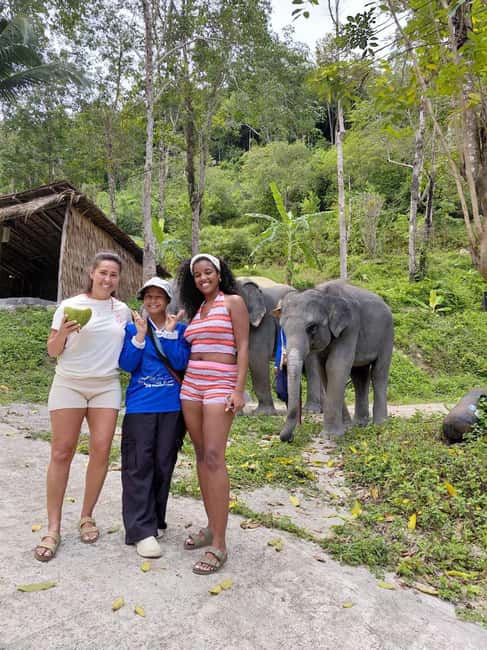
- Feeding with your own treats: a close, quiet moment in the elephants’ space
Patong Elephant Nature Park Tour: What Makes It Feel Ethical
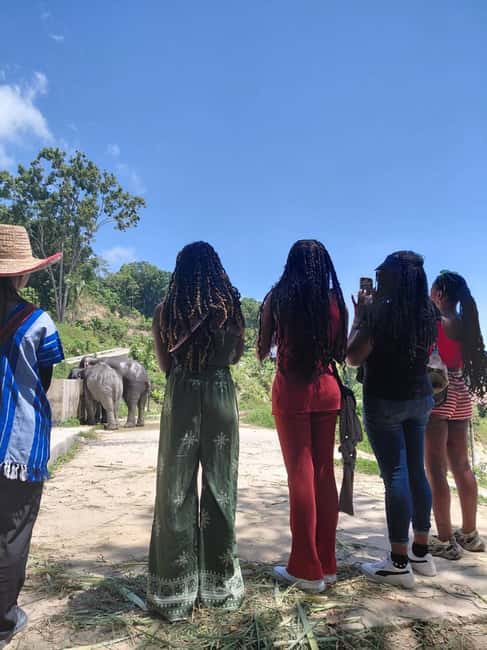
If you’re trying to choose an elephant experience in Phuket that doesn’t turn animal welfare into a show, this one has a clearer ethical backbone. The key rule you’ll hear early is simple: the sanctuary respects natural elephant behaviors. That means no forced interactions and no attention-grabbing gimmicks.
What stands out is the specific policy around elephant handling. The setting does not allow forced bathing or mud play. Instead of pushing elephants into behaviors for entertainment, the focus stays on care, nutrition, and the everyday rhythm of the sanctuary. It’s the kind of structure that helps you feel like you’re supporting elephant wellbeing, not just watching a performance.
You’ll also get the context you need to understand what you’re seeing. The briefing explains the differences between wild and captive elephants, and it talks through how captivity changes daily life. That matters because when you understand their routine, the feeding moment makes more sense—and you’re less likely to read the situation as a casual interaction when it’s actually part of a care plan.
You can also read our reviews of more tours and experiences in Phuket.



Pickup, timing, and how the session actually runs
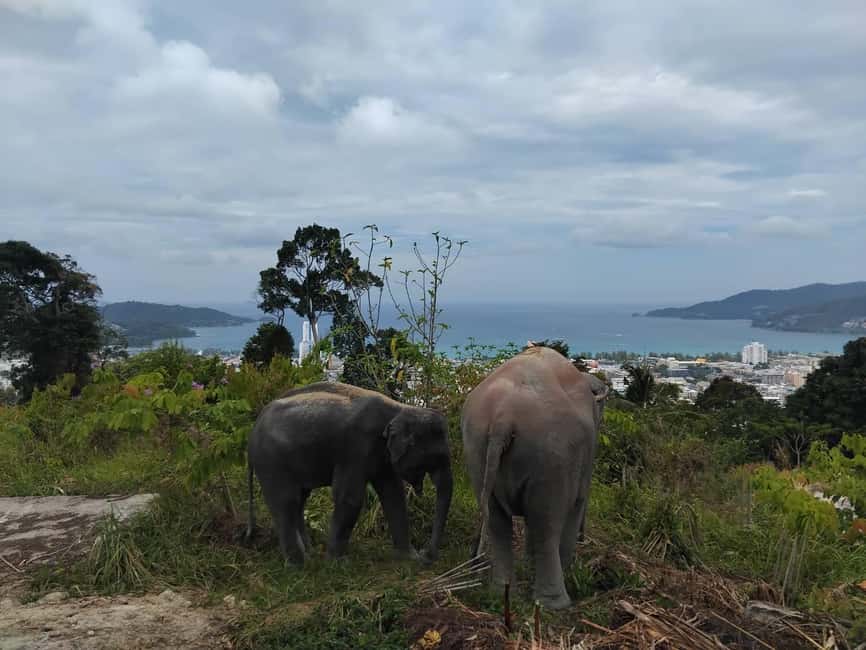
This isn’t a full-day tour. The hands-on portion runs about 30 minutes, and the whole experience is designed to stay short and focused. Depending on the option you choose, you may get round-trip transfers from your area. If you didn’t select transfers, you’ll still get direction to the meeting point after booking.
The plan generally flows like this:
- First, you attend a briefing with an expert guide in English.
- Then you prepare the herbal vitamin balls.
- After that, you’ll walk through the sanctuary and meet the elephants to feed them your handmade treats.
Because it’s short, it’s also easier to fit into a busy Phuket itinerary. You’re not stuck in a long schedule, waiting around while others take more time. Just remember: this tour is outdoors, and you’ll walk. That’s why comfortable shoes, sunscreen, a hat, and insect repellent are more than “nice to have.”
One practical detail: you’ll be given drinking water, and they ask you to bring a reused bottle. It’s an easy instruction, but it affects what you pack for the day.
Briefing with the guide: mahouts, daily care, and why it matters
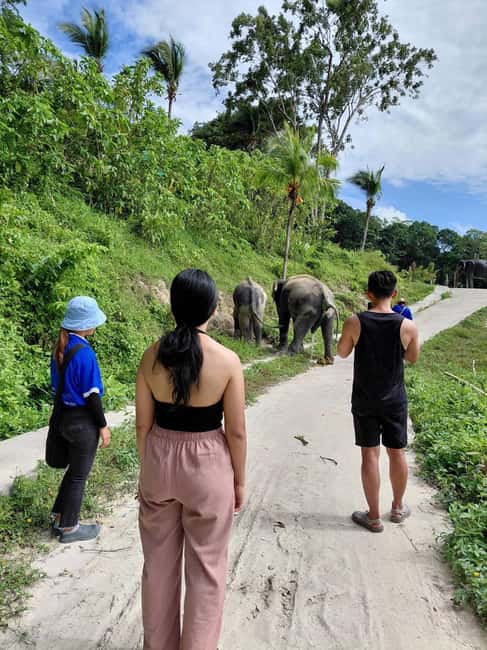
Before you make food or get close to elephants, you’ll start with a guide-led explanation. The goal is to prepare you for what you’ll see, and to give you a more respectful way to interact.
In the briefing, you’ll learn about:
- The elephants’ daily lives and their care routines
- The role of mahouts, the caretakers who work with elephants day to day
- The difference between wild and captive elephant life
This portion is valuable because it changes your mindset. When you know who the mahouts are and what caretaking looks like, the feeding isn’t just a moment for a photo. You understand it as part of nutrition and daily care—done according to sanctuary rules.
The briefing also connects the sanctuary to local tradition. You’ll hear about hill tribe families from Mae Wang in Chiang Mai who have settled in Patong, and how they continue traditional elephant care practices. That’s a meaningful thread in the experience: the care knowledge isn’t presented as a random tourist activity. It’s framed as an ongoing responsibility.
Herbal vitamin balls: your hands-on role in elephant nutrition
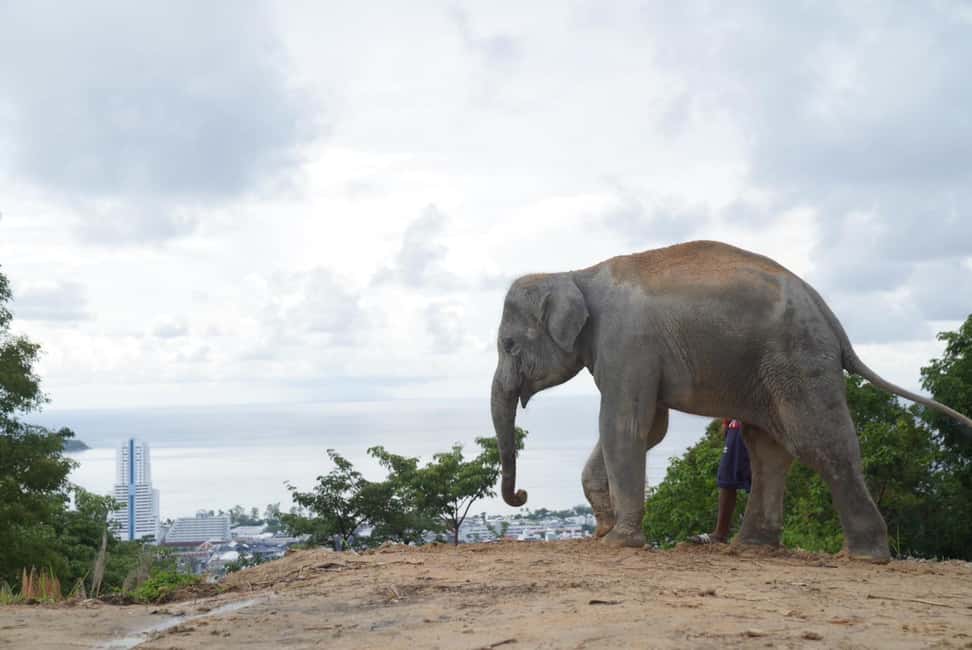
Then comes the best part if you like real “do something” activities rather than just watching. You’ll prepare herbal vitamin balls with your guide and team.
The session is designed to stay manageable—around 30 minutes—so it doesn’t drag. You’ll be making the elephants’ favorite herbal treats using natural ingredients. The intention is to support digestion and general health, which is a different angle than typical animal feeding events where visitors toss generic food.
Even if you’ve never cooked in your life, you should find this approachable because the emphasis is on guided preparation. You’re not left to figure it out yourself. You’ll also get a clearer idea of elephant nutrition as it relates to these herbal balls, since the team shares insights into elephant care and diet as part of the session.
A small but important practical note: you’ll likely be working in warm outdoor conditions. Dress for that. Bring the hat, apply sunscreen before you arrive, and expect you’ll want insect repellent even if your plan is short.
Meeting the elephants: feeding your treats in a natural setting
After the food prep, you’ll move into the sanctuary walk area to meet and feed the elephants. This is where the experience becomes emotional in a quiet way—because you’re doing something specific, not just standing near animals.
Here’s what to expect:
- You’ll walk through the sanctuary to reach the elephants
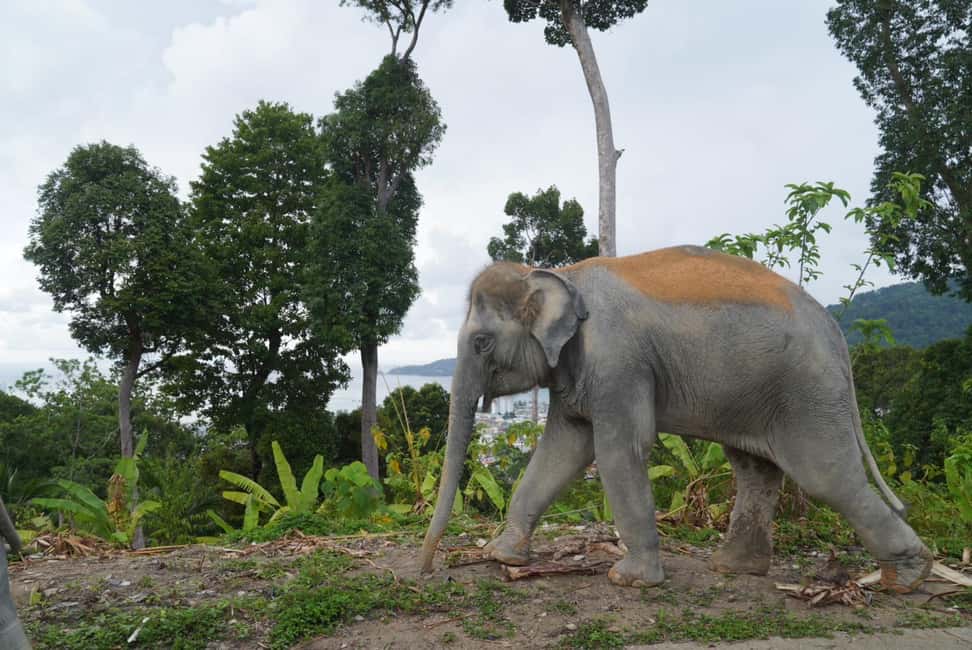
- You’ll meet the elephants in their natural setting within the sanctuary
- You’ll hand-feed the herbal vitamin balls you made
The experience keeps a respectful tone on purpose. Quiet behavior around the elephants is required, and forced interactions aren’t allowed. That’s worth taking seriously. If you’re chatty, impatient, or loud, it’s better to save that energy.
Also, photography rules are clear: camera use is allowed, but flash photography is not permitted. That matters because flash can startle animals. It’s also a good reminder to plan your photos with natural light rather than counting on camera flash.




The “no forced bathing or mud play” rule: a good sign, not a letdown
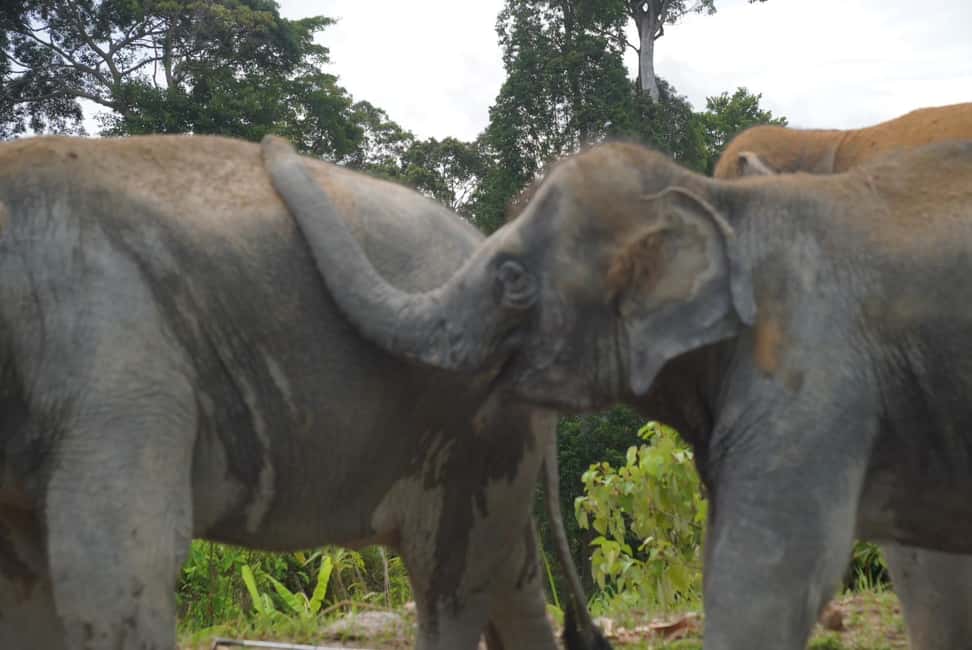
Some elephant tours sell big “fun” activities. Here, you won’t get forced bathing or mud play. And honestly, that’s a good thing if you’re choosing this type of experience for ethics.
Why? Because it signals the sanctuary isn’t pushing elephants into human entertainment schedules. Instead, they follow what elephants do naturally as part of their day. The sanctuary respects natural elephant behaviors, which keeps the focus on welfare.
So if you were hoping for a highly interactive “put your hands on everything” style encounter, this may feel more restrained. But if you want an experience that teaches and supports better care, this style fits that goal.
You’ll still get up close, and you’ll still feed the elephants. It just won’t cross into forced handling or showy routines.
What you should bring (and why it affects your comfort)
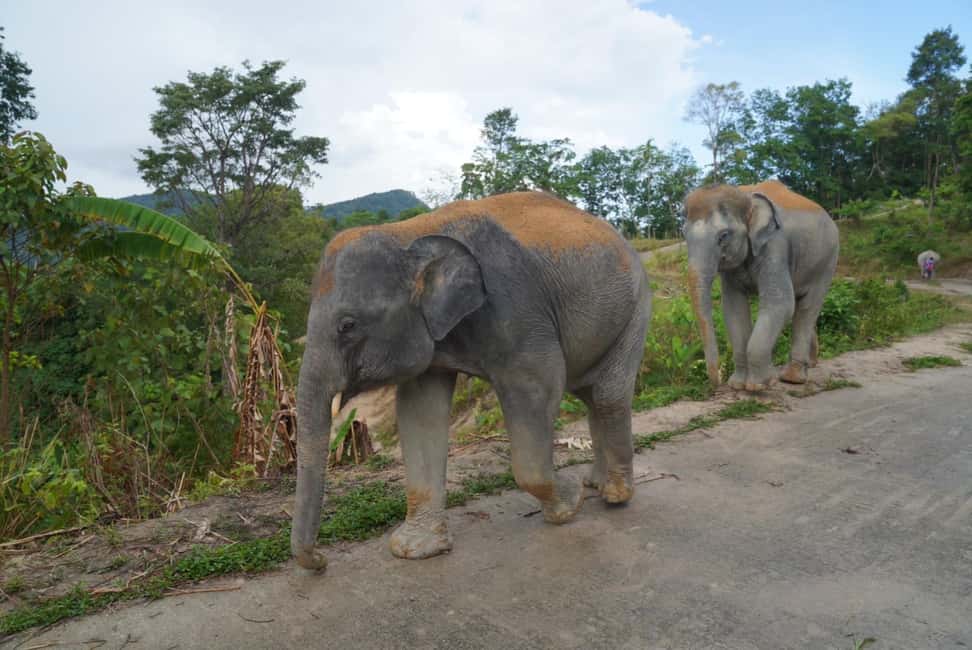
This is a practical tour. You’ll be outside, walking a bit, and likely standing around during briefing and feeding moments. Bring the basics so you can focus on what matters.
Bring:
- Comfortable walking shoes
- A hat
- Sunscreen
- Insect repellent
- Your camera (no flash)
- A reused bottle for drinking water
The tour asks for flash-free photos, so don’t rely on night settings or flash mode. If you’re the type who forgets sunscreen, fix that before you go.
Also, plan for heat and sweat. If you show up in sandals or thin footwear, you’ll probably feel it during the sanctuary walk.
Price and value: is $30 really fair here?
At $30 per person, this tour sits in a price range that can surprise you—until you look at what’s included.
You’re paying for:
- A guide briefing in English
- Herbal food preparation activity
- Feeding the elephants
- Drinking water (with a reused bottle request)
- Insurance
- Round-trip transfers (only if you select that option)
A meal is not included, so you’ll want to plan food separately.
So is it value? For a short, guided, hands-on elephant experience with safety coverage and added learning time, the price feels reasonable. You’re not just buying entry to an animal area. You’re also paying for a structured briefing and a nutrition-focused activity where you make the treats yourself.
If your budget is tight, this is one of the more “worth it per hour” ways to get an ethical elephant encounter in Phuket.
Who should book this tour (and who should skip it)
This experience fits best if you want:
- A short elephant activity in Patong
- A learning-first approach with a guide
- A gentle meet-and-feed moment using herbal treats you prepared
- Clear welfare rules like no forced bathing or mud play
It’s not suitable for:
- Pregnant women
- People with mobility impairments
- People with animal allergies
If any of those apply, it’s better to choose a different elephant-related activity that fits your needs and safety.
Also, it’s ideal for anyone who values calm rules and respectful behavior. The sanctuary emphasizes quiet, thoughtful interaction. If you prefer chaotic crowd energy or loud entertainment, you might find the tone too calm.
A note on staff and pickup experience
One thing I’d keep in mind when you plan your day: you want a smooth start. In at least one documented experience, the pickup was punctual and the staff were friendly, with English spoken clearly. That’s exactly what you want for a short tour. When you’re not wasting time, you can actually enjoy the care-and-feeding portion instead of rushing to catch it.
Should you book the Patong Elephant Nature Park Learning & Feeding Tour?
Book it if you:
- Want an ethical elephant experience with clear welfare rules
- Like hands-on activities, especially making the food the elephants receive
- Appreciate a briefing that explains mahouts and wild vs captive differences
- Prefer something short and focused rather than an all-day program
Skip it if you:
- Need an accessible option for mobility needs
- Have an animal allergy
- Are pregnant
- Expect forced bathing or mud play (this sanctuary doesn’t allow it)
- Rely on flash photography for your photos (it’s not permitted)
Overall, this is a solid choice when your main goal is ethical elephant learning plus a meaningful feeding moment—without theatrics.
FAQ
FAQ
How long is the hands-on herbal ball preparation?
The herbal vitamin ball preparation session takes about 30 minutes.
Is flash photography allowed?
No. You can use a camera, but flash photography is not permitted.
What’s included in the tour price?
It includes the herbal food preparation activity, feeding the elephants, drinking water (bring a reused bottle), insurance, and round-trip transfers if that option is selected.
Is a meal included?
No, a meal is not included.
Who is this tour not suitable for?
It’s not suitable for pregnant women, people with mobility impairments, and people with animal allergies.
What should I bring?
Bring comfortable shoes, a hat, a camera, sunscreen, and insect repellent. Also bring a reused bottle for drinking water.