REVIEW · KHAO LAK
Local Reef Snorkelling and Deserted Beach
Book on Viator →Operated by Discovery Travel - Khao Lak · Bookable on Viator
One day, two quiet slices of Thailand. This Khao Lak trip pairs local reef snorkelling with a stop on a deserted beach, so you get wildlife without the all-day slog to the far islands. I also like how the route threads through mangrove waters and passes local fishing villages, making the journey part of the experience, not just a transfer.
The main trade-off is that the underwater show depends on conditions. Out of season (or with rougher water), visibility can drop and you might run into things like jellyfish or floating debris in shallows.
In This Review
- Small-Group Feel With Guides Who Work the Water
- Boat Entry, Choppy Water, and a Practical Swim Check
- Key Points That Matter Before You Go
- Why Snorkel Off Khao Lak Instead of the Far Islands
- The One-Day Flow: From Local Pier to Mangrove Channels to Reef Stops
- Snorkelling Setup: Ladder Entry, Gear, and How Guides Help
- The Deserted Beach Stop: Lunch, Sand Time, and Real Quiet
- Deserted-Beach Reality: Weather, Tide, and the Trash Problem
- Snorkelling Reality Check: Season, Visibility, Jellyfish, and Currents
- Transportation and Timing: Why “Local” Makes the Day Easier
- Price and Value: Does $101.05 Make Sense for This Day?
- Who This Tour Fits Best (and Who Should Think Twice)
- Tips to Get the Most Out of Your Reef-and-Beach Day
- Should You Book This Khao Lak Reef and Deserted Beach Tour?
- FAQ
- Where does pickup and drop-off happen?
- What’s included in the price?
- How long is the tour?
- How many people are on the boat?
- When are the best months for snorkeling in Khao Lak?
- What if the weather makes snorkeling impossible?
- Is snorkeling difficult if I’m not an expert swimmer?
- Is there a lunch included, and where do you eat it?
- Can I cancel for a refund?
- Are service animals allowed?
Small-Group Feel With Guides Who Work the Water
What makes this outing feel calmer is the capped size: up to 6 travelers. That smaller boat setup helps you spend more time actually in the water and less time waiting around.
Guide names show up often in the feedback—Man, Ohm, Yaya, Garfield, Kiwi, and Nine—and the consistent theme is active guiding. On the day I’d want, you’ll get current checks before you start, and you may find a guide staying close while you snorkel.
Boat Entry, Choppy Water, and a Practical Swim Check
Plan for real sea conditions. Snorkelling is done off the boat using a ladder, and if there’s a breeze you can get choppy enough that you’ll want to be a confident swimmer.
The trip also recommends taking a life jacket with you while snorkelling, even if you’re comfortable in the water. It’s one of those simple safety moves that makes a day like this feel smoother.
You can also read our reviews of more snorkeling tours in Khao Lak


Key Points That Matter Before You Go
- Avoid the big-name crowd math: you’re snorkelling near Khao Lak, not spending hours heading to Phi Phi, the Similans, or Surin.
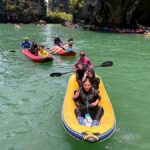
- Mangroves and fishing villages on the way: the boat ride cruises past mangrove forests and larger local fishing towns.
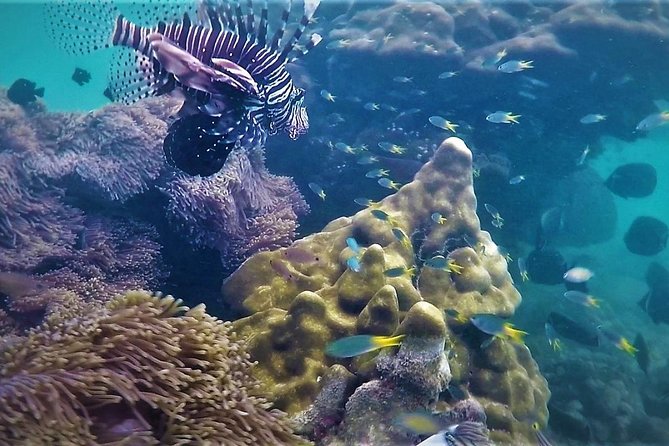
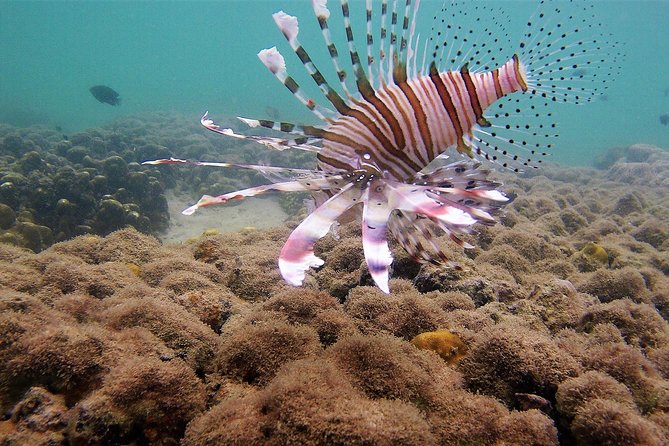
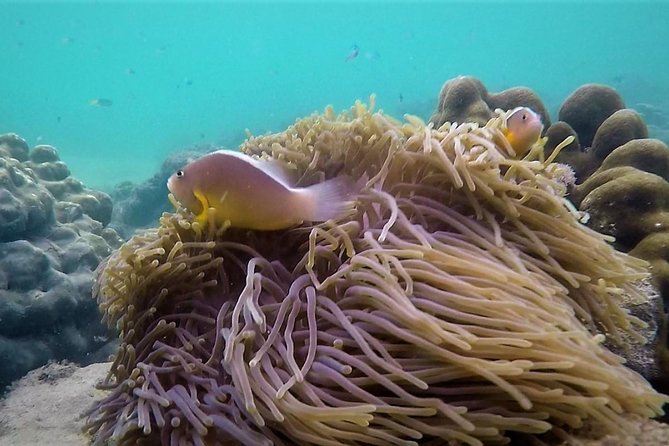
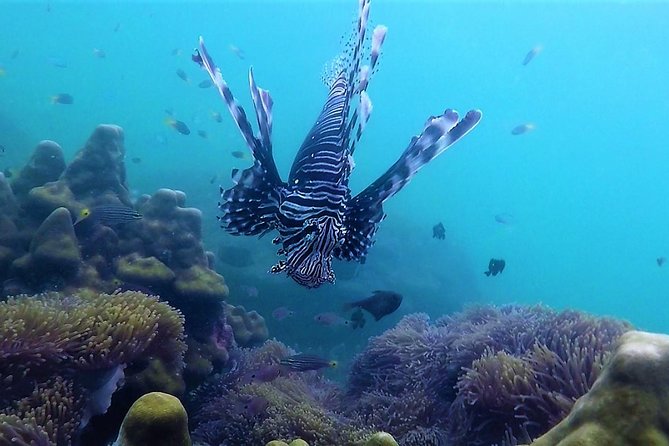
- Local reef wildlife, not just scenery: you may spot clown fish, moray eels, and lion fish on the reef stops.
- Deserted beach time with lunch: your end-of-day break includes a local-style lunch on the sand.
- Season really changes the snorkeling: best months are November to April; monsoon season runs mid-May to mid-October.
- Weather can shift the plan: if sea or weather prevents snorkeling, an alternative program is offered.
Why Snorkel Off Khao Lak Instead of the Far Islands
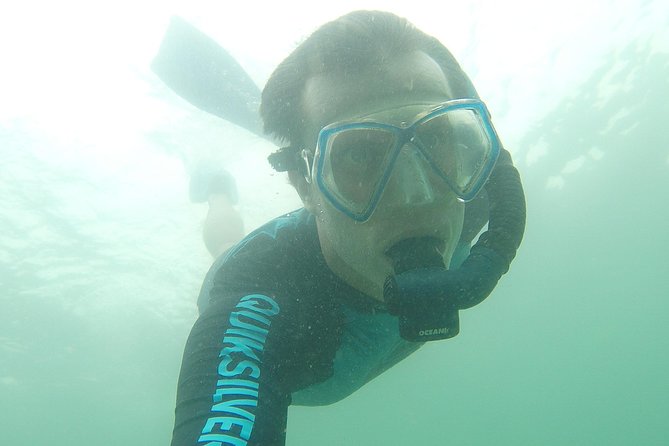
If you’ve looked at Thailand’s classic snorkelling maps, you’ve probably noticed the pattern: the best reefs often sit at the end of long boat rides and bigger crowds. This is the opposite idea. You stay closer to land and spend your time where the water is already doing the work for you.
Khao Lak sits in a sweet spot for a short cruising day. You still get real marine wildlife encounters, and you don’t have to plan your entire schedule around a remote island transfer. On clear days, local reefs can feel just as rewarding as the more famous routes, especially when the goal is a relaxed, no-rush outing.
And the scenery isn’t just a scenic extra. The route passes mangrove forests and moving through those waterways gives you a different kind of Thailand—quiet, local, and much less tourist-forward than the big island circuits.
The One-Day Flow: From Local Pier to Mangrove Channels to Reef Stops
Your day starts with hotel pickup in the Khao Lak area, then you head to a pier in a small fishing village. Transfer is done via local-style transport (often described as a taxi ride), and that matters because it keeps things simple and low-friction. You’re not waiting for a massive group coach.
From the pier, you cruise by boat through mangrove waterways and past larger fishing towns. This is where you get the rhythm of the coast: boats moving through channels, trees hanging over the water, and a sense of place you don’t always get on faster island hops.
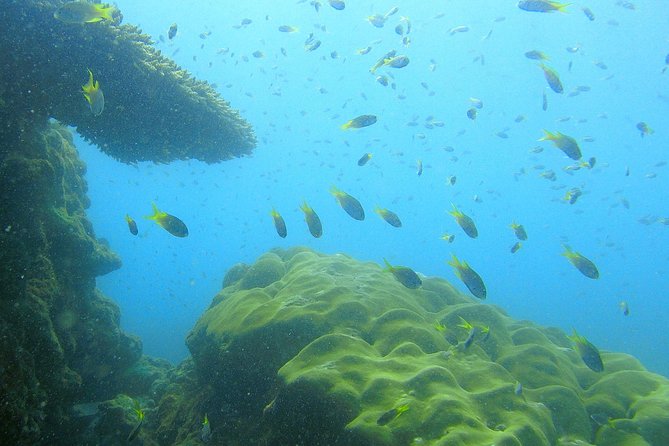
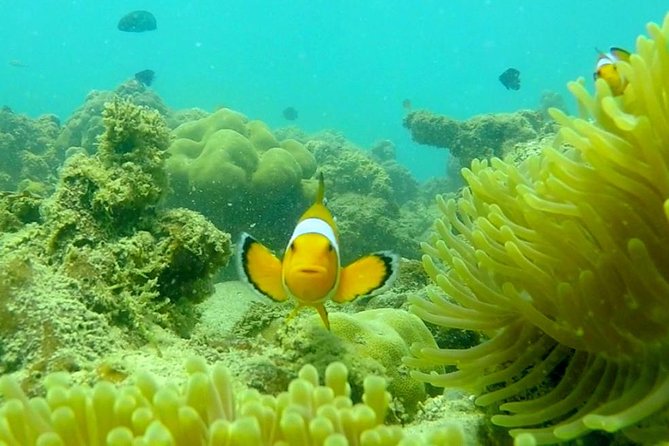
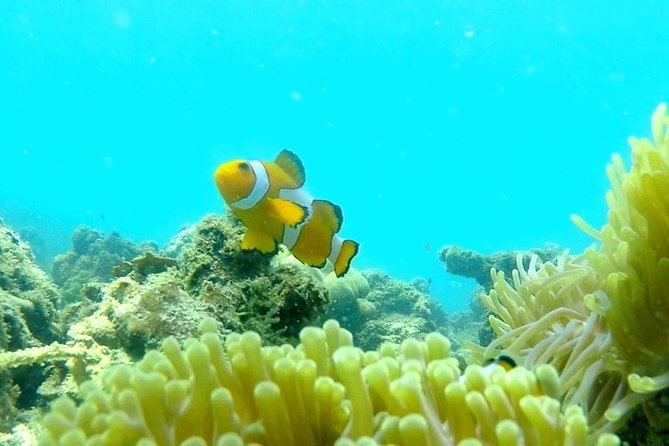
Then it’s reef time. You snorkel around a local reef area where different species are possible, including clown fish, moray eels, and lion fish (spelled out in the trip details). On a good day, you’ll also see small reef surprises like the fish that make the kids (and adults) start pointing immediately.
Snorkelling Setup: Ladder Entry, Gear, and How Guides Help
The tour includes snorkel equipment, and the feedback points to gear that’s new or in good condition. That’s not a small thing. If you show up with a cheap mask that leaks, your snorkeling becomes a game of constant adjustments.
You’ll snorkel from the boat using a ladder. That’s common, but it does mean you should be comfortable stepping into the water confidently. If you’re not a strong swimmer, this is the part to think about honestly—choppy conditions can make the “simple” ladder entry feel less simple.
One of the best practical touches is how guides handle safety and conditions. Several guide stories mention checking the water for currents before you go in. If you’re someone who wants to understand what you’re about to swim into, this kind of briefing is reassuring and makes the first few minutes feel less awkward.






The Deserted Beach Stop: Lunch, Sand Time, and Real Quiet
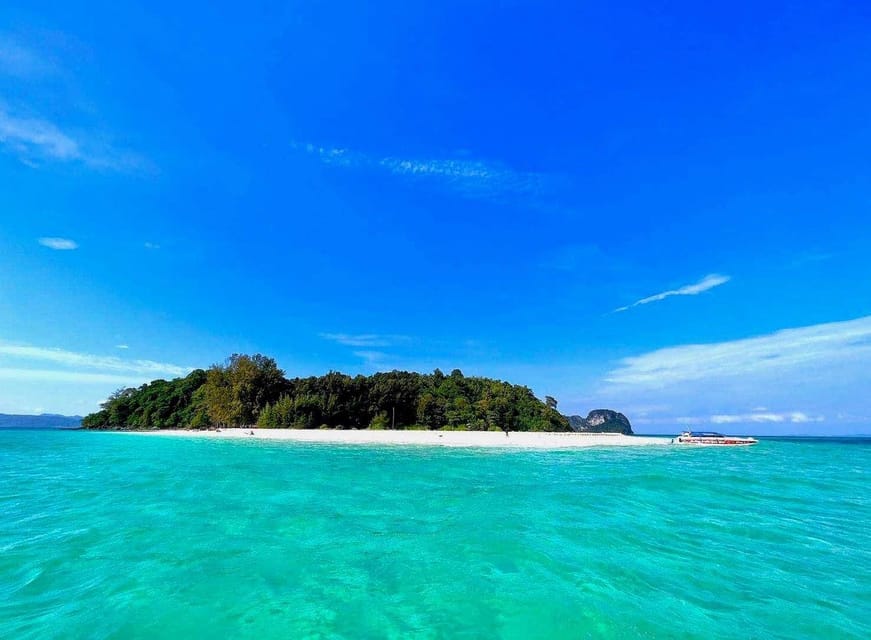
After the snorkeling, the trip shifts to a deserted-beach reset. This is not a quick photo stop and run-back situation. The plan is to relax on sand and enjoy your local-style lunch right there.
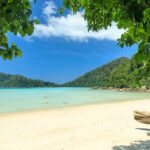
The beach is described as hidden and lonely, with some feedback calling it very white and movie-like. One review even notes the beach stretch as extremely long (23 km), which is exactly what you want from a deserted-beach goal: space to spread out and breathe.
The lunch itself is part of the point. You’re getting food without jumping back on a long schedule, and the style is described as local rather than resort-standard. In the same review set, people mention it being varied and delicious, which matches what you’d hope for when the day is already focused on nature.
Deserted-Beach Reality: Weather, Tide, and the Trash Problem
Here’s the honest part: remote beaches still face modern ocean issues. Some feedback mentions horrendous amounts of rubbish and glass in shallows, and other notes connect litter to higher tide and past storms.
The key value for you is not that the beach is magically perfect. It’s that the trip tries to stay focused on the experience while acknowledging the reality of what the sea delivers. If you’re the type who’s bothered by marine debris, treat this as your heads-up and bring a little patience.
Also, the operator is described as having a sustainability mindset. That doesn’t mean the ocean is clean everywhere on demand. It does mean you’re more likely to be on a tour that takes the issue seriously instead of ignoring it.
Snorkelling Reality Check: Season, Visibility, Jellyfish, and Currents
Khao Lak snorkeling has a season sweet spot. The trip details say the best time is November to April. From mid-May to mid-October, Thailand’s monsoon season can mean changing sea conditions, which can affect visibility and what you see.
That lines up with the most pointed downside feedback: out of season can bring poorer snorkeling. Visibility can drop, and you can get jellyfish drift in on tides. If you go during rougher months, don’t expect the same clarity as a winter calm day.
Currents are another factor. Even in good conditions, some snorkeling stops may have some flow. If that makes you nervous, start slowly. If you’re with kids or a non-swimmer in the group, it’s worth taking the ladder-and-current portion seriously before you commit.
Transportation and Timing: Why “Local” Makes the Day Easier
This tour keeps logistics relatively light. You get hotel pickup and drop-off from Khao Lak, so you’re not arranging your own transport to a distant pier. For a one-day plan, that can be the difference between a smooth outing and a half-day spent coordinating.
The ride also tends to be small-boat friendly. Long travel to far islands often means tight timing and bigger group funnels. Here, you transfer to a pier in a fishing village, cruise out, snorkel, then settle into lunch and beach time without racing the clock.
One more practical detail: the tour mentions a maximum of 6 travelers. That usually means fewer bottlenecks—getting fitted with gear, getting briefed, and getting back on the boat feels more human.
Price and Value: Does $101.05 Make Sense for This Day?
At $101.05 per person, the value comes from what’s included. You’re not just paying for a reef. You’re getting round-trip transportation from Khao Lak, snorkel equipment, and lunch, plus a day on a boat with a guide.
That bundling matters. A “cheap” snorkel day that leaves you to buy gear and sort transport can cost more in total time and stress. Here, you’re paying for convenience and a guided plan that aims to reduce crowds and long island travel.
There’s also the small-group element. When the boat carries fewer people, the experience tends to feel less rushed. And when you’re paying for a nature day, that feeling matters as much as the fish count.
Finally, you avoid the crowd-and-commute trap. You’re aiming for reasonable snorkelling without the hours spent contending with packed schedules. Even when the reef isn’t perfect, the overall pace can still be worth it.
Who This Tour Fits Best (and Who Should Think Twice)
This works best if you want a calm alternative to the big-name snorkelling stampede. If you like the idea of wildlife on a local reef plus downtime on a deserted beach, you’ll probably enjoy the day.
It also seems family-friendly in practice. One feedback note specifically says it’s suitable for children, and the overall plan is structured with rests, lunch, and a beach segment that’s not just a wet-and-wild sprint.
Think twice if you’re very sensitive to underwater conditions. In monsoon season, jellyfish and reduced visibility can affect how satisfying the snorkeling feels. And if your swimming confidence is low, the ladder entry and possible choppy water are worth discussing honestly before you go.
Tips to Get the Most Out of Your Reef-and-Beach Day
- Bring your sea-level expectations in line with the season. November to April is the easier bet; monsoon months can shift the visibility game.
- If waves are possible, treat the life jacket advice as a real suggestion, not a formality.
- Keep your snorkeling goals flexible. On some days, the reef may be better than expected, and on other days, the beach and mangrove scenery carry more of the day’s value.
- If you tend to get nervous in current, use the guide’s current-check as your starting point. The best snorkeling days are the ones where you relax early.
Should You Book This Khao Lak Reef and Deserted Beach Tour?
I’d book it if you want local reef snorkelling close to Khao Lak, plus a genuinely quiet beach stop with lunch—without the long crowds-and-travel circus. The small group size, included gear, and mangrove/fishing-village cruising give it a more local feel than the far island options.
I’d pause if your trip timing is in the monsoon window or you’re chasing consistently clear water and maximum fish density. On some days, conditions can reduce visibility and bring jellyfish or debris in shallows.
If your priority is a relaxed one-day nature outing with a good chance of seeing reef life, this is a solid pick. If your priority is perfection underwater no matter what, plan for flexibility.
FAQ
Where does pickup and drop-off happen?
This tour includes hotel pickup and drop-off from Khao Lak.
What’s included in the price?
The tour includes round-trip transportation, lunch, and snorkel equipment.
How long is the tour?
It runs about 1 day.
How many people are on the boat?
The experience has a maximum of 6 travelers.
When are the best months for snorkeling in Khao Lak?
The best time for snorkeling is from November to April.
What if the weather makes snorkeling impossible?
If it is not possible to snorkel due to sea or weather conditions, an alternative program is offered.
Is snorkeling difficult if I’m not an expert swimmer?
Most travelers can participate, but snorkeling can be choppy at times and you may need to be a good swimmer. The tour recommends taking a life jacket with you while snorkeling.
Is there a lunch included, and where do you eat it?
Yes. You’ll have lunch during the beach portion of the day, after the snorkeling.
Can I cancel for a refund?
Yes. Free cancellation is available up to 24 hours in advance for a full refund.
Are service animals allowed?
Service animals are allowed.