REVIEW · KRABI
Krabi: Kayaking in Ao Thalane Bay Beautiful Mangrove Forest
Book on GetYourGuide →Operated by LocalCNXTours · Bookable on GetYourGuide
Mangroves here feel like a secret lagoon. In Ao Thalane Bay, you glide through calm mangrove channels with wildlife sightings you can actually slow down for, like kingfishers and crab-eating macaques. One thing to consider: the route can feel more physical than it sounds, with wind and countercurrents along the coastal sections, and paddling can add up (around 6 km).
I also like that this trip is built for nature lovers, not big sightseeing rushes. You get a guided kayak circuit through canyons, caves, and quiet lagoons, with a stop at Crocodile Cave and an eco-minded approach that keeps the experience focused on the environment. The day is short enough to fit easily into your Krabi schedule, but you’ll still want to be comfortable getting wet and handling a steady paddle for hours.
In This Review
- Key things to know before you paddle
- Getting From Ao Nang to the Water: the 1-Hour Transfer
- Before You Kayak: safety briefing, guide help, and what to wear
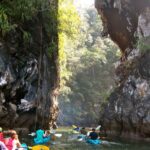
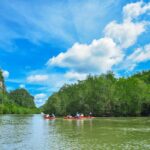
- Paddling the Ao Thalane Bay route: calm mangroves, canyons, and hidden water pockets
- Mangrove forest details: roots, wildlife chances, and respectful spotting
- Tide matters more than you might expect
- Crocodile Cave stop: why this break works during a 3-hour paddle
- How fit do you need to be? distance, wind, countercurrents, and sand
- Practical self-check before you book
- Morning vs afternoon: heat, comfort, and pacing
- Small-group reality: limited to 10, but ask how many kayaks you’ll see
- Eco-friendly by design: how this tour respects the mangrove environment
- Value and who should book this Ao Thalane mangrove kayak day
- Should you book this Krabi Ao Thalane kayaking tour?
- FAQ
- What is the total duration of the tour?
- Where does pickup happen?
- How long is the transfer to Ao Thalane?
- Is there an English-speaking guide?
- How big is the group?
- What will I see on the kayak route?
- What should I bring with me?
- Who is the tour not suitable for?
- Is free cancellation available?
Key things to know before you paddle
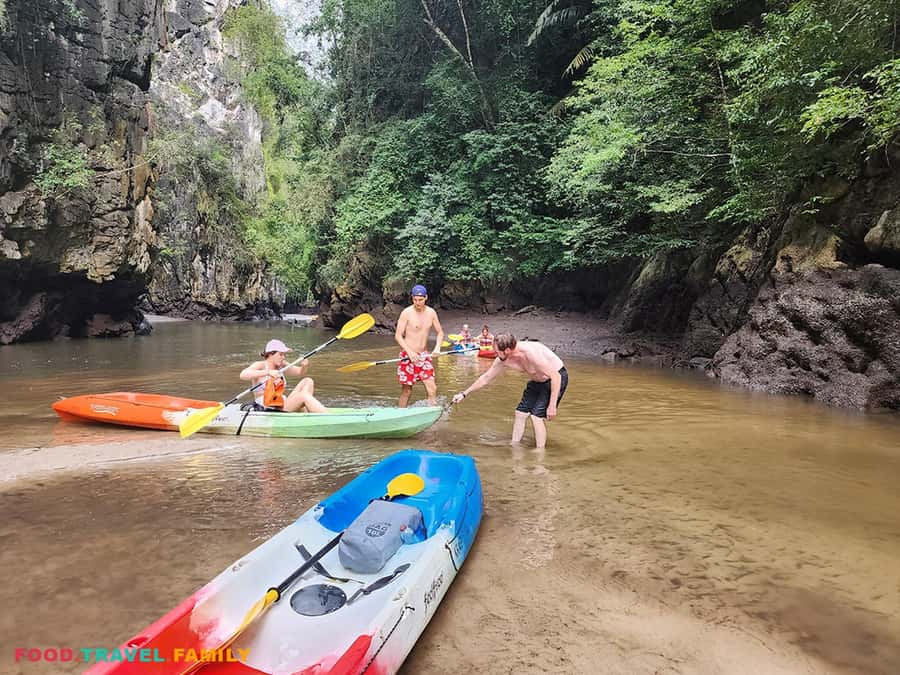
- Ao Thalane mangrove circuit: Expect calm channels plus more exposed coastal stretches depending on conditions.
- Wildlife spotting time: Iguanas, herons, kingfishers, macaques, and lots of bird life can pop up as you paddle.
- Crocodile Cave stop: A distinct moment in the route that breaks up the paddling rhythm.
- Tides can change the route: Low tide can mean a shorter loop and extra sand-hauling at points.
- Plan for real effort: Even a relaxed pace may still feel like a decent distance and arm workout.
- Small-group feel: It’s limited to 10 participants, with English/Thai guides and a full pickup from Ao Nang.
Getting From Ao Nang to the Water: the 1-Hour Transfer
Most people start from Ao Nang, and that’s a big part of the comfort of this tour. You’ll get picked up from your hotel (or the meeting point in the Ao Nang area) and then spend about 1 hour transferring to Ao Thalane.
Why I think that matters: it turns a “half day” into a real half day. Instead of wrestling with your own transport and timing, you show up, get briefed, and get on the water while the day is still manageable. It also means you don’t waste your vacation energy on logistics you didn’t come to Krabi for.
Pickup windows vary by the morning vs evening slots. Morning tours are scheduled roughly around 8:15–9:00, while the afternoon/evening options run around 13:15–14:00 (depending on your area within Ao Nang). If you’re even slightly unsure, confirm via WhatsApp so you’re not waiting longer than you need to.
A few more Krabi tours and experiences worth a look

Before You Kayak: safety briefing, guide help, and what to wear
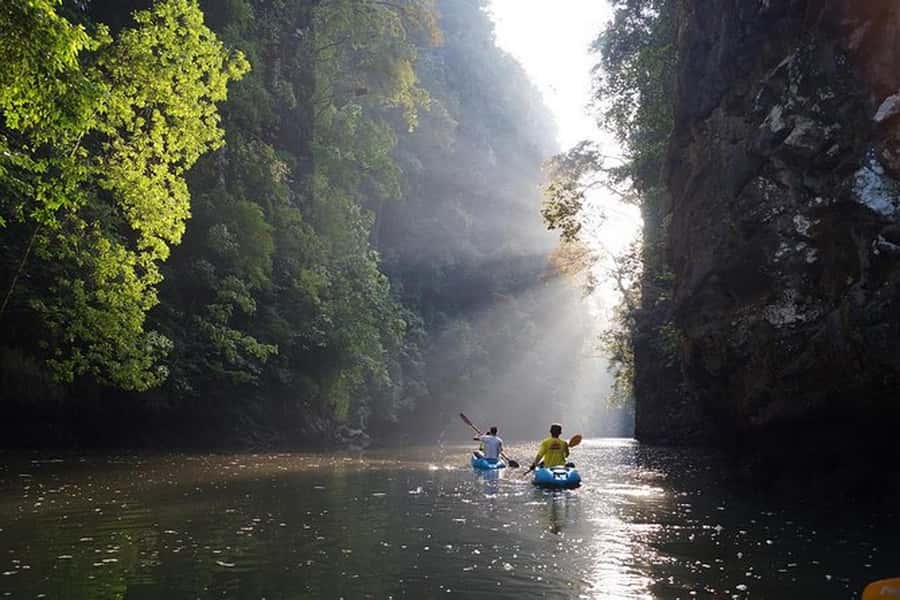
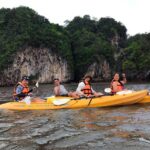
Once you arrive at Ao Thalane, you’ll get a brief orientation and safety instructions from your experienced guide before paddling. The guide support is key here because the route mixes sheltered mangrove waterways with sections that can feel choppier.
You’ll be in a small group (limited to 10 participants). That’s the ideal setup for a guide to notice who’s struggling and adjust the pacing. Still, your own experience level matters—if you’re brand-new to kayaking, you’ll feel it more on the longer stretches.
Gear and clothing are straightforward, but don’t treat them casually. Bring:
- Hat (shade is limited once you’re out on the water)
- Sunscreen
- Beachwear you don’t mind getting wet
- Insect repellent
Also think about how you’ll handle wind off the water. Even when the kayak trip is sold as calm, you’re in the Gulf of Thailand—breezes can make the experience cooler in one moment and physically tiring in the next.
Paddling the Ao Thalane Bay route: calm mangroves, canyons, and hidden water pockets
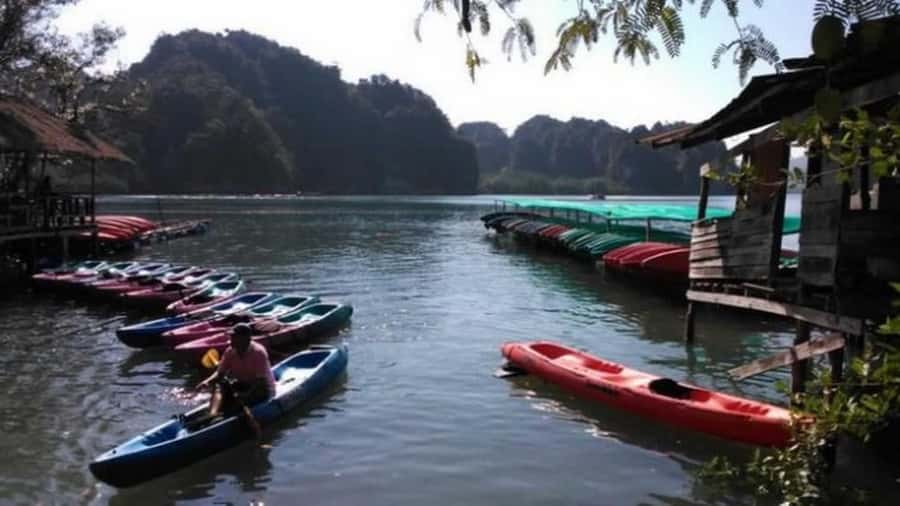
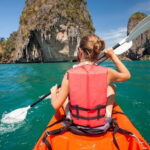
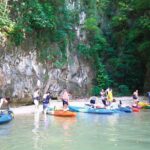
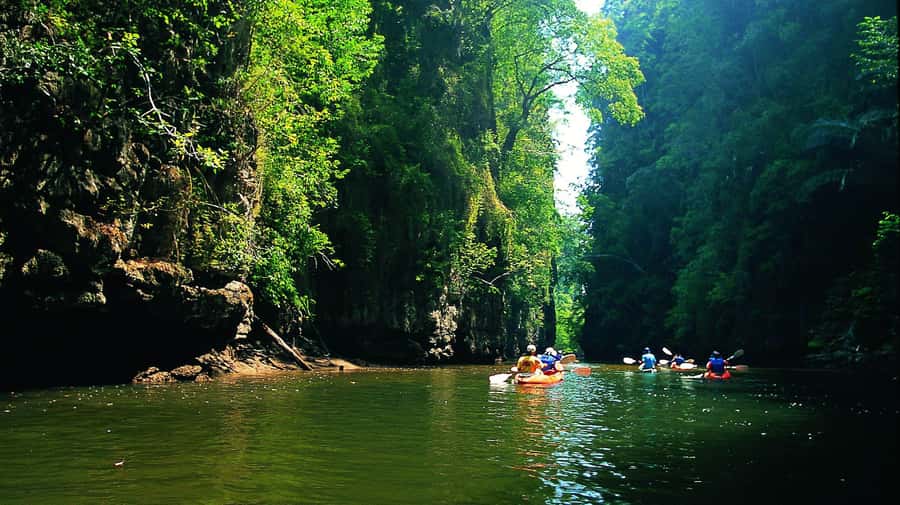
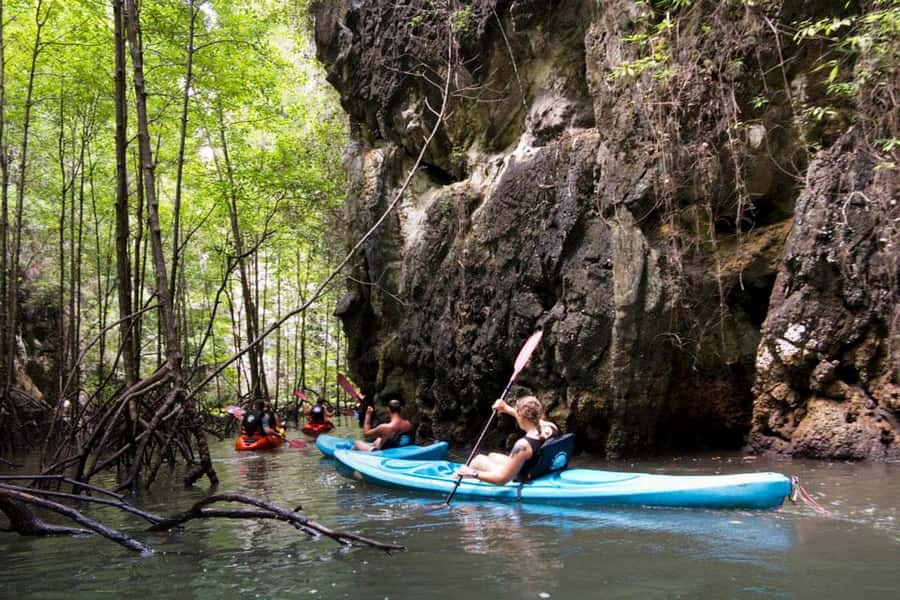
Your kayaking time is about 3 hours, and that’s the heart of the trip. You’ll paddle through Ao Thalane Bay at your own pace, moving between different coastal zones. On paper it sounds simple: mangroves and scenic water.
In practice, the route’s variety is what keeps it interesting. You might glide alongside:
- lush mangrove forest sections
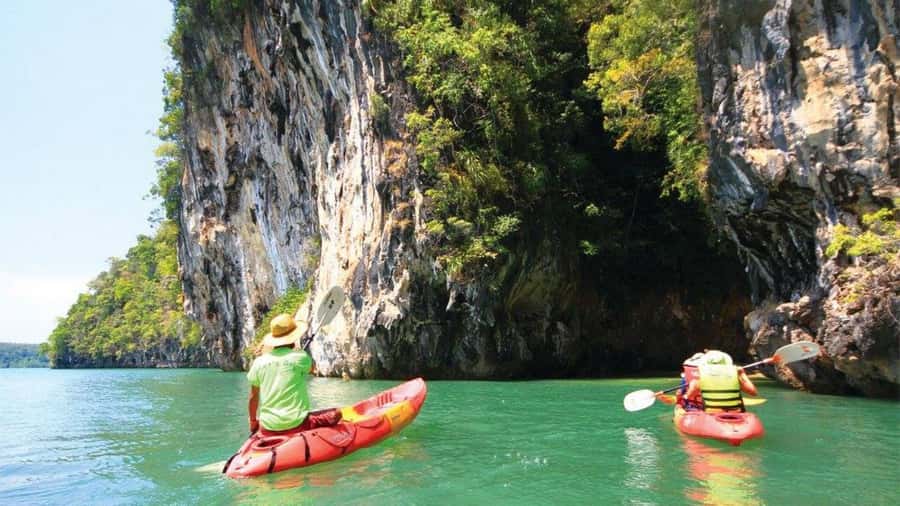
- canyons and dramatic rock formations
- caves and tranquil lagoons
- mountain views that frame the whole trip
This is the part I’d describe as “Krabi without the crowds.” Instead of standing in the same photo spot as everyone else, you’re in motion, and the scenery changes every few minutes. That’s especially true inside mangroves, where the light shifts and the channels can feel quietly enclosed.
A practical tip: keep your rhythm. When you stop paddling completely to look around, the boat can drift and then you’re restarting harder. Slow, steady strokes usually feel easier than frequent bursts.
Mangrove forest details: roots, wildlife chances, and respectful spotting
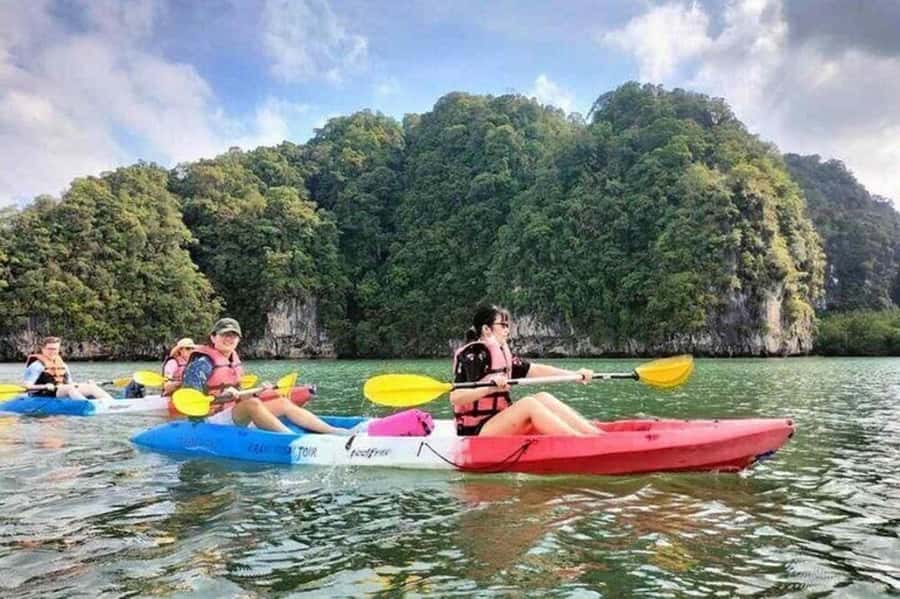
The mangrove forest here is what makes the whole tour feel different from a typical beach kayak. You’re not just going past pretty scenery—you’re moving through a living ecosystem.
The tour highlights that you may see wildlife in undisturbed habitat, including:
- iguanas
- kingfishers
- herons
- crab-eating macaques
- and other bird species and monkeys
Reality check: you can’t force animals to appear. But mangroves are exactly where animals like to work. If you paddle quietly and keep noise low, you’ll often notice more than if you rush.
Also, mangroves come with roots and narrow water edges. If you’re unsure about how close to paddle, follow your guide’s cues. The best “wildlife spotting” approach is simple: pause only when your kayak is stable, watch briefly, then keep going.
Tide matters more than you might expect
One of the most useful pieces of advice from real paddling conditions is to check the tide timing before you go. The difference between high and low tide can be huge here.
At low tide, you might:
- do only part of the larger loop
- see mangrove roots more clearly
- encounter sandier sections where you may need to haul the kayak at points
That can sound like extra work, and it is—yet it can also make the route feel more adventurous and visually different. If you’re traveling for maximum comfort, aim for conditions that give you more floating water. If you’re traveling for “real nature,” low tide can be fascinating.



Crocodile Cave stop: why this break works during a 3-hour paddle
A standout moment is the stop at Crocodile Cave. Even if you don’t love the name, the stop matters because it interrupts the monotony of paddling and gives you a clear landmark to look forward to.
How it fits the day:
- You’ve already spent time moving through mangroves and quieter stretches.
- Then you hit a more distinct feature of the coastline.
- After that, you continue back through the route with a fresh sense of progress.
If you’re the type who gets bored quickly on “scenic only” tours, this kind of anchor point helps. It turns the experience into a story instead of just an outdoor workout.
How fit do you need to be? distance, wind, countercurrents, and sand
Let’s talk effort, because this is where expectations can break.
Even though the kayaking is described as at your own pace, paddling distance can still be a factor. One recent account measured the route at about 6 kilometers, and another described the hands-on effort as intense—especially if you’re not used to steady paddling.
Another consideration is water movement. Along coastal sections, you may face:
- waves
- wind
- and noticeable countercurrents
If you’re a confident paddler, that’s usually manageable and can even feel fun. If you’re new to kayaking or you want a more gentle arm day, you’ll want to choose your timing wisely and be honest about your fitness level.
Finally, low tide can add friction. If the route includes sand sections, expect that you might have to pull the kayak through. That’s not dangerous for most travelers, but it’s real physical labor.
Practical self-check before you book
This is not the best choice if you want a purely easy float. It’s better for people who can:
- paddle steadily for a few hours
- handle some chop or wind without panicking
- stay calm and follow instructions in changing water conditions
Morning vs afternoon: heat, comfort, and pacing
Krabi heat can sneak up on you. The tour runs on morning and afternoon schedules, and that difference is more than just clock time.
One clear piece of practical advice: the morning tour is more comfortable. Afternoon paddling can get uncomfortably hot, especially because you’re outdoors the whole time and you’ll be wearing your hat and sunscreen but still feeling the sun and humidity.
If you’re sensitive to heat or you’re doing other activities in the same day (like beach time or a second tour), morning is the smarter move. You’ll also likely get better energy for the return transfer.
Small-group reality: limited to 10, but ask how many kayaks you’ll see
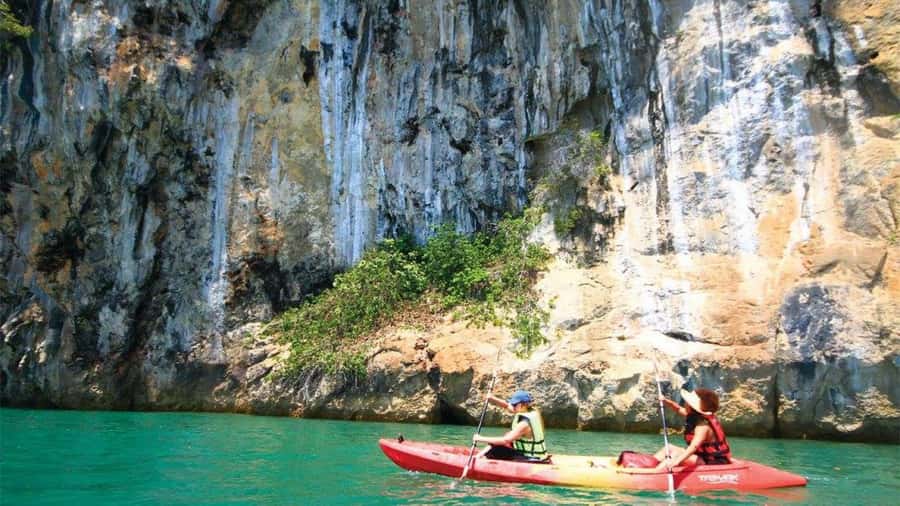
The tour is listed as small group with a maximum of 10 participants, and that’s what you should hope for. Small groups generally mean:
- less crowd pressure
- more manageable pacing
- more likely individual check-ins from the guide
That said, real-world conditions can sometimes lead to more kayaks on the water than you expect. If your group feels too big for attentive guidance, the flow of the trip can feel disjointed—especially when paddlers have very mixed experience levels.
What you can do: on pickup or before departure, ask your guide a simple question—how many kayaks will be on the water with you today? If the number feels high, adjust your expectations. You can still enjoy the scenery, but you may rely more on your own pacing skills.
Eco-friendly by design: how this tour respects the mangrove environment
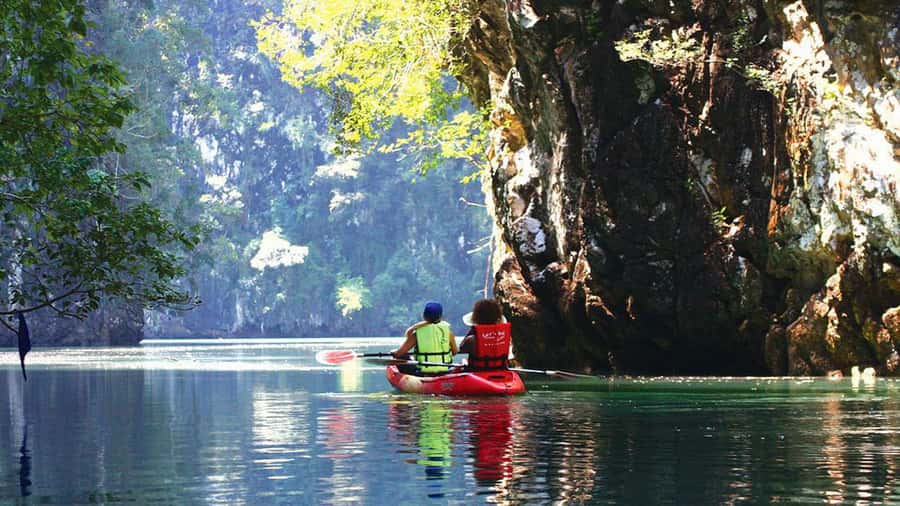
This activity is positioned as eco-friendly, and that’s not just marketing language. A mangrove kayak trip only works if it stays light-footed.
Why that matters for you:
- You’re moving quietly through sensitive areas, rather than using engines.
- The experience depends on observation, not disturbance.
- It encourages slower travel and better wildlife awareness.
So instead of rushing through one view after another, you’re giving yourself time to notice the details—roots, birds, small changes in water color and light.
Value and who should book this Ao Thalane mangrove kayak day
I think this tour is good value if you want a half-day format that includes real nature time and guided interpretation—without needing advanced kayaking skills.
Here’s who it fits best:
- Nature lovers who like ecosystems more than monument photos
- People who want an active day without a full-day commitment
- Travelers staying in Ao Nang who want pickup and an easy schedule
- Kayakers who can handle a few hours of paddling and some changing conditions
Who should reconsider:
- Anyone who can’t comfortably do repetitive arm work for hours
- If you’re sensitive to heat, pick the morning slot
- If you’re expecting a fully flat, effortless float, the route conditions may surprise you
Also note the exclusions. It’s not suitable for:
- children under 2
- pregnant women
- wheelchair users
- people over 70
And pets, alcohol, and drugs are not allowed.
Should you book this Krabi Ao Thalane kayaking tour?
If you’re drawn to mangroves, wildlife, and that off-the-beach feeling of moving through nature, I’d book it—especially for the chance to paddle into quiet channels and experience the scenery as it changes around you.
My “yes, but…” advice: choose your timing (morning for comfort), plan for real paddling effort, and be ready for water movement—plus the possibility that tides can shift what part of the loop you’ll complete. If you show up prepared with the right clothing and mindset, this is exactly the kind of Krabi experience that feels personal, calm, and worth your time.
FAQ
What is the total duration of the tour?
The tour lasts about 4.5 hours total, including pickup/transfer and 3 hours of kayaking time at Ao Thalane.
Where does pickup happen?
Pickup is included from hotels in the Ao Nang area. You’ll meet in the hotel lobby about 10 minutes before your scheduled pickup time.
How long is the transfer to Ao Thalane?
The transfer is about 1 hour before you reach Ao Thalane.
Is there an English-speaking guide?
Yes. The tour includes a live tour guide who speaks English and Thai.
How big is the group?
It’s a small group limited to up to 10 participants.
What will I see on the kayak route?
You’ll paddle through Ao Thalane Bay including mangrove forest areas, canyons, caves, and tranquil lagoons. The route also includes a stop at Crocodile Cave, and you may spot wildlife like iguanas, kingfishers, herons, crab-eating macaques, and other birds and monkeys.
What should I bring with me?
Bring a hat, sunscreen, beachwear, and insect repellent.
Who is the tour not suitable for?
It’s not suitable for children under 2, pregnant women, wheelchair users, or people over 70.
Is free cancellation available?
Yes. You can cancel up to 24 hours in advance for a full refund.