REVIEW · KRABI
Krabi: Ethical Elephant Sanctuary Experience
Book on GetYourGuide →Operated by Phang Nga Elephant Park · Bookable on GetYourGuide
Elephants teach patience fast. This ethical elephant sanctuary experience in Phang Nga pairs a close, caretaker-led day with time in the jungle and a real look at daily elephant care. I like that it’s not just photos; you’re coached on how to approach and guide your elephant safely, with an English-speaking guide and a full safety briefing.
Two parts I really like are the jungle walk side by side (you move at the elephants’ pace, including a chance for them to rest) and the moment when you prepare food yourself before feeding. One guide name that stood out in recent experiences was Pia, described as very informative and helpful, which matters when you’re trying to understand elephant behavior beyond simple rules.
One possible drawback to consider: the program includes an opportunity to watch and join the rock-pool bathing. If you came with strong personal reservations about humans washing elephants (even in a care context), this portion may feel uncomfortable even though the park frames it as part of their welfare routine.
In This Review
- Key highlights worth knowing
- Entering Phang Nga Elephant Park: pickup, welcome drink, and rules that make sense
- Caretaker outfit, elephant health check, and daily life basics
- The jungle walk beside your elephant: calm pace, real guidance
- Food prep, feeding, and skin care: what hands-on should feel like
- The rock-pool bath: cooling off and the ethical question you should ask yourself
- Thai lunch, showers, and the time to reset and learn more
- Price and value in context: is $112 fair for this 4-hour day?
- Who should book this, and who should think twice
- Should you book Phang Nga Elephant Park?
- FAQ
- FAQ
- How long is the Krabi Ethical Elephant Sanctuary experience?
- Is hotel pickup included?
- What should I bring for the rock-pool part of the day?
- Will I prepare and feed the elephant myself?
- Is there a health check included?
- What language is the tour guide?
- Is it suitable for children?
- What is the price?
Key highlights worth knowing
- Family-run sanctuary with 150+ years of elephant care and a focus on welfare and education
- Caretaker-led routine, including an elephant health check demonstration
- Walk through the jungle beside your elephant, with time for the elephant to rest
- Hands-on feeding, including food prep and caring actions like skin care
- Rock-pool bath viewing (and optional participation) for cooling off
- Traditional Thai lunch plus showers and locker-room facilities
Entering Phang Nga Elephant Park: pickup, welcome drink, and rules that make sense
Your day starts with hotel pickup in air-conditioned transport. Pickup times vary depending on where you’re staying, but you’ll be told your scheduled time, and the practical tip is simple: be ready in the lobby about 10 minutes early so the group doesn’t wait.
When you arrive at Phang Nga Elephant Park, you meet your guide and get a refreshing signature welcome drink. Then comes the part that sets the tone: you’ll get the history and basics of Asian elephant behavior, plus a clear explanation of what this park believes “ethical care” looks like in daily practice.
You’ll also receive a safety briefing before you approach the elephant. That matters because this isn’t a passive animal-viewing stop. You’ll be taught how to direct and approach your elephant, which makes the experience more intimate—and also makes those rules worth paying attention to.
You can also read our reviews of more tours and experiences in Krabi.


Caretaker outfit, elephant health check, and daily life basics
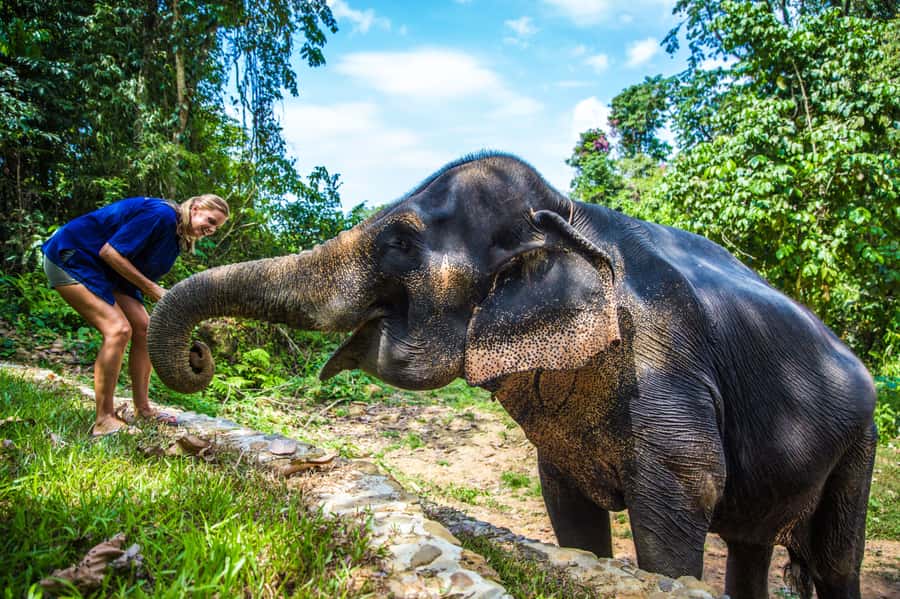
Before meeting your elephant, you change into a caretaker outfit provided by the park. It’s a small touch, but it helps you understand the vibe: you’re not just standing around. You’re joining a structured routine where caretakers handle everything with purpose.
Next, you watch a demonstration of an elephant health check. The goal here is educational—seeing what caregivers look for and how routine care works. The best value of this moment is that it moves the conversation from cute behavior to real welfare, like how caretakers monitor condition and keep elephants healthy day to day.
You’ll then meet your elephant and learn about her. Expect your guide to cover behavior patterns and the day’s rhythm, including why elephants sometimes pause and rest. When you know that ahead of time, the experience feels less like waiting and more like cooperating with how the animals naturally move.
The jungle walk beside your elephant: calm pace, real guidance
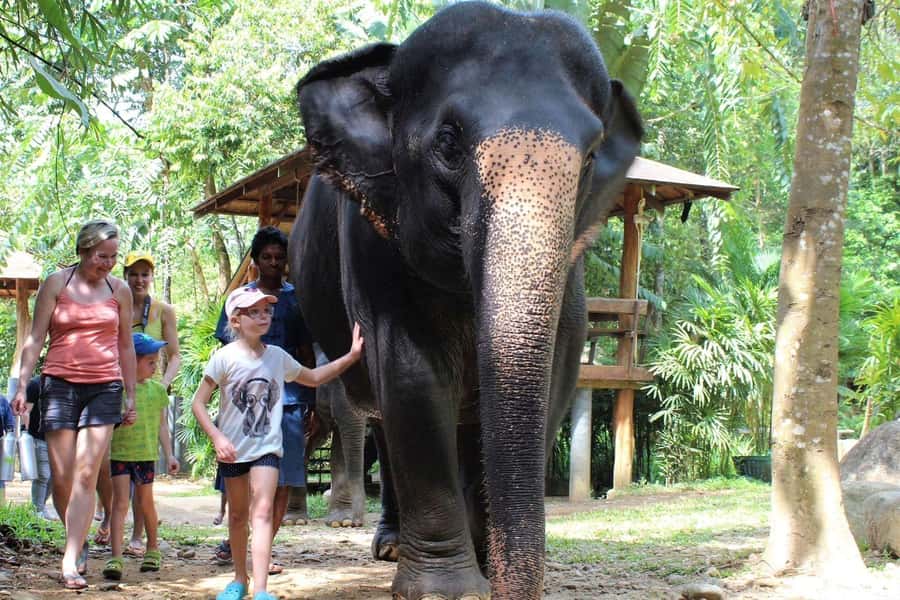
Then you head out for the jungle walk, where you walk side by side with your elephant through lush greenery. The description is simple, but the experience is really about pace. Elephants don’t rush, and you shouldn’t try to force the moment.
The park also gives you guidance on how to approach and direct your elephant. You’re not left guessing, which is important when you’re traveling solo and nervous about doing the wrong thing. You’ll also learn why you might stop, adjust distance, or pause—because the elephant’s comfort leads the plan.
One practical upside: this part of the day is structured enough that you don’t feel like you’re herded. You get a guided experience, but you’re still moving at an animal’s tempo, not a human timetable.
Food prep, feeding, and skin care: what hands-on should feel like
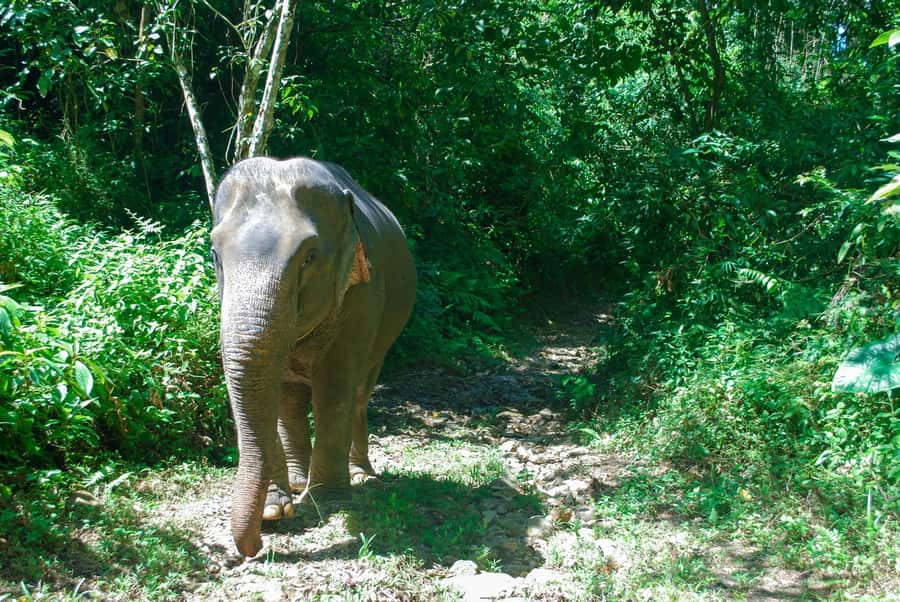
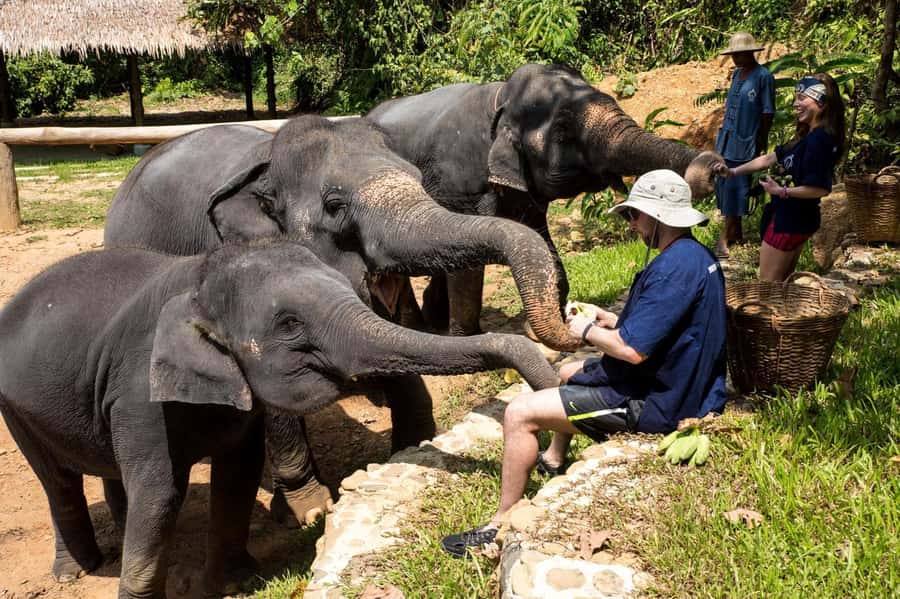
After your walk, your elephant takes some time to rest. That break is built into the flow, and it’s when you prepare food and then feed her in the jungle surroundings.
You’ll do some food preparation yourself, which makes feeding feel less like a trick and more like work you’re being taught to do. Your guide should explain what you’re doing and how to position yourself safely, since you’re close enough for the action to be real.
The program also includes taking care of your elephant’s skin. This is one of those details that sounds minor until you see how it fits into welfare. You’re not just interacting; you’re doing a care task in the caretakers’ framework.
Here’s my practical advice: pay attention to how your elephant responds rather than focusing only on your camera. If she chooses to pause, shift, or move away, that’s not a failed moment—it’s information you should respect during an animal-forward experience like this.
The rock-pool bath: cooling off and the ethical question you should ask yourself
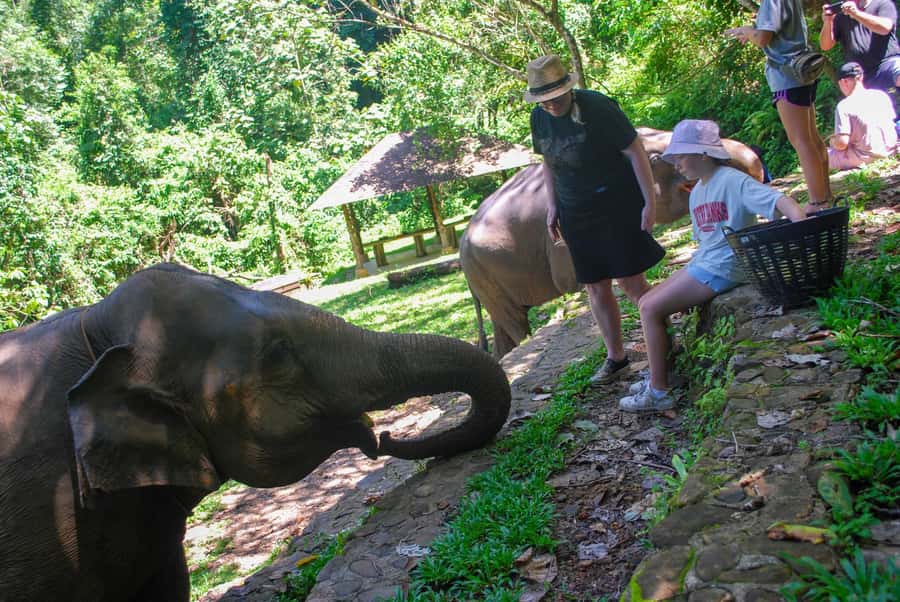
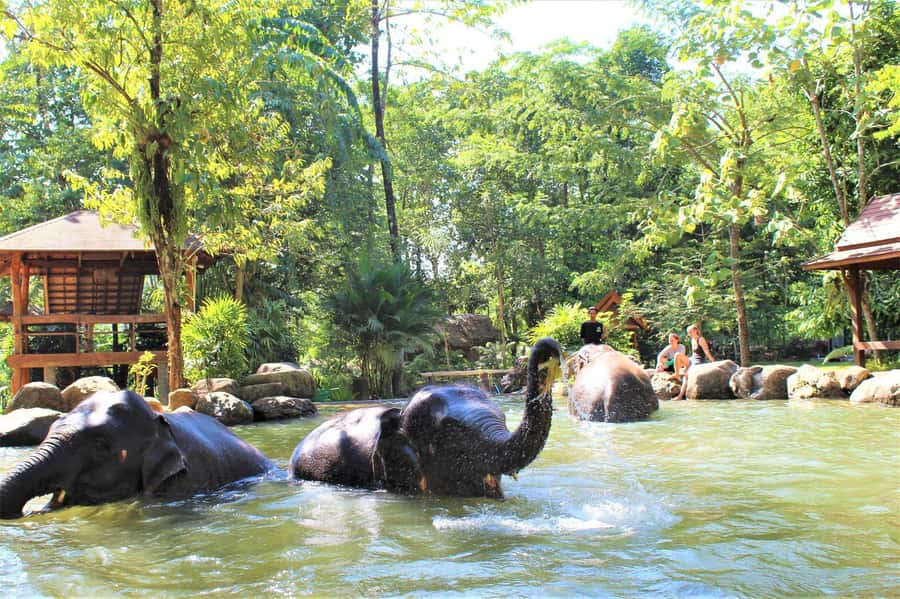
After walking and feeding, you can watch your elephant enjoy bathing in a refreshing rock pool to cool down. You’ll also have the option to bathe with her if you choose.
This is the most polarizing part of the day, and it’s worth being honest about why. One experience rated the day highly but flagged discomfort around being allowed to scrub and bathe the elephants. Their point wasn’t about safety—it was about ethics and personal comfort with the human-animal contact style.
So how should you decide? If you’re the type of person who wants a strictly observational interaction, this portion may not match your comfort level. If you’re okay with hands-on being framed as care, you might find it meaningful because the bathing is presented as part of welfare—cooling the elephant down and letting her engage with her environment.
Either way, I’d treat your guide as your best tool. Ask what they’re doing during the bathing and why it’s part of daily welfare here. Good guides can explain the intention, not just the activity.



Thai lunch, showers, and the time to reset and learn more
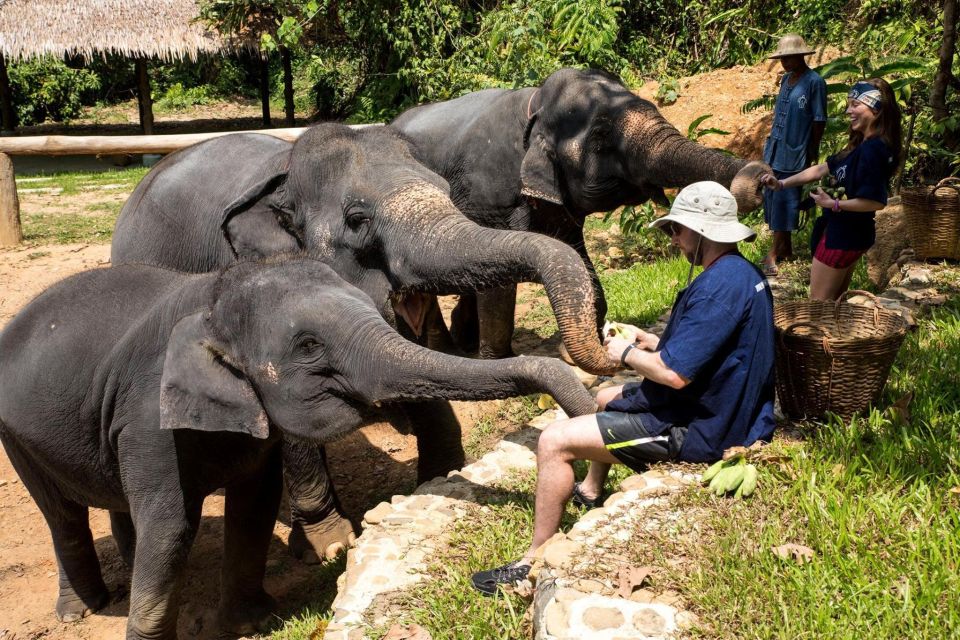
Once the bathing and skin care are done, you’ll shower and change. The park provides excellent shower and locker-room facilities, which is a big quality-of-life detail people appreciate later, especially if you’re headed to dinner afterward.
Then comes the food: a traditional Thai lunch that’s described as delicious and freshly cooked, plus fresh fruit and refreshments. For me, the value isn’t only that lunch exists. It’s that the meal is part of the full experience, not an afterthought, and it helps you recover after a physical, warm-day walk.
After you eat, you get time to relax, take photos, and visit the souvenir shop and Education Centre. That last part is underrated. If you want your elephant experience to stick beyond the fun moments, the Education Centre helps you connect the day’s care activities to broader elephant welfare topics.
Price and value in context: is $112 fair for this 4-hour day?
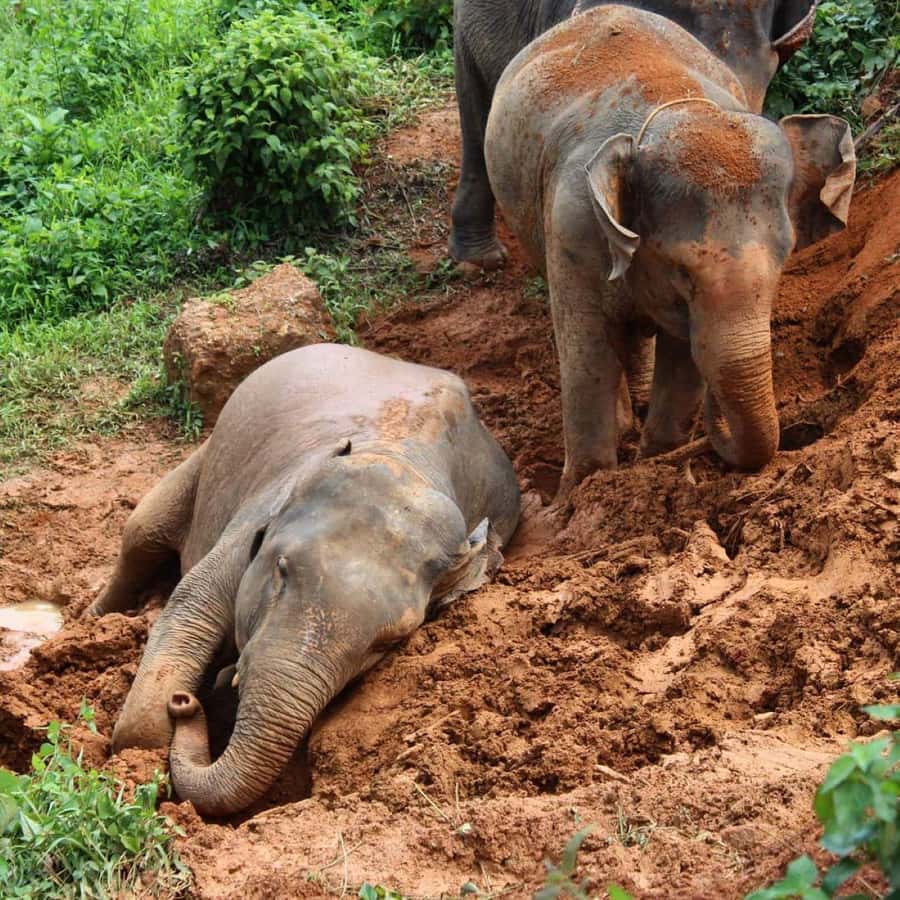
At $112 per person for a 4-hour experience, this sits in the mid-to-upper range for elephant encounters in the region. The question isn’t only whether it’s expensive—it’s whether you get real value for that money.
Here’s what you’re paying for, based on what’s included:
- Air-conditioned hotel transport plus an English-speaking guide
- A caretaker-outfit change and a safety briefing
- A health check demonstration and education about Asian elephant behavior
- Jungle walking plus food prep and feeding
- Elephant care activities like skin care
- Rock-pool bathing viewing and optional participation
- A proper traditional Thai lunch, fruit, and refreshments
- Shower and locker-room facilities
To me, the best value pieces are the educational components that guide the interaction: the health check demonstration, the training on approach, and the daily routine explanation. If all you wanted was quick animal time, you could spend less. But if you want a structured welfare-focused day that includes hands-on care tasks and a full meal, $112 can feel fair.
Who should book this, and who should think twice
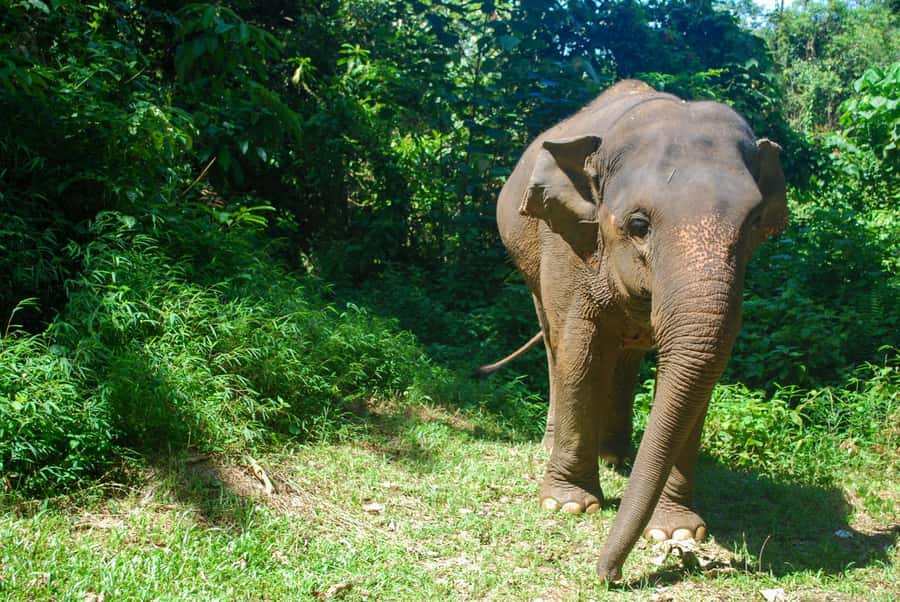
This experience is a strong fit if you want:
- A guided, structured day in the jungle with close elephant interaction
- Hands-on feeding (food prep plus feeding)
- A clear focus on care routines, including a health check demonstration
- A day that’s capped at about 4 hours with lunch and comfortable facilities
It’s also a good match if you like having a park explain how elephants live day to day, not just what they do for visitors. One thing I’d look for in any sanctuary-style outing is whether the staff builds in elephant rest time—and here, that rest is part of the flow.
Who should think twice:
- If you strongly dislike the idea of humans washing/scrubbing elephants, the rock-pool bath moment is something to weigh carefully.
- If you’re traveling with very young kids, note that it’s not suitable for children under 4. The day involves walking, water activity options, and a structured routine.
Should you book Phang Nga Elephant Park?
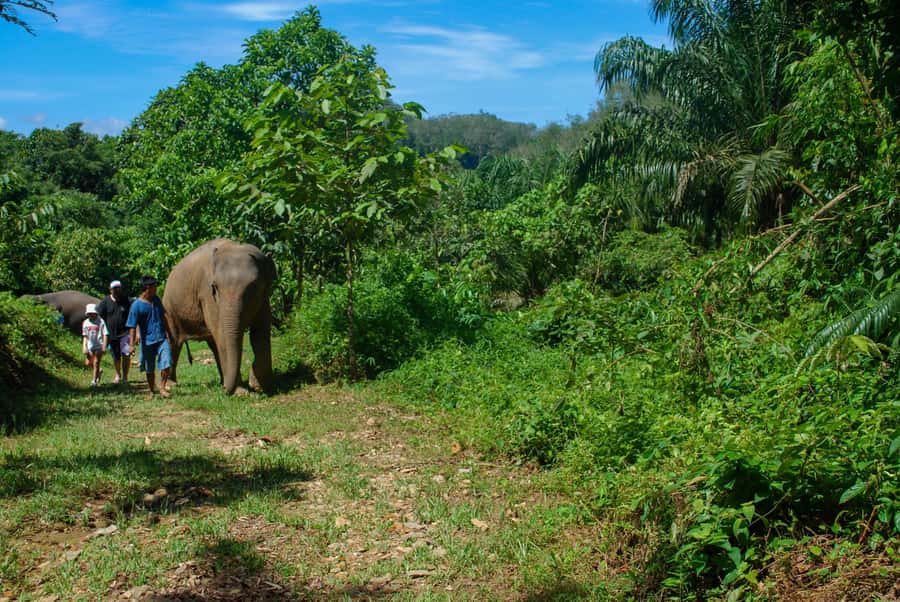
I’d book it if your ideal elephant day includes education, caretaker-led structure, and a realistic look at daily welfare tasks—while still allowing you the joy of a close jungle walk and a proper Thai lunch.
I wouldn’t book it if the rock-pool bathing part feels like a hard no for you personally. Even when a park frames bathing as care, your comfort matters, and this itinerary does include human participation as an option.
If you do book, bring what you need so you can enjoy it without stress: swimwear, a towel, and a change of clothes, plus insect repellent. Also pack passport or ID, because a copy is accepted.
Finally, go in with curiosity. Ask your guide questions during the health check demonstration and around feeding and skin care. When you understand what you’re doing and why, the day feels more respectful and more memorable.
FAQ
FAQ
How long is the Krabi Ethical Elephant Sanctuary experience?
The experience lasts 4 hours.
Is hotel pickup included?
Yes. Air-conditioned transfer is included, and you should wait in the hotel lobby 10 minutes before your scheduled pickup time.
What should I bring for the rock-pool part of the day?
Bring swimwear and a towel, plus a change of clothes for after bathing.
Will I prepare and feed the elephant myself?
Yes. You’ll be shown how to approach and direct your elephant, then you’ll prepare food and feed your elephant.
Is there a health check included?
Yes. You’ll watch a demonstration of a full elephant health check and learn about the caretaker routine.
What language is the tour guide?
The tour includes an English-speaking guide.
Is it suitable for children?
It’s not suitable for children under 4 years.
What is the price?
The price is $112 per person.