REVIEW · KRABI
Krabi: Elephant Feeding Program with Food Preparation
Book on GetYourGuide →Operated by Krabi Elephant Shelter · Bookable on GetYourGuide
Feeding elephants in Krabi is surprisingly hands-on. This 30-minute Ao Nang program has you prep fresh meal mini-cakes and then hand-feed retired elephants at an ethically run sanctuary, guided step by step.
I especially like that the experience mixes food prep with real elephant behavior education, not just a quick photo moment. One thing to plan for: the session runs rain or shine, so you’ll be chopping and feeding in whatever weather shows up.
In This Review
- Key highlights you’ll remember
- Hand-Made Elephant Snacks: What You Make During the 30 Minutes
- Meeting Elephants as Individuals at an Ethical Sanctuary
- Expert Caretakers and Safety: How This Stays Hands-On
- Ao Nang Hotel Pickup and Timing: Getting There Without Stress
- Rain-or-Shine Reality Check: Clothing and Photo Expectations
- Price Value Check: What $27 Really Buys in Krabi
- Good Fit for You If You Want Care, Not Just Contact
- Things to Know Before You Go: Passport Photo and Simple Requirements
- Should You Book This Krabi Elephant Feeding Program?
- FAQ
- Where does the Krabi elephant feeding experience take place?
- How long is the experience?
- How much does it cost?
- Is the tour guide available in English?
- Does the experience run in bad weather?
- Is hotel pickup included?
- What if my hotel is outside the pickup areas?
- Is the tour suitable for children?
- What’s included in the $27 price?
- Do I need a printed passport copy for the insurance?
Key highlights you’ll remember
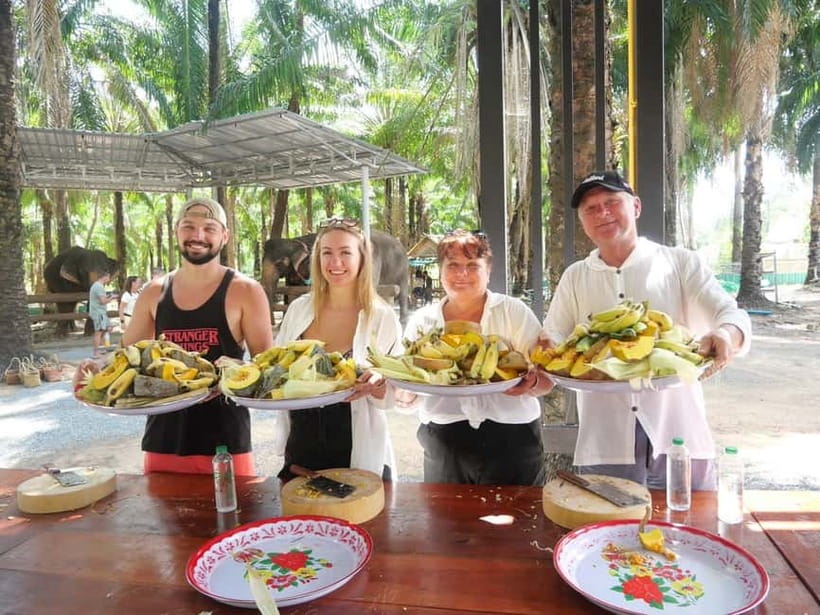
- Mini “cakes” you actually make: chop fresh fruit and veggies, then arrange them into bite-size shapes.
- Hand-feeding with caretaker guidance: you’re up close, but caretakers help you do it safely.
- Sanctuary for retired elephants: you visit a home for rehomed elephants from tourism and logging backgrounds.
- Learn elephant personalities: feeding by hand is also a chance to notice individual behavior and preferences.
- Pickup built around Ao Nang and Klong Muang: hotel transfer is included in specific areas.
Hand-Made Elephant Snacks: What You Make During the 30 Minutes
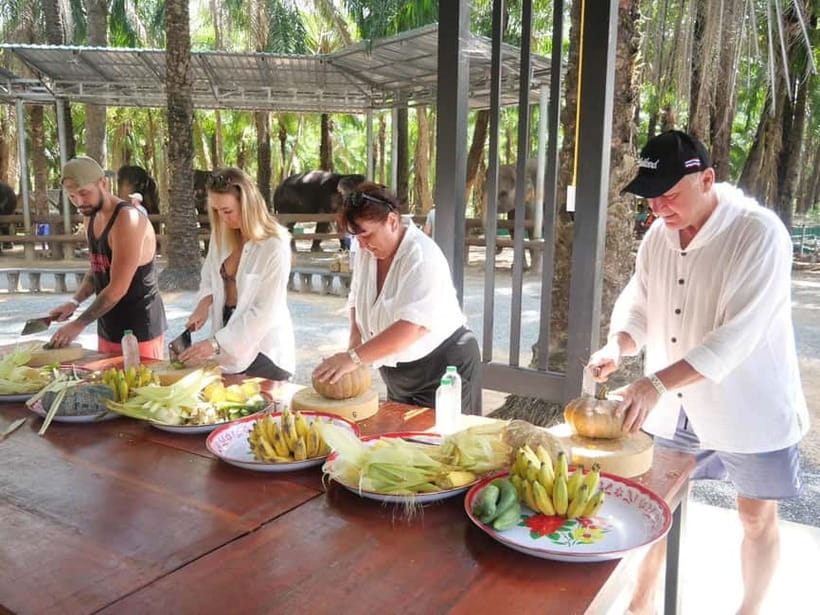
This is a short, focused session, and that matters. For $27, you’re not buying a full-day outing. You’re buying a concentrated hit of hands-on preparation followed by hand-feeding, all under expert supervision.
You’ll start by preparing a nutritious meal. The program specifically has you chop fresh fruit and veggies and arrange them into mini cakes. Think of it as learning-by-doing: your guide shows you what the elephants are fed, then you help prepare it. It’s also a great way to slow down and pay attention, because your hands stay busy while the guide explains behavior and care basics.
Why I think this setup is valuable: when you prepare the food yourself, you naturally ask better questions. You’re not just standing there. You’re learning what goes into the plate and why those choices support elephant health and routine. Even in 30 minutes, that turns the experience from spectacle into something more meaningful.
One more practical note: the snacks you prepare are part of the experience. Meals are not included separately, so plan on eating either before or after your session depending on your schedule.
You can also read our reviews of more food & drink experiences in Krabi



Meeting Elephants as Individuals at an Ethical Sanctuary
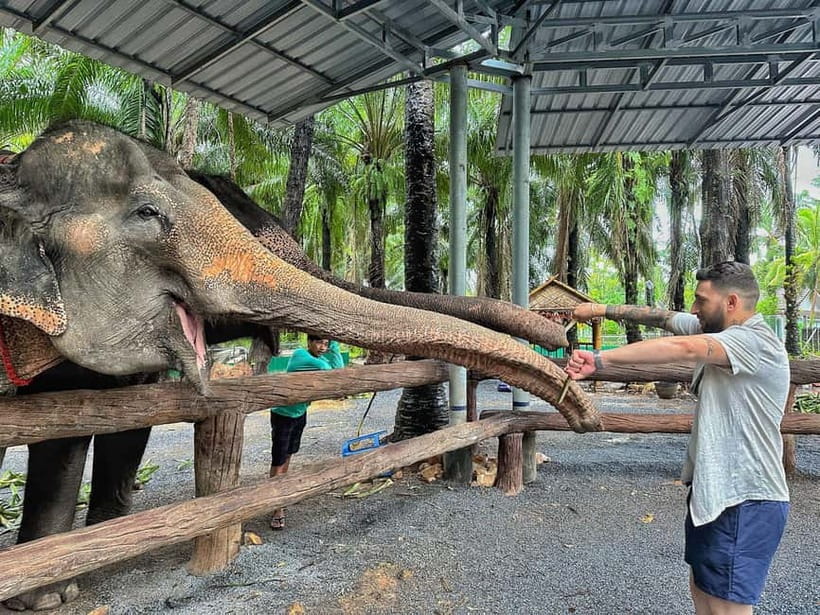
Krabi’s elephant scene can vary a lot. What makes this one different is that it’s tied to ethical care: you visit a sanctuary that provides a loving home for retired and rehomed elephants from tourism and logging industries.
This isn’t presented as a perform-for-tourists type of event. Instead, you spend time exploring the sanctuary and meeting the elephants and caretakers as part of the care environment. As you feed by hand, you can notice that elephants are not all the same. The experience is designed so you learn about unique personalities, which is one reason many people come away feeling more connected than they expected.
In real terms, you’re getting two things at once:
- A hands-on feeding moment (your mini cakes, your hand feeding, your direct interaction)
- A care-focused context (retired elephants, caretakers, and a place that’s meant to be a home)
That second part is the one people often underestimate. A feeding experience can still feel shallow if it’s not paired with a legitimate sanctuary model. Here, the sanctuary component is built in, so you’re not just doing the action—you’re also seeing where the elephants live when the tourism attention ends.
Expert Caretakers and Safety: How This Stays Hands-On
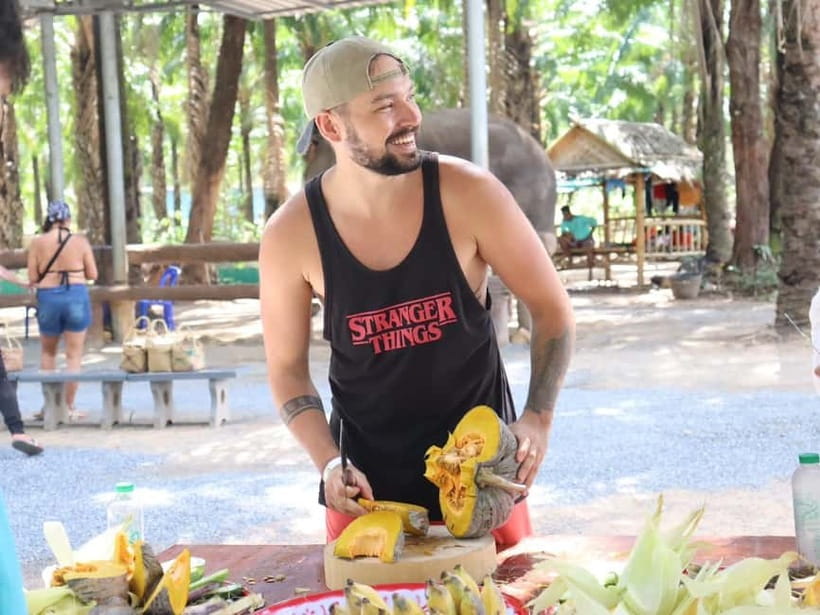
You’re not sent in blind. The experience is guided by expert caretakers who ensure a safe, educational, and hands-on feeding setup.
Here’s what that means for you on the ground:
- You’ll be taught how to prepare the food appropriately.
- Feeding happens under caretaker guidance, which is the important part for safety and for keeping the interaction respectful.
- The guide’s job is not only to translate, but to help you understand elephant behavior while you’re there.
A detail I like: the program explicitly highlights learning. You’re not just interacting; you’re learning about Asian elephant behavior and care. That makes the experience feel less like a transaction and more like instruction you can carry forward.
Also, since this is rain or shine, the caretakers and guides are the ones keeping the session structured. If conditions are wet, you’ll want to follow their instructions closely rather than improvising.
Ao Nang Hotel Pickup and Timing: Getting There Without Stress
Logistics can make or break a short tour, so this part matters. The tour includes hotel transfer for people staying in Ao Nang, Klong Muang, and Nopparat Thara areas. Pickup typically happens 30 minutes to 1 hour before the session starts.
That timing window can feel weird if you like exact schedules. My advice: treat pickup as an early-start kind of activity. If you’re hungry or still in beach mode, build in a little buffer so you don’t rush.
If you’re outside the included pickup areas, there’s an extra pickup charge of 200 THB per person. If you’re staying farther out along the coast, it’s worth confirming that your hotel is in the pickup zone before you lock in your plans.
Duration is listed as 30 minutes, and that’s for the experience itself. Transfers are included, but your day will still feel like it has a “slot” you need to respect. Plan around it, not around dinner afterward.
Rain-or-Shine Reality Check: Clothing and Photo Expectations
This tour runs rain or shine. That’s not a marketing line—it’s your schedule reality.
So bring practical clothes and gear:
- Wear something you can get a little wet in.
- Closed-toe shoes are a smart move for wet ground.
- Keep your phone protected if you’re carrying it openly for pictures.
Photo-wise, there’s a plain truth: a photographer is not included. If you want good pictures, plan to bring your own camera/phone and expect you may need a bit of timing to capture feeding moments.
The guide and caretakers will focus on safety and education first. Your job is to listen, follow instructions, and keep your hands where they belong.
A few more Krabi tours and experiences worth a look

Price Value Check: What $27 Really Buys in Krabi
$27 sounds simple, but it’s the items around the activity that make or break value.
This price includes:
- Hotel transfer (for specified Ao Nang/Klong Muang/Nopparat Thara areas)
- Ingredients and materials for the meal prep
- Coffee, tea, drinking water, and seasonal fruit
- Accident insurance
- Live tour guide in English and Thai
That’s a lot for a 30-minute program. You’re not paying extra for basic refreshments, and you’re not arranging transportation on your own (as long as you’re in the pickup zones). You also get accident insurance listed for the tour, which is one of those details you’re glad to have when plans get chaotic.
What’s not included:
- Meals (so you’ll need to eat before or after)
- Photographer (so bring your own)
The one caution on value: because the experience is brief, it’s best if you’re okay with a quick but hands-on interaction rather than a long, slow sanctuary visit. If you’re looking for hours of guided walkthroughs and extended time with caretakers, this format may feel fast.
Still, for people who want a responsible, educational elephant experience without spending the entire day on logistics, the pricing structure makes sense.
Good Fit for You If You Want Care, Not Just Contact
This is a strong match if you:
- Want hands-on feeding with guided instruction
- Care about ethical elephant care via a sanctuary for retired elephants
- Like learning about animal behavior while doing the activity
- Prefer a short, well-structured experience in Krabi
It’s not a match if you’re traveling with small kids. The program is not suitable for children under 10.
Also, if you’re the type of person who hates following rules around animals, take a breath. The caretakers are part of the safety system, so you’ll need to listen and comply with instructions during prep and feeding.
Things to Know Before You Go: Passport Photo and Simple Requirements

There’s one pre-arrival step that’s easy to miss: for accident insurance purposes, you’re asked to take a photo of your passport and save it on your phone. You do not need to bring a physical passport or a printed copy, but the image may be requested in an emergency.
That means:
- Have your passport photo saved where you can find it quickly.
- Don’t leave it as a vague screenshot buried in your camera roll.
Other basics from the tour info:
- The guide speaks English and Thai.
- The session is 30 minutes.
- It includes coffee/tea/water and seasonal fruit, but not a full meal.
If you’re sensitive to weather, remember it runs rain or shine. If your skin doesn’t like humidity, bring a basic comfort plan—water, a towel if you have one, and clothes that dry fast.
Should You Book This Krabi Elephant Feeding Program?
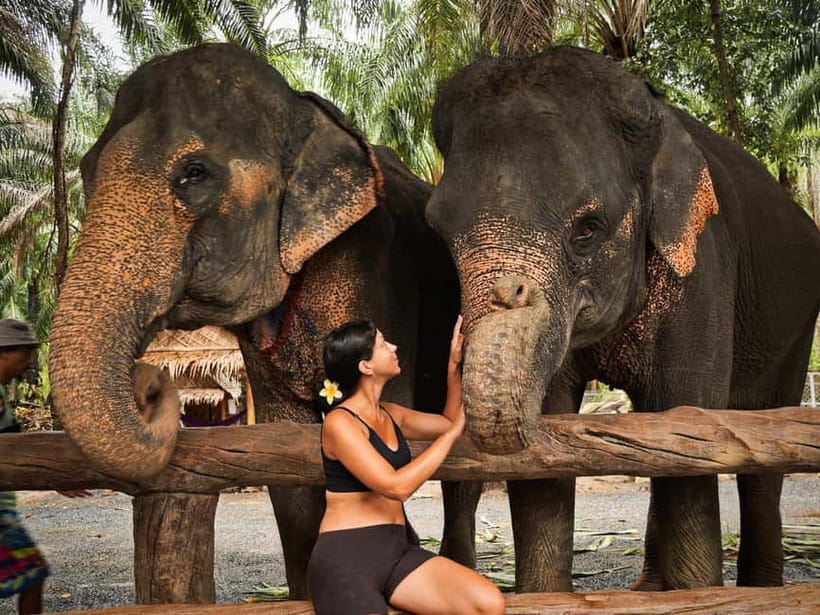
If you want a compact elephant experience that focuses on responsible care plus hands-on feeding, I’d book it—especially if ethical elephant care is a priority for you. The pairing of fresh meal prep with a sanctuary visit for retired elephants is the key reason this feels more grounded than a typical “big animal attraction.”
Don’t book it if your main goal is a long sanctuary deep visit or if you’re traveling with kids under 10. Also, if you’re expecting meals included or a professional photographer to capture everything, plan for those gaps.
My recommendation: treat this as a short, meaningful session. Show up ready to chop, listen, and feed respectfully. If that’s your style of travel, you’ll get a lot out of those 30 minutes.
FAQ
Where does the Krabi elephant feeding experience take place?
It’s in Ao Nang, Krabi, in Thailand (Gulf of Thailand).
How long is the experience?
The duration is 30 minutes.
How much does it cost?
The price is $27 per person.
Is the tour guide available in English?
Yes. The live tour guide is provided in English and Thai.
Does the experience run in bad weather?
Yes. It takes place rain or shine.
Is hotel pickup included?
Hotel transfer is included for Ao Nang, Klong Muang, and Nopparat Thara areas.
What if my hotel is outside the pickup areas?
If you’re outside the pickup areas, there is a 200 THB per person charge for pickup.
Is the tour suitable for children?
No. It is not suitable for children under 10 years old.
What’s included in the $27 price?
It includes hotel transfer (in the specified areas), ingredients and materials, coffee, tea, drinking water, seasonal fruit, accident insurance, and a live tour guide.
Do I need a printed passport copy for the insurance?
No. You’re asked to take a photo of your passport and save it on your phone for accident insurance purposes. A physical passport or printed copy is not required unless requested in an emergency.