REVIEW · THAILAND
Koh Yao Yai: Klong Hia Mangrove Kayaking
Book on GetYourGuide →Operated by Koh Yao Island Safari · Bookable on GetYourGuide
Paddle through Thailand’s mangrove maze. This Klong Hia mangrove kayaking trip on Koh Yao Yai pairs quiet canoe time with hands-on fishing lessons—how local fishermen catch crabs and shrimp using traditional methods, right along the canal. I also like how the guide turns the roots and mud into a story you can actually see, from animal habitats to why these mangroves matter for local life.
One thing to consider: your water time depends on conditions, since the program runs based on tide level to make kayaking possible.
In This Review
- Key things you’ll notice on this Koh Yao kayaking trip
- Why Klong Hia Mangroves Feel Different From Regular Island Tours
- Getting Started on Koh Yao Yai: Pickup, Safety Briefing, and Your First Paddle
- The Main Event: Kayaking Through Koh Yao’s Mangrove Jungle
- Learning Local Fishing the Traditional Way: Crabs, Shrimp, and Traps
- Wildlife Moments Without the Chaos: Monkeys, Mudskippers, and Eagles
- Coconut, Village Life, and the Human Side of Klong Hia
- Lunch at Seaview: Thai Classics With a Mangrove Story Behind Them
- What Makes This Trip Good Value at About $83
- Tide Timing and Packing: The Stuff That Can Make or Break Your Day
- Who Should Book This Kayaking Tour on Koh Yao Yai
- Should You Book Koh Yao Yai: Klong Hia Mangrove Kayaking?
- FAQ
- How long is Koh Yao Yai: Klong Hia Mangrove Kayaking?
- Is pickup from Koh Yao Yai included?
- Do I get an English-speaking guide?
- How long do you kayak?
- What is lunch like, and is it included?
- What should I bring?
- What health or mobility issues make this tour unsuitable?
- Do I need to worry about tides?
Key things you’ll notice on this Koh Yao kayaking trip
- Small-group feel: transfer is by local taxi with a maximum of 8 people, so it doesn’t feel like a cattle call.
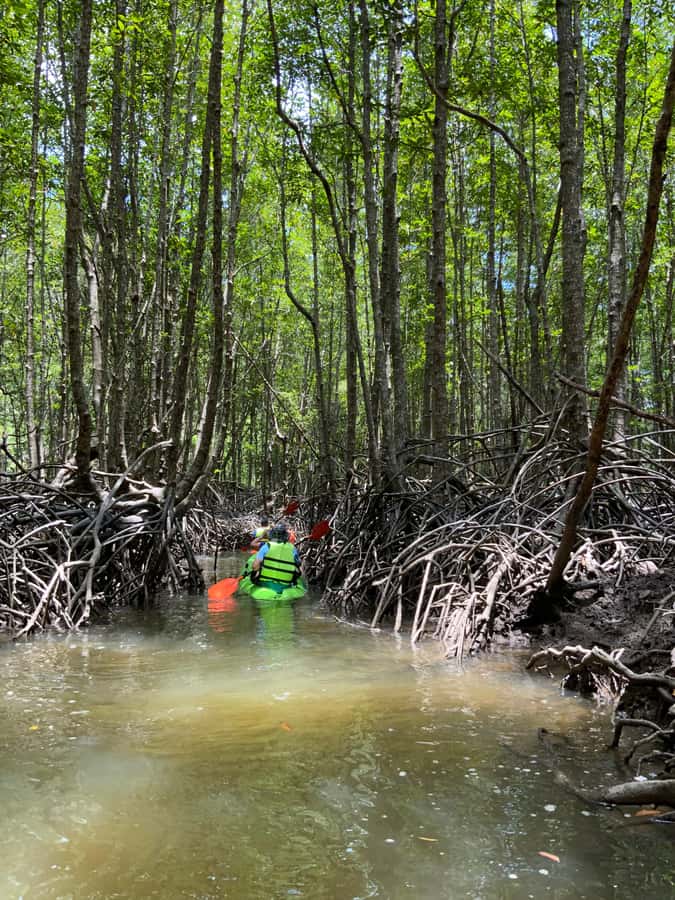
- Narrow root channels: you paddle through tight mangrove paths where the aerial roots form a strange, maze-like tunnel.
- Traditional crab-and-shrimp fishing: you learn the local way, including trap-checking and the connection to what you’ll eat later.
- Wildlife you can spot without chasing: monkeys, eagles, and mudskippers are part of the experience, and the guide steers you to good viewing spots.
- Practical safety setup: a short safety briefing plus life jacket and kayak gear help you focus on paddling, not worry.
- Sea-view Thai lunch: you finish with Thai classics at a restaurant with a view, including Tom Yum, Pad Thai, and black crab dishes.
Why Klong Hia Mangroves Feel Different From Regular Island Tours
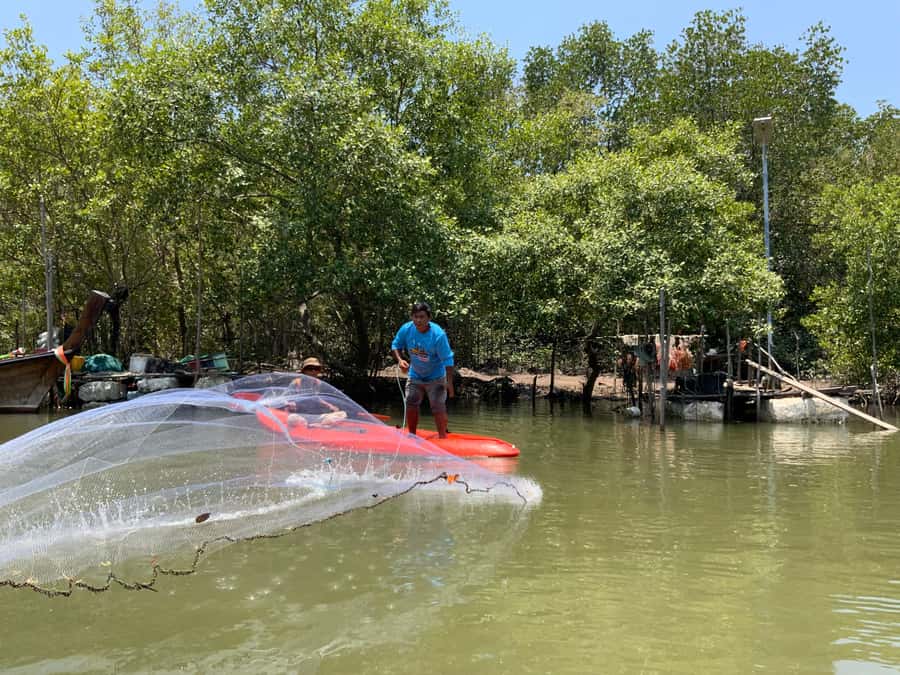
Most island tours show you a view. This one shows you a working ecosystem you can move through slowly. When you kayak along Koh Yao Yai’s biggest mangrove jungle, the mangroves aren’t just scenery—they’re the setting for daily fishing life and animal homes.
I especially liked the way the guide links practical details to what you see in front of you. You learn how local fishermen catch crabs and shrimp traditionally, and then you’re looking at the same roots and waterways as the habitat those animals depend on. That cause-and-effect makes the whole trip feel smarter, not just scenic.
The vibe is also refreshingly calm. The kayaking is active enough to feel like exercise, but it’s not set up as a grind, so you’re still in listening mode when the guide explains what’s going on.
A few more Thailand tours and experiences worth a look
Getting Started on Koh Yao Yai: Pickup, Safety Briefing, and Your First Paddle
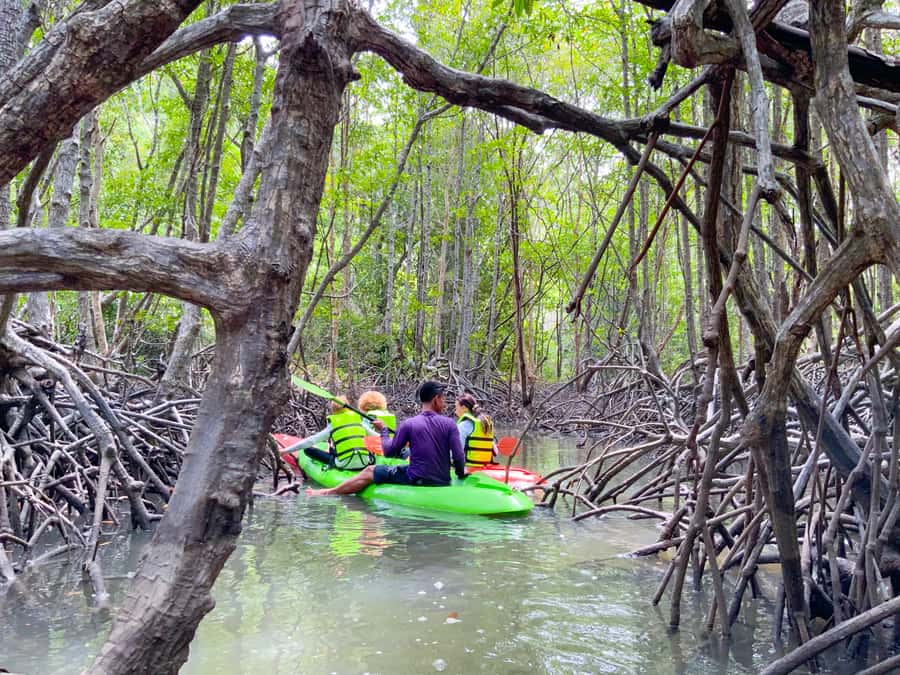
The day starts with pickup on Koh Yao Yai, using a local taxi for small groups. When you arrive at the next stop, there’s a short safety briefing—about 10 minutes—so you understand how to handle the kayak and what to watch for on the water.
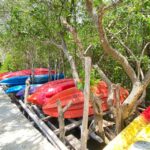
Then you’re off from Klong Hia Pier into the mangrove canal. Life jackets and basic kayaking gear are provided, and you can tell they’re set up for comfort rather than strict rules—meaning you can focus on steering and enjoying the surroundings. The kayaks used on my run felt in good shape, and that matters, because mangrove routes are tighter than open water.
A practical tip: plan for sun and bugs even in the shade. Mangroves can look cool and protected, but you’ll still be outside for hours, and you’ll paddle close enough to the roots that insect repellent is smart.
The Main Event: Kayaking Through Koh Yao’s Mangrove Jungle
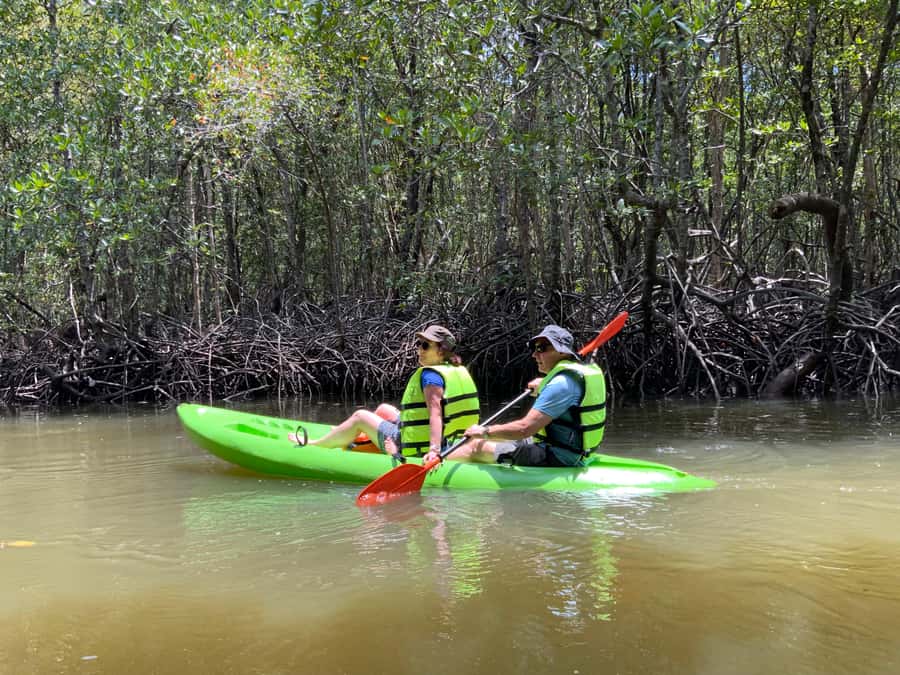
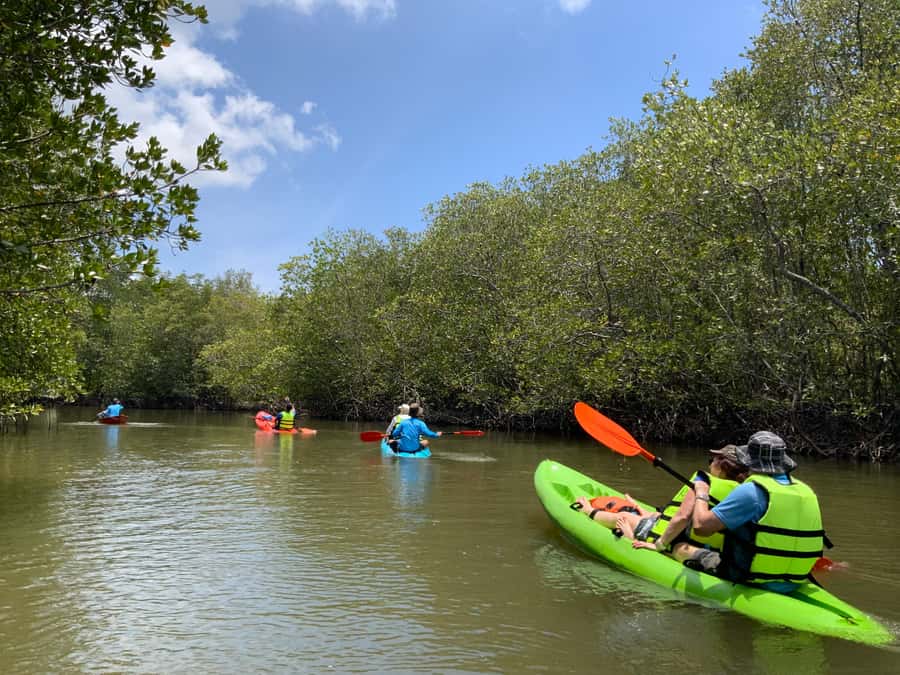
This tour’s heart is 1.5 hours of kayaking along curved canal sections through the mangroves. The channel is where the experience clicks into place. The water is calmer than you might expect, but the real action is visual—roots, mud banks, and shadowed tunnels make you feel like you’ve entered a different world.
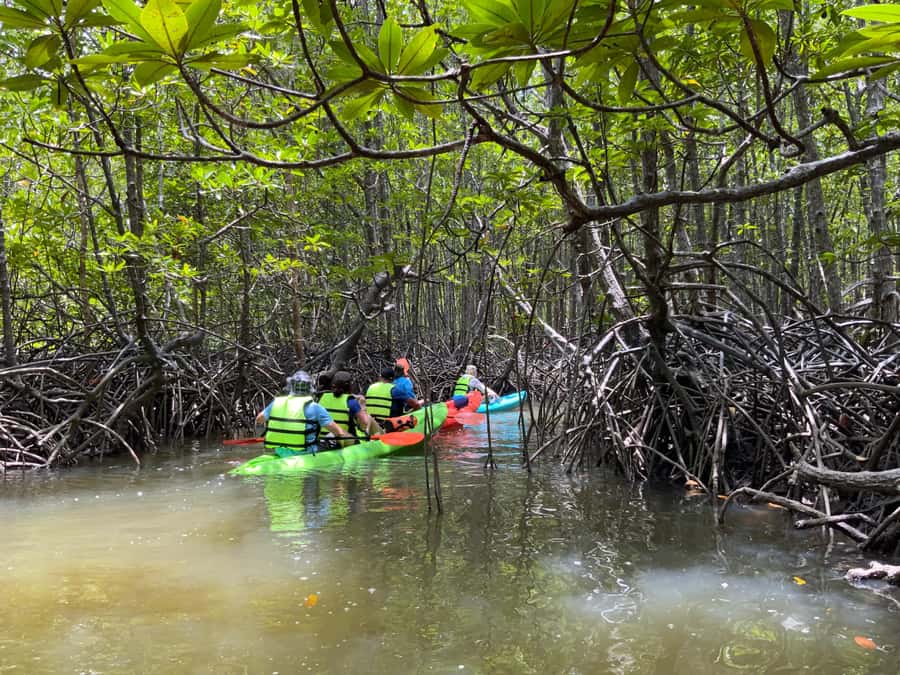
As you paddle, the “forest architecture” becomes obvious. Mangrove trees grow in ways that create this lattice of aerial roots, and you’ll pass through narrow paths where the roots hang low and close. It’s a bizarre-looking setting at first, then it starts to make sense once you hear how the habitat works.
You also don’t need to work hard to spot animals, because the guide helps you look at the right spots. You might see monkeys moving near the canopy, and mudskippers are the kind of animal that shows up when you notice what’s happening at the shoreline and roots.
One more detail I appreciated: the guide is careful about pacing and safety. You’re not rushed, and you’re not forced into constant high effort. That makes it a good option even if you don’t do kayaking often.
Learning Local Fishing the Traditional Way: Crabs, Shrimp, and Traps
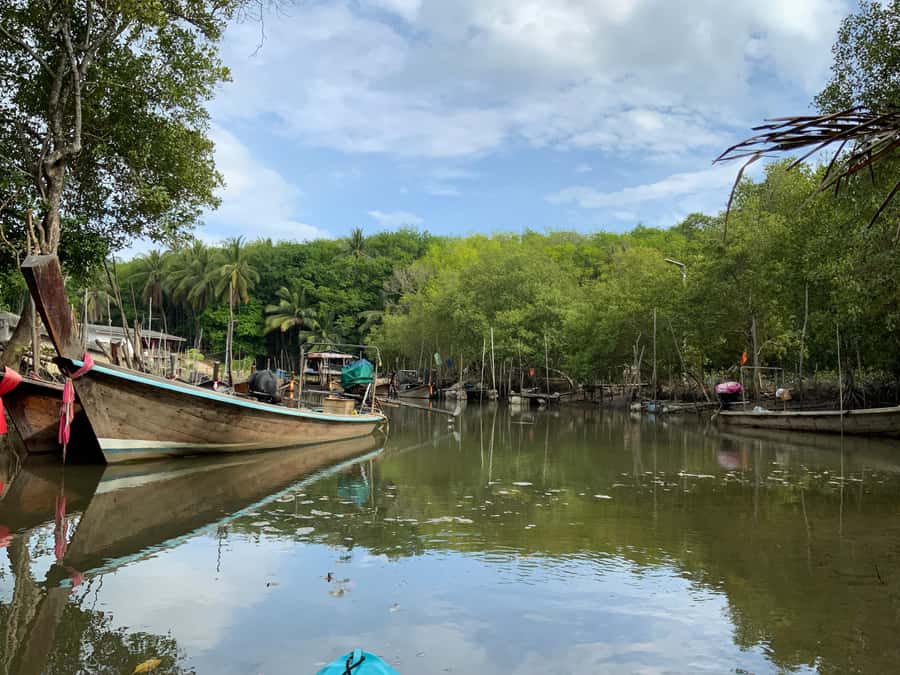
A lot of mangrove kayaking tours stop at photos. This one teaches you how people actually use the system. You’ll learn about local fishermen catching crabs and shrimp using traditional methods, and you get the chance to see the connection between the traps and the animals.
On my day, the guide explained the mangroves’ role and how local people and nature share the same space. You’re not just learning an animal fact—you’re learning a way of life that depends on the timing and structure of these waterways.
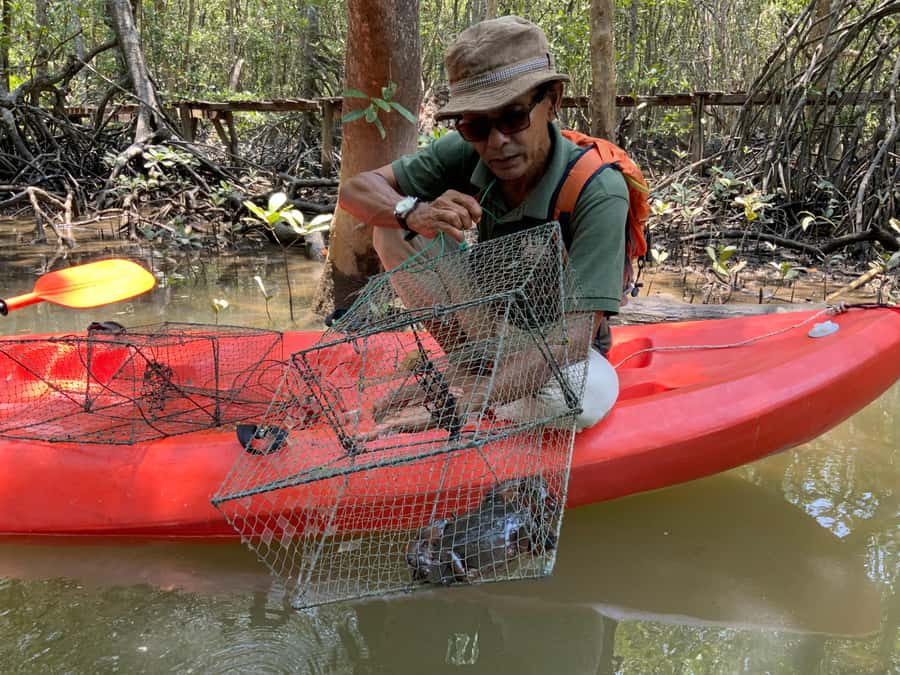
The hands-on part is especially memorable. You may check traps for black crabs with the guide’s help, and when those crabs show up, the lesson becomes real. It’s not a lecture from the dock; it’s a short step from habitat to food.
Also pay attention to what they don’t do. You’re not allowed to feed animals or touch them, and that keeps the focus on observation and respect for wildlife.
Wildlife Moments Without the Chaos: Monkeys, Mudskippers, and Eagles
Mangroves can be busy, but the tour is set up to keep it peaceful. Instead of trying to herd you from one sighting to another, the guide watches for signs and slows down so you can actually notice things.
You might see monkeys in the mangrove area, usually when the trees and roots give them cover and movement routes. Eagles are possible too, and it’s one of those sightings that makes you pause your paddling without panicking the group.
Mudskippers are one of the reasons this habitat is so interesting. They’re the kind of animal that feels like it’s part of the shoreline itself. If you pay attention to movement around the mud and roots, you’ll start to understand why mangroves are such a unique home for creatures that live both in and around water.
Important note for your expectations: wildlife viewing isn’t guaranteed in the way a zoo is. The tour is designed around habitat and likelihood, not promises. Still, even without a perfect checklist, the roots and habitat knowledge make the wildlife feel less random.
Coconut, Village Life, and the Human Side of Klong Hia
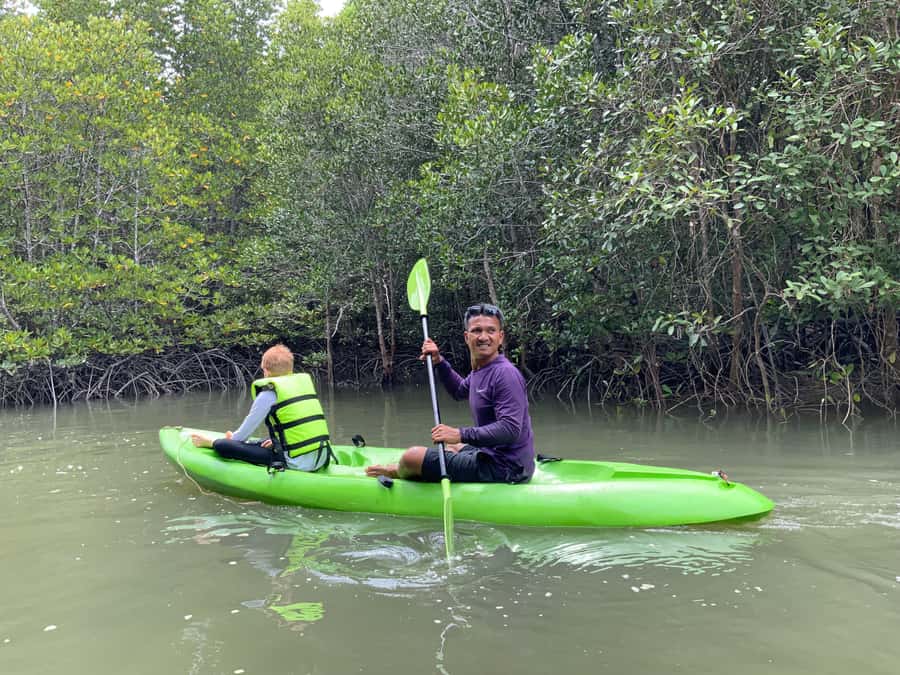
This trip doesn’t treat the mangroves as empty nature. You spend time connected to the village area, and the experience includes learning from people in a small village setting around Klong Hia.
One of the charming, practical touches is the coconut. You’ll get young fresh coconut that the team picks daily for you. It’s a small thing, but it fits the theme: this place isn’t staged. It’s living.
You’ll also hear how the mangrove environment supports local life, and why the area’s protection matters. Mangroves act like nurseries for many kinds of sea life and help stabilize coastlines, and you get the human reason for caring about them—because local fishing and daily routines depend on healthy water and habitat.
If you like experiences where nature and people are connected—rather than separated—you’ll likely enjoy this part a lot.
Lunch at Seaview: Thai Classics With a Mangrove Story Behind Them
After paddling comes food, and it’s not just a generic set menu. Lunch is served at a seaview restaurant, and the meal connects directly to the day’s theme.
A typical spread can include Tom Yum soup, Pad Thai with chicken, and black crab with black pepper sauce. If crabs were caught and prepared that day, you may also taste the result of trap checking during the kayak portion. That makes lunch feel like part of the journey instead of a random stop.
The timing is also friendly: lunch runs about an hour. That’s enough time to cool down after kayaking, wipe off sunscreen and salt air, and refuel without feeling rushed.
Try to eat like a traveler, not a guest on a clock. Drink some water, slow your breathing, and enjoy the view. Mangrove tours work best when you actually take a break, and this meal gives you that landing.
What Makes This Trip Good Value at About $83
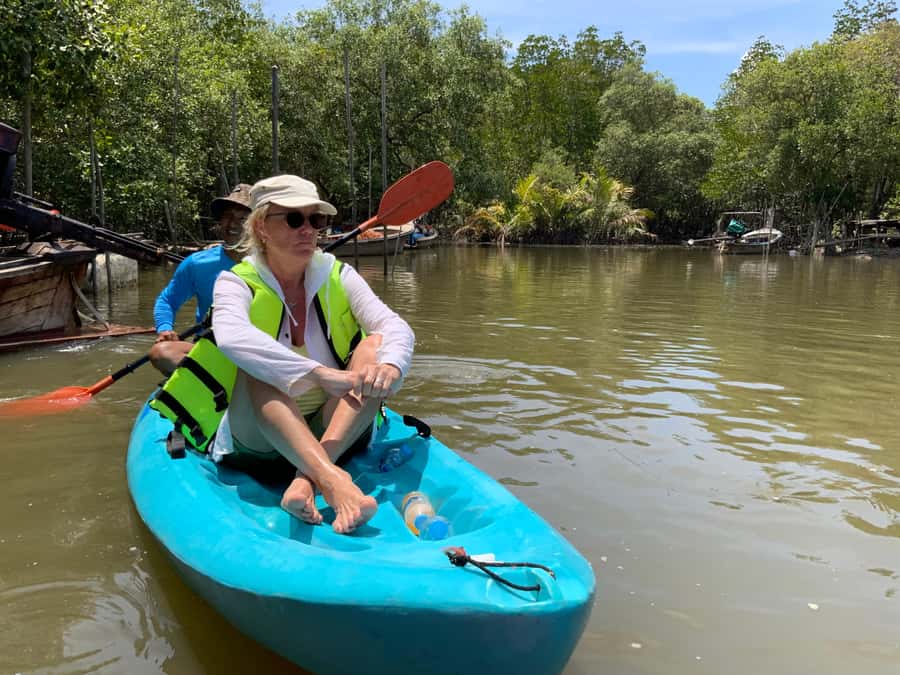
At around $83 per person for a roughly 3-hour experience, the cost makes sense when you look at what’s included. You get pickup by local taxi (for up to 8 people), an English-speaking guide, life jackets, insurance, drinking water and soft drinks, and lunch.
Most half-day activities charge for some of those items separately. Here, the package includes the gear and guide time that makes mangrove kayaking safe and informative. You also get food included, and that’s a real savings versus paying for meals on your own during a short outing.
The big value isn’t just logistics. It’s the way the guide turns the mangroves into lessons you can see—fishing techniques, habitat explanations, and animal observations tied to what you’re doing on the water.
If your goal is a simple paddle plus a meal, it’s still a good deal. If your goal is learning, you’re paying for that guide effort too, and you’re getting it.
Tide Timing and Packing: The Stuff That Can Make or Break Your Day
The biggest operational detail is that the itinerary depends on tide level and the best water conditions for kayaking. After booking, the exact kayaking time and pickup time are confirmed again, and they may adjust for the water.
That means you should build flexibility into your day. If your schedule is tight, this trip might feel harder to fit. If you can give it a little breathing room, it becomes smoother.
What to bring is very practical, and you’ll thank yourself for it:
- Sun hat and sunglasses
- Sunscreen and insect repellent
- Clothes that can get dirty plus a change of clothes
- Towel
- A waterproof bag
Also, consider that you’re kayaking among roots. So you’ll want clothes that don’t mind getting splashed and some extra grip on your gear.
One more thought: the activity is not suitable for everyone. It’s not recommended for wheelchair users, pregnant women, people with back problems, or people with heart problems. If you’re unsure, it’s worth asking the provider before you commit.
Who Should Book This Kayaking Tour on Koh Yao Yai
I think this is a strong fit if you want an active nature experience that still feels educational. You get kayaking time, local fishing context, and wildlife viewing opportunities without the chaotic “see everything” pressure.
It’s also a good match if you like small-group outings. With transfer limited to a maximum of 8 people, the day tends to feel more personal, and the guide can spend time with each group.
If you’re traveling with kids, double-check age suitability. It isn’t for children under 2 years.
And if you’re the type who hates getting bitten or sunburned, don’t skip repellent or hat. You’re outside for hours in a tropical environment, even when the roots give you shade.
If you want, I can also help you compare this to other Koh Yao activities based on your travel style—slow and scenic, or active and hands-on.
Should You Book Koh Yao Yai: Klong Hia Mangrove Kayaking?
Book it if you want a half-day that mixes real mangrove life with local fishing knowledge and a solid lunch included. The best part is the connection: you paddle through the roots, learn how traps work, then you eat Thai food with the day’s story behind it.
Skip it (or at least ask questions first) if tide-dependent timing is a problem for your schedule or if you have mobility or health concerns like back or heart issues. This isn’t an access-friendly outing, and the kayaking element is central.
If you’re looking for something more meaningful than yet another beach stop on Koh Yao, this one gives you a different Thailand: quieter, closer, and more human.
FAQ
How long is Koh Yao Yai: Klong Hia Mangrove Kayaking?
The duration is 3 hours.
Is pickup from Koh Yao Yai included?
Yes. Transfer with local taxi is included (maximum 8 people), and you’ll meet at the pickup meeting point area about 30 minutes after pickup is arranged.
Do I get an English-speaking guide?
Yes, the guide is English speaking.
How long do you kayak?
You’ll have about 1.5 hours of kayaking.
What is lunch like, and is it included?
Lunch is included and is served at Seaview restaurant with Thai dishes.
What should I bring?
Bring sunglasses, sun hat, a change of clothes, towel, sunscreen, insect repellent, clothes that can get dirty, and a waterproof bag.
What health or mobility issues make this tour unsuitable?
It’s not suitable for children under 2, pregnant women, people with back problems, people with heart problems, or wheelchair users.
Do I need to worry about tides?
Yes. The program depends on tide level or the best water level for kayaking, and the kayaking and pickup times are confirmed again after booking.