
REVIEW · KO SAMUI
Koh Samui: Thai Cooking Class with Local Market Tour
Book on GetYourGuide →Operated by Oh-Hoo · Bookable on GetYourGuide
Cook your way through Koh Samui’s flavors. This small-group Thai cooking class pairs a short market tour with a hands-on lesson in a real cooking setup near the instructor’s garden area. I love that it starts with what you actually want to cook, then moves straight into chopping, mixing, tasting, and eating what you made.
I especially like two things. First, you get to choose your menu in advance, so you’re not stuck making dishes you don’t care about. Second, the teaching style is practical and food-focused, with instructors like June/Jun, Jul, and Num described in a warm, hands-on way that turns ingredients (herbs, spices, and textures) into something you can repeat later at home.
One thing to consider: the whole experience is only 3 hours, so it’s not a slow, leisurely pace. Also, several classic options skew spicy (Tom Yum, Som Tam, Pad Kee Mao, curries), so tell your guide early if you prefer mild.
In This Review
- Key Things to Know Before You Go
- Why This Koh Samui Cooking Class Feels Like a Local Morning
- Picking Your Menu Before You Hit the Market
- The Local Market Tour: What to Look For in 30 Minutes
- Back at the School: How the 2-Hour Cooking Lesson Works
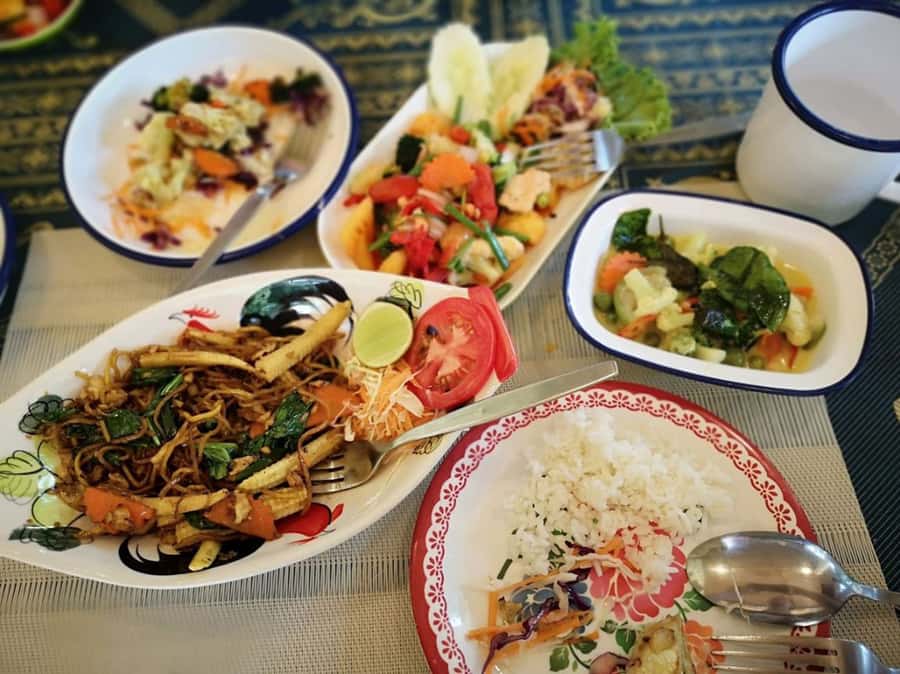
- The Dishes You’ll Make: Flavor Targets, Not Just Recipes
- Price and Value: What $93 Buys You on Koh Samui
- Who This Cooking Class Suits Best (And Who Might Not)
- Tips to Make the Most of Your 3 Hours
- Should You Book This Koh Samui Thai Cooking Class?
- FAQ
- What is the duration of the Koh Samui Thai cooking class?
- How much does it cost per person?
- How many people are in the group?
- What are you doing during the class?
- What can you choose to cook before you go to the market?
- Is hotel pickup included, and where does it pick up from?
- What language is the tour guide?
- Is there free cancellation?
Key Things to Know Before You Go
- Small group (up to 6) means more attention at the stove and less waiting around.
- You choose 3 dishes up front, then you’ll cook 4 dishes plus dessert during the lesson.
- Market tour first helps you understand what you’re buying and why Thai flavors taste the way they do.
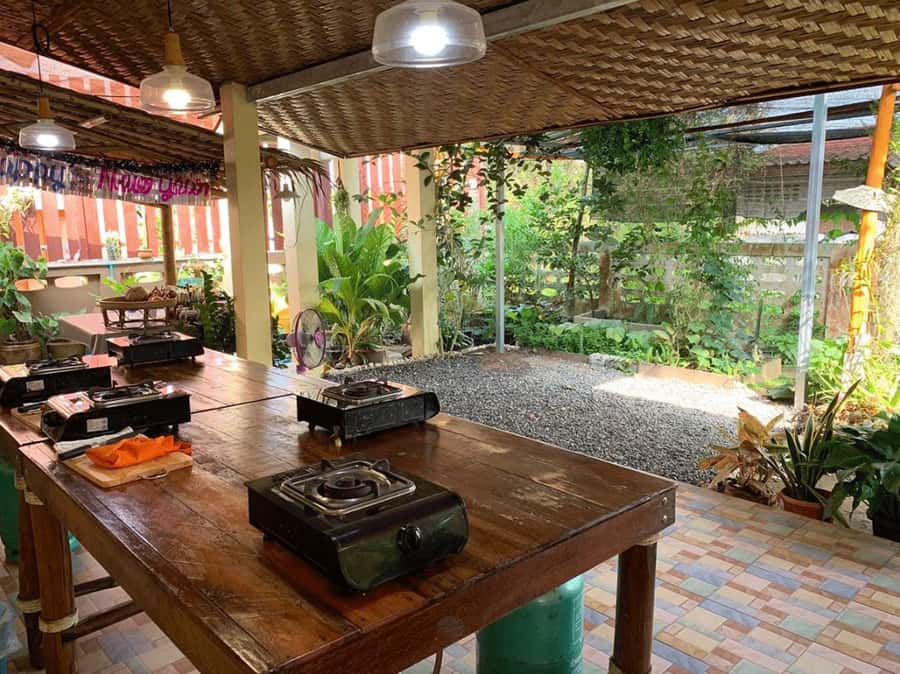
- Fully equipped kitchen + individual workspaces keeps the class moving without chaos.
- Hotel pickup included from key Koh Samui areas like Choeng Mon, Chaweng, and Chaweng Noi.
Why This Koh Samui Cooking Class Feels Like a Local Morning
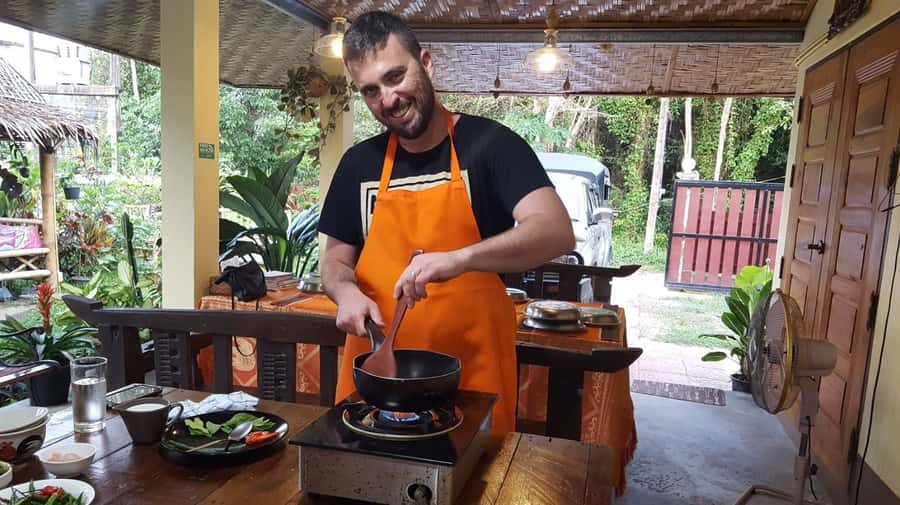
Koh Samui cooking classes can feel staged. This one feels more like a morning that starts with real errands and ends with real food you made yourself. You’re picked up for free from several popular areas—Choeng Mon, Chaweng, and Chaweng Noi—then transported to the cookery school/kitchen setup run by the hosts behind the experience.
Timing matters. You’ll typically arrive 30–50 minutes before the scheduled start, which gives you a buffer to get settled without rushing. And because the group is limited to 6 participants, you’re not competing for space, utensils, or attention. You’ll also notice the focus is not just on recipes; it’s on how Thai cooks think about ingredients—spice balance, sour vs. creamy, and how different textures show up in each dish.
If you’re on Koh Samui mostly for beaches and you want just one day that actually teaches you something, this is a great trade: less time guessing, more time doing.
You can also read our reviews of more tours and experiences in Ko Samui.



Picking Your Menu Before You Hit the Market
This class does something smart: you choose part of your menu before you go to the market. You’ll select 3 dishes (from the list below) before the guided market tour, so your market experience directly supports what you’ll cook afterward.
Here are the dish options you can choose from:
- Spring Roll (appetizer)
- Tom Yum (spicy soup) or Tom Kah (coconut milk soup)
- Som Tam (papaya salad) or Glass noodle salad
- Green Curry, Massaman Curry, or Panang Curry
- Pad Thai or Pad Kee Mao (spicy stir-fried noodles)
- Fried Rice or Pad Ka Pao (stir-fried with hot basil)
- Banana coconut milk (dessert)
How to choose (so you don’t end up with a spicy regret)
- If you want a crowd-pleaser, go for Pad Thai or Fried Rice.
- If you want that classic Thai “wow” of sour and heat, choose Tom Yum or Som Tam.
- If you prefer comfort over fire, curries like Massaman tend to feel calmer and richer.
Also: even though you pick 3 dishes, the class portion includes 4 authentic dishes and a dessert overall. In other words, you’ll cook more than just your original picks, and the instructor can guide the flow so everyone gets to participate at a comfortable pace.
The Local Market Tour: What to Look For in 30 Minutes
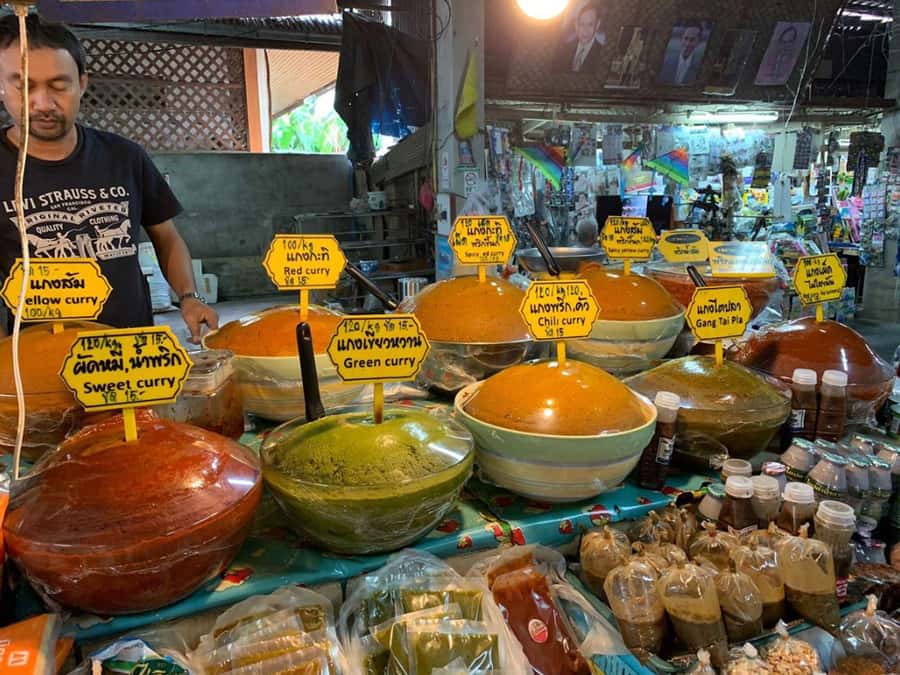
The guided market tour runs about 30 minutes, which is short on purpose. It’s designed to give you the key food education you’ll use at the stove later, not to turn this into a shopping marathon.
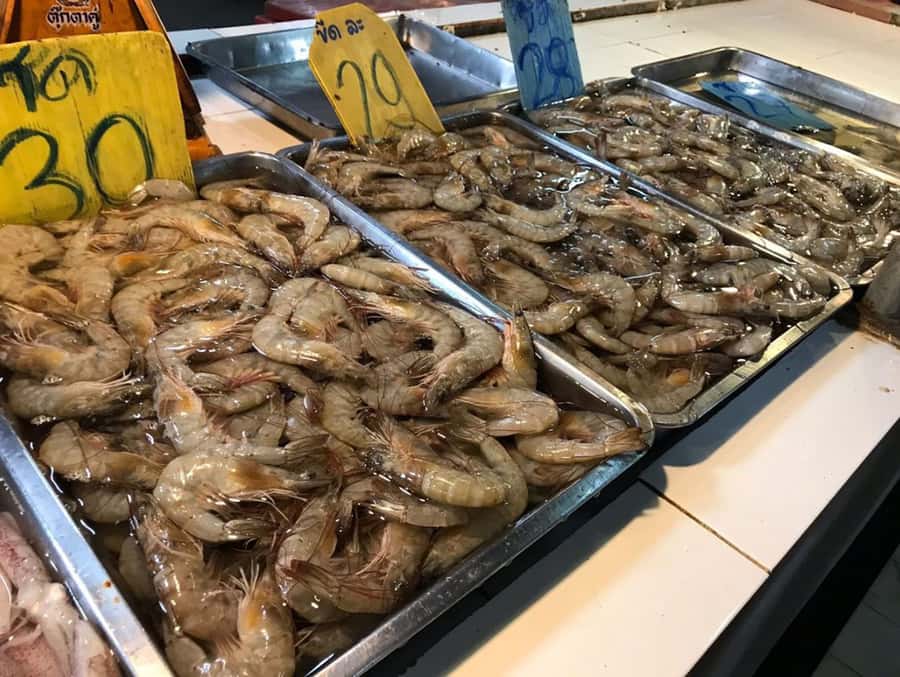
When you arrive, you’ll focus on Thai ingredients you’ll actually use in your dishes: herbs, vegetables, spices, and the parts of produce that matter most for flavor and texture. One of the best takeaways from this kind of market visit is learning the difference between ingredients that are common locally versus what might need importing. That matters because Thai cooking depends on ingredient access and freshness.
Practical things you can do during the tour
- Pay attention to how different herbs smell when they’re whole vs. cut. That helps explain why Thai kitchens chop fast and use herbs in specific stages.
- Notice the colors and sizes of items tied to each dish. (For example, the sour-sweet balance in salads often comes from very specific components.)
- Ask questions if you’re unsure about heat levels. The instructor can steer you toward substitutions or adjustments if you need them.
At this stage, you’re not just sightseeing. You’re building a flavor map in your head. When you return to the kitchen, those smells and colors turn into the exact ingredients you’ll handle.
Back at the School: How the 2-Hour Cooking Lesson Works
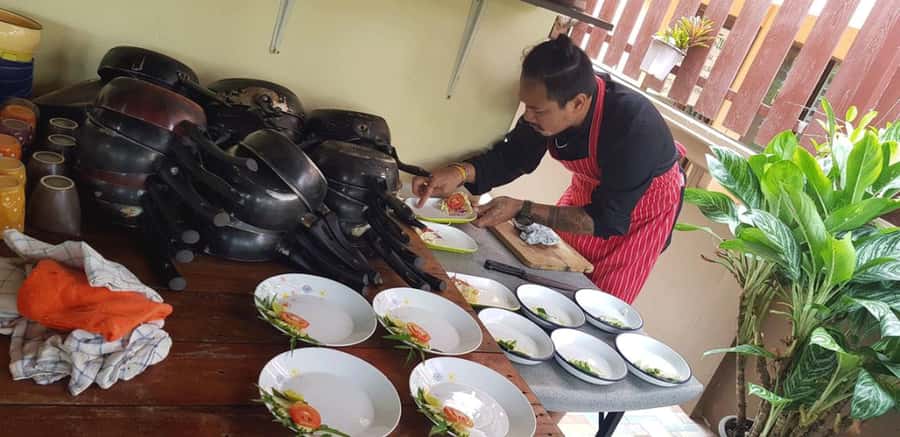
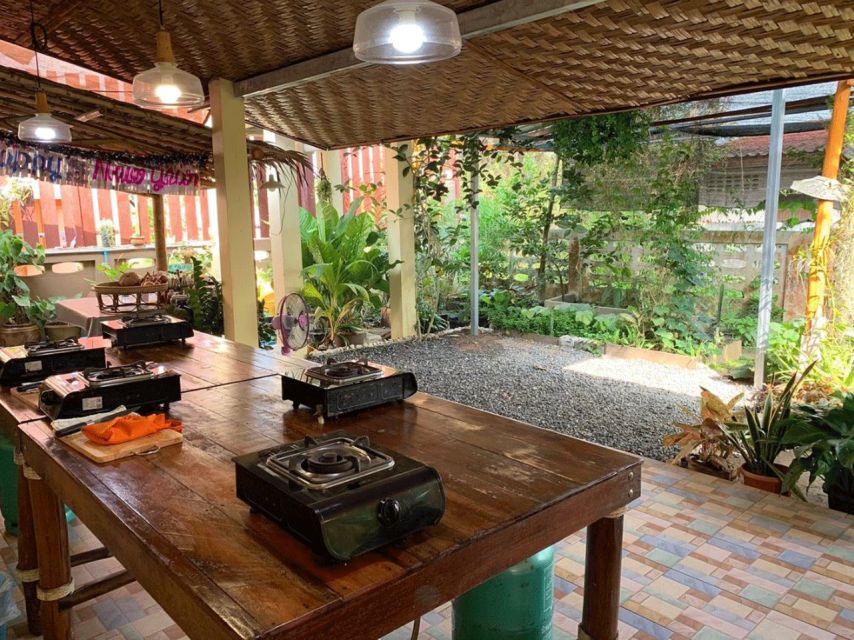
Once you’re back, you get a fully set-up kitchen and a lesson led by a certified Thai chef/teacher (English guidance). This is where the experience earns its keep. The class isn’t just a lecture. You cook.
Expect:
- A kitchen that’s ready for multiple dishes at once
- Individual working spaces so you’re not crowding the same station
- A structure where you learn the “why” briefly, then practice the “how” at the cutting board and stove
The cooking time is about 2 hours, and you’ll make four dishes plus dessert. The flow is designed so different participants can work on different dishes simultaneously, while the teacher coordinates steps. This is especially helpful if you’re traveling with family or friends and you want everyone to feel included instead of watching others cook.
Another detail I like: you don’t just cook and stand around. You’ll also get to sit and eat during the course breaks. That keeps the class fun and prevents that end-of-class fatigue where everything feels like work and nobody wants to taste anything.
The Dishes You’ll Make: Flavor Targets, Not Just Recipes
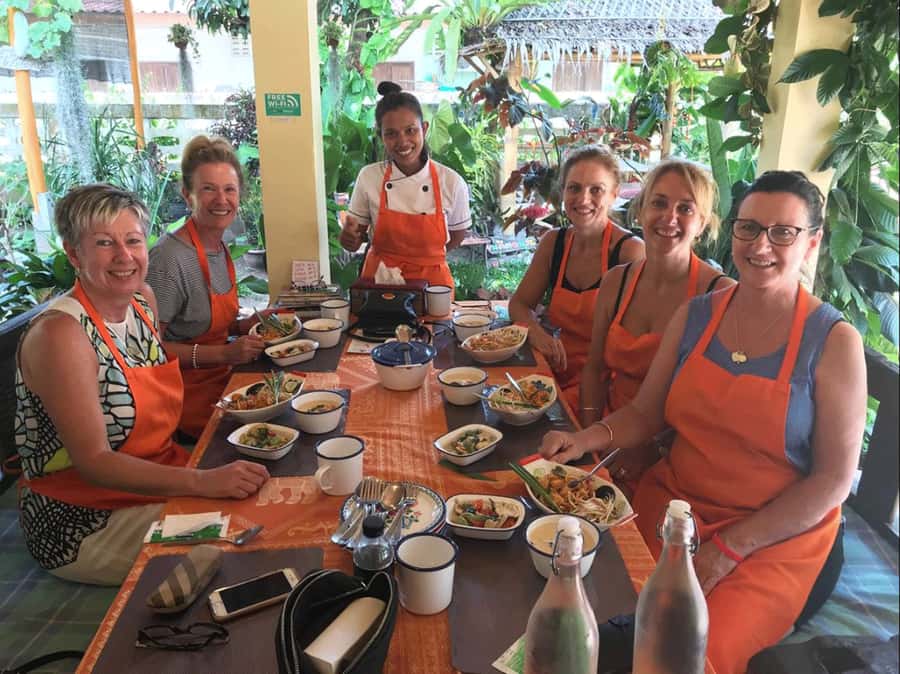
Thai cooking can look intimidating if you’ve only had restaurant versions. Here’s the advantage: the class teaches you what each dish is trying to achieve. Once you understand the flavor target, you can cook similar dishes at home later.
Here’s how the menu usually “maps” to Thai flavor:
- Tom Yum: sour + spicy. The key is balancing heat with the brightness that makes it feel light, not heavy.
- Tom Kah: coconut-forward comfort. You’ll likely notice how coconut changes the soup’s feel.
- Som Tam / Glass Noodle Salad: crunchy, sour, salty, and herb-scented. This is where ingredient prep matters.
- Green Curry / Panang Curry / Massaman Curry: creamy curry styles with different personality. Green tends to feel sharper; Massaman often feels rounder and more comforting.
- Pad Thai / Pad Kee Mao: noodle dishes where timing matters. You want sauce to coat without turning the noodles into paste.
- Fried Rice / Pad Ka Pao: wok energy. If you’ve ever wondered why Thai fried rice tastes different, it’s the herb and seasoning approach, not just rice quality.
- Banana coconut milk: a simple dessert that feels like a reward, not an afterthought.
The most “repeatable at home” skill you’ll leave with is how to taste and adjust. Thai dishes often need tuning right up to the moment of serving—sourness, salt, and heat level. Even if you don’t recreate every ingredient exactly, you can still get close because you’ll understand what the dish is asking for.




Price and Value: What $93 Buys You on Koh Samui
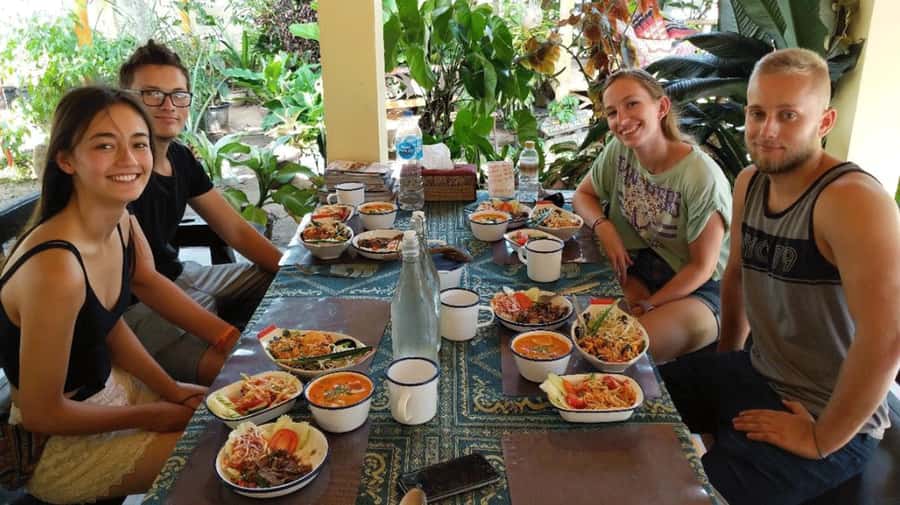
At $93 per person for about 3 hours, you’re paying for more than cooking. You’re paying for:
- Hotel pickup (from several Koh Samui areas)
- Certified instruction in English
- Ingredients and cooking equipment
- Small group size and individual workstations
In practical terms, if you tried to recreate this as a DIY day, you’d spend money and time on sourcing ingredients, figuring out quantities, and learning technique. This class removes the guesswork. You also get the market education, which is hard to replicate casually if you don’t know what to look for.
Is it expensive compared to buying street food on your own? Yes, a bit. But it’s also not a street-food snack crawl. You’re getting a structured teaching session plus multiple dishes and dessert you can actually eat as you go.
If you enjoy cooking and you want something more meaningful than another tour photo stop, the value here tends to feel fair.
Who This Cooking Class Suits Best (And Who Might Not)
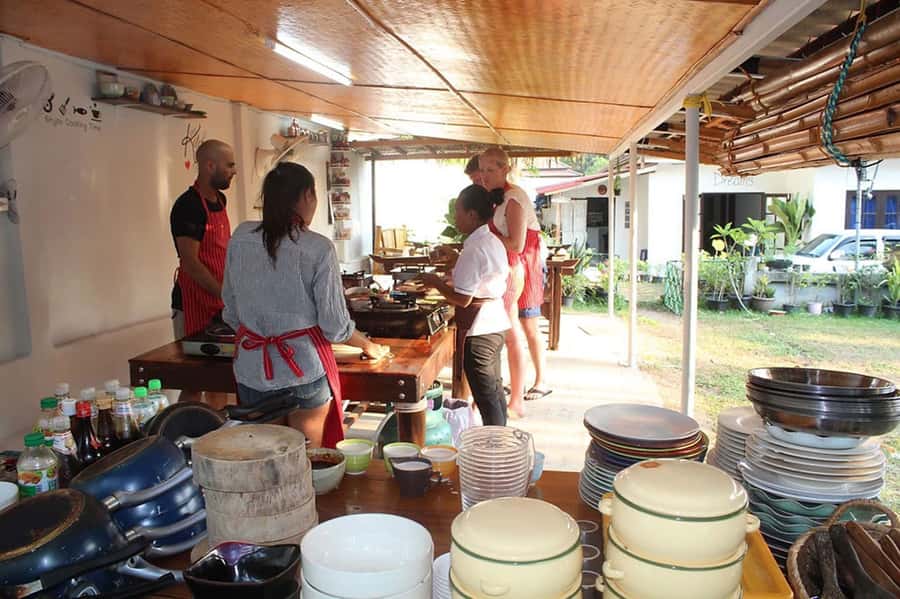
This is a solid fit if you’re:
- Traveling as a family, couple, or solo traveler who wants interactive time
- Interested in learning how Thai ingredients work together
- Happy to get your hands involved (chopping, stirring, assembling)
It may not be your best match if you want:
- A slow, sightseeing-heavy day with lots of free time
- A fully tailored menu for dietary restrictions you don’t eat (the menu options are set)
- A class centered around food artistry with no spice tolerance at all (several menu choices are naturally spicy)
If you’re worried about heat, you’re not stuck. Just communicate your preference early so the instructor can guide you through adjustments. One well-timed conversation can save the whole meal.
Tips to Make the Most of Your 3 Hours
A few small moves make a big difference with this kind of class.
- Arrive on time. Pickup and timing are part of the plan. Showing up late can shorten your prep window.
- Be clear about spice. Even if you choose Tom Yum or Som Tam, you can ask for guidance on how to keep it milder.
- Take notes in your own way. You can remember the “what,” but you’ll learn the “how” through repetition. Jotting down your questions (or key steps) helps.
- Chop and taste with purpose. The best learning happens while you’re actively doing, not when you’re waiting for the next step.
- Wear comfortable clothes. You’re cooking, and your time will involve standing and moving around a kitchen setup.
Also, don’t underestimate the “between courses” part. That’s when you’ll actually understand what you made, not just what you followed.
Should You Book This Koh Samui Thai Cooking Class?
I’d book it if you want a hands-on day that combines Thai food learning with an ingredient-focused market tour, in a small group up to 6 with hotel pickup. It’s the right mix of culture through food, practical instruction, and actual meal payoff.
Skip it if you only want a short taste of Thai food and aren’t interested in cooking technique. Also skip if you expect a laid-back half-day of wandering with lots of free time.
If you’re aiming for the kind of souvenir you can use after your trip—spice balance, curry logic, noodle timing—this class is one of the more practical ways to do it on Koh Samui.
FAQ
What is the duration of the Koh Samui Thai cooking class?
The experience lasts about 3 hours.
How much does it cost per person?
It costs $93 per person.
How many people are in the group?
The class is limited to a small group of up to 6 participants.
What are you doing during the class?
You do a guided market tour and then a hands-on cooking session where you cook four dishes plus dessert.
What can you choose to cook before you go to the market?
You choose 3 dishes from options like Spring Roll, Tom Yum or Tom Kah, Som Tam or Glass noodle salad, Green Curry/ Massaman Curry/ Panang Curry, Pad Thai or Pad Kee Mao, Fried Rice or Pad Ka Pao, and Banana coconut milk.
Is hotel pickup included, and where does it pick up from?
Yes. Pickup is included from Choeng Mon, Chaweng, and Chaweng Noi near the main road. If you’re staying on the hill, you’ll need to meet at a nearby hotel or meeting point.
What language is the tour guide?
The live tour guide is in English.
Is there free cancellation?
Yes, you can cancel up to 24 hours in advance for a full refund.