REVIEW · KO SAMUI
Koh Samui: Ethical Elephant Sanctuary Tour with Buffet Lunch
Book on GetYourGuide →Operated by My Holiday Centre Company Limited · Bookable on GetYourGuide
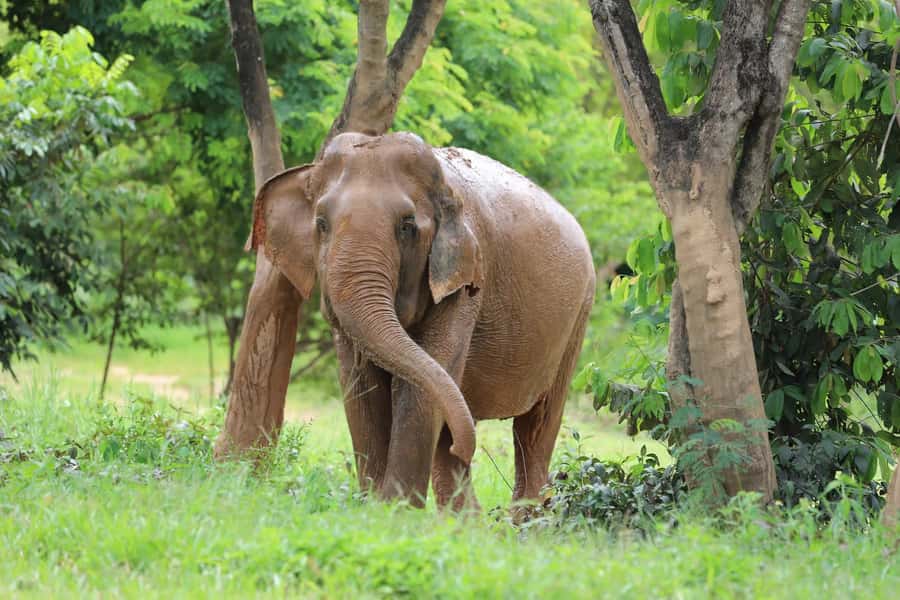
Elephants meet your eye, no circus tricks. On Koh Samui, this half-day visit takes you to an ethical sanctuary that’s listed by World Animal Protection, where you spend time watching retired elephants splash, roll, and cover themselves in mud in their own time.
I really like that the day blends learning with hands-on care, and it’s built around rehab and calm, respectful interaction instead of performance.
I love the chance to help prepare natural dietary supplements and then feed the elephants the right way, with food meant for them. I also like the guided walking time and elephant stories, including one lead guide named Pot, who explains individual elephant personalities and needs.
One thing to consider: the activity description says the program does not offer bathing and mud spa with the elephants. The animals do get muddy and splash around, so you should still expect some mess, but if you’re picturing a full-on mud session with you in the water, it’s smart to confirm what will be available on your specific day.
In This Review
- Key things I’d focus on before you go
- Getting to the Samui Elephant Sanctuary: smooth transfers from Nathon, the airport, and more
- The 3-hour sanctuary visit: what that time is really for
- Feeding and dietary supplement prep: the hands-on part that feels meaningful
- Elephant ethics on the ground: what you should expect about riding, bathing, and rehab
- The guided walk: learning names, needs, and personalities
- Lunch time: traditional Thai buffet meals with a front-row view
- How long is too long? Timing and pacing for a 5-hour half-day
- Price and value: is $125 worth it in Samui terms?
- What to bring (so your day stays comfortable, not miserable)
- Who this tour suits best (and who may want to think twice)
- Should you book Koh Samui’s Ethical Elephant Sanctuary Tour?
- FAQ
- How long is the Koh Samui elephant sanctuary tour?
- What pickup locations are included?
- What activities do you do with the elephants?
- Is elephant bathing, mud spa, or riding included?
- What food and drinks are included?
- What should I bring for sun or rain?
Key things I’d focus on before you go
- Dietary supplement prep you can actually help with: not just standing and watching.
- Feeding in a rehab-first setting: your interaction is part of care, not a show.
- A guided walk and close observation: you learn while you watch elephants move and behave.
- Strictly non-performance ethics: no riding and no forced “tricks,” with guidance on why these practices are harmful.
- Buffet lunch with elephant views: you eat while the elephants play freely nearby.
- Weather-proofing is built in: umbrellas are provided, and rain boots are available if it turns muddy.
Getting to the Samui Elephant Sanctuary: smooth transfers from Nathon, the airport, and more
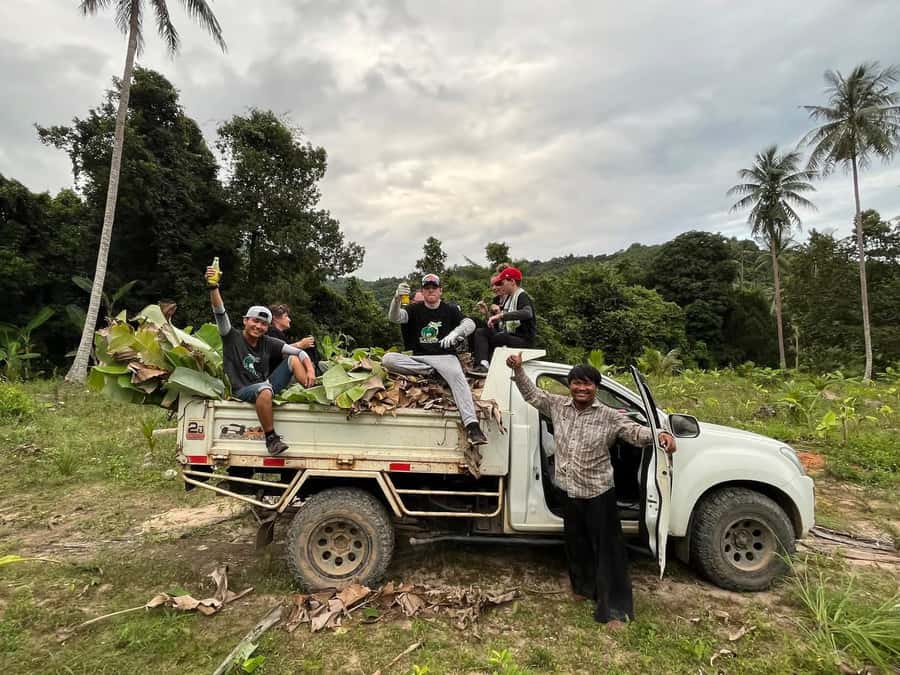
This tour is set up for convenience first. You get hotel pickup and drop-off around Koh Samui, with three listed pickup points: Nathon Pier, Ko Samui, and Samui Airport. You can also choose between the morning and afternoon departure options, since pickup starts at 8am and 1pm.
The transfer itself is simple: a van ride of about 30 minutes each way. That matters because it keeps the day from turning into a long slog of logistics, which is usually the deal-breaker on half-day tours.
One practical note: transfers are included only from designated locations. If your hotel is outside the pickup zone, you’ll want to double-check what’s offered so you’re not surprised by extra transport costs.
A few more Ko Samui tours and experiences worth a look


The 3-hour sanctuary visit: what that time is really for
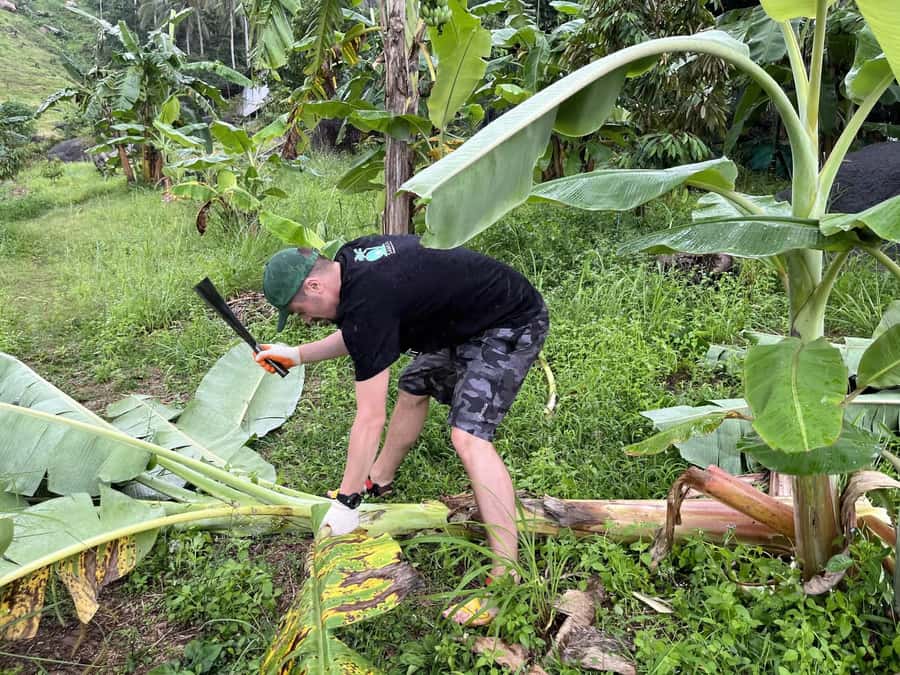
Once you arrive, you’re looking at about 3 hours at the sanctuary. You’ll meet a small group setup focused on six retired elephants, and the day is structured so you can observe them without feeling like you’re rushing from one staged moment to another.
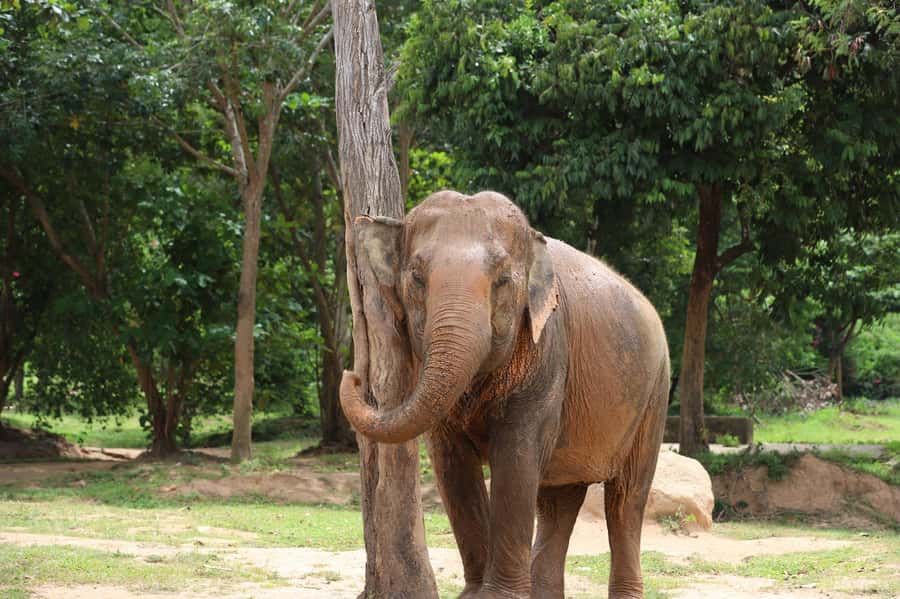
You’ll watch elephants play in mud and ponds by themselves, including behaviors like splashing, rolling, submerging, and covering themselves in mud. That’s a big part of why this experience works: you’re seeing natural elephant rhythms, not forced motions.
You’ll also walk around with a guide as part of the visit. The goal isn’t just photos; it’s interpretation—what to notice in body language, feeding patterns, and why each elephant may behave differently during the day.
Feeding and dietary supplement prep: the hands-on part that feels meaningful
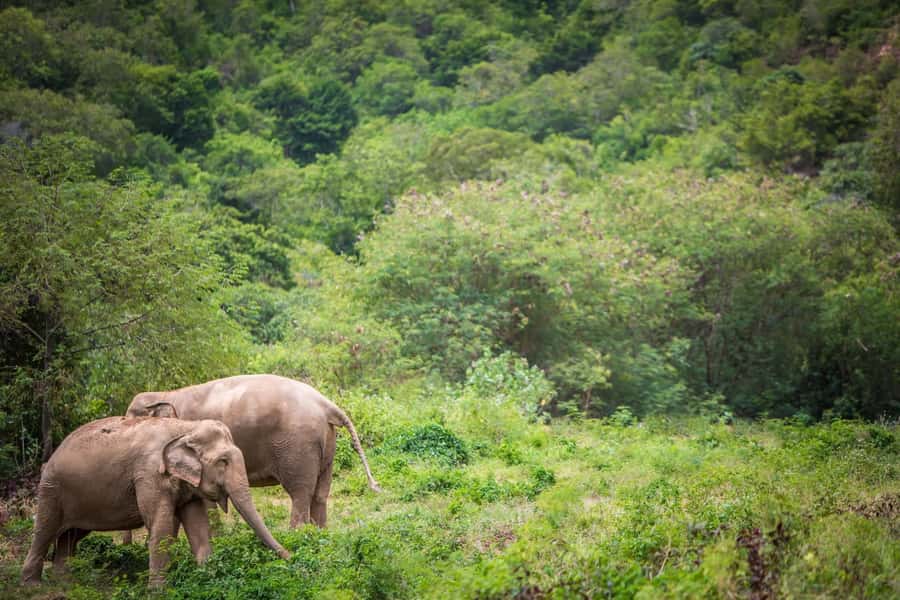
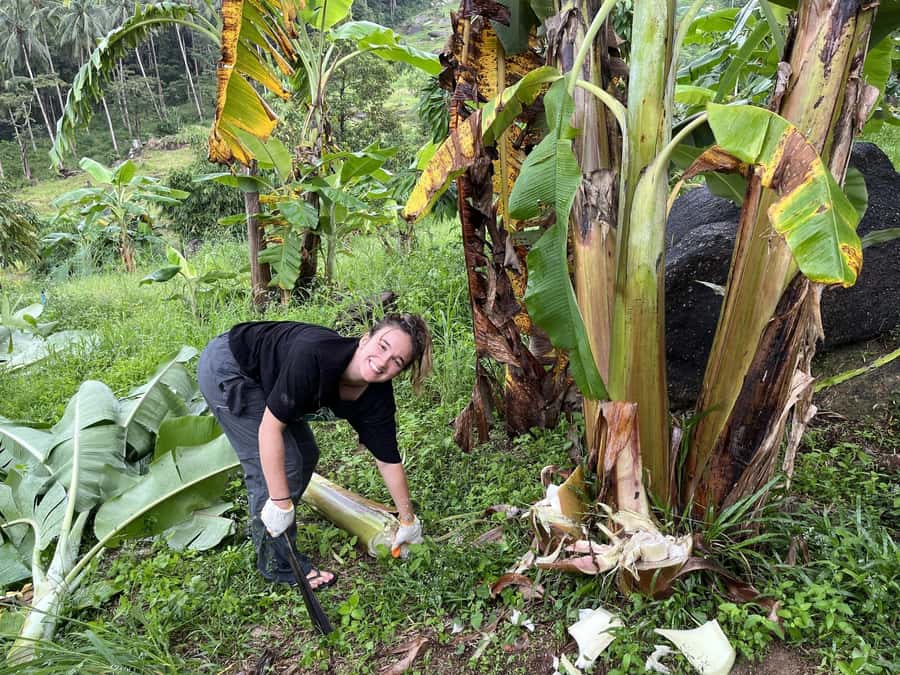
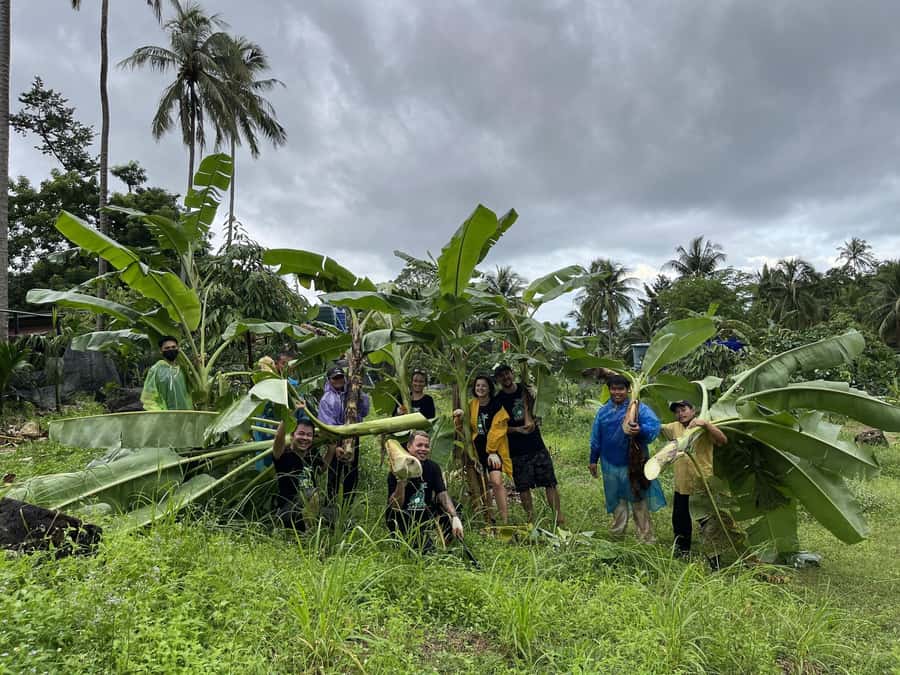
The most praised element is also the most grounding: you help with feeding-related care, including preparing natural dietary supplements. This isn’t a gimmick activity. You’re doing small, practical steps that support the elephants’ day-to-day nutrition as part of rehabilitation.
Then you feed them with food provided for the program. That’s important: it keeps interactions structured and avoids the common travel mistake of improvising with the wrong food.
If you’re traveling with kids, this hands-on element tends to land well because it gives them a job to do. Several accounts mention families and younger visitors being able to participate comfortably, as long as you follow the guide’s instructions and stay patient.
A small timing expectation: the feeding is not an all-day free-for-all. It happens within the guided flow, which can feel more intentional than the quick feed-and-run style you see at less ethical sites.
Elephant ethics on the ground: what you should expect about riding, bathing, and rehab
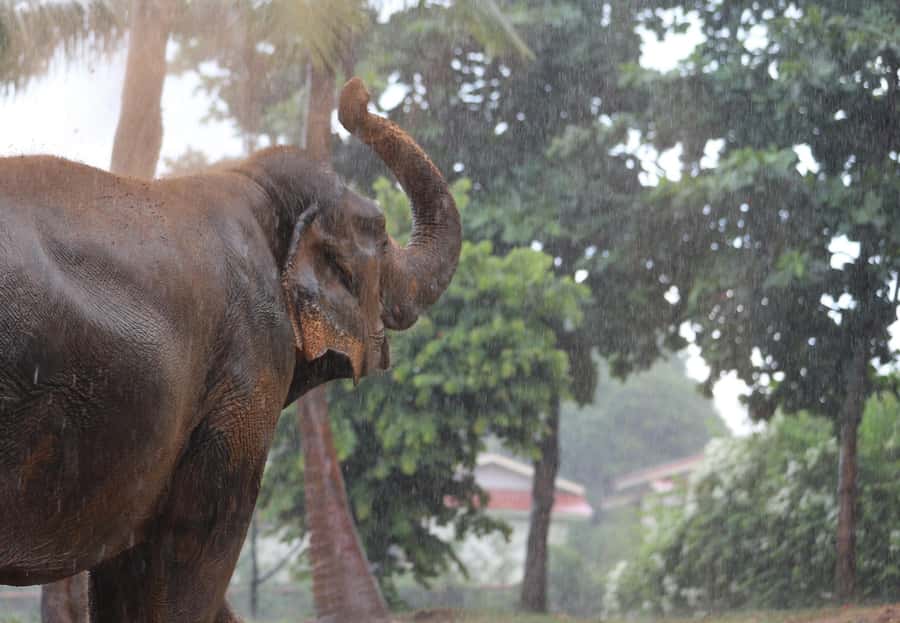
This is the core question for anyone booking an elephant experience in Thailand. Here, the emphasis is on rehabilitation and respectful care for retired elephants, not on turning elephants into attractions.
From the way the day is presented, you should expect no riding and no animal performance. The guide’s job includes explaining why certain popular practices are not ethical, and the whole tour is designed to steer you away from the classic ride-and-bathing marketing trap.
Now, about water and mud: the activity description specifically says the program does not offer bathing and mud spa with the elephants. Still, elephants may get muddy, and you might get splashed simply because that’s what they do in their habitat.
So if your dream version of this day includes you washing elephants or doing a full mud soak with them, treat that as a “confirm first” item rather than an automatic feature. The safest expectation is that you’ll be close enough to observe their natural mud and water behaviors while you participate in feeding and supplement prep.
The guided walk: learning names, needs, and personalities
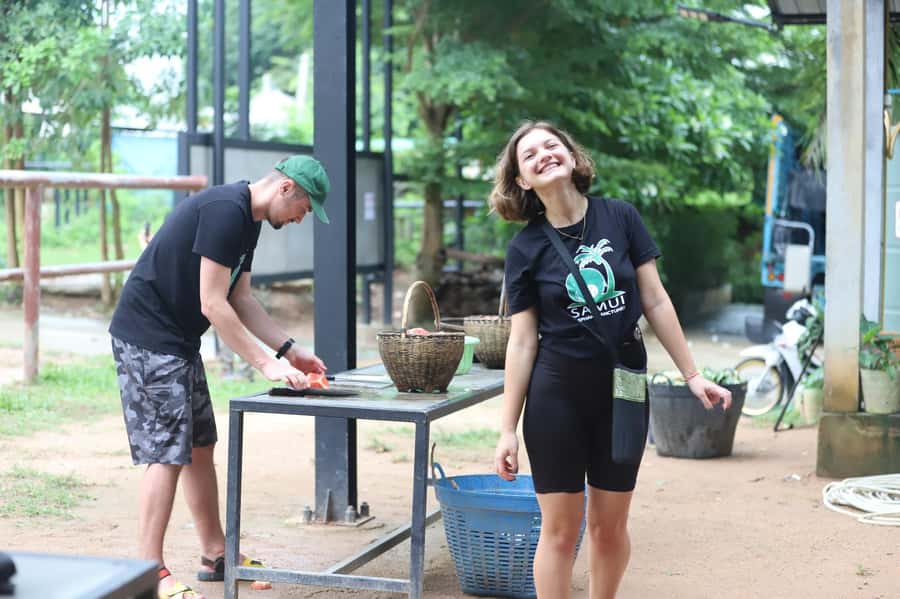
The sanctuary visit isn’t only about the elephants in front of you—it’s about understanding them. Your guide leads the experience in a way that focuses on elephants as individuals, not as interchangeable animals.
One guide you might meet is named Pot, and accounts highlight how he explains elephant stories with clarity and a sense of humor. That matters because elephant welfare work is emotionally heavy; a good guide helps you process it without turning it into a lecture marathon.
You’ll learn what’s going on day-to-day at the sanctuary: how the elephants are cared for, and why the rehab model changes what visitors should do and not do. The more you pay attention during the walk, the more you’ll notice later when you sit down for lunch and watch the herd interact.



Lunch time: traditional Thai buffet meals with a front-row view
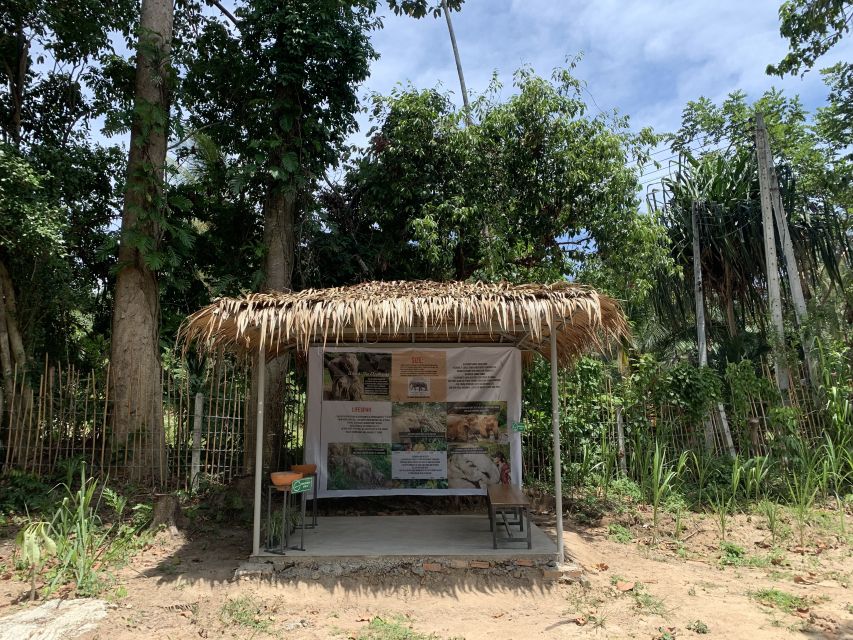
After the elephant time, you’ll eat. The tour includes two traditional Thai buffet meals and water, so you’re not stuck hunting for food right after a wet, muddy walk.
What makes lunch special here is the setting. You dine while watching the elephants play freely in the water, which turns the meal into a calmer, more reflective break instead of just refueling.
A practical point: buffet food is exactly what you want on an active half-day. You can eat at your pace, grab what you like, and keep moving afterward without waiting for a table and a slow course-by-course meal.
If you have dietary preferences, don’t assume there’s a separate menu. The data here only promises buffet meals, so it’s safest to treat the lunch as flexible Thai-style options rather than a catered “special diet” setup.
How long is too long? Timing and pacing for a 5-hour half-day
The whole experience is about 5 hours, including transport. That breaks down roughly to 30 minutes in the van, 3 hours at the sanctuary, and another 30 minutes back—leaving a little buffer for setup and the walk flow.
For many visitors, half-day is the sweet spot in Samui. You still get a meaningful elephant encounter, but you’re not losing most of your day to an attraction that can be draining in the heat.
If you’re prone to decision fatigue, the pacing also helps. You know the shape of the day: pickup → sanctuary time → feeding and observation → lunch → return.
Price and value: is $125 worth it in Samui terms?
At $125 per person, this isn’t the cheapest thing on Koh Samui. But it also isn’t an “instant photo op.” You’re paying for a guided, structured experience that includes:
- Hotel transfers from designated Koh Samui locations
- An English-speaking tour guide
- Food for feeding the elephants and help with dietary supplement preparation
- Two traditional Thai buffet meals and water
- A small extra item: a Save the World canvas bag
In value terms, the biggest difference is what you get beyond interaction. You’re also getting education about elephant care and ethics, plus the operational support that keeps a rehab-focused sanctuary functioning.
If your budget is tight, you may feel sticker shock. But if your priority is doing something ethical and not supporting common abusive practices, this kind of price often ends up looking less “expensive” and more “fair” when you compare it to the cost of travel time, meals, and the ethical care model you’re supporting.
What to bring (so your day stays comfortable, not miserable)
This tour is outdoors, and it can get hot fast. The guidance is clear about what helps most:
- Sunglasses and sunscreen
- Insect repellent
- A cap or wide-brimmed hat
- Closed-toe shoes or trainers (especially for drier weather)
- Change of clothes
- Wear clothes you don’t mind getting sweaty or muddy
Sun and rain are both planned for. Large golf-sized umbrellas are provided, and if it rains and the sanctuary gets muddy, rain boots are provided. If rain boots are on your feet, bring socks so you can handle the damp comfortably.
If you’re someone who hates feeling soggy afterward, pack a dry shirt and keep a small towel or wipe kit in your bag. Even without bathing as part of the program, elephants splash and roll, and you’ll be standing close enough to feel it.
Who this tour suits best (and who may want to think twice)
This tour fits best if you want elephants close-up but not as a gimmick. It’s suitable for all ages, and the hands-on feeding plus learning component makes it easier for both adults and kids to stay engaged.
It may not be the best match if your heart is set on the classic “swim and splash with elephants” format. The program description says no bathing or mud spa is included, so manage expectations around what you’ll be doing versus what you’ll be observing.
It also may not satisfy you if you want a very long, slow day. The sanctuary time is about 3 hours, so it’s meaningful, but it’s still a half-day experience.
Should you book Koh Samui’s Ethical Elephant Sanctuary Tour?
I’d book it if you want a structured, ethical elephant encounter with clear boundaries: no riding, rehab-first care, and hands-on support through feeding and supplement preparation. The added bonus is that the tour includes transfers and buffet meals, so you’re not stitching together logistics all morning.
I’d hesitate if you’re specifically chasing bathing or mud spa participation as the main attraction. The animals may get muddy anyway, but the program rules here say bathing/mud spa isn’t part of what’s offered, so confirm details if that’s your non-negotiable.
If your goal is a respectful elephant day where you learn and leave feeling you supported welfare instead of spectacle, this is one of the better bets on Koh Samui.
FAQ
How long is the Koh Samui elephant sanctuary tour?
The total duration is about 5 hours, with roughly 3 hours at the sanctuary itself. Pickup and drop-off add the remaining time.
What pickup locations are included?
Hotel pickup is available from designated Koh Samui locations, including Nathon Pier, Ko Samui, and Samui Airport. Pickup starts at 8am and 1pm depending on the option you book.
What activities do you do with the elephants?
You’ll meet the sanctuary elephants, take part in guided viewing, walk in the elephant park with your guide, and help prepare natural dietary supplements. You’ll also feed the elephants with food provided by the sanctuary.
Is elephant bathing, mud spa, or riding included?
The activity description says the program does not offer bathing and mud spa with the elephants. The experience is set up for observation and feeding rather than elephant riding.
What food and drinks are included?
You get two traditional Thai buffet meals and water. There’s also feeding food included for the elephants.
What should I bring for sun or rain?
Bring sunglasses, sunscreen, insect repellent, a cap or wide-brimmed hat, and change of clothes. Closed-toe shoes are recommended, and umbrellas are provided; rain boots are available in muddy conditions, so bring socks.