REVIEW · TUNG YEE PENG
Ko Lanta: Half-Day Kayaking Koh Phee & Koh Talabeng 2 Caves
Book on GetYourGuide →Operated by Diamond Cave Tour · Bookable on GetYourGuide
The mangroves plus caves is a great combo. You get a longtail boat ride through the mangrove forest, then a kayak session around Talabeng with time to swim and relax, and you’ll also tackle a cave climb at Ko Phee. I especially like the mix of wildlife-style sightseeing (crabs, birds, and sometimes monkeys) with hands-on time on the water. One thing to think about: the cave part can involve climbing and heights, so it’s not ideal if that makes you uneasy.
You’re out for about 4 hours, which keeps the day punchy but still gives you real variety—boat, kayak, caves, and a proper lunch. The included transfer and gear mean less hassle, and the added insurance is a nice touch for a water-and-cave outing. If sea conditions turn a bit, the route can shift, so plan for a day that’s partly weather-dependent.
In This Review
- Key points to know before you go
- Mangrove longtail boat: the calm start before the action
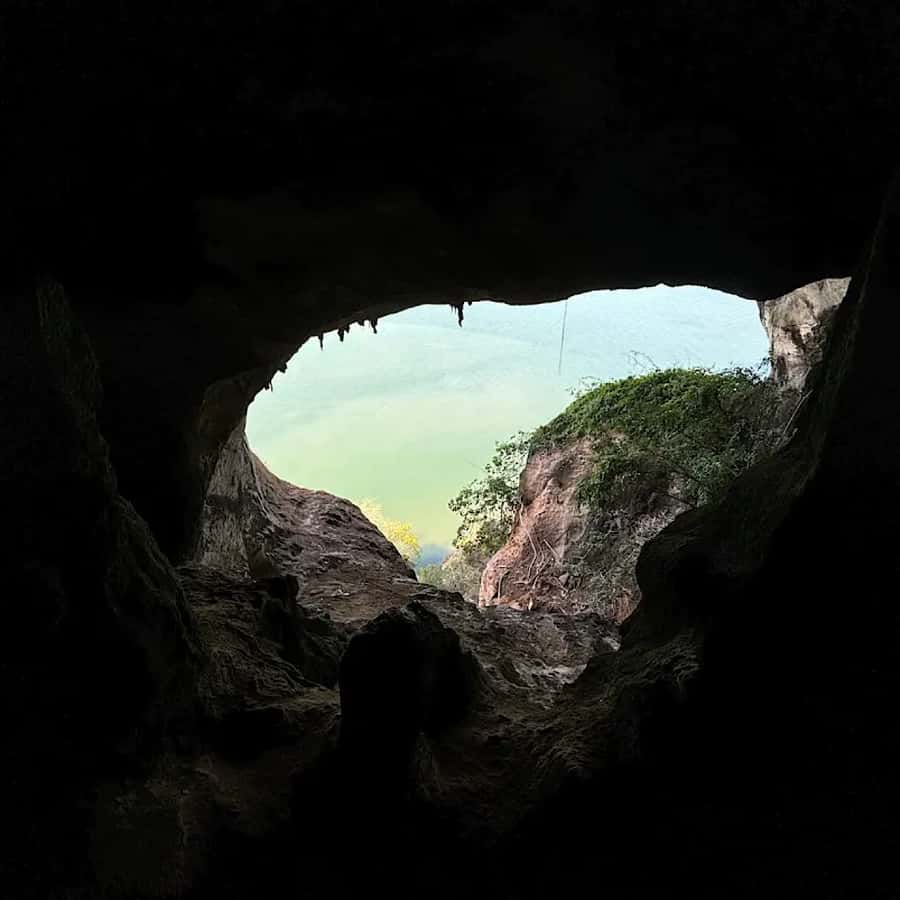
- Ko Phee Island: climbing into the ghost/skull cave and seeing stalactites
- What to expect during the climb
- Talabeng Sea Cave kayaking: paddling, then cooling off on the beach
- When kayaking feels easier (or harder)
- The lunch break at Mangrove Seafood Restaurant
- Price and value: is $31 really enough?
- What to pack (and what actually matters once you’re wet)
- Pacing, timing, and weather reality on Ko Lanta
- Should you book the Ko Lanta 2-cave kayaking trip?
Key points to know before you go
- Longtail boat through mangroves: bird and fish spotting with fiddler crabs, plus a chance of seeing monkeys.
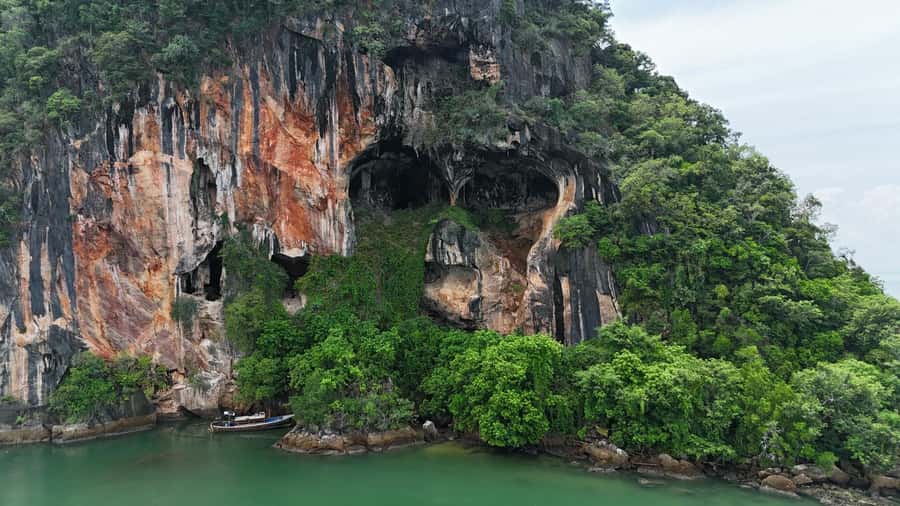
- Ko Phee cave visit (ghost/skull cave): you’ll climb up into the cave and see stalactites and stalagmites.
- Talabeng sea cave kayaking: start near Talabeng Island and paddle around the coastal caves and viewpoints.
- Swim + beach break: after cave time, you get a chance to cool off, relax, and eat fruit and drinks.
- Lunch included at Mangrove Seafood Restaurant: you’re not just snacking between activities.
- Short duration, active pace: it’s only half a day, so wear footwear you can move in.
Mangrove longtail boat: the calm start before the action
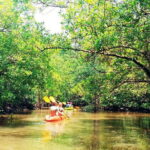
This tour begins with round-trip transfer in Ko Lanta, then a boat ride from the mangrove area where the day feels slower in the best way. The mangroves here aren’t just scenery—they’re living habitat. You’ll have time for bird watching and fish watching, and the guide points out smaller details like fiddler crabs. If you’re lucky, you may spot monkeys too, which can add a fun, unpredictable moment while you’re waiting for the next stop.
A longtail boat is the right match for this setting. It moves through tight, shaded channels, so you get that “you’re actually there” feel without turning it into a hard hike. And since it’s early in the day, you usually haven’t worked up a sweat yet—so it’s a good warm-up for the more active parts later.
Practical note: you’ll likely be on and off the boat at various points, and it’s humid. Bring your towel and change of clothes so you’re not trying to improvise later.
A few more Tung Yee Peng tours and experiences worth a look
Ko Phee Island: climbing into the ghost/skull cave and seeing stalactites
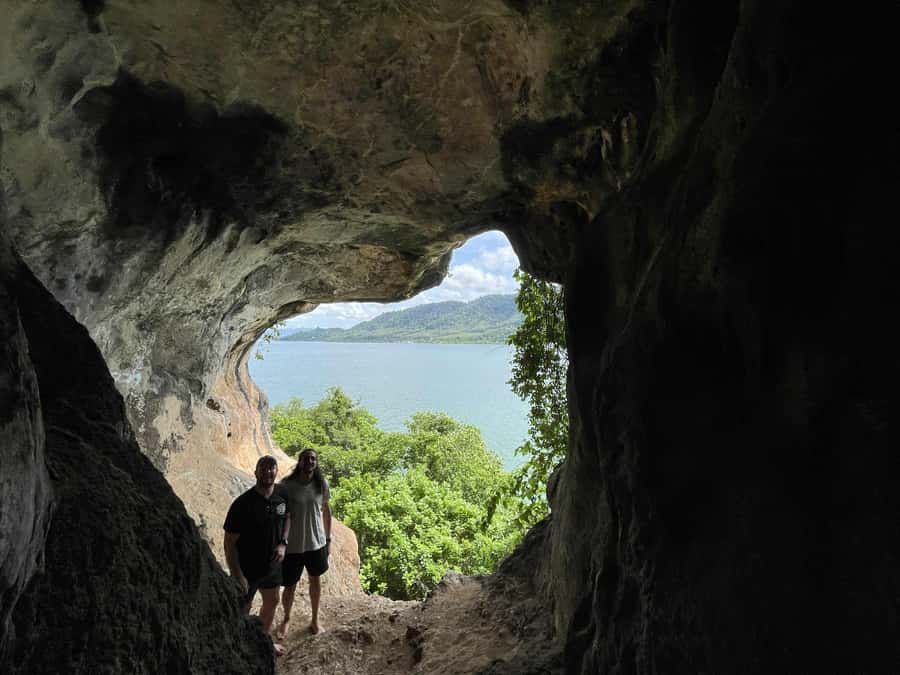
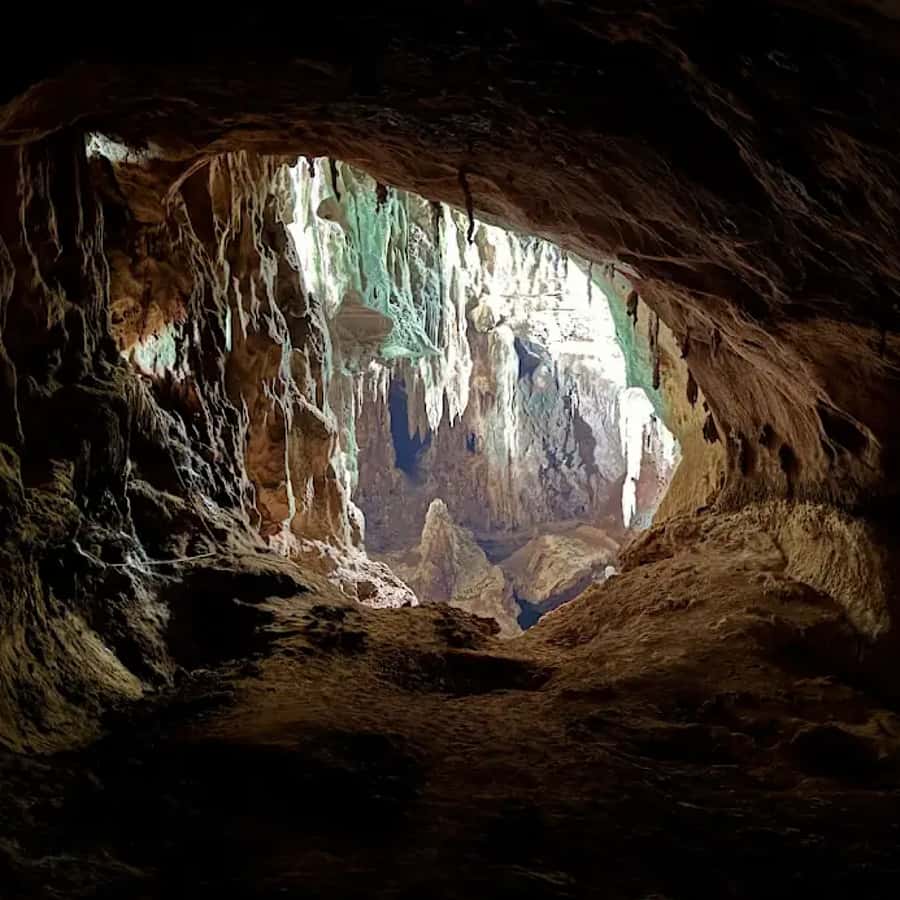
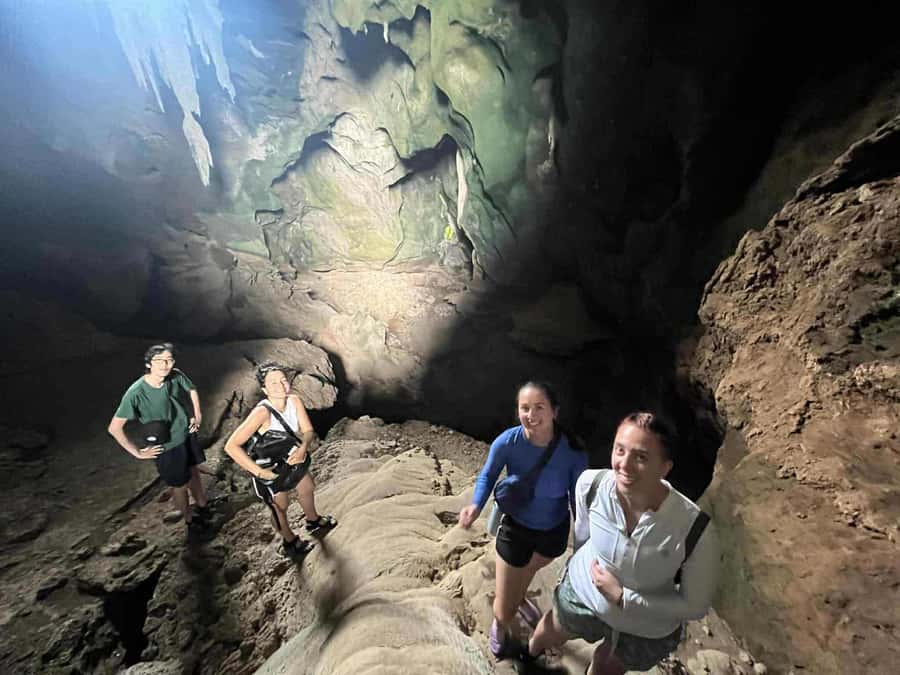
Ko Phee is where the tour turns more adventurous. You take another boat to the island area, and then you climb up into the cave. This is one of the standout moments because it’s not a quick look from a doorway—you get inside and see the cave features up close.
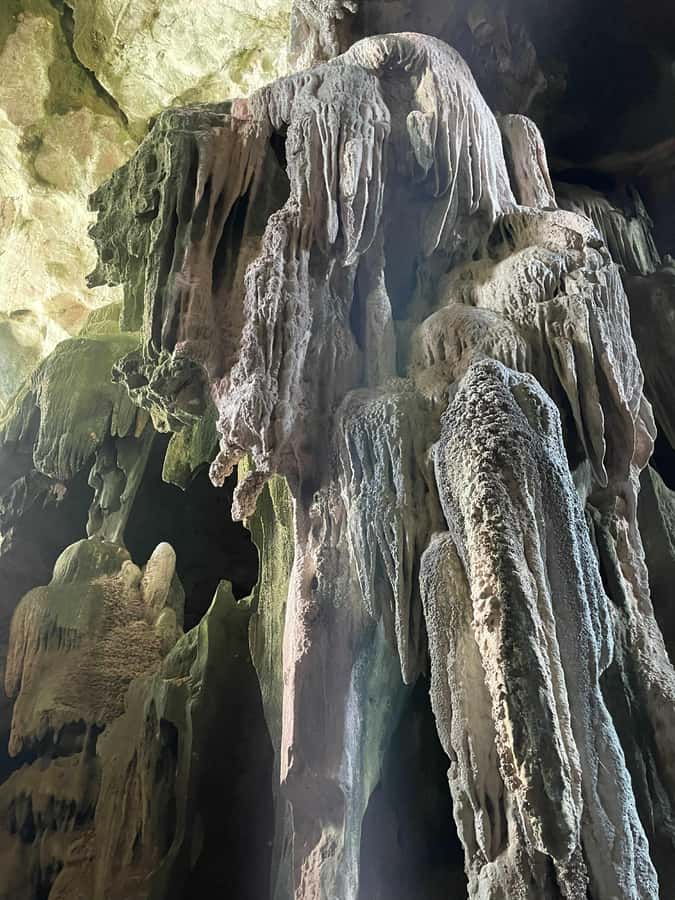
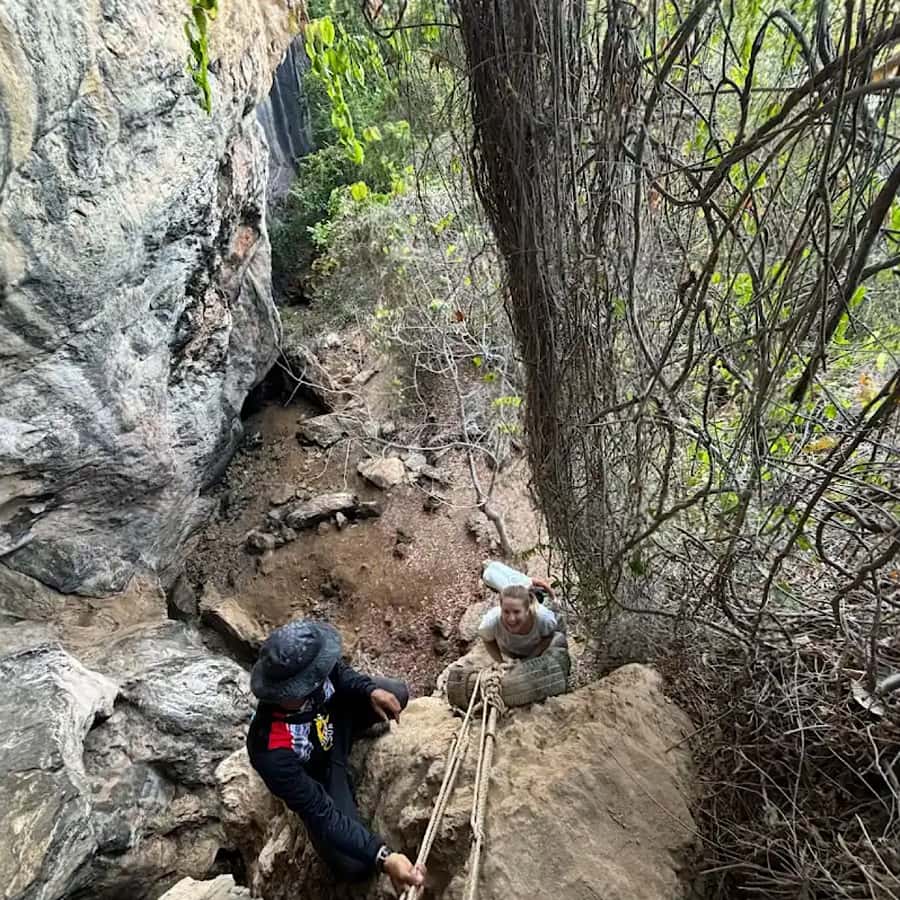
The cave experience focuses on stalactites and stalagmites, with that classic dripping-rock look that’s hard to appreciate until you’re standing in the space. And the cave has a reputation you’ll hear during the trip: some people refer to it as the skull cave, likely because of how the climb and rock formations are described. What matters for your planning is the physical feel—reviews mention a rope and ladder setup that can look steep, and the climb is the part most likely to test your comfort level.
If you’re comfortable with heights and climbing, this is the kind of stop that makes the whole day feel worth it. If you’re not, take it seriously: the tour isn’t recommended for people afraid of heights. Even for capable people, the climb is not the “easy museum stairs” version.
What to expect during the climb
You’ll want closed-toe shoes and traction. Sandals are fine for some parts of the day, but for cave steps and ladder moments, you’ll be glad you brought proper footwear. Also, keep a dry change of clothes handy for after swimming and beach time.
Talabeng Sea Cave kayaking: paddling, then cooling off on the beach
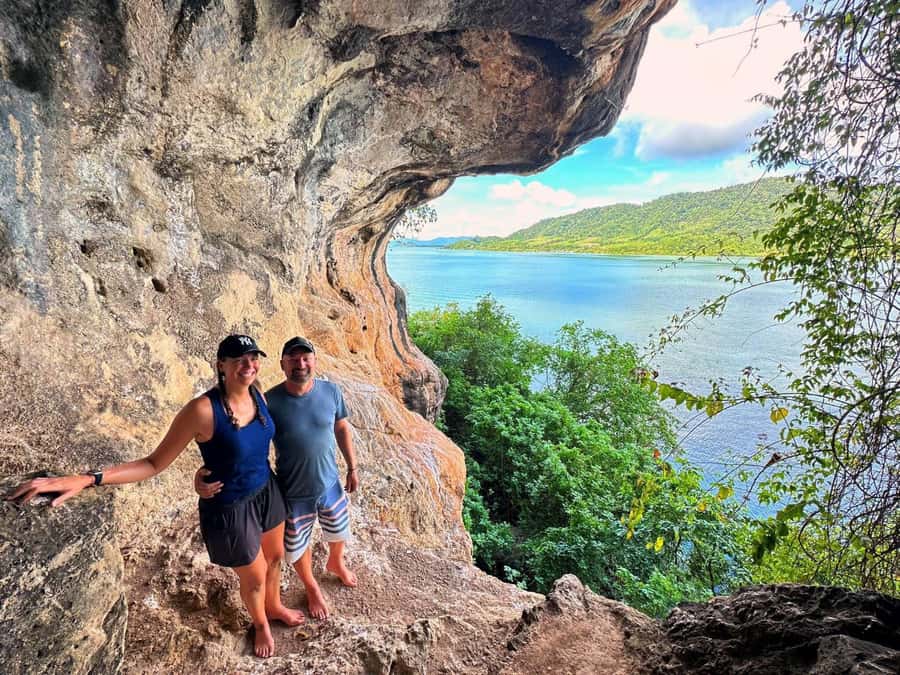
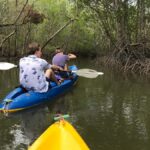
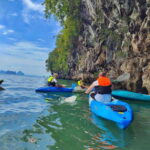
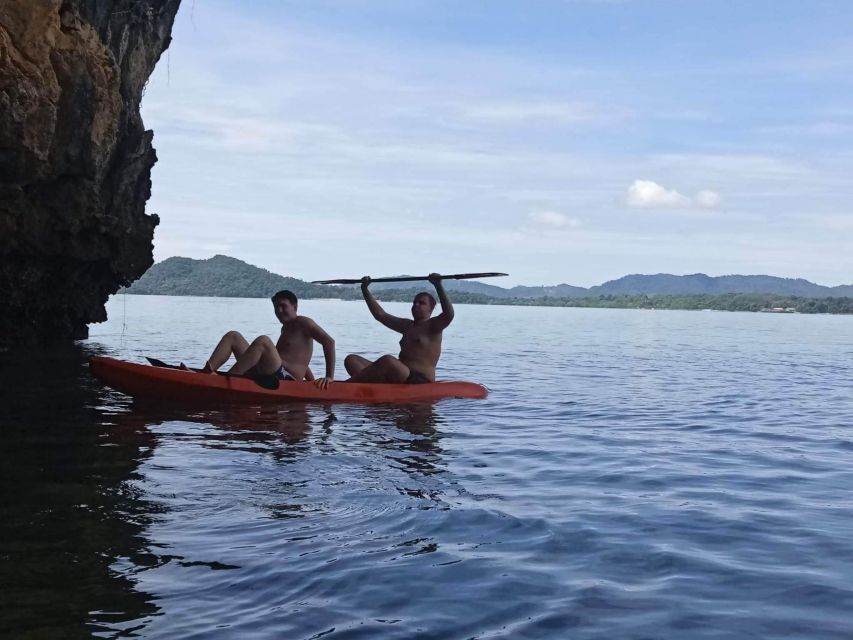
After Ko Phee, the tour shifts to Talabeng Island area, where the kayaking portion happens. You’ll start kayaking near Talabeng and work your way around the coastal scenery. The focus here is not speed—it’s sightseeing from the water and getting close to the sea cave environment.
The tour includes entering a cave area by kayak, and you’ll also get time to swim and relax on the beautiful beach afterward. This is the part where you’ll feel the most payoff from the day’s activity mix. Kayaking gives you a slow, physical rhythm, and then the swim resets you before the return.
What I like about this setup is pacing. You do your climbing earlier, so when you reach Talabeng you’re ready for something more fluid—paddle, look around, and enjoy the water. It also helps that life jackets are included, so you’re not dealing with rental hassles.
When kayaking feels easier (or harder)
Kayaking time can feel different depending on your comfort in water. If you’re confident and steady, it’s fun and scenic. If you’re not, it can feel short or a bit more controlled than you might expect—so if you’re looking for a long paddling session, keep your expectations aligned with a half-day tour.
And if you’re prone to motion sickness, this tour may be a challenge. It’s not suitable for people prone to seasickness, which matters for the longtail boat segments and the overall water travel.


The lunch break at Mangrove Seafood Restaurant
Between cave time and water time, you’ll stop for lunch at Mangrove Seafood Restaurant. This is one of the practical reasons I’d pick this tour: it’s not a “snack and go” plan. Lunch is included, along with seasonal fruits and soft drinks.
That included food and drink matters because you’re moving around, climbing, and then swimming. In the humid conditions of southern Thailand, staying fueled makes the later portion feel more enjoyable. I’d treat the lunch as part of the experience, not just a stop—especially if you want energy for the second cave and the kayaking.
Price and value: is $31 really enough?
At $31 per person, this is the kind of deal that only works because multiple elements are bundled together. You’re not just paying for a boat or only for a kayak. The day includes:
- round-trip transfer
- a guide (English and Thai)
- life jackets
- lunch
- seasonal fruit and soft drinks
- insurance
- access to two cave experiences and kayaking
On top of that, you might need to budget a small extra fee: a village fee of 20 baht is not included. That’s minor, but it’s worth knowing so you’re not surprised at the pier.
So the value question becomes this: is half a day enough to satisfy your craving for caves and water? If you want a single long day of slow wandering, this may feel compact. But if you want variety—mangroves, cave climbing, sea-cave kayaking, swimming, and lunch—then $31 is a pretty fair match for what you’re getting.
What to pack (and what actually matters once you’re wet)
This is the kind of trip where “bring a towel” is not a polite suggestion—it’s survival. Use the list as your baseline:
Bring
- Change of clothes
- Towel
- Sandals (good for non-cave moments)
- Sports shoes / closed-toe shoes (important for cave climb and ladder areas)
- Camera
- Cash
You’ll be combining land and water, plus cave time. Closed-toe shoes help you move safely on uneven steps. The towel and change of clothes keep you from spending the drive back in damp gear.
Not allowed
- pets
- alcohol and drugs
That alcohol rule is especially relevant on a day that includes boating, kayaking, and climbing. It keeps things safer and calmer.
Pacing, timing, and weather reality on Ko Lanta
The tour runs for about 4 hours, with starting times that depend on availability. That short window is both a perk and a limitation: you’ll do a lot in a few hours, but there’s not much spare time if you want to linger.
One more thing to plan for: the program is subject to change due to weather and sea conditions. On the water, that can mean route adjustments or shifts in timing. I’d treat this as a “day on the elements,” not a scripted, guaranteed-every-minute plan.
Also, this trip can involve heights and climbing. It’s not suitable for people with heart problems, people afraid of heights, people prone to seasickness, pregnant women, people over 70, and people over 209 lbs (95 kg). If any of these apply, it’s better to choose a different activity that keeps your body and mind comfortable.
Should you book the Ko Lanta 2-cave kayaking trip?
Book it if you want a half-day adventure that mixes mangrove boat time, kayaking around Talabeng, and an actual cave experience at Ko Phee. This is a strong fit if you’re comfortable with climbing steps/ladder setups and you’re okay with a few hours of active movement in humid conditions. The included lunch, drinks, and transfers make it feel efficient and easy to plan.
Skip it (or choose another tour) if heights make you anxious, if you’re prone to motion sickness, or if you’d rather not combine cave climbing with kayaking and swimming in one day. In other words: it’s fun and memorable, but it’s designed for active people who can handle the physical parts.
If you match that profile, you’ll come away with a day that feels more than sightseeing—more like exploring, with real water, real caves, and enough variety to keep it interesting from start to finish.