REVIEW · KHAO LAK
Khao Lak: Khao Sok Private Ethical Elephants & Rafting
Book on GetYourGuide →Operated by LOVE KHAOLAK HOLIDAY · Bookable on GetYourGuide
Some days in Thailand feel planned. This one feels alive. You’ll spend the morning with elephants in a no-contact, observation-only sanctuary setup, then float the Sok River on a bamboo raft through limestone scenery. It’s a full rainforesty day from Khao Lak, with food experiences built in.
I particularly like the way the elephant portion is handled: education first, then respectful distance, then elephant-led viewing from a designated spot. I also love the hands-on food angle—making Som Tum before lunch—so the day isn’t only about watching. Guides named Winney, Dee Dee, Sak, Kob, and Didi show up often in real-world feedback, which usually means you’re in good hands.
One consideration: if you’re hoping for elephant bathing or physical interaction, be sure you’re aligned with the rules. The program description is strict about no riding, no bathing, no touching, and the schedule runs rain or shine.
In This Review
- Key highlights worth planning for
- Khao Lak to Khao Sok: the day’s rhythm (and why it works)
- Thongsuk Elephant Park ethics: what you can expect in real terms
- A quick note if you’re expecting the “elephant wash” Instagram version
- Herbal supplement + eco-friendly paper: the behind-the-scenes learning
- The Som Tum cooking stop: where the tour turns tasty
- Bamboo rafting on the Sok River: calm scenery and real guidance
- Bamboo coffee tasting: small detail, big mood
- Waterfall and viewpoints: Mae Yai plus Khao Sok lookouts
- Temple stop and the last stretch back to Khao Lak
- Price and value: what $353 gets you (and what to compare)
- Who should book this tour, and who should think twice
- Should you book Khao Lak: Khao Sok Private Ethical Elephants & Rafting?
- FAQ
- How long is the tour?
- What’s included in the experience?
- Is it an elephant riding or bathing experience?
- What’s the price and group size?
- What should I bring?
- Does the tour run in bad weather?
Key highlights worth planning for
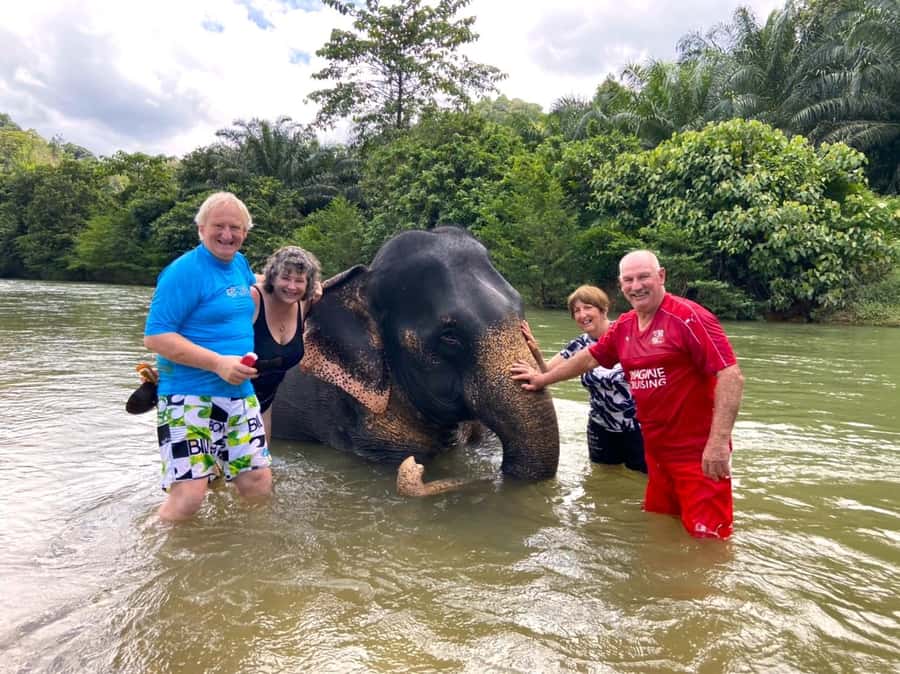
- Observation-only ethical elephants with elephant-led movement and strict no-contact rules
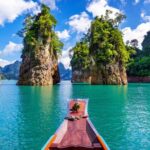
- Sok River bamboo rafting guided by locals, with limestone cliffs and calm water time
- Som Tum cooking plus a southern Thai lunch that isn’t just an afterthought
- Eco-friendly paper workshop made from recycled elephant dung
- Bamboo coffee tasting served in traditional cups during a river stop
- Waterfall + viewpoints (Mae Yai and Khao Sok lookouts) for photos and quick scenic breaks
Khao Lak to Khao Sok: the day’s rhythm (and why it works)
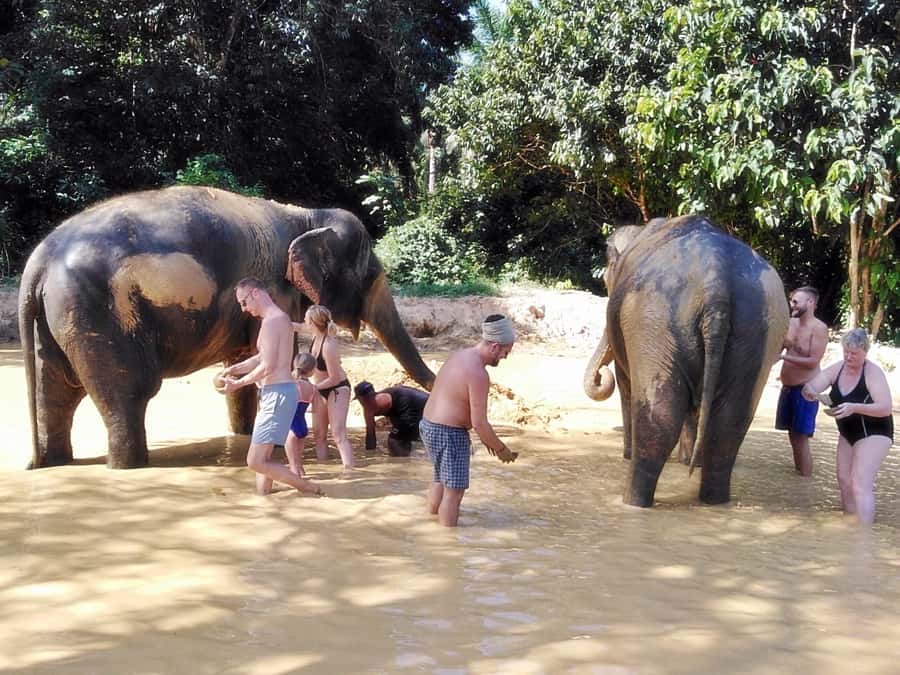
This is an 8-hour private-style outing that starts with hotel pickup in the Khao Lak area. You’ll ride in air-conditioned comfort with an English-speaking guide, and the structure is designed to keep the day packed without feeling chaotic.
First you’ll head inland toward Khao Sok National Park territory. Along the way, there’s a short stop at a local food market (around 20 minutes). It’s not meant to be a full shopping spree. Think quick sampling and getting a feel for everyday Thai life before you shift into rainforest mode.
Then the day leans into three “anchors”:
1) elephants and responsible tourism education,
2) food (Som Tum + lunch),
3) the Sok River (bamboo rafting + coffee by the water).
After that, you finish with Mae Yai Waterfall and viewpoint time, before heading back to Khao Lak.
A big practical plus is that your transport is private to you (or small-group friendly depending on what you book). That matters in this area because stops are spread out and traffic can be unpredictable.
You can also read our reviews of more private tours in Khao Lak


Thongsuk Elephant Park ethics: what you can expect in real terms
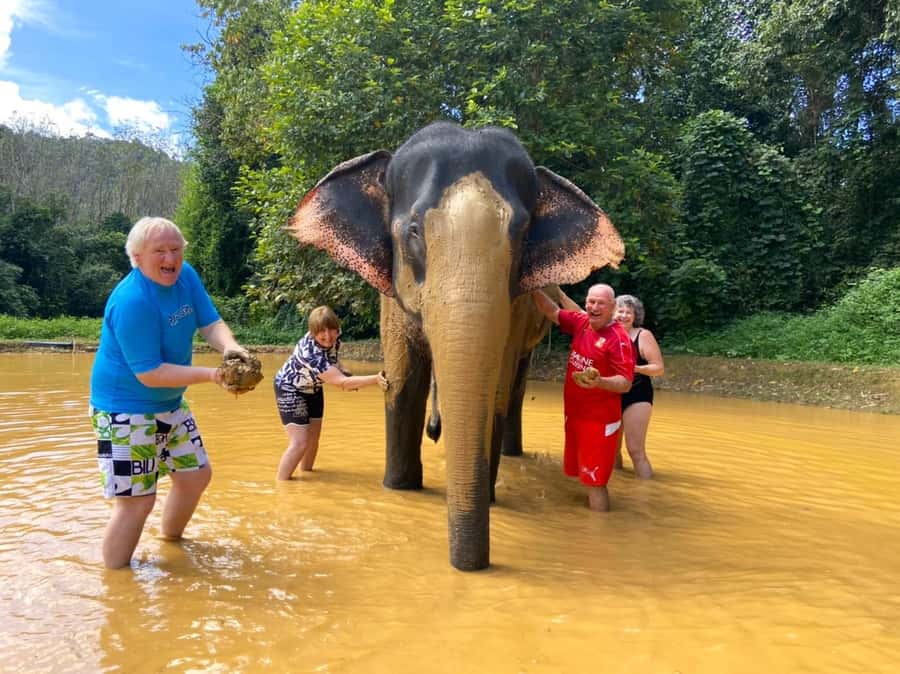
The elephant sanctuary experience is the heart of this tour, and it’s built around a clear message: respect and welfare come first.
You’ll get an educational introduction about elephants—covering elephant history, modern welfare standards, and what responsible tourism should look like. This isn’t just a lecture; it sets the tone for the rest of your visit: you learn why the rules exist, so the “no-contact” part doesn’t feel random.
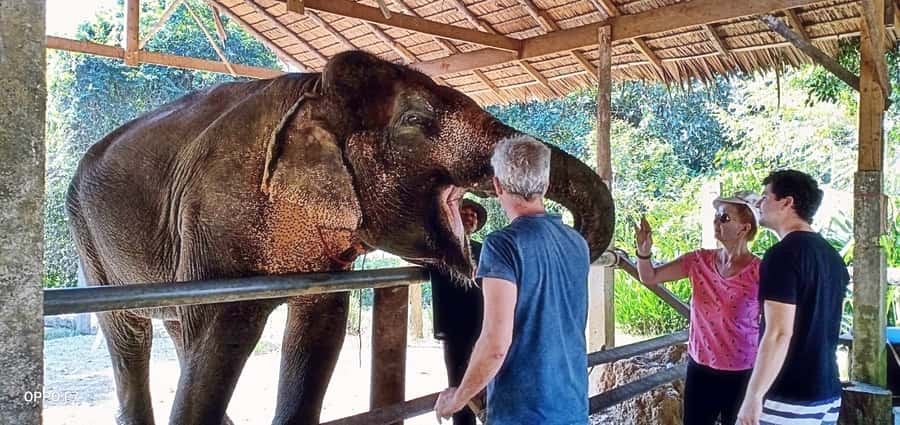
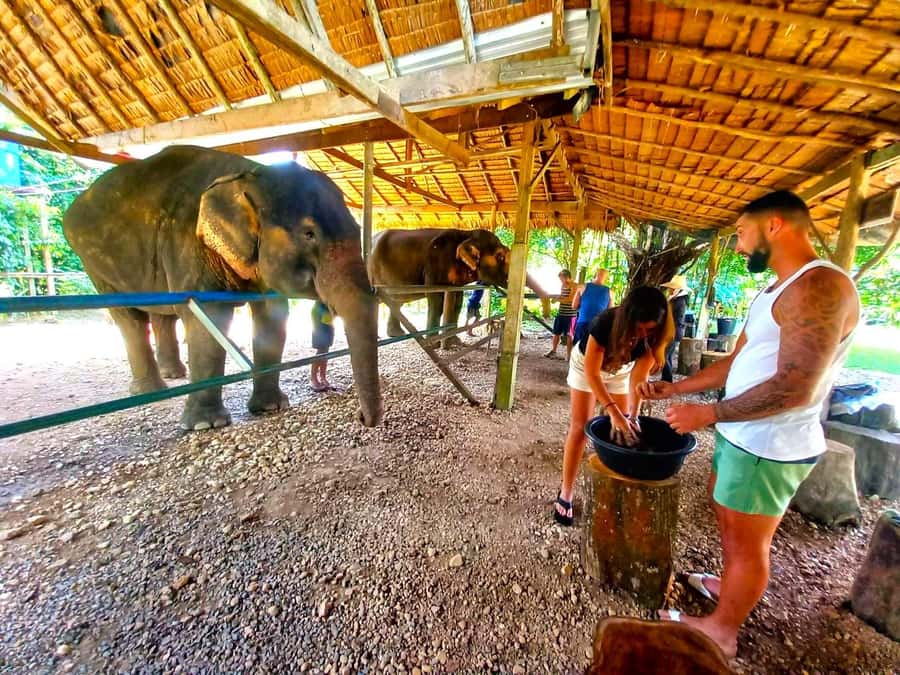
Then comes the part most people remember: a guided observation walk where you follow behind the elephants at a respectful distance. The elephants are in control of where they go and what they do. Your job is to watch and learn, not to steer the experience.
Important rule check:
- No riding
- No bathing
- No touching/interacting
That strict framing is on purpose. It’s meant to keep elephants from being treated like attractions and instead let them behave normally—cooling off in the river or using a natural mud area if that’s part of their daily routine.
From a designated viewing area, you can watch whether they choose river time or the mud routine. This is also where the sanctuary shows off sustainability efforts with an eco-friendly workshop (more on that next).
A quick note if you’re expecting the “elephant wash” Instagram version
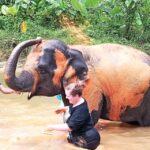
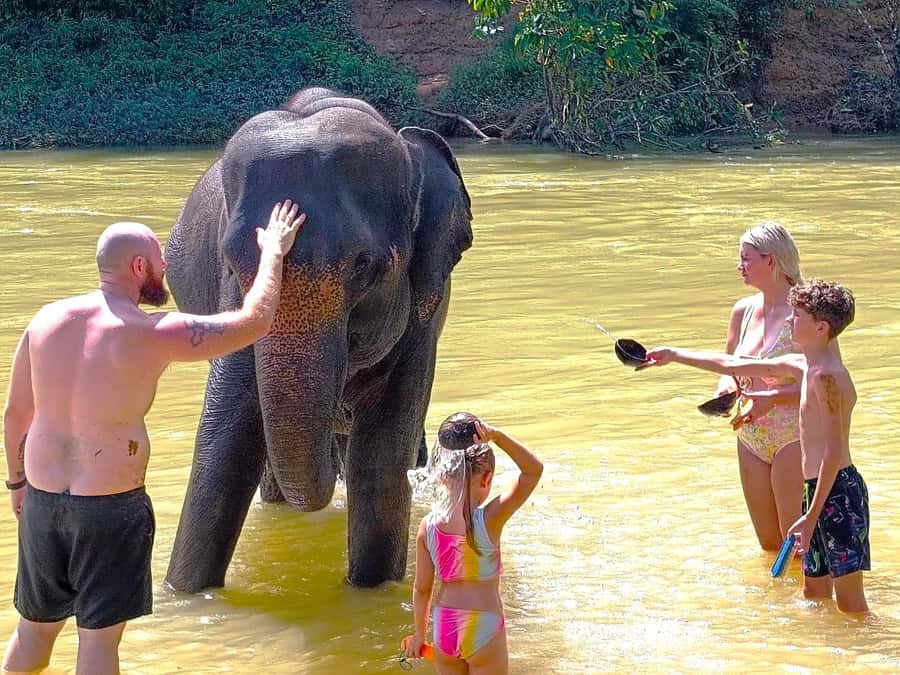
Some elephant-focused tours sell the idea of getting close with bathing. Here, the program description is clear about no bathing and no physical interaction. If elephant water play is a must for you, message your operator ahead of time so you understand exactly what is allowed for your date and group.
Herbal supplement + eco-friendly paper: the behind-the-scenes learning
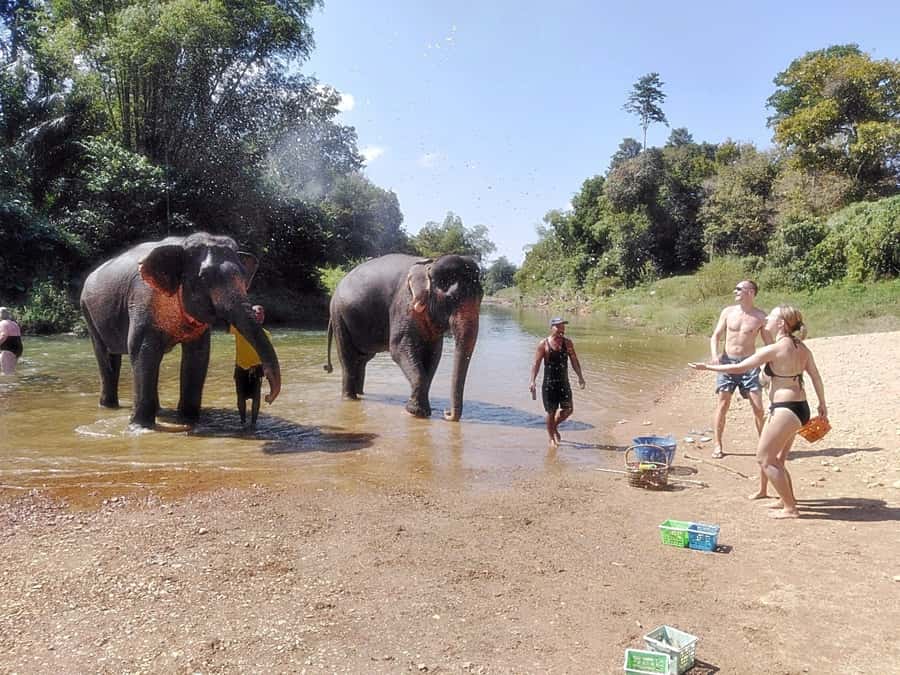
After the initial education and observation time, you’ll do a couple of hands-on elements that connect animal welfare with sustainability.
First, you prepare a traditional herbal supplement. Your caretakers guide this using welfare-based feeding guidelines. The point isn’t to “feed like a tourist.” It’s to learn how caretaking works—what’s offered, when it’s offered, and how the sanctuary aims to keep feeding consistent with welfare standards.
Then you’ll see a very clever sustainability link: eco-friendly paper produced from recycled elephant dung. It’s one of those ideas that sounds like a talking point until you actually understand how it fits into reducing waste and creating useful products.
I like these add-ons because they make the elephant day feel educational in a practical way. You’re not just seeing animals—you’re understanding a system.
The Som Tum cooking stop: where the tour turns tasty
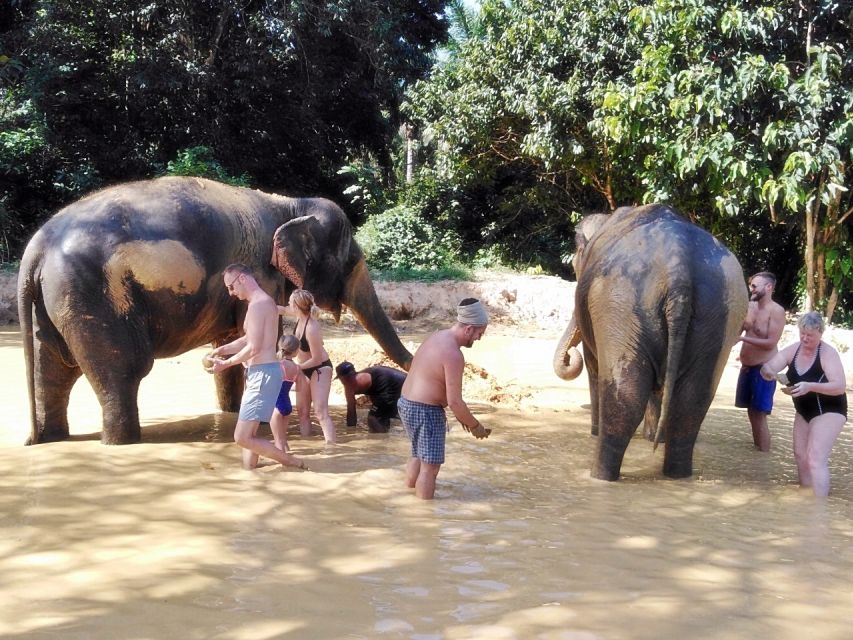
Lunch would be fine on its own. But the smart move is that you learn to make it first.
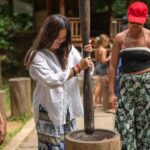
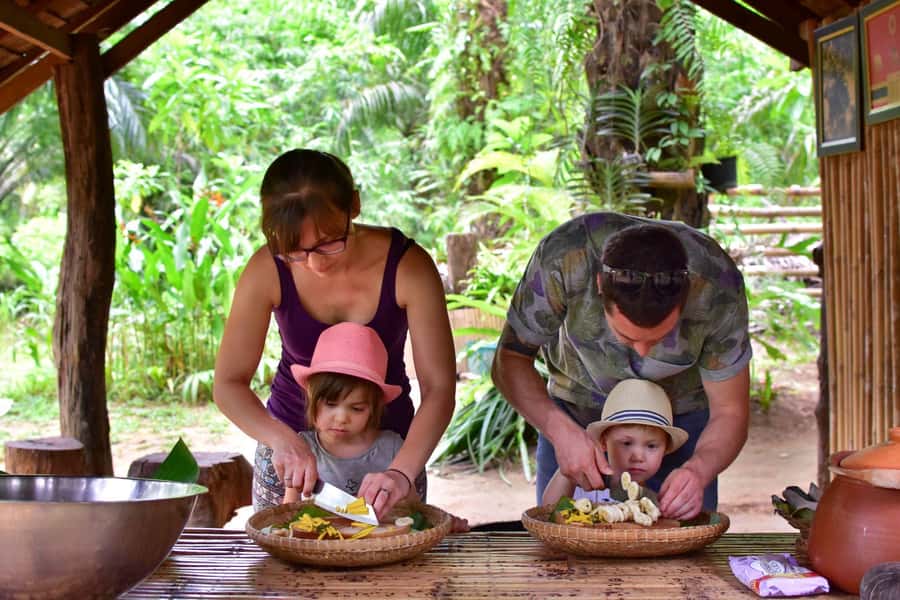
After the elephant segment, you head to a local restaurant area where you prepare Som Tum (Thai green papaya salad). Your guide walks you through the steps so you can understand what gives it that classic balance—crunch, sour, salty, and chili heat. It’s the kind of dish that becomes more interesting when you know the method behind it.
Then lunch follows with a southern Thai spread. The itinerary indicates lunch at a scenic spot with extra charm, and this is one of the smoother transitions in the whole day: you’re warmed up from rainforest morning to a proper Thai meal.
One advantage of doing Som Tum here (instead of just eating it) is that you’ll recognize it later in Thailand. You’ll start spotting variations in sourness and spice and how the mortar-pounded elements change texture.

Bamboo rafting on the Sok River: calm scenery and real guidance
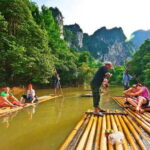
In the afternoon you’ll switch from wildlife watching to water time—bamboo rafting on the Sok River.
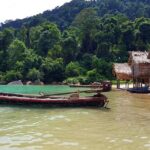
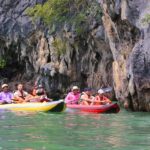
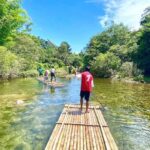
This is guided by local paddlers, and you’ll float through rainforest scenery with towering limestone cliffs. The vibe is usually relaxed, and the timing gives you enough room to slow down—not just do the “10-minute activity and leave” routine.
You’ll also get a short hop-on, hop-off stop along the riverbank. This is where you can reset your legs, take photos, and look around without constantly being on camera-mode.
Bamboo coffee tasting: small detail, big mood
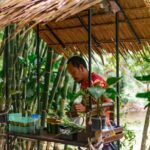
Right on the river, you’ll enjoy bamboo coffee tasting served in traditional bamboo cups. It’s not a fancy cafe stop. It’s more like a Thai moment: coffee, quiet water, and watching limestone towers close in as the raft drifts.
If you’re sensitive to caffeine, you might want to sip slowly or skip the coffee and stick with water (which is included in the day).
Waterfall and viewpoints: Mae Yai plus Khao Sok lookouts
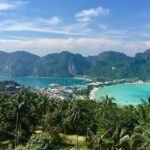
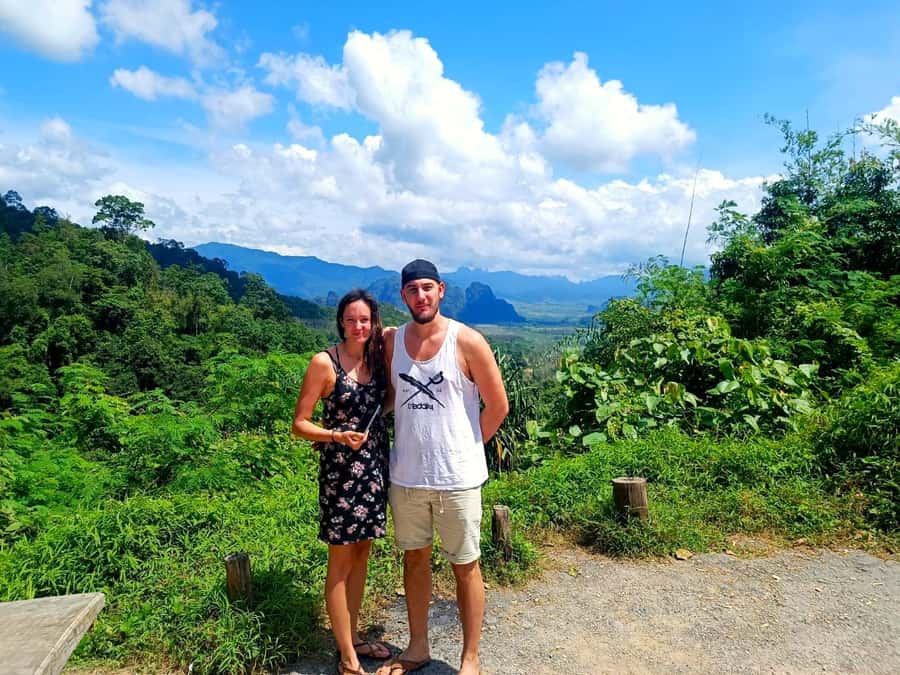
After the river, you head toward Mae Yai Waterfall for scenic views and photo time. The itinerary also includes viewpoint stops connected to Khao Sok scenery, including Khao Sok Viewpoint (Khlong Sok) and a Khao Sok Mountain View stop tied to the cooking and lunch area.
These are shorter stops, but they matter. In Khao Sok, good photos come from good timing—when you catch a break in the clouds or see the mountains with clarity.
And yes: the tour runs rain or shine. If it’s wet, the waterfall can be even more dramatic, and the jungle can look richer. The downside is that roads and river conditions may influence how the day feels, especially for rafting and waterfall viewing.
Practical tip: wear shoes with grip and be ready for slippery moments. Even “easy” stops can involve uneven terrain.
Temple stop and the last stretch back to Khao Lak
On the return route, there’s a short temple visit at Phanthurat Temple (about 15 minutes). It’s not long enough to turn into a big cultural detour, but it adds a Thai texture to the day besides nature and food.
Then you’re back on the road for the final transfer to Khao Lak, with the full day completing around the 8-hour mark.
Your guide’s job here is not just translation. It’s flow: making sure you know what’s next, keeping timing smooth, and adjusting when rain or river conditions require small changes.
Price and value: what $353 gets you (and what to compare)
The price is $353 per group up to 3 people for an 8-hour private-style outing.
Here’s the value math:
- If you book for 3 people, it’s roughly $118 per person.
- If it’s just 1 or 2 people in the group, your per-person cost rises, but you still get the benefit of your own pickup and dedicated guidance rather than squeezing into bigger schedules.
In this region, private transport and an English-speaking guide aren’t cheap. What you’re paying for isn’t one activity—it’s the stack: ethical elephant sanctuary time, eco-learning, cooking, rafting, coffee on the river, waterfall, viewpoints, plus included drinks like water and cola.
If your travel style is “one great day, no guessing,” this package makes sense. If you’re trying to do everything independently, you’ll spend time on logistics—drivers, timing, and permits—so the packaged format can feel like a bargain.
Who should book this tour, and who should think twice
This tour fits best if you:
- Want elephant time with strong ethical rules and an educational approach
- Like practical food experiences, especially Thai cooking like Som Tum
- Enjoy being outdoors but don’t want to manage transport and route planning
- Travel as a small group or family where private flow matters
It can work well for families too, since the day is structured with short segments and the guide handles timing.
You should think twice if:
- You’re looking for elephant riding or hands-on elephant bathing. The program rules are strict about no-contact.
- You have severe mobility limitations; the tour is noted as not suitable for people with mobility impairments.
- You’re pregnant; the tour notes it’s not suitable for pregnant women.
Should you book Khao Lak: Khao Sok Private Ethical Elephants & Rafting?
I’d book it if your priority is an ethical elephant experience that is clearly defined (observation-led, no contact), and you want a second half of the day that feels genuinely Thai—Som Tum, southern lunch, and river rafting with local paddlers.
I would pause and message the operator first if your personal must-do is any kind of physical elephant interaction. Here, the rules are explicit: no touching, no bathing, no riding. Getting clarity ahead of time prevents disappointment.
Also, plan your packing around comfort and weather. Bring a sun hat, sunscreen, insect repellent, a towel, and a change of clothes. Wear shoes for uneven ground—rain can make things slick fast—and keep luggage minimal since large bags aren’t allowed.
FAQ
How long is the tour?
It runs about 8 hours.
What’s included in the experience?
You get private hotel pickup and drop-off in the Khao Lak area, air-conditioned transport, an English-speaking guide, the ethical elephant sanctuary experience with education, herbal supplement prep, eco-friendly paper workshop, Som Tum cooking and southern Thai lunch, bamboo rafting, bamboo coffee tasting, and visits to Mae Yai Waterfall and Khao Sok Viewpoint. Drinking water and cola and accident insurance are included too.
Is it an elephant riding or bathing experience?
No. The experience is observation-only and elephant-led, with a strict no-riding, no-bathing, no-touching policy.
What’s the price and group size?
It costs $353 per group, up to 3 people.
What should I bring?
Bring an ID card or passport, a sun hat, change of clothes, a towel, sunscreen, and insect repellent.
Does the tour run in bad weather?
Yes, it runs rain or shine, and weather may affect the rafting and waterfall parts of the day.
If you tell me your month of travel and whether you’re 1, 2, or 3 people, I can help you sanity-check the plan (timing and what to prioritize) for that specific season.