REVIEW · CENTRAL THAILAND
Full-Day Historical Park and Countryside Tour in Sukhothai
Book on Viator →Operated by Cycling Tour Sukhothai Thailand · Bookable on Viator
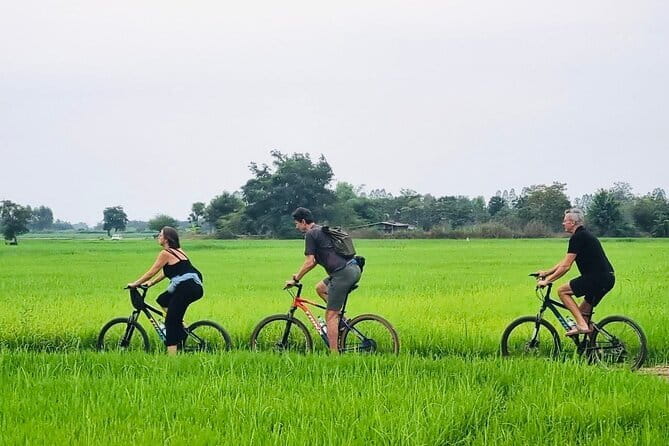
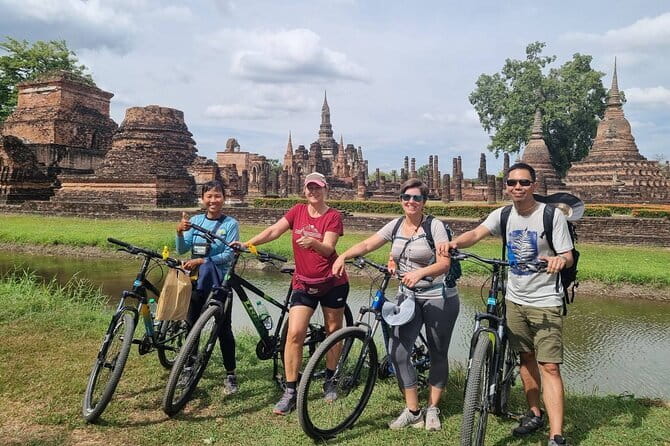
Riding quiet canals in Sukhothai is the whole point. This is a traffic-free countryside cycling day that starts with village life, then rolls into the Sukhothai Historical Park temples—without rushing you through the details. You’ll follow zigzag canal paths, pass rice paddies, and see why water matters here for farming, bathing, laundry, and fishing.
I love two things most: the English-speaking guide who explains architecture and Buddhism in plain language (and if your guide is Mem, you’re in for especially thoughtful, original commentary). I also like how the route mixes daily life and handiwork with temple stops, so the ancient sites don’t feel like an isolated museum day.
One thing to consider: this tour depends on good weather and it’s a full 7 hours (about 08:00 to 15:00). If you’re hoping for a short, low-effort walk-and-glance plan, this cycling day may feel like more than you want.
In This Review
- Key highlights you’ll care about
- Sukhothai by bike: canals, rice fields, and why water runs the show
- Price and value check: what you get for about $52
- The day’s rhythm: what 08:00 to 15:00 actually feels like
- Stop 1: Sukhothai Historical Park — starting with ruins and then earning them
- Wat Chetuphon: a temple complex with statue positions that tell a story
- Saritphong Dam: a calm break that turns into a photo stop
- Wat Mangkon: a Sri Lanka-style chedi with strangler figs
- Wat Pa Mamuang: mango forest calm, small temple charm
- Wat Sri Chum: the monthop and a huge Buddha in Mara position
- Wat Mahathat: the famous core temple complex with mixed styles
- Wat Sri Sawai: Khmer-style prangs and a moat
- Lunch and the human side: when the day stops being just sightseeing
- What makes the guide so important here
- Who this tour suits best
- Quick decision: should you book this Sukhothai cycling day?
- FAQ
- How long is the tour?
- Is pickup available?
- What bike do I ride, and is safety equipment included?
- Are temple entrance fees included?
- What’s included for lunch and drinks?
- How many people are in the group?
- Is it suitable for beginners?
- Where does the tour visit first?
- What if the weather is bad?
- Is alcohol included?
Key highlights you’ll care about
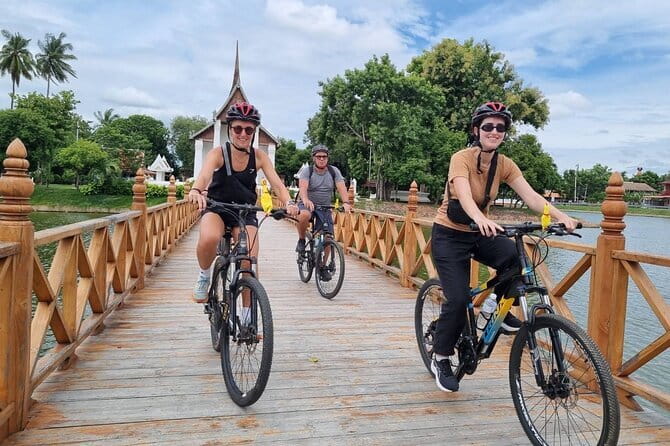
- Canals + countryside first: You start by cycling past rice fields, markets, and local routines before the big temples.
- Temple variety in real settings: You hit multiple sites scattered across the historical park area, including small garden temples and major complexes.
- A guide who ties it together: The commentary connects what you see (buildings, statues, Buddhism) to how people live nearby.
- Decent bike setup: A mountain bike with 24 gears, front suspension, plus a helmet and insurance.
- Lunch included: Bottled water, soft drink, and snack are part of the meal plan.
Sukhothai by bike: canals, rice fields, and why water runs the show
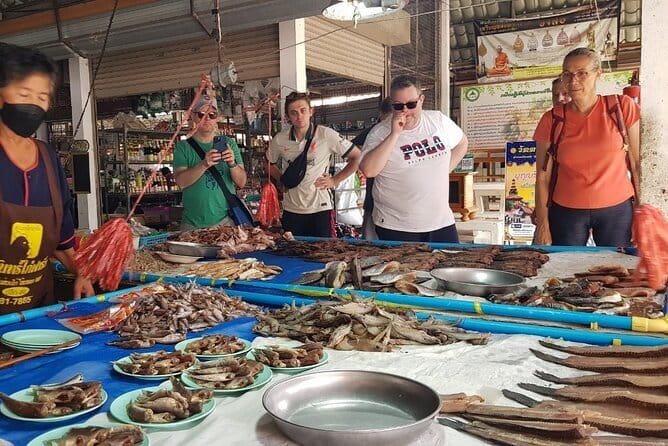
This tour works because it starts where Sukhothai actually breathes: the small canal network. Instead of teleporting you straight to ruins, you ride along narrow, calmer routes where locals live with water every day. You’ll pass communities where canals are practical infrastructure—used for farming, bathing, laundry, and fishing—not just scenic extras.
That order matters. The morning gives you context for what you’ll later see in the historical park. Once you understand that water management was crucial for the city, the temples feel less random and more like part of a system built around life, faith, and agriculture.
The pace is also a big deal. Even though it’s cycling for much of the day, the route is described as traffic-free and meant to give you an easy but interesting impression. Translation: you’re not doing technical mountain-biking. You’re doing “riding through daily life” with stops to look, learn, and take photos.
You can also read our reviews of more historical tours in Central Thailand
Price and value check: what you get for about $52
At about $51.92 per person, this can feel like a good deal because the pricing isn’t just “bike rental plus entrance somewhere.” You’re paying for an English-speaking guide, the full lineup of temple admissions, and the basic day package.
Here’s what’s included:
- Mountain bike with 24 gears and front suspension
- Helmet and insurance
- All fees and taxes
- Lunch plus bottled water, soft drink, and snack
- Hotel transfers
You also get mobile ticketing, and the group is small—maximum 12 travelers—which usually means fewer delays at each stop and less time standing around waiting for everyone to regroup.
The main cost to watch for isn’t the tour price. It’s distance-based pickup/drop-off. Pickup is offered, but you may need extra payment if your location is more than 15 kilometers from the starting point. The tour also lists specific add-on fees for certain meeting locations like a particular heritage hotel and Phitsanulok railway station/airport.
The day’s rhythm: what 08:00 to 15:00 actually feels like
The ride starts at 08:00 and runs until about 15:00, so you’ll be out for roughly seven hours. That’s long enough to feel like a real experience, but structured with multiple short temple and viewpoint stops so the day doesn’t turn into one endless pedal session.
A practical advantage: you’re on a mountain bike with front suspension and gears. That matters if the roads are uneven, gravelly, or wet. You’ll also be wearing a helmet, and the tour includes insurance, so it’s not a “good luck” situation.
What I’d plan for on your end:
- You’ll want comfortable cycling clothes and shoes you can walk in.
- You’ll spend a lot of the day outdoors, including sun and humidity, so sun protection is smart.
- Expect to take breaks at each site; you’re not just rolling through.
If you’re sensitive to heat, consider starting your day early with a proper breakfast. The tour begins right at 8, so you’ll want energy.
Stop 1: Sukhothai Historical Park — starting with ruins and then earning them
The day begins with a ride to Sukhothai Historical Park, and the first big block of time is about four hours at the park. Before you even reach the temples, you’ll cycle past local villages, rice fields, and a market—an important setup that helps you connect people and agriculture to the ancient capital.
Once you enter the historical park area, the value is scale and variety. This isn’t just one temple photo spot. It’s a complex landscape of architectural styles, religious symbolism, and site layout that you can’t properly understand from a quick wander.
The main drawback of a major park visit: you need to pay attention. With four hours, it’s easy to get mentally tired if you’re trying to read everything on your own. This is where having an English-speaking guide helps most—especially if you care about why temples look the way they do.
Wat Chetuphon: a temple complex with statue positions that tell a story
Next up is Wat Chetuphon, about 15 minutes. It’s described as the biggest temple complex of the southern part of the historical park, set in the countryside with rice paddies around it.
The highlight here is the remains of Buddha statues in different positions. That detail matters because Buddhism in Thailand often shows different moments and meanings through posture and gesture. Even if you don’t memorize every term, you’ll start to recognize that the physical language of statues is part of the teaching.
Time is short at this stop, so keep your expectations realistic. You’ll likely see the key points, but you won’t have hours to sit and think.
Saritphong Dam: a calm break that turns into a photo stop
Then the tour shifts gears to Saritphong Dam, about 20 minutes. This ancient dam dates back to the Sukhothai era and was designed to provide water for the city and the surrounding rice fields.
This stop is a quiet but smart bridge between what you saw on the bike ride (canals and farming) and what you’ll see in the temples (spiritual structures built in a working landscape). When you stand by a dam like this, the architecture in the historical park makes more sense because it’s tied to survival and planning, not just aesthetics.
Drawback-wise: you may get less time here if you want lots of photos from every angle, but it’s clearly built as a quick view-and-shoot moment.
Wat Mangkon: a Sri Lanka-style chedi with strangler figs

Wat Mangkon is a compact 15-minute stop. It features a chedi described as Sri Lanka style, and it’s partially taken over by strangler fig trees.
This is one of those stops where the site looks dramatic even if you’re not studying the details. The mix of stone structure and living tree growth creates a natural visual contrast, and it’s exactly the kind of place where you can get a strong photo without needing a drone or long lens.
One consideration: since the time is brief, don’t expect a slow wander through multiple corners. If you care about angles, spend your first minute finding the best viewpoint, then do the rest.
Wat Pa Mamuang: mango forest calm, small temple charm
Another short stop is Wat Pa Mamuang, about 15 minutes. This temple complex is set in a mango forest, and it gets its name from mamuang, Thai for mango.
The benefit of a small temple stop like this is pacing. After bigger, busier architectural areas, you get a calmer setting that’s easier to absorb. If you like plants, shade, and quiet corners, this is a good place to slow down.
Since it’s short, the main value is the guide’s explanation and the way they point out what to look for, rather than you exploring endlessly on your own.
Wat Sri Chum: the monthop and a huge Buddha in Mara position
Wat Sri Chum runs about 20 minutes. This is located in the north of the historical park. Inside the monthop (Buddha house) is a gigantic Buddha statue described as in the subduing Mara position.
This is the kind of stop that hits even if you know little about Buddhist art. Mara is a well-known figure tied to the idea of resisting temptation and overcoming obstacles on the path to enlightenment. So when you’re told the statue’s position and meaning, it gives you a simple handle on what you’re looking at.
Potential drawback: it can be physically hard to fully enjoy a major statue if you’re stuck in a crowd or if the viewpoint is limited. The stop is still long enough to take in the scale and let the symbolism land.
Wat Mahathat: the famous core temple complex with mixed styles
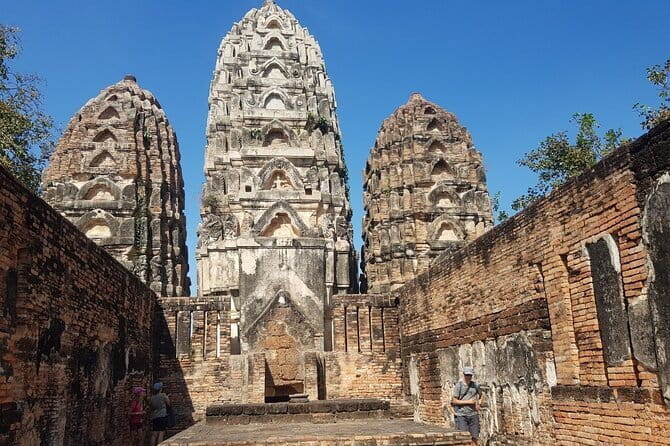
You’ll spend about 30 minutes at Wat Mahathat, described as the most famous and impressive temple complex of Sukhothai’s ancient capital. It’s in the heart of the area and known for mixing different architectural styles.
This is your “big finish” stop before the last couple of temples. If you want the clearest sense of why Sukhothai matters, this is the place where you feel the density of design choices—layout, shapes, and how structures reference each other.
The drawback is also simple: it’s likely to be the most photographed stop of the day, so it can feel a bit more crowded than the smaller ones. The guide helps by pointing out the specific elements that make Wat Mahathat stand out, so you get more meaning than just a picture.
Wat Sri Sawai: Khmer-style prangs and a moat
The final temple stop is Wat Sri Sawai, about 20 minutes. It’s a Khmer-style temple with a prayer hall and three prangs (towers) in Khmer style. The site is surrounded by a brick wall and a moat.
This is a nice way to end because it adds a different architectural flavor to the day. Earlier stops focus on local Thai temple forms and specific site features; here you’re reminded that Sukhothai’s religious landscape also reflects broader regional influences.
Time is short, so focus on the towers and the boundary features (wall and moat). That contrast is what makes this stop feel complete rather than rushed.
Lunch and the human side: when the day stops being just sightseeing
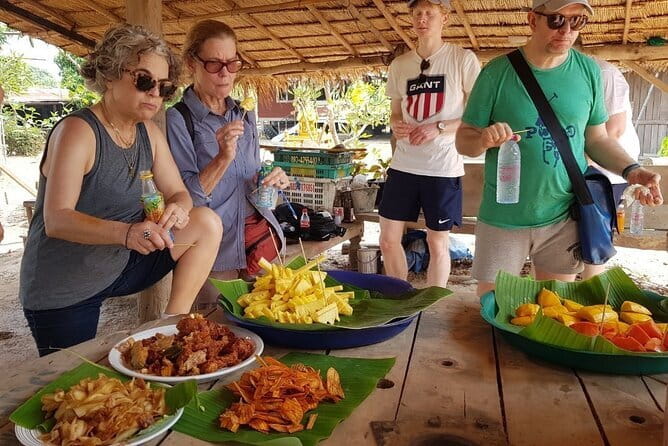
Lunch is included, with bottled water, soft drink, and snack. The tone of the meal seems to be one of sharing rather than just fueling up.
In one of the standout moments, the group’s lunch involved locals and active participation tied to how the food was prepared. That kind of break changes the feeling of the day. Suddenly you’re not only passing through the countryside—you’re sitting in it, eating with the rhythm of the place.
If you care about authentic contact (without getting forced into awkward performances), this style of lunch tends to work well.
What makes the guide so important here
This tour isn’t only about seeing temples. It’s about connecting architecture and Buddhism to daily life and the countryside setting where the historical capital existed.
That’s why the guide matters so much:
- They point out what to look for in temples without drowning you in technical terms.
- They connect statues and temple structures to meanings you can actually carry with you.
- They guide your pace so you see a lot without feeling lost.
The reviews particularly praised original, relevant commentary and the way the guide kept the group engaged. If you get a guide like Mem, expect explanations that make the day feel personal and understandable, not like a checklist.
Who this tour suits best
This is ideal if you want:
- A bike day that includes real countryside life, not just a paved loop around ruins.
- A structured tour with English guidance so you don’t miss the meaning of what you’re seeing.
- A mix of small temple stops and major historical complexes.
It’s also a good choice for people who enjoy photos but care more about understanding than clicking.
It may be less ideal if:
- You hate cycling for long stretches.
- You’re visiting in poor weather conditions, since the tour requires good weather.
- You’re hoping for a very slow, low-pace temple crawl (this is a day with movement between sites).
Quick decision: should you book this Sukhothai cycling day?
I think you should book it if you’re the kind of traveler who learns best by moving—watching life happen around you, then seeing how faith and architecture grew in that same space. The value stands out because admissions, bike setup, guide, lunch, and transfers are included, and the small group size keeps it from feeling chaotic.
If your top goal is a purely temple-focused visit, you might prefer a more static tour where you linger at fewer sites. But if you want the bigger picture—canals, rice fields, villages, and then the temples of Sukhothai in one coherent day—this one hits the mark.
FAQ
How long is the tour?
The tour runs for about 7 hours, from 08:00 to 15:00.
Is pickup available?
Yes. Hotel transfers are included. Pickup/drop-off beyond 15 kilometers from the starting point is not included, and there are specific extra fees listed for some locations (such as a Sukhothai Heritage hotel and Phitsanulok railway station or airport, plus Sukhothai airport).
What bike do I ride, and is safety equipment included?
You ride a mountain bike with 24 gears and front suspension. The tour includes a helmet and insurance.
Are temple entrance fees included?
Yes. Admission ticket costs are included for the listed stops, and the tour also states that all fees and taxes are included.
What’s included for lunch and drinks?
Lunch is included, along with bottled water, soft drink, and snack.
How many people are in the group?
The tour has a maximum of 12 travelers.
Is it suitable for beginners?
The route is described as easy, and the roads are traffic free. Most travelers can participate, though it is still a full-day cycling experience.
Where does the tour visit first?
It starts at 08:00 and begins with cycling to Sukhothai Historical Park, with a stop there that lasts about 4 hours.
What if the weather is bad?
The experience requires good weather. If it’s canceled due to poor weather, you’ll be offered a different date or a full refund.
Is alcohol included?
No. Alcoholic beverages are not included.