REVIEW · PHANOM
From Khao Sok: Half-Day Rainforest Trek with Local Guides
Book on GetYourGuide →Operated by Halo Tor Tao · Bookable on GetYourGuide
A few slippery steps, then pure jungle calm. This half-day trek in Khao Sok National Park pairs local Tor Tao guides with a national park ranger for a route that feels far from the usual crowds. I like how the walk is organized around real village life, not just photo stops, and you get a chance to see parts of the area most day-trippers skip.
Two things I really like: first, the focus on a less crowded, hidden trekking route and the chance to learn how the rainforest connects to day-to-day survival. Second, it’s a small-group outing (up to 10 people) that keeps the pace manageable and the questions flowing.
One thing to consider: communication can be uneven. The ranger and guides are learning English, so you may find some parts clearer than others—bring patience and use simple questions and photos.
In This Review
- Key highlights worth your time
- Meeting Halo Tor Tao: your start point and your guide team
- A quick reality check on language
- The 4-hour schedule: 2–3 hours of real trekking
- A rainforest route designed to avoid the crowd
- Tor Tao village life stops: coal-making, plantations, and learning to live sustainably
- Rain and reality: dress for the conditions
- Caves and trained monkeys: the parts that feel rare (and why they aren’t guaranteed)
- Cave stops (timing and route dependent)
- Trained monkeys collecting coconuts (if timing allows)
- The packed meal: simple, welcome energy after the hike
- Bring extra snacks if you’re the hungry type
- Price and value: what $70 buys in a small-group trek
- What to bring (and what not to do) in Khao Sok
- Health and fitness note you shouldn’t ignore
- Who this half-day trek is best for
- You might want to skip it if…
- Should you book this Khao Sok half-day rainforest trek with Tor Tao guides?
- FAQ
- How long is the full experience?
- Where do I meet the guides?
- Is pickup from my accommodation included?
- What’s included in the price?
- Is the monkey coconuts activity guaranteed?
- What should I bring for the trek?
- Is this tour suitable for everyone?
Key highlights worth your time
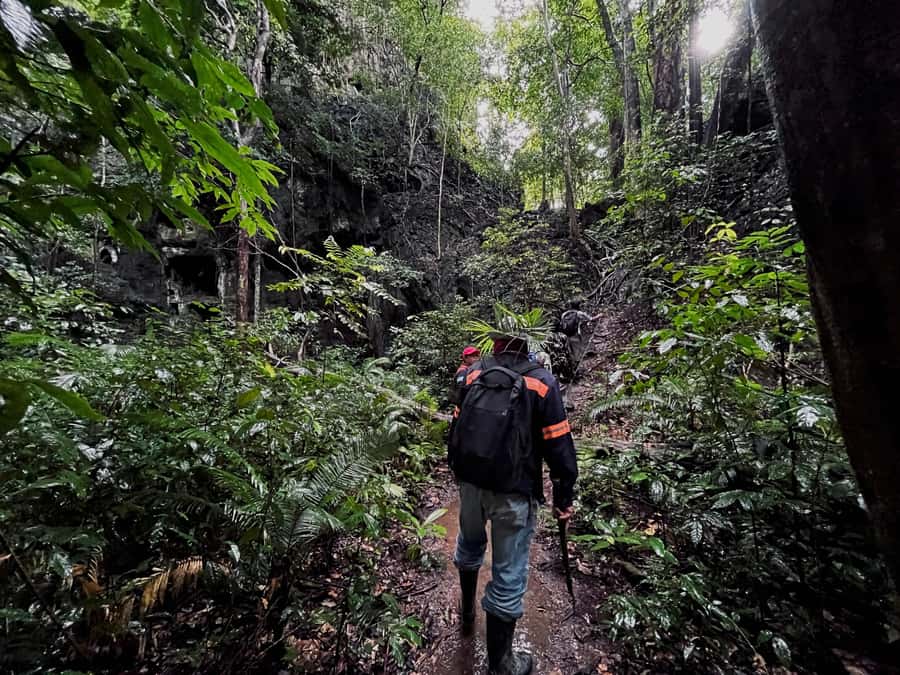
- Tor Tao village + park ranger team guiding the trek and explaining what you’re seeing
- Hidden trekking route away from crowded tourist areas
- Coal-making, plantations, and a sustainable-living education center on the way
- Trained monkeys collecting coconuts if timing allows
- Possible cave stops depending on the route and conditions
- Packed meal included (plus you can bring extra snacks if you get hungry)
Meeting Halo Tor Tao: your start point and your guide team
This tour starts with either an accommodation pickup (optional, in many areas around the national park offices) or meeting up at Halo Tor Tao Excursion / Tor Tao Excursion at the activity start time. It’s worth planning to be ready right on schedule—this is the kind of outing where being late can throw off the group’s pace in the park.
You’ll be walking with two key people: a national park ranger and a local guide from Tor Tao village. That combo matters. The ranger helps you understand the ecology and park rules, while the Tor Tao guide gives you the local lens—how people live around the rainforest and how resources like coconuts and forest products fit into everyday life.
Group size is capped at 10 participants, which usually means you’re not stuck waiting while everyone takes turns at the same viewpoint. In practical terms: you move faster, spend more time walking, and you can ask questions without shouting over a crowd.
You can also read our reviews of more tours and experiences in Phanom.

A quick reality check on language
The guides speak Thai and English, but their English level can be limited. That doesn’t make the tour worse—it just means you should go in with the right expectations. If you want to maximize what you get out of it, keep your questions short:
- What tree is this?
- How do people use this plant?
- Where does this animal live?
Simple back-and-forth beats long, complex questions. And yes, pictures can work wonders when words get stuck.
The 4-hour schedule: 2–3 hours of real trekking
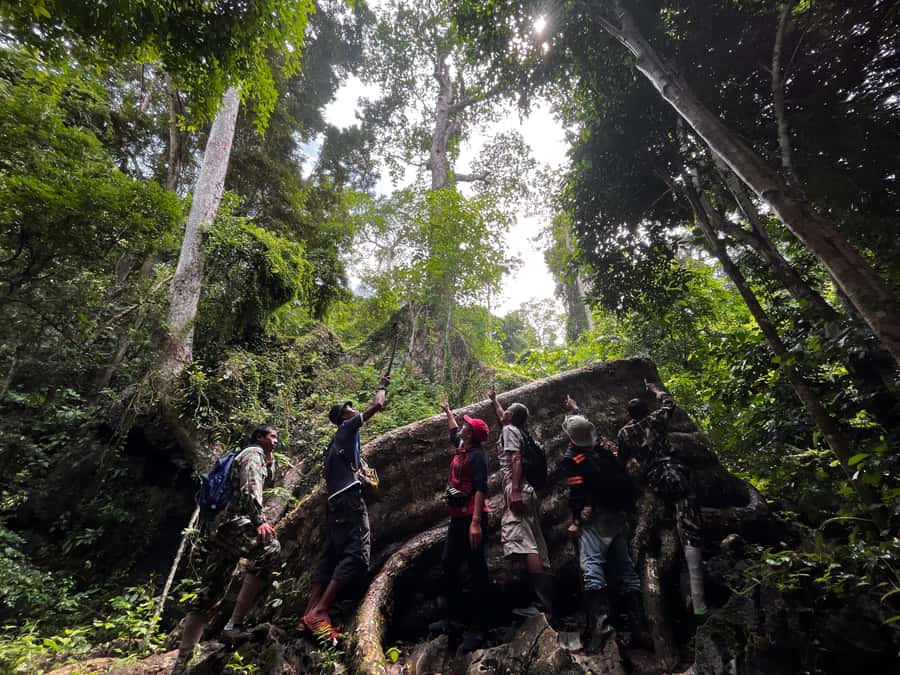
On the day, you’ll be out for about 4 hours total. Most of that time is trekking—around 2 to 3 hours depending on weather and the route.
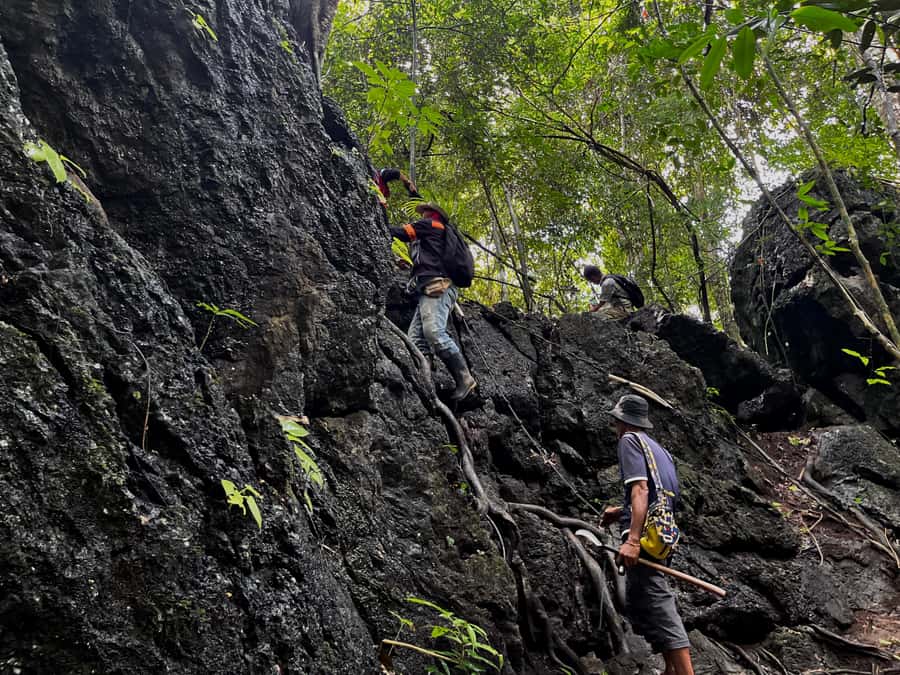
Rainforest timing is flexible by nature. If rain comes down hard, the walk can shift. That can be frustrating if you’re hoping for a strict itinerary, but it also helps you stay safer and avoid unnecessary exposure. Expect some uneven footing and a path that can get slippery, especially after wet weather.
The pace is best described as active. You’re not doing a casual stroll. It’s more like a guided walk where the goal is to reach certain areas and see how village life connects to the forest. One of the stronger points of this tour is that it feels rewarding—you earn the views and the explanations.
A rainforest route designed to avoid the crowd
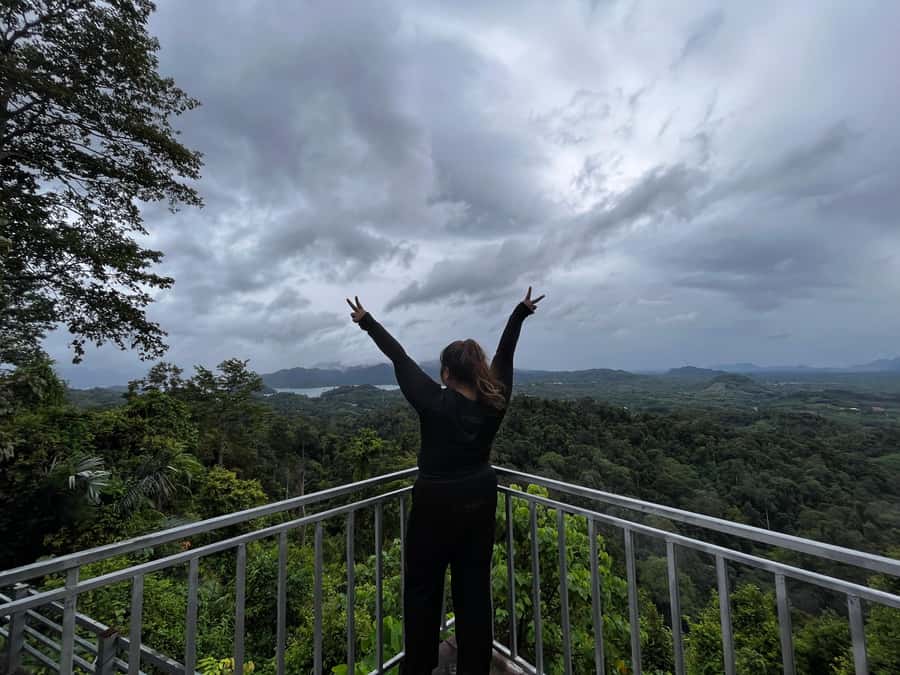
This trek is built around the idea of going beyond the most common tourist lanes. You’re not just walking near the main traffic. You’re headed toward a route that’s meant to feel quieter and more “inside” the ecosystem.
Why that matters: when you’re away from the busiest corridors, you hear more. In a rainforest, sound is part of the experience—birds, insects, distant calls, and the rhythm of boots on wet leaves. You also get better chances for the guide to talk without constantly competing with other groups.
The tour’s structure also helps you stay present. It’s not “look for 20 minutes, then repeat.” The route connects several types of stops, so the story unfolds while you walk—forest to farms to village learning centers and back out again.
Tor Tao village life stops: coal-making, plantations, and learning to live sustainably
What I like most about this trek is that it doesn’t treat the rainforest like a separate world. You pass through human-managed areas that show how locals use land and resources.
Along the way, you may see:
- a coal-making area
- plantations
- an education center focused on sustainable living
Each stop changes the tone of the walk. The coal-making area brings context that most visitors never see—how fuel production and local labor historically shaped the region. Plantations show how agriculture and forest edges overlap in real life, not in clean textbook diagrams. And the education center ties it together by focusing on sustainability and how knowledge is passed down locally.
This is also where the Tor Tao guide becomes especially valuable. Even if you only catch pieces of the English, the guide’s job is to connect what you’re seeing to why it exists. You’ll likely get short explanations about plants, animals, and local practices—and you’ll have chances to ask what things are called or how they’re used.
Rain and reality: dress for the conditions
A rainforest can surprise you. If rain hits, the trip can still be amazing—but you need to dress for wet weather and expect muddy ground.
Bring the right footwear. Comfortable shoes are a must, and they should handle slick surfaces. If you’ve got rain gear, use it. If you don’t, at least plan for water-resistant clothing at the base layer level.
Caves and trained monkeys: the parts that feel rare (and why they aren’t guaranteed)
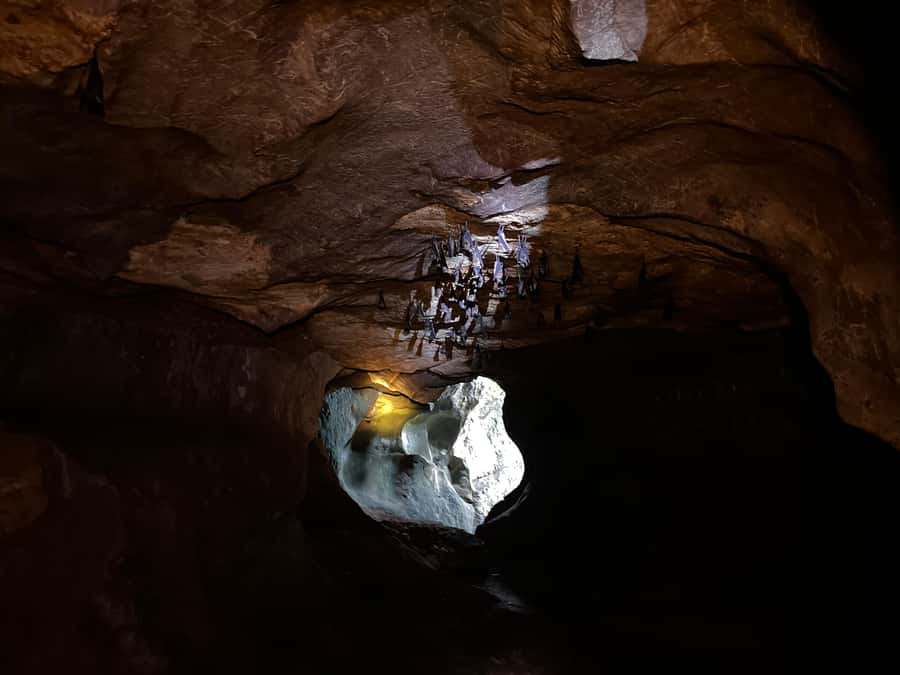
Two of the most memorable elements—based on the route possibilities—are caves and trained monkeys.
Cave stops (timing and route dependent)
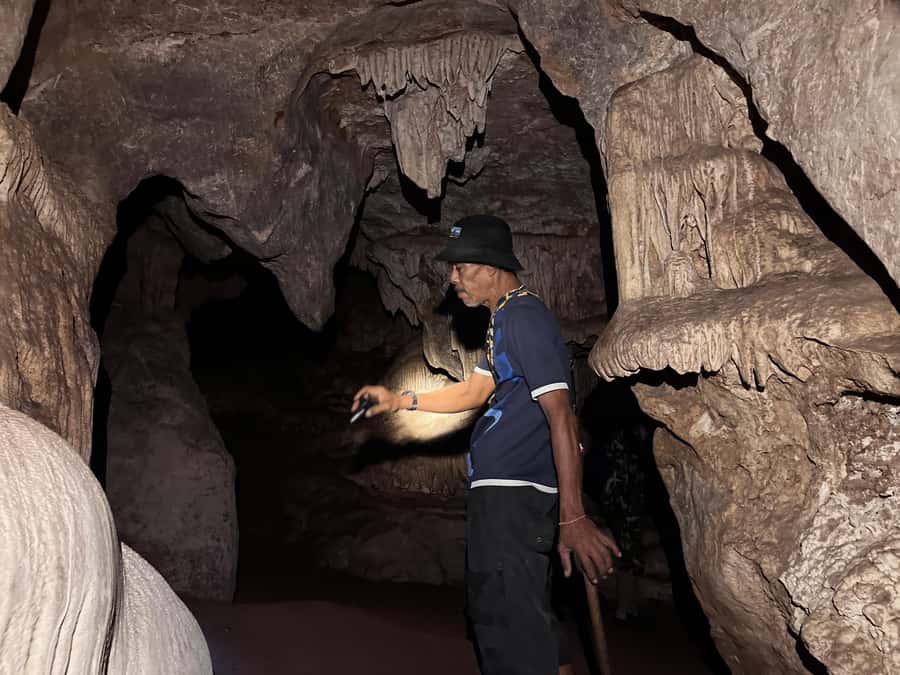
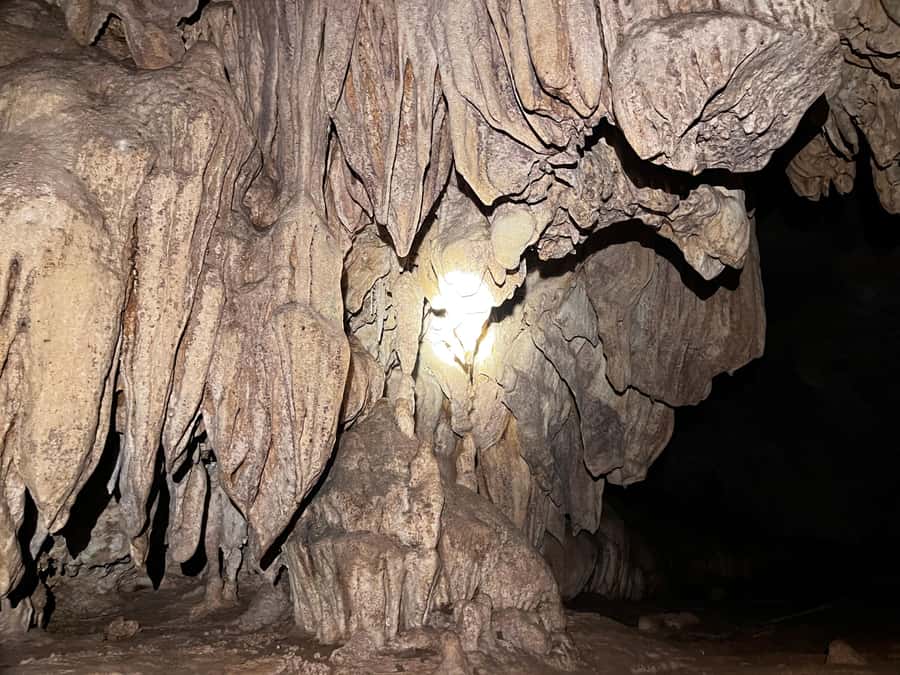
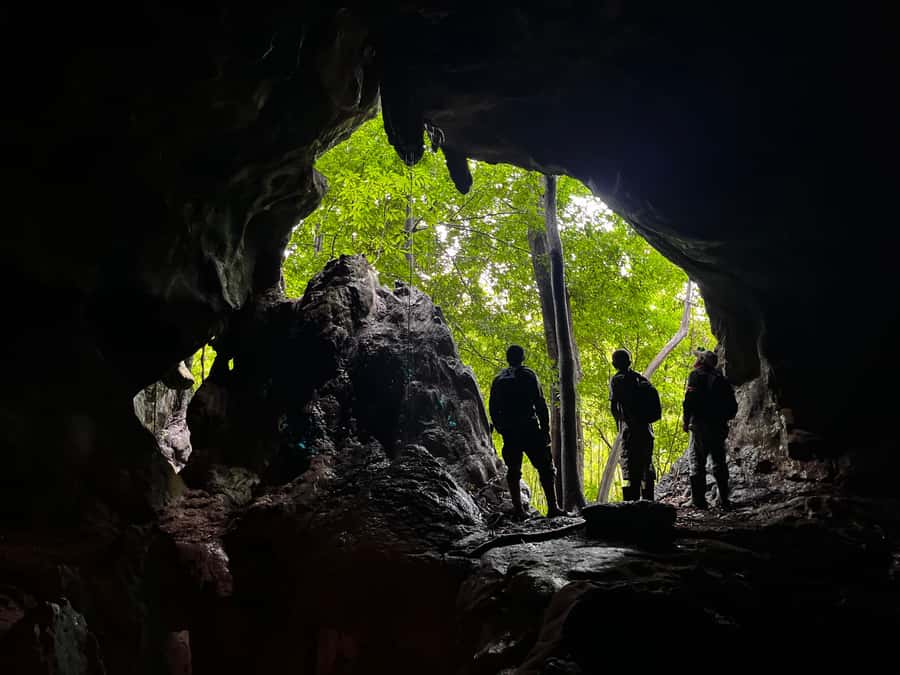
Some walks include visits to two impressive caves. This is the kind of stop that turns a normal forest walk into a more dramatic experience. Caves can also shift the temperature and air feel, so it’s a notable break from the humid path outside.
That said, cave visits depend on the route and conditions, so don’t assume they’re always on the schedule. If they’re included that day, you’ll notice the pace may change as the group navigates entrance areas and the guide gives safety and context.
Trained monkeys collecting coconuts (if timing allows)
One of the most unique elements is the possibility of watching trained monkeys help villagers collect coconuts for coconut milk or oil. It’s a practical skill tied to village food and production, and it’s something you won’t get in the typical “tourist-only” parts of the park.
But it’s also time-dependent. The tour notes that this depends on whether the timing lines up. If it doesn’t happen, you’re still seeing a living area with real work and local farming activity—just without that specific moment.
This is a good reminder for your expectations: think of the tour as a guided day through a working landscape. Some “set-piece” moments happen only when the day allows.
The packed meal: simple, welcome energy after the hike
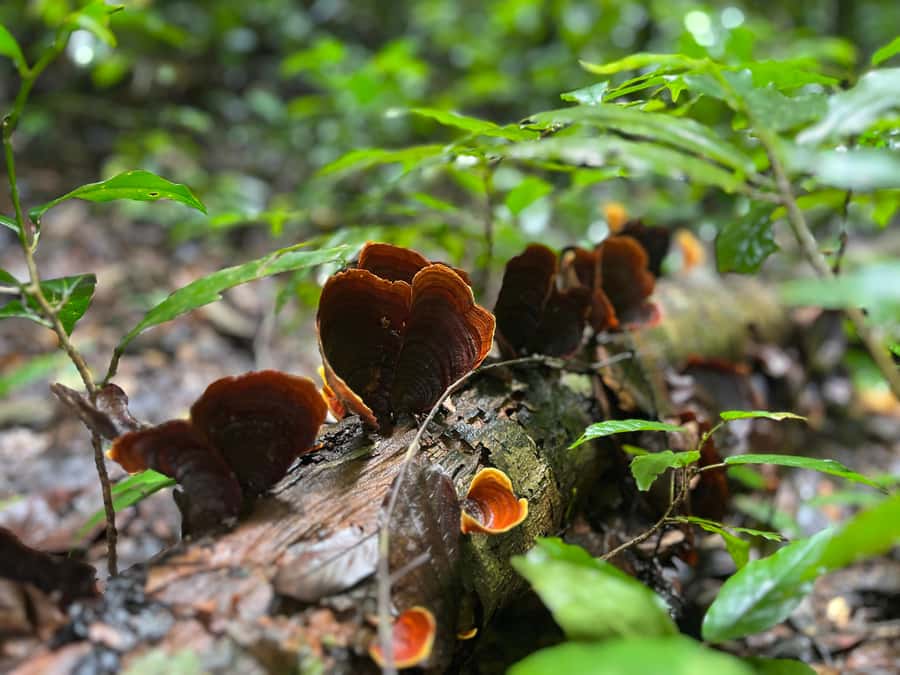
You’ll get a packed meal during or after the trek. In practical terms, this is one of those hidden value items: after 2–3 hours of walking in hot, humid conditions, you’ll want food and you won’t want to hunt for it mid-day.
One traveler also noted being offered breakfast and then a delicious meal at the end. That’s not listed as a guarantee, so treat it as a possible bonus rather than a promise. The safe bet is the packed meal.
Bring extra snacks if you’re the hungry type
Even with the included meal, I suggest bringing:
- a few snacks you like
- water (more on that next)
- anything you need if you’re sensitive to hunger timing
It’s not about being picky. It’s about keeping your energy steady so the walk stays enjoyable rather than “hangry.”
Price and value: what $70 buys in a small-group trek
At $70 per person for about 4 hours, this isn’t a bargain-basement excursion. But it also isn’t just someone leading you down a trail.
Here’s what’s included that usually costs extra when you try to do it independently:
- transfer from accommodation (if you choose pickup)
- national park ranger support
- local Tor Tao guide
- the trek itself (2–3 hours)
- a packed meal
The value also comes from what your money supports. The tour explicitly states that your participation supports Tor Tao villagers and the National Park Rangers unit. That’s a big deal in places where protecting nature and supporting local livelihoods need to happen together, not separately.
And because it’s limited to 10 participants, you’re not paying for a chaotic mass tour. You’re paying for a guided experience that tries to stay personal.
What to bring (and what not to do) in Khao Sok
This is a rainforest trek, so your gear should solve real problems: heat, mud, insects, and sudden rain.
Bring:
- comfortable shoes
- water
- insect repellent
- weather-appropriate clothing
- snacks if you like having a backup
Also, keep the tour rules in mind. You’re not allowed to:
- litter
- touch animals
- touch plants
That’s not just “for etiquette.” In a rainforest, touching plants or animals can harm them and can also put you in awkward situations with stings, bites, or unsafe contact. If you’re curious, ask the ranger or guide instead. That’s what they’re there for.
Health and fitness note you shouldn’t ignore
This tour isn’t suitable for people with:
- mobility impairments
- heart problems
- respiratory issues
The terrain and effort can be challenging, especially if it’s wet. If any of those apply to you, consider a gentler alternative so you can enjoy the day rather than manage risk.
Who this half-day trek is best for
I think this tour hits its sweet spot for people who:
- want more than a rainforest photo walk
- enjoy stories tied to how locals actually live
- like small groups and guided context
- are curious about sustainability and conservation in practice
It’s also a good option if you want to spend time in Khao Sok without committing to a full-day excursion. The timeframe is short enough to fit into a busy travel plan, but long enough to feel like you went somewhere meaningful.
You might want to skip it if…
If you need a mostly flat, easy stroll, or you’re managing health concerns related to breathing or heart strain, this one may not fit. And if you require very polished English explanations, go in knowing communication may be limited at times.
Should you book this Khao Sok half-day rainforest trek with Tor Tao guides?
If your ideal day is part nature walk, part local-life education, and part “maybe we’ll see something rare,” then yes, I’d book it.
I’d especially choose it if you like the idea of:
- walking with a local village guide who can connect the rainforest to real work
- having a ranger keep the experience grounded in park rules and ecology
- getting a packed meal included so you’re not scrambling afterward
- supporting Tor Tao villagers and the National Park Rangers unit
The only real reason to hesitate is if you’re not comfortable with a moderate trek in rainforest conditions, or if your health needs stricter limits.
If you’re flexible, pack for rain and insects, and come ready to ask simple questions, this is the kind of tour that makes Khao Sok feel personal instead of generic.
FAQ
How long is the full experience?
The activity runs for about 4 hours total, with a trekking time of around 2 to 3 hours depending on weather and the selected route.
Where do I meet the guides?
You meet your local guides at Halo Tor Tao or Tor Tao Excursion at the activity start time.
Is pickup from my accommodation included?
Pickup is optional. Transfer and drop-off are included from most accommodations around the national park offices, if you select pickup. Otherwise, you’ll meet at Halo Tor Tao/Tor Tao Excursion.
What’s included in the price?
The price includes transfer (if selected), trekking for 2–3 hours, a national park ranger, a local guide from Tor Tao village, and a packed meal.
Is the monkey coconuts activity guaranteed?
No. The trained monkeys helping villagers collect coconuts is only included if the timing allows.
What should I bring for the trek?
Wear comfortable shoes and bring water, insect repellent, snacks if you want extra energy, and weather-appropriate clothing.
Is this tour suitable for everyone?
It’s not suitable for people with mobility impairments, heart problems, or respiratory issues. The trek involves walking through rainforest terrain.