REVIEW · KO PHA NGAN
Fluorescent snorkeling with ultraviolet flashlights
Book on Viator →Operated by Blue Horizon Diving and Adventures · Bookable on Viator
Koh Phangan glows after dark. This fluorescent snorkeling tour turns reef life into a night-time light show using ultraviolet flashlights and yellow-filter masks. I love that it’s designed for fun and comfort, staying in shallow water near shore so you spend your energy enjoying the glow, not fighting currents.
I also like the hands-on approach before you even reach the reef. You’ll try wetsuit, fins, and masks to find what fits best in the dark, and you get a white light plus an ultraviolet light so you can spot shapes first and then watch the fluorescence kick in.
One possible drawback: water clarity matters. If the ocean turns muddy because of overnight weather or wind, your view of the reef detail can suffer even with the best UV gear.
In This Review
- Key takeaways before you go
- Fluorescent corals on Koh Phangan: what you’re really seeing
- Gear fitting and briefing: the difference between seeing glow and squinting
- Haad Yao Deuk at dusk: why the “secret beach” part matters
- The snorkeling route: shallow water, reef close to shore
- Marine life spotting: learning the reef while you swim
- Price on Koh Phangan: is $62.73 worth it?
- Weather and water clarity: the one thing you can’t fully control
- Who should book this fluorescent snorkeling tour
- Booking and doing it right: small choices that improve your night
- Should you book this Koh Phangan fluorescent snorkeling?
- FAQ
- What time does the fluorescent snorkeling start?
- Where does the tour meet?
- How long is the experience?
- Is it private or shared with other groups?
- What equipment do I get for fluorescent snorkeling?
- Do I need to be a certified diver?
- How does the fluorescence actually work?
- Will I snorkel in deep water?
- What coral or reef life can I expect to see?
- What if weather is poor?
Key takeaways before you go
- UV + yellow-filter masks: the gear is tuned to make fluorescence easier to see
- Shallow reef, close to shore: a night activity that doesn’t require technical skills
- You get two lights (white + UV): useful for reef spotting and then color reveal
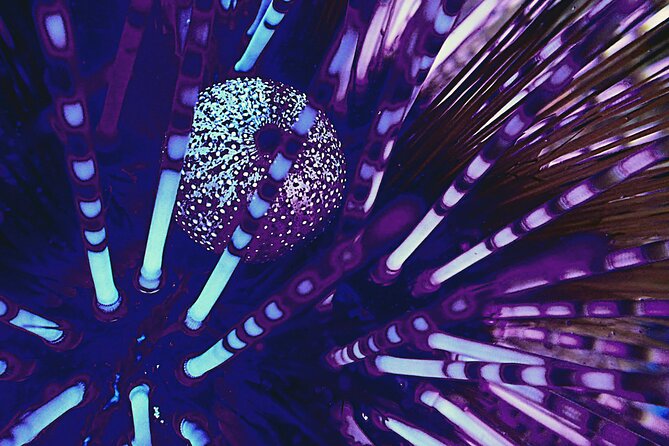
- 180 coral species fluorescent reaction: you’re not just seeing one or two glow spots
- Guides who explain what you’re seeing: you’ll learn coral and fish behavior as you snorkel
Fluorescent corals on Koh Phangan: what you’re really seeing
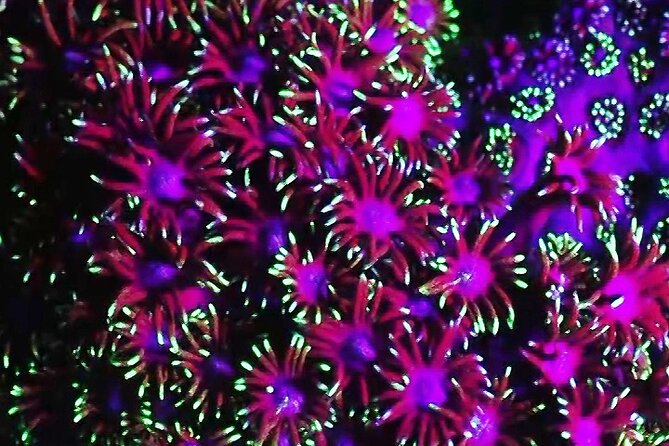
Fluorescent snorkeling sounds like something from a sci-fi movie, but the magic is simple biology and light. Many corals and reef animals absorb ultraviolet light and then re-emit it as visible color, so the reef can look like it’s lit from within. On Koh Phangan, this effect is especially fun because the activity happens at night, when the dark makes the UV colors stand out more.
What I like about this experience is that it’s not just “wave a flashlight and hope.” You’re given the right masks with yellow filters, plus the right ultraviolet lamps, so the fluorescent colors are more noticeable and the reef doesn’t turn into a confusing blur. You also get a white light for orientation, which helps you understand the reef structure first, then watch it change under UV.
The reef reaction is big on species diversity too. The tour uses ultraviolet light to make about 180 species of coral react, which is a lot of different textures and shapes to spot in one outing. That variety is what keeps your brain engaged instead of getting stuck on one repeated view.
You can also read our reviews of more snorkeling tours in Ko Pha Ngan
Gear fitting and briefing: the difference between seeing glow and squinting
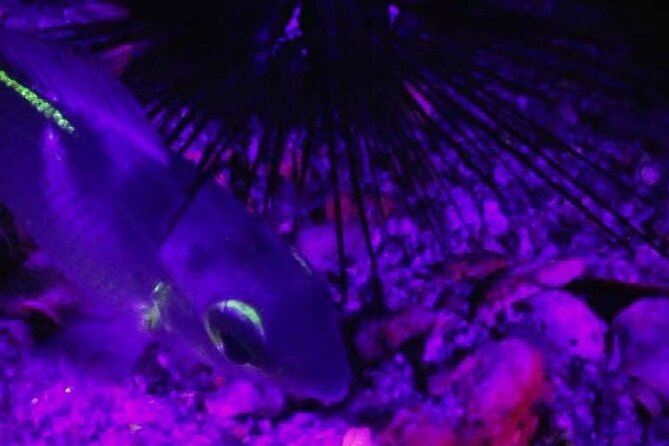
Before you hit the water, you’ll start with a practical gear setup. You’ll try your wetsuit, fins, and mask so your fit works for you. This matters more than it sounds. In night snorkeling, a mask that leaks even a little can get miserable fast, and fins that don’t match your comfort make it harder to stay close to the shallow reef.
Then comes the briefing. You’ll get guidance on corals and fish, what causes the fluorescent effect, how the gear works, and how to respect the marine environment. It’s also a chance to learn how to use the UV light without shining it everywhere and flattening the view.
The tour also provides extra professional gear for the actual glow phase. You’ll receive:
- a white light, to help you see the reef clearly at first
- an ultraviolet light, to trigger the fluorescence on corals and anemones
That two-step lighting approach is key. White light gives you landmarks. UV light is what produces the color shift. When you know what you’re looking at under UV, the glow feels like a discovery instead of random color.
Haad Yao Deuk at dusk: why the “secret beach” part matters
The snorkeling outing is staged from Haad Yao Deuk, described as a secret beach area. Whether you call it secret or just low-key, the point is the same: you start from a shore access spot that keeps the route simple and keeps you close to the reef.
You’ll head out together with your guide to the reef from that beach. The schedule starts at 5:30 pm, which gives you the best of both worlds: daylight fading for orientation, then full night conditions for the fluorescence to show well.
Here’s why I think this timing matters. Under UV, the effect is there whether it’s twilight or midnight, but your ability to see details depends on contrast. Night improves the contrast, while a fading light period helps you avoid feeling lost in the dark while you’re adjusting your gear.
Because the reef is close to the starting point, the water time is focused. You’re not spending half the tour swimming through open water. You’re reaching the reef zone and then spending your limited time on the color reveal.
The snorkeling route: shallow water, reef close to shore
Once you’re in, the plan is straightforward: you’ll stay in the shallow area, and you’ll snorkel with your guide to the best glowing spots. The reef is very close from the dive center and from the shore, which helps keep the activity relaxed and reduces the “how far is it?” stress.
The shallow-water setup is also a major value for most people. You don’t need advanced skills to enjoy it, because you’re not relying on complicated underwater navigation. You can focus on watching the corals and the anemones react as your UV light changes what the reef looks like.
You’ll see the reef in fluorescence using ultraviolet flashlights. The effect can show up as bright highlights on coral shapes, with some textures lighting up more than others. That variety helps you understand coral structure rather than just chasing the brightest patch.
One practical tip: keep your attention on what your guide is pointing out. With a UV light, it’s easy to drift into random scanning. The best views usually come when you stay on a reef section long enough to notice its pattern under UV after you’ve used the white light for orientation.
Marine life spotting: learning the reef while you swim
A big part of why this works is the guidance. The guides are there not only for safety and gear adjustment, but to help you connect the glow to real animals and reef behavior. You’ll get an explanation in the briefing about corals and fish, and then you’ll get help spotting what’s around you once you’re in the water.
In particular, the tour is set up to show you corals and anemones reacting to ultraviolet light. That combo is important because fluorescence isn’t just one “thing.” You’ll likely notice differences in how coral textures glow compared with anemones, which makes the reef feel more alive instead of just painted.
A nice bonus mentioned with this experience is that guides provide underwater videos of the outing. If that’s your style, it’s a helpful way to review what you saw when the night is over and your eyes are tired. It also gives you something to share beyond a few blurry phone shots in low light.






Price on Koh Phangan: is $62.73 worth it?
At $62.73 per person for about 2 hours, this isn’t a casual bargain-snorkel price. But it also isn’t just renting fins and hopping in. You’re paying for:
- the specialized UV lamps and masks with yellow filters
- a wetsuit and snorkeling gear setup
- guided night snorkeling to a specific reef-access point
- an explanation of what you’re seeing so you actually get the payoff
- the included white + UV lighting for the fluorescence reveal
That specialized lighting is the biggest value driver. Without it, most people would be lucky to see much fluorescence at all. With it, you’re paying for equipment and expertise to make the experience work as advertised.
Booking demand is another sign of value. On average, this is booked about 10 days in advance, which suggests people treat it as a must-do night activity rather than an impulse pickup. That doesn’t automatically mean it’s perfect, but it usually means the tour has a clear hook and dependable execution when conditions cooperate.
Weather and water clarity: the one thing you can’t fully control
Even the best UV gear can’t fix muddy water. Fluorescent snorkeling depends on your ability to see the reef closely and clearly, especially in shallow areas where contrast is everything.
So here’s the reality check: if the sea gets stirred up overnight or after bad weather, visibility can drop. If you’re someone who hates uncertainty, plan for a “weather happens” mindset. One reason this tour is worth booking anyway is that the operator’s approach includes checking conditions and not running when the water is unsuitable.
Still, you might have nights where the glow is there but less crisp. If you go with the right expectations, you can still enjoy the marine life spotting and the night atmosphere, even if the reef detail isn’t glassy.
Who should book this fluorescent snorkeling tour
This is a good fit if you want a night activity that feels different from typical Koh Phangan sightseeing. You’ll enjoy it most if you like hands-on gear, short guided routes, and learning what you’re seeing instead of just collecting photos.
It’s also a strong match if you want something accessible. The activity is described as practiced at night and accessible to all, with guides taking care of participants and helping you find the right equipment fit.
If you should be cautious:
- If you get seasick easily, remember this is water-based, and conditions can change.
- If you need perfect visibility to enjoy a snorkeling trip, you’ll want to keep an eye on weather and water conditions, because clarity is the make-or-break factor for the glow effect.
Booking and doing it right: small choices that improve your night
Here are the choices that tend to make the experience smoother.
- Arrive ready at the 5:30 pm start and expect a gear fitting and briefing before you’re on the water. In night activities, rushing is what makes people forget basic comfort steps.
- Dress for night humidity. You’ll be in a wetsuit, but the area around the beach and the walk/transfer timing can still feel cooler after sunset.
- Bring a flexible expectation about visibility. If the ocean is stirred up, don’t treat it as failure. Treat it as a different kind of night reef.
- Follow your guide’s lamp habits. The white light helps you locate the reef; UV shows the fluorescence. Use it in that order, and the colors make more sense.
Also note the group setup: it’s private, meaning only your group participates. That usually improves the experience because you get more direct attention while equipment is being fitted and you’re moving along the reef.
Should you book this Koh Phangan fluorescent snorkeling?
If you want the closest thing to a real-life glowing reef show on Koh Phangan, I’d say book it. The combination of UV flashlights, yellow-filter masks, shallow-water access, and a guide who helps you find the good parts makes this much more than a novelty activity.
I’d hesitate only if you’re highly sensitive to visibility changes. This isn’t a glass-bottom aquarium. Water clarity can vary, and muddy conditions can reduce reef detail. If you’re okay with that risk and you like learning while you snorkel, this tour is a smart use of an evening on the island.
If you can, choose a day when you expect calmer seas. Then go in curious, keep your light use intentional, and let the guide point you to what’s actually glowing.
FAQ
What time does the fluorescent snorkeling start?
The start time is 5:30 pm.
Where does the tour meet?
You meet at Blue Horizon, 125 Mae Haad, Tambon Ko Pha-ngan, Koh Pha-ngan, Surat Thani 84280, Thailand.
How long is the experience?
It’s about 2 hours (approx.).
Is it private or shared with other groups?
It’s private. Only your group participates.
What equipment do I get for fluorescent snorkeling?
You’ll be fitted with snorkeling gear and a wetsuit, and you’ll receive professional UV equipment including an ultraviolet light and a white light. You also use a mask with yellow filters to accentuate fluorescence.
Do I need to be a certified diver?
The activity is described as accessible to all and includes snorkeling gear for snorkelers. The experience mentions both divers and snorkelers, with guides handling the activity.
How does the fluorescence actually work?
Corals react naturally to ultraviolet light, producing a fluorescent effect that you can see during the night activity.
Will I snorkel in deep water?
No. You’ll stay in the shallow area, and the reef is close to shore.
What coral or reef life can I expect to see?
The tour states that around 180 species of coral react to the ultraviolet light, along with anemones.
What if weather is poor?
The activity requires good weather. If it’s canceled due to poor weather, you’ll be offered a different date or a full refund.