REVIEW · THAILAND
Chiang Mai : Paramotor Flyzone
Book on GetYourGuide →Operated by Flyzone Aviation · Bookable on GetYourGuide
A paramotor flight turns Chiang Mai into a bird’s-eye map. You get about 20 minutes in the air plus photo and video capture, and the view package is the point: rice fields, mountain lines, and temple scenery from above. The main thing to weigh is that the time aloft is short, so it’s best for people who want a quick, intense wow rather than a long outing.
Here’s what I like most: the setup feels organized (uniform and helmet are included), and the team manages the details so you can focus on the sky. One drawback to plan for is that weather can affect timing—on cloudier days, you may wait until visibility improves.
In This Review
- Key things to know before you book
- 20 Minutes Over Chiang Mai: What a Paramotor Flight Feels Like
- Sunrise or Sunset: Picking the Right Time Slot
- From Pick-up to Takeoff: The Flow of Your Half-Day
- What You’ll See Below: Rice Fields, Mountains, and Temples
- Photos and Video: Getting Memories Without Stress
- Safety, Weight Limits, and Who Should Skip It
- Price and Value: Is $112 for 20 Minutes Worth It?
- Small Things That Can Affect Your Day
- Should You Book Paramotor Flyzone in Chiang Mai?
Key things to know before you book
- 20-minute flight time with the focus on big views, not hours in a seat
- Sunrise or sunset options so you can match the lighting and your schedule
- Uniform, helmet, and accident insurance included for peace of mind
- Video and photo support during the flight, plus help coordinating your own camera
- Weight and age limits (max 95 kg; minimum age 4; not advised over 70)
20 Minutes Over Chiang Mai: What a Paramotor Flight Feels Like
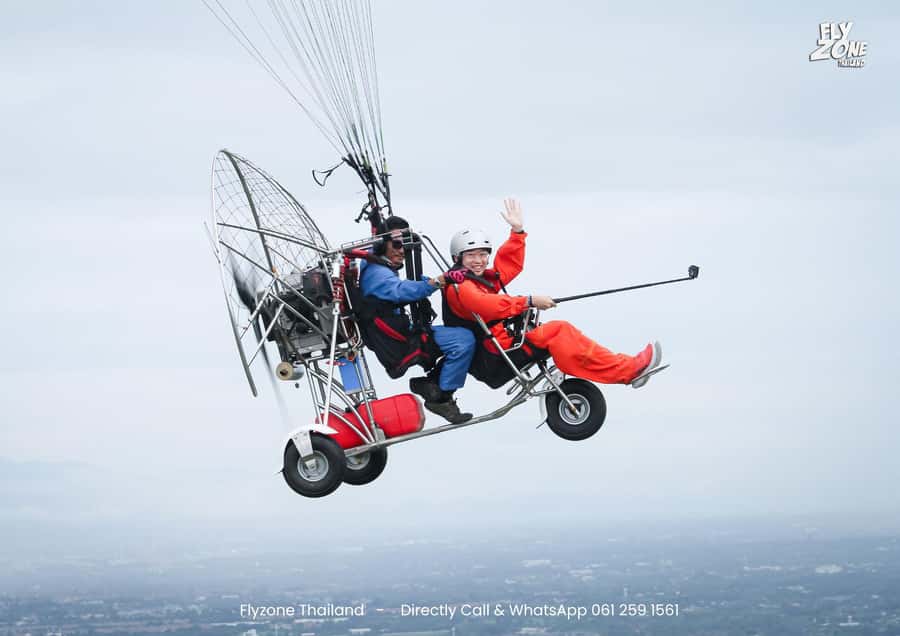
A paramotor experience is about power, control, and wow factor—more than just sightseeing. You’re not standing far back at a viewpoint; you’re literally flying above Chiang Mai while the pilot handles the motor and the path, and you get to enjoy the ride. Expect a tight window of time up in the air, usually around 20 minutes. Reviews and the schedule both hint that it can feel more like 15 to 20 minutes depending on conditions, so go in knowing this is a concentrated taste of flight.
The included helmet and uniform are practical. They’re not there for show; they help you feel like the experience is taken seriously, and they make the whole thing feel more “guided” than casual. Also, accident insurance is included, which matters when you’re dealing with anything airborne.
If you’re the type who worries about getting everything right—camera angles, where to look, what to expect—this activity is set up to reduce that stress. The pilot and team guidance is a big part of the value, because you want to spend your attention on enjoying the views, not figuring out what you’re supposed to do next.
You can also read our reviews of more tours and experiences in Thailand.

Sunrise or Sunset: Picking the Right Time Slot
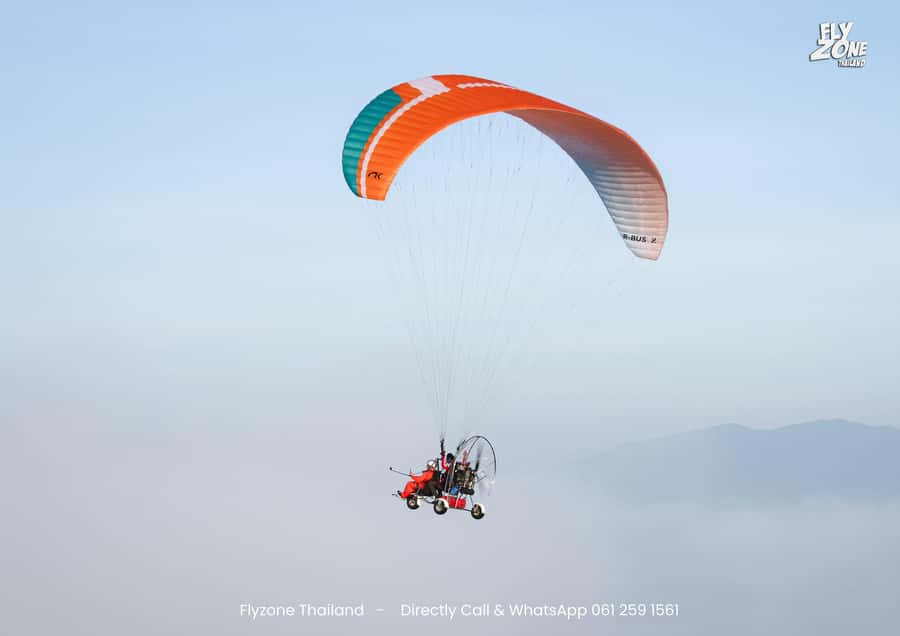
Chiang Mai air can look different depending on the light, and this activity gives you a real choice: go in the morning or go at sunset. The sunset option tends to earn extra enthusiasm, mainly because the lighting tends to flatter the terrain and makes the colors feel more dramatic. If you’re someone who likes golden-hour views—temples, ridges, and fields showing off shape—sunset is often the safer bet.
Morning flights can be great too, especially if you prefer calmer vibes and don’t want to build your whole day around late timing. Morning also has a habit of feeling crisp in the air, which can be a plus if you like sharper detail in photos.
One more thing: timing on the ground isn’t always perfectly instant. Cloud coverage can change plans, and you may wait until conditions are good before takeoff. That doesn’t mean the experience falls apart—it just means you should plan for a little flexibility, especially if you’re sensitive to schedules.
From Pick-up to Takeoff: The Flow of Your Half-Day
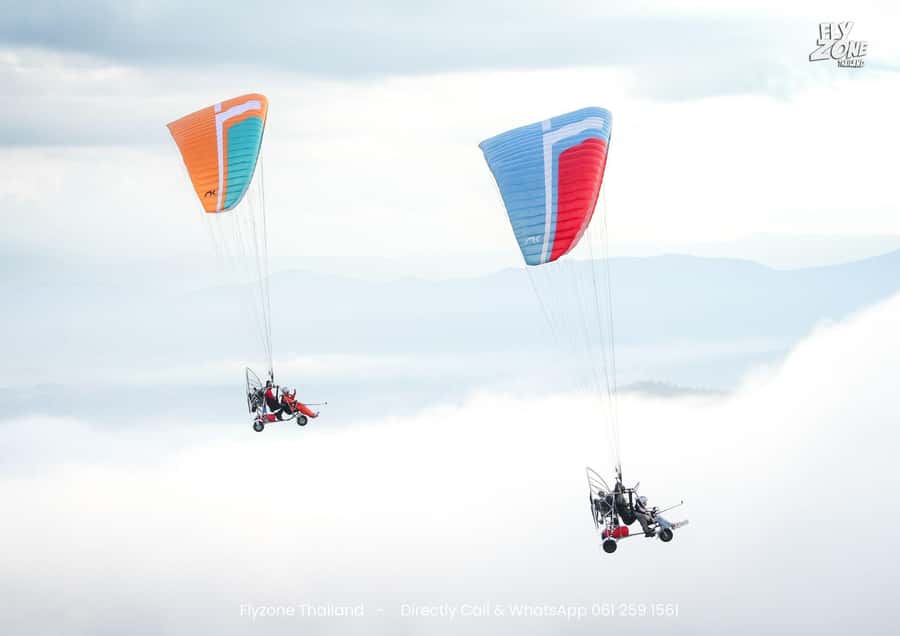
You’ll start with pickup included, and you can also have arrangements to meet at one of the FlyzoneThailand / Paramotor เชียงใหม่ & Light Aircraft locations. You’ll want to tell them where you’re being picked up, because that drives the routing. In practice, the ride matters: the team generally aims to get you to the launch area without turning it into a scavenger hunt.
Once you arrive, the next steps are about getting you ready and staying safe. Since helmet and uniform are included, you don’t need to bring gear to get started. From there, you can expect a briefing and a setup moment before you fly—enough direction so you understand what to do with your body and how to handle the experience.
Then comes the waiting period, if there is one. Cloud and visibility issues can delay takeoff. When that happens, plan to be patient. It’s better to wait a bit than rush into a flight where the view isn’t right.
When you finally launch, you’ll notice how the pilot’s job is to keep things smooth and controlled. Your job is basically to enjoy it. And because the flight is short, you’ll start to see the terrain quickly—so don’t spend the first minute worrying about photos. Look first, then shoot.
What You’ll See Below: Rice Fields, Mountains, and Temples
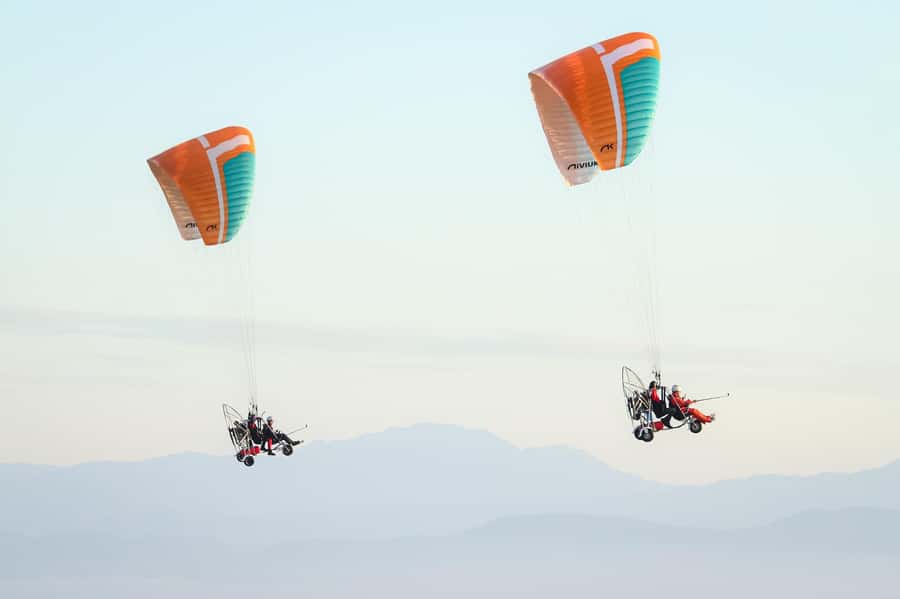
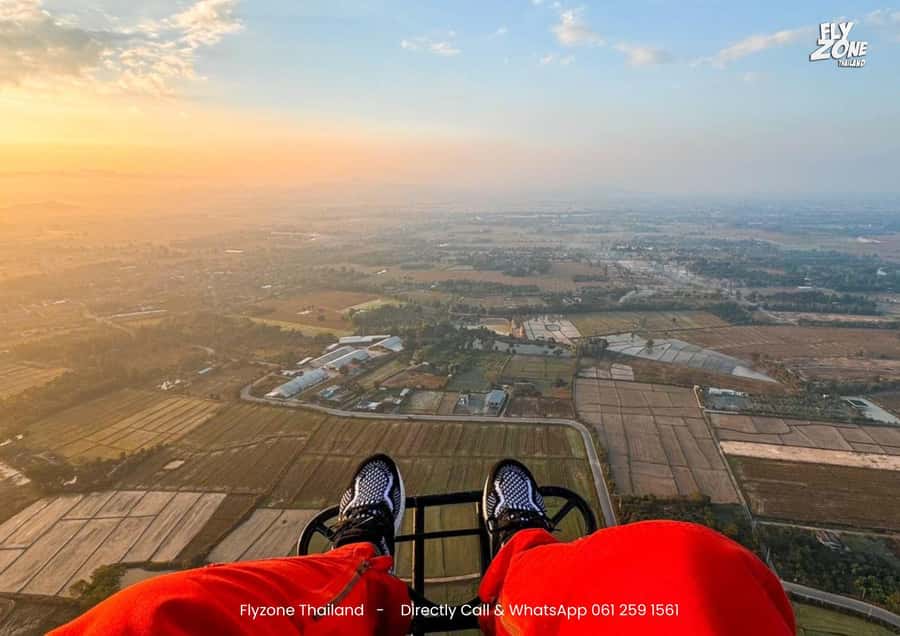
This is the real reason to book. The flight route is designed around big visual categories: rice fields, the mountain range, and the historical temple area. Even with a short time aloft, the views have enough variety to feel like more than one “scene.”
Here’s how to think about what you’ll see:
- Rice fields: In Chiang Mai, patchwork farmland gives the sky a quilt-like pattern. From above, you can read the shapes of field boundaries and irrigation lines faster than you ever could from a road.
- Mountain range: The ridges give you depth. You’ll see layers of terrain, and that “distance stack” is what makes aerial views so addictive.
- Historical temple scenery: Temples look iconic from the air because their shapes are clearer in the context of surrounding streets and vegetation.
A practical tip: if you get fixated on one perfect photo, you can miss the sweep of the entire route. The best strategy is to pause for a view moment, then switch back to camera mode. The pilot and attendants may remind you to keep photographing after they confirm you’re settled, and that back-and-forth helps you end up with more usable footage than you might expect.
If you bring your own camera, that’s allowed. People have said they were able to use their own phone/camera, while the team also captured their own angles for you.
Photos and Video: Getting Memories Without Stress
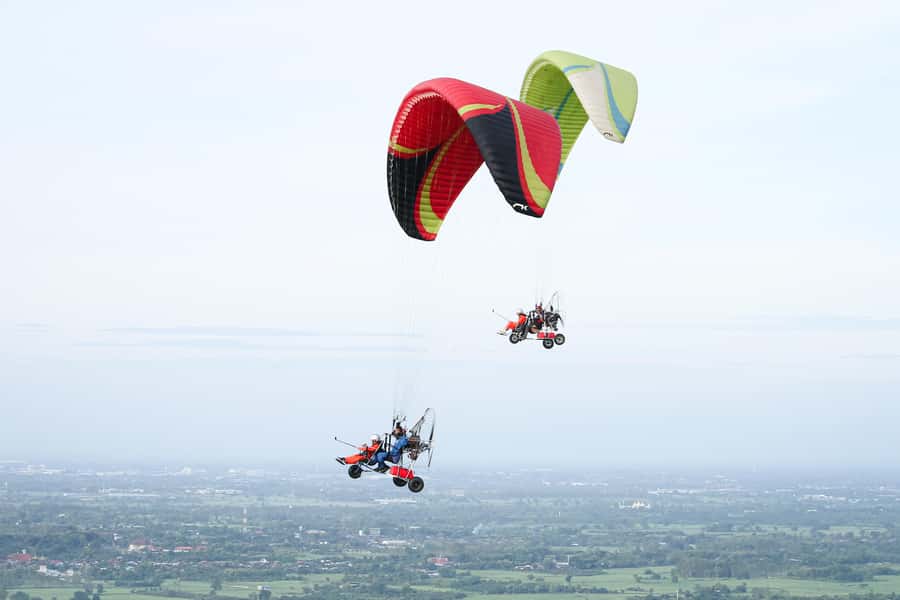
A paramotor flight can be hard to document because you’re doing two jobs at once: experiencing the moment and trying to film it. That’s where the included video and photo capture becomes a huge part of the value. You’re not betting everything on your own shaky hands or a missed moment.
Many operators also provide a camera setup (often described as a GoPro-style approach in this case), so you may get additional footage from their side. What you can do with your own camera matters too. In practice, the team generally works with what you’re using and helps you capture more.
What I like about this arrangement is that it reduces regret. Even if you spend the first half of the flight staring instead of recording, you still end up with output from the team. And if you do record yourself, you get the best of both angles.
Just know the flight is about 20 minutes, so the memory harvest has to happen fast. The good news is you’ll feel the rhythm—launch, scenic pass, then descend—without getting bored.



Safety, Weight Limits, and Who Should Skip It
If you’re considering this, read the constraints closely. This activity has clear boundaries:
- Minimum age: 4 years old
- Not advisable: over 70 years old (and seniors/pregnancy are not recommended)
- Maximum weight: 95 kg / 209 lbs
They also note you shouldn’t participate if you’re pregnant. And alcohol and drugs aren’t allowed, which is exactly what you want for an airborne activity.
So who is this best for? It’s a good fit if you’re:
- healthy enough to follow basic safety instructions
- comfortable with a short ride where the pilot handles controls
- interested in aerial views rather than a deep, slow tour
Who should think twice? If you’re over the weight limit, under 4, or you fall into the not-recommended groups, don’t force it. This isn’t about being brave—it’s about being safe and respectful of the rules.
Also, keep in mind that older participants and people with mobility challenges may find it less comfortable than they expect, mainly because you’ll be getting suited up and moving around during pickup and setup. Nothing dramatic is described, but the nature of flight prep makes comfort matter.
Price and Value: Is $112 for 20 Minutes Worth It?
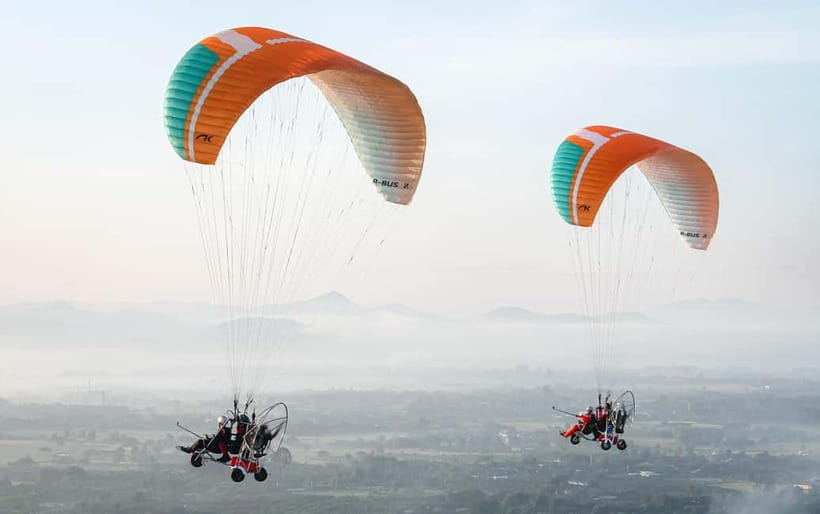
At $112 per person for a flight lasting about 20 minutes, you’re paying for three things at once: the flight itself, the safety gear and insurance, and the fact that the team captures photos/video so you don’t have to nail every shot yourself.
Is it expensive? For some budgets, yes—because you’re not buying a long guided day. But value in this case is about intensity. You’re getting a rare aerial view of Chiang Mai’s mix of farmland, mountains, and temple scenery. Most people can visit temples and walk streets. Very few get to see the terrain in that layered, overhead way.
Also, the included support matters. Pickup is included, and you don’t have to figure out local transport to the launch area. Then you add the photo/video deliverables, plus helmet and uniform. When those pieces are included, the cost starts to make more sense compared with activities where you pay separately for gear, transport, and media capture.
My rule for deciding: if you want a quick memory with a big “how did they do that?” factor, this is a solid match. If you want a half-day of guided narrative, this won’t feel like that. It’s short on purpose.
Small Things That Can Affect Your Day
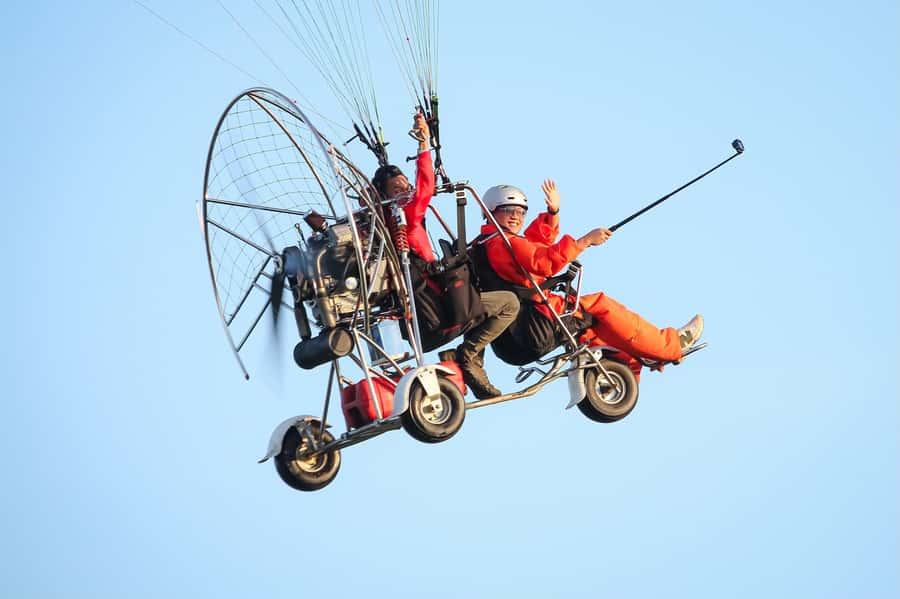
A few practical points can change your experience even if you do everything right.
First is weather and cloud coverage. If visibility is limited, takeoff can shift. That’s not a deal-breaker, but it means you shouldn’t schedule a tight, back-to-back plan immediately after your slot. Build in breathing room.
Second is pickup reliability. Pickup is included, and the team generally handles it well. Still, one low moment in the feedback mentions a missed pickup when someone arrived early. That’s not something you should assume will happen—but it is a reminder to confirm your pickup time and location clearly the day before.
Third is your camera plan. It’s fine to use your own device, but don’t rely on it alone. Let the team’s media capture do part of the work. Then you can focus on enjoying the view instead of chasing the perfect angle.
Should You Book Paramotor Flyzone in Chiang Mai?
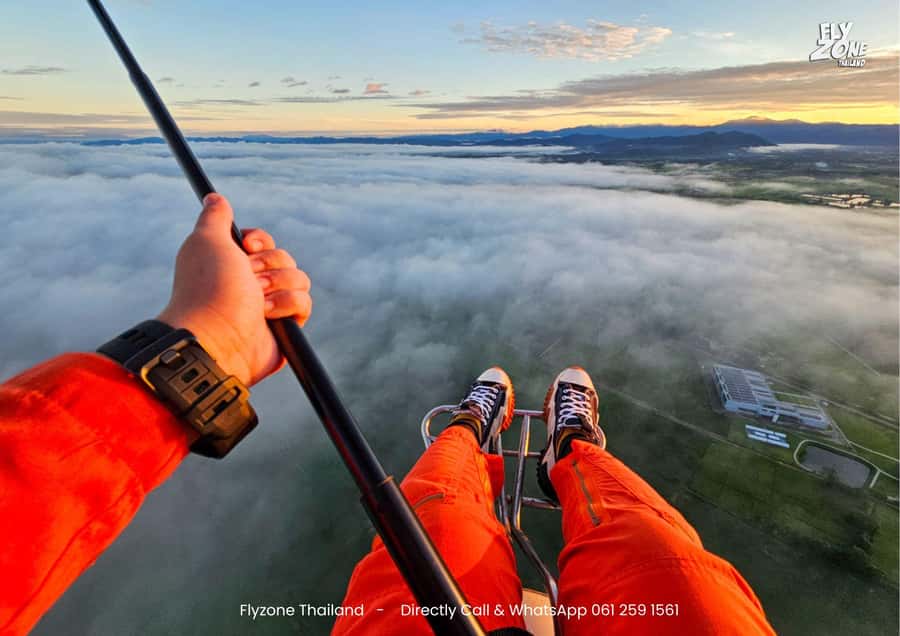
I’d book this if you want a memorable aerial view without turning it into a complicated project. The combo of helmet and uniform, accident insurance, pickup included, and video/photo capture makes it feel like a well-run, straightforward experience. If you’re choosing between times, I’d lean sunset if you love dramatic light and want the most praise-worthy option.
Don’t book it if you’re outside the age/weight limits or if you’re in a group where the activity is not recommended. And if you hate schedule uncertainty, go in with a flexible mindset because weather can adjust timing.
If you like your travel with a little courage and a lot of view—this is one of those Chiang Mai activities that turns the sky into the main attraction.