REVIEW · CHIANG DAO
Chiang Mai: Full-Day Chiang Dao Caving & Jungle Kayaking
Book on GetYourGuide →Operated by CHIANG MAI MOUNTAIN BIKING & KAYAKS · Bookable on GetYourGuide
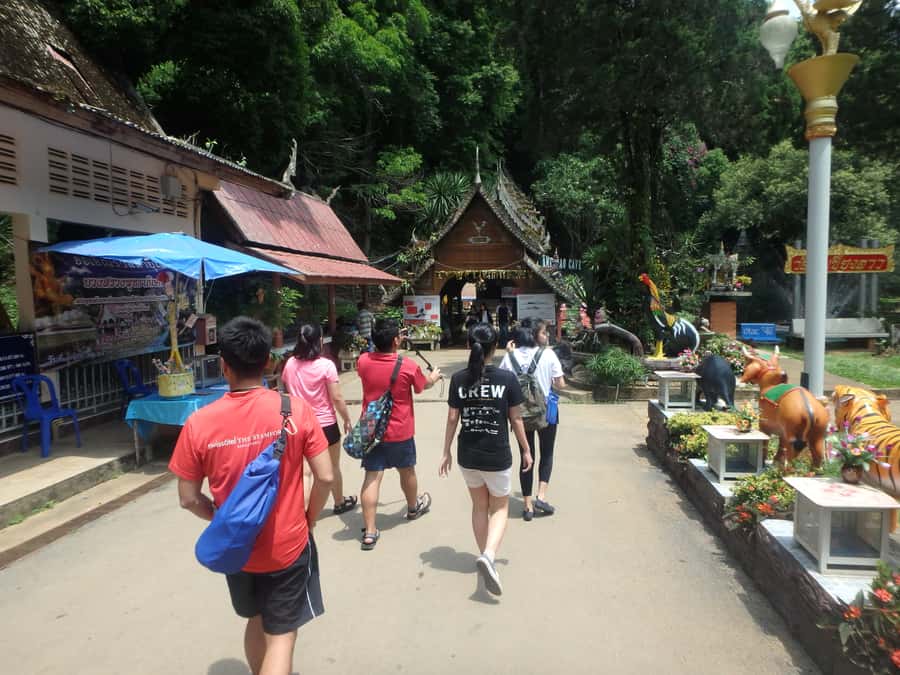
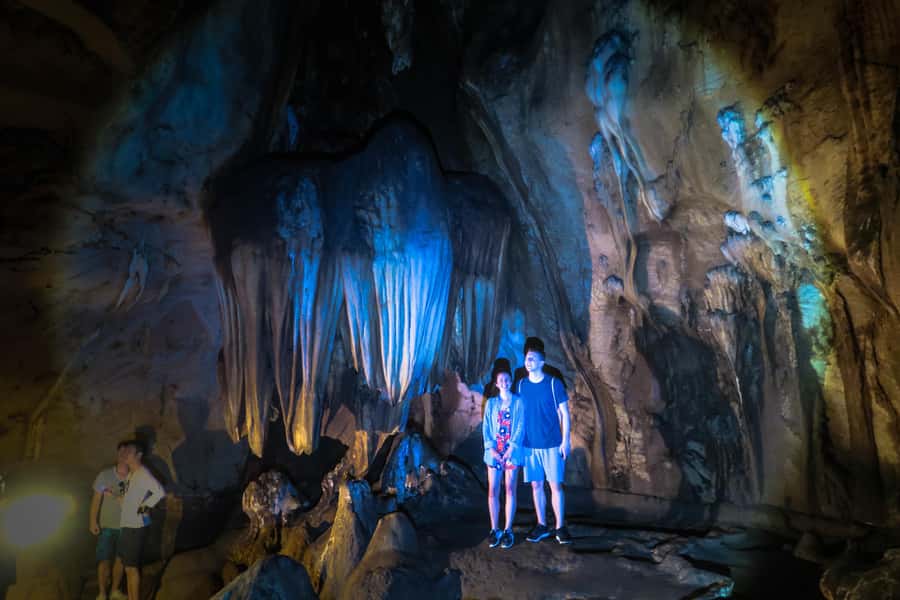
Chiang Dao is where a day trip turns real. You’ll go headlamp caving with a local guide, moving from darker side passages into brighter caverns—then spotting temple shrines right at the cave entrance. The whole feeling is part history, part wild nature, and part spooky-fun (in a good way).
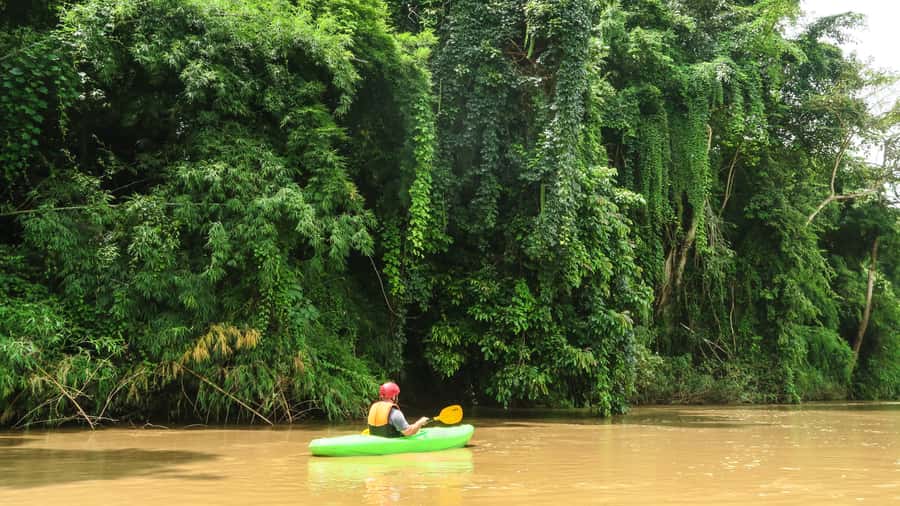
The other half is why I keep recommending this combo: Mae Ping jungle kayaking. You paddle through bamboo and shady overhanging trees, with birds calling overhead and the river feeling untouched, not like a theme-park “tour river.” It’s the kind of outdoor calm you don’t get inside Chiang Mai.
One consideration: the cave has areas that can feel tight and humid. If enclosed spaces freak you out, plan to stay flexible and follow your guide’s pacing.
In This Review
- Key points I’d bet you’ll care about
- Getting to Chiang Dao: a long-but-worth-it jungle day from Chiang Mai
- Before you paddle: briefing, kayak setup, and the wet-clothes reality
- Mae Ping River kayaking: bamboo jungle calm with occasional challenges
- Chiang Dao Cave with headlamps: temple shrines, tight passages, and animal life
- Midday breaks near Chiang Dao: photo stops, swimming time, and wildlife spotting
- Lunch at a cave-side restaurant: vegetarian and vegan options that actually help
- Price and value: what $80 covers (and what to budget for)
- Who this tour fits best (and who should think twice)
- My booking verdict: should you book Chiang Dao cave plus jungle kayaking?
- FAQ
- How long is the Chiang Dao Cave and jungle kayaking tour?
- Where are the pickup options?
- What’s included in the price?
- Are vegetarian or vegan meals available?
- Do I need to pay river fees?
- Do I need to bring my own water shoes?
- What should I bring besides my camera?
- Is there a minimum age?
- Is the tour suitable for wheelchair users or mobility impairments?
- What languages are the guides/instructors?
- What’s the cancellation policy?
Key points I’d bet you’ll care about
- Headlamp cave tour led by a local guide, including temple shrines at the entrance
- Single or double hard-shell kayaks plus a real safety briefing before you hit the water
- Mae Ping River paddle through bamboo jungle, with wildlife sounds and fish sightings mentioned often
- Lunch included at a cave-side restaurant, with vegetarian and vegan options available
- Support truck + luggage storage and shuttles that reduce stress between stops
- Transport quality can vary; most rides are described as comfortable, but a few reports mention a rougher, open-back style truck
Getting to Chiang Dao: a long-but-worth-it jungle day from Chiang Mai
This is a full-day excursion, around 9 hours, built around two big hits: Chiang Dao Cave and kayaking on the Mae Ping River. The drive starts in/near Chiang Mai, then climbs you toward the Northern Thai jungle and the Chiang Dao Valley. Expect a stretch of time in a vehicle—people often treat that time like part of the day, not wasted time.
Most departures include air-conditioned transfers (van or 4×4 SUV), and you’ll likely get a comfortable ride. Still, a couple of past guests described being in an open-back pickup/truck setup with benches and no windows. If you’re prone to motion sickness, bring a small comfort kit (a snack, water, and a way to block glare) and go in with eyes open.
Because the schedule packs in cave time, lunch, and then river time, the “travel” chunk matters. The benefit is that you don’t have to rent a scooter, map roads, or figure out logistics between the cave and the river access point. The trade-off is you’re committed to the day’s rhythm.
You can also read our reviews of more tours and experiences in Chiang Dao.
Before you paddle: briefing, kayak setup, and the wet-clothes reality
Right before kayaking, you get a safety briefing (about 20 minutes) and then you’re fitted with your kayak—single or double, depending on what you book and what’s available that day. The tour also includes a first aid and CPR certified guide, which is a comfort factor when you’re heading into uneven river sections and branches.
Here’s the practical bit: you will get wet. Bring a change of clothes, and wear shoes you don’t mind getting wet. If you forgot water shoes, one review notes you can rent them at the activity office, but don’t count on it as your only plan.
Also, keep your towel and drying routine simple. One family mentioned bringing small towels, which made the post-kayak change-over much easier. That’s a tiny tip, but it saves time and keeps you from spending the ride back damp and miserable.
You’ll also have a shuttle from the cave to the river, plus a support truck for assistance and luggage storage. That matters because it keeps you from dragging bags between locations and reduces the “where’s my stuff?” stress. You’ll still want to keep your valuables sealed and dry-proof as much as possible.
Mae Ping River kayaking: bamboo jungle calm with occasional challenges
The kayaking portion is designed to feel close to nature, not staged. You paddle along a creek-like stretch of the Mae Ping River, winding through bamboo jungle with overgrown banks, fallen trees, and shade from overhanging branches. It’s a “look around” trip as much as a “push forward” trip.
Wildlife is part of the soundtrack. Reviews mention abundant bird life, fish jumping, and mysterious sounds from the forest. You’re not just moving through scenery—you’re noticing it. If you pause to watch a bird flit across the branches, you’ll often see the river world keep going like normal, even while your group is passing.
Distance and feel: some guests describe around 12 km, others around 15 km, which gives you a good expectation of a half-day paddle that’s long enough to feel like an outing but not a full-on multi-hour grind. Multiple comments also describe it as beginner-friendly, with guides helping you steer and manage turns around river edges.
The river isn’t totally frictionless. A few notes mention avoiding branches close to the sides and handling turning carefully. One incident described capsizing after misunderstanding steering instructions near a small waterfall, with rescue arriving quickly and efficiently. The bigger takeaway for you: listen to the guide’s steering cues, especially near the end of the trip.
Chiang Dao Cave with headlamps: temple shrines, tight passages, and animal life
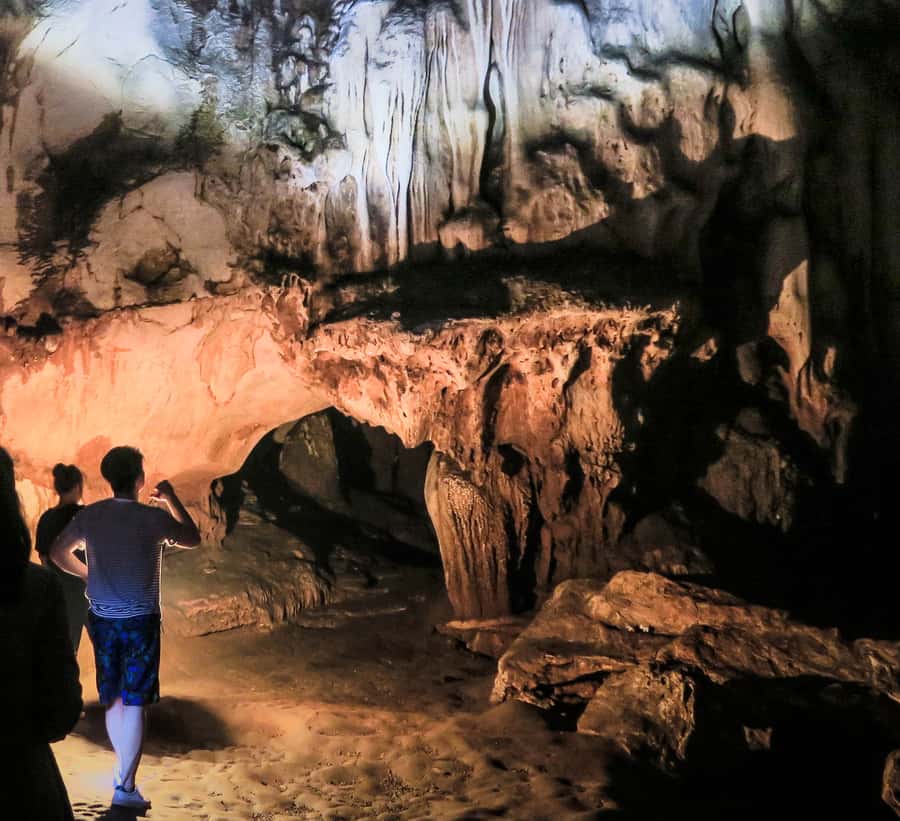
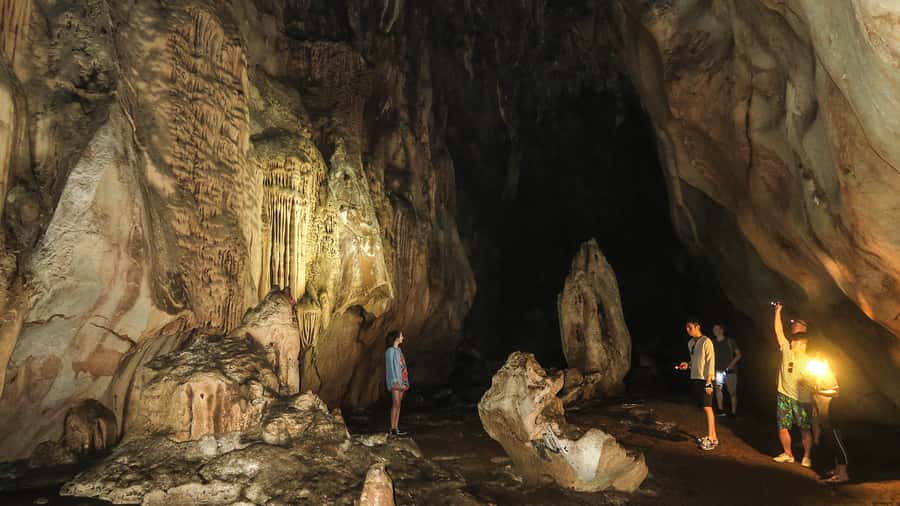
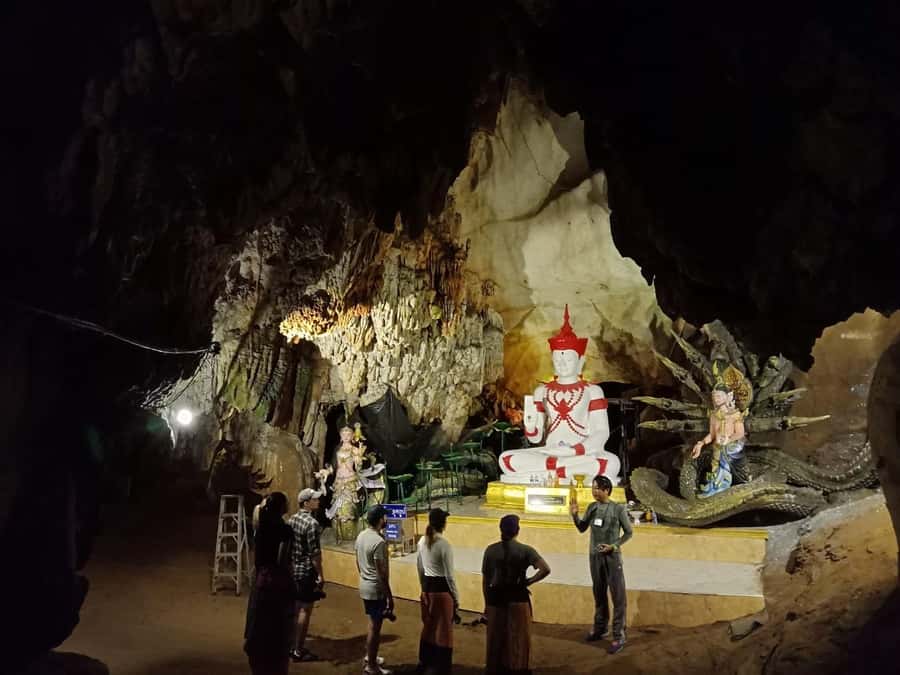
Chiang Dao Cave is the main reason many people come out to this region. The experience starts with a local guide meeting you at the cave, then you enter with headlamps and flashlights. The tour format is built around you following the guide through side arms for about an hour before joining the main route into better-lit caverns.
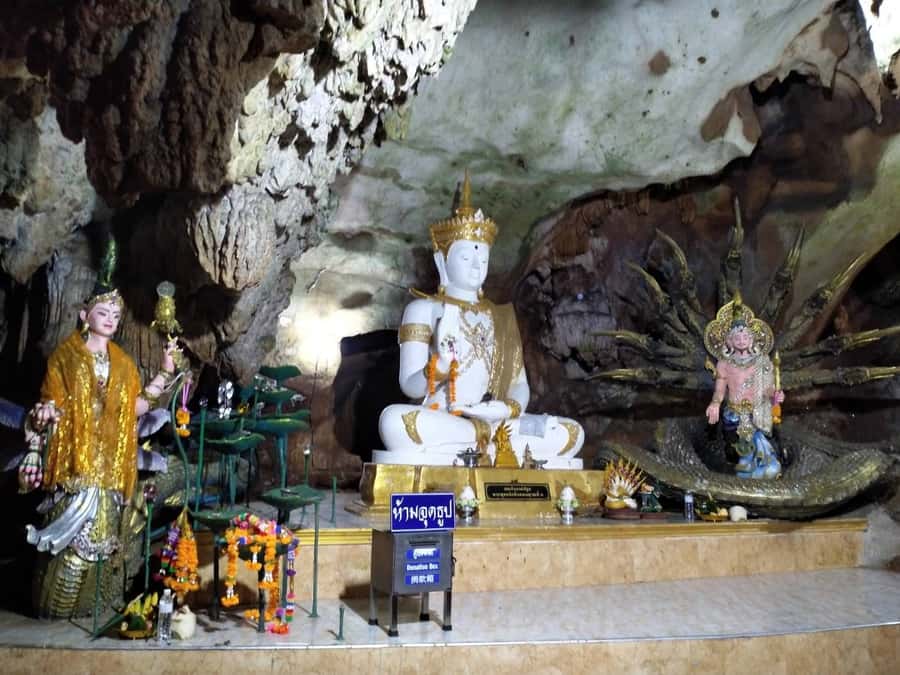
What makes it memorable is the mix of natural shapes and sacred touches. You’ll see Buddhist shrines covering the entrance, and the guide points out details you’d miss on your own—especially the small tells of how people and nature share the same space underground.
Now, the cave has a real mood: warm and humid. One review also warned about modest clothing because the cave is a temple space. Women may need to cover their legs; pants are mentioned as being provided free of charge. If you’re sweating easily, plan for that. Lightweight clothes that dry fast are your best friend.
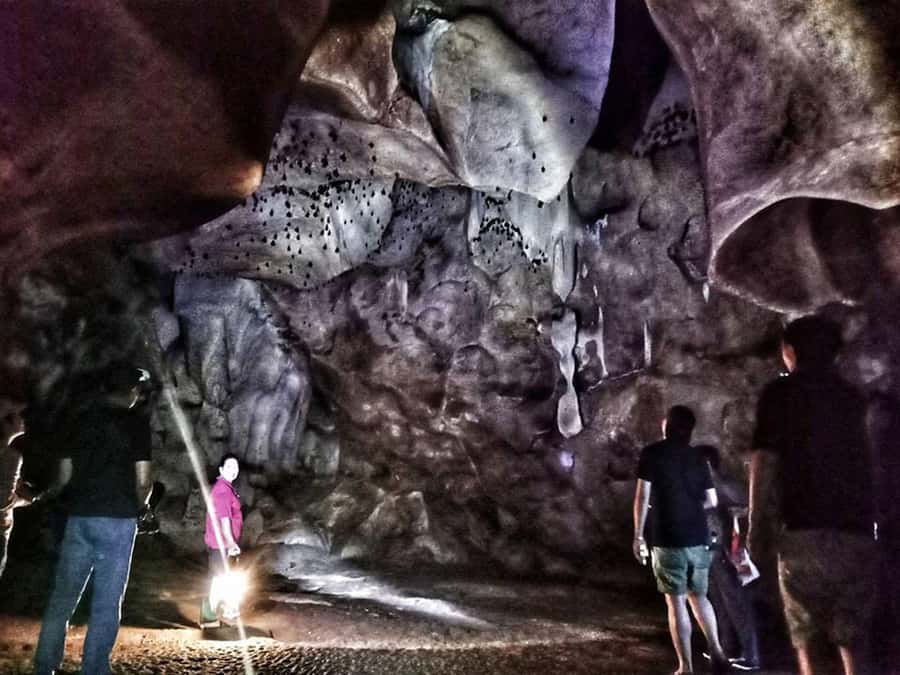
Expect animal life too. Reviews mention bats, spiders, crickets, and even a snake. If bugs freak you out, you’ll probably still be able to handle it—but it helps to go in mentally ready for the cave’s full ecosystem, not a sterile museum set.
One more thought: the cave includes some tight sections. One guest suggested it might not be ideal if you dislike small spaces. You don’t need to panic—just go slowly, keep your body within the guided flow, and trust the guide to route you safely through narrower passages.
Midday breaks near Chiang Dao: photo stops, swimming time, and wildlife spotting
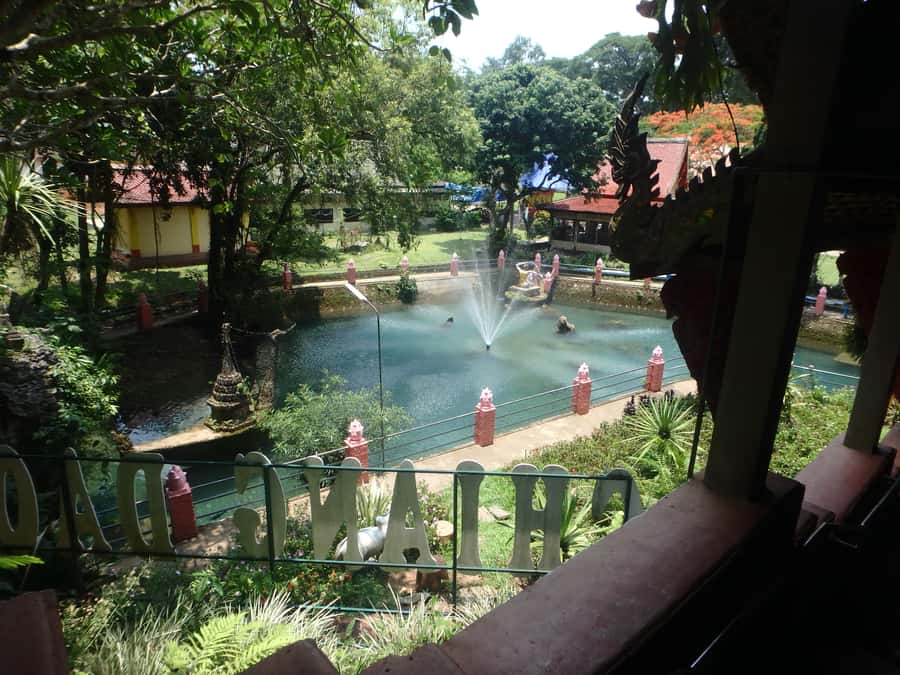
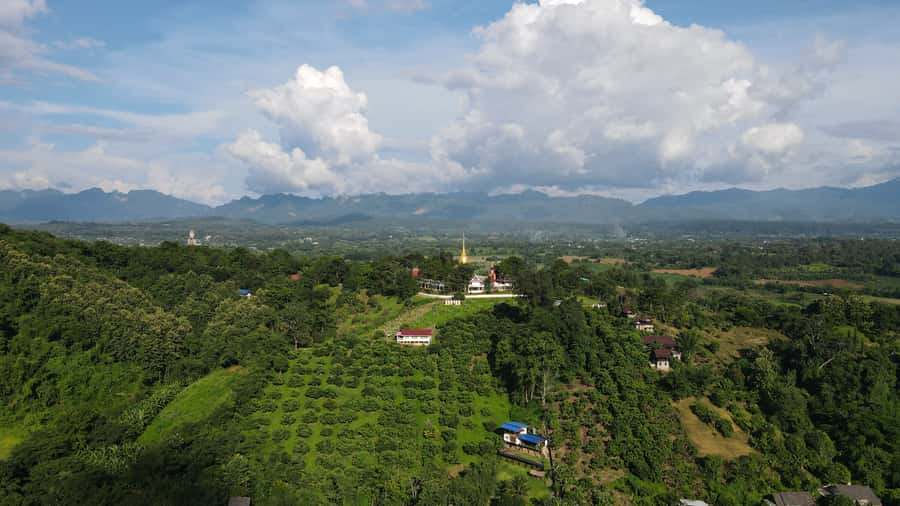
Between cave and kayaking, the day includes a stop at a place near the Chiang Dao camping area (บ้านสวนสายหมอก). This portion includes photo stops, scenic views on the way, and time for wildlife viewing. Some guests also mention swimming here as part of the break.
This is the part where you reset. Your body will be damp from caving (humidity is real), and then you’ll be damp again after kayaking. A controlled break helps you change clothes properly and refuel before you paddle.
Also, you get a bit of the mountain atmosphere around Chiang Dao. Even if the main draw is cave + river, this stop gives you a “Northern Thailand outdoors” feel: open air, views, and the sense that you’re far from the city noise.
Lunch at a cave-side restaurant: vegetarian and vegan options that actually help
Lunch is included (about 45 minutes) and served at a cave-side restaurant. The menu isn’t detailed in the info you provided, but you do have a clear promise that vegetarian and vegan options are available. If you have diet needs, you should advise the operator at booking.
Taste notes in reviews are mostly positive—described as delicious by many. One person called out that their Pad Thai wasn’t as strong as they hoped, and they suggested offering more simple stir-fry options. That’s the kind of feedback you can use: don’t assume every meal will match your favorite Thai dish.
But overall, I’d treat lunch here as functional fuel, not a food-tour centerpiece. You’re heading into a second active segment (kayaking), so your best move is to eat steadily and save your judgment for later.
Price and value: what $80 covers (and what to budget for)
At about $80 per person, this tour costs less than many “single activity” days once you total gear, guides, entry, and transport. Here’s what’s included in the price package you should mentally map out:
- Cave entry for Chiang Dao Cave
- A guided cave tour with headlamp and a local cave guide
- Kayak (hard-shell single or double)
- Kayak briefing and enough support to keep you safe
- Lunch at a cave-side restaurant
- Air-conditioned van or 4×4 SUV transfers (plus shuttles between stops)
- Water provided
- Support truck for assistance and luggage storage
What’s not included matters for planning:
- Insurance/river fees (150 baht)
- Outdoor gear like sunscreen, repellent, and water shoes (though water shoes may be available to rent)
Also, you should bring a change of clothes. That’s not optional if you want the day to feel good instead of miserable.
If you want a simple value test: if you’d otherwise pay for cave access, a professional guide, kayak rental, and transportation between two distant nature stops, this price looks pretty fair. The biggest “hidden” cost is your own comfort items (water shoes, repellent, sunscreen) if you don’t already have them.
Who this tour fits best (and who should think twice)
This is a solid match for people who want both culture and nature in one day: temple cave exploration plus river time through bamboo jungle. It also suits first-time kayakers, based on multiple accounts describing beginner-friendly conditions and active guide support.
Minimum age is 8 years, and children must be accompanied by an adult. Unaccompanied minors aren’t allowed. One more limit that’s important: this tour isn’t recommended for mobility impairments or wheelchair users due to uneven surfaces and moderate walking.
If you have balance issues, take that seriously. Caving involves moving through cave terrain, and kayaking involves navigating around branches close to the water edge. You don’t need to be an athlete—but you should be comfortable with active movement and getting wet.
Finally, consider temperature and clothing. The cave is warm and humid, and the temple setting calls for modest dress. Wear clothes that you can stand to sweat in, then rinse off later.
My booking verdict: should you book Chiang Dao cave plus jungle kayaking?
Yes, you should book—if you’re looking for an actual adventure day, not just a sightseeing checklist. The best parts are the mix: headlamp cave exploration with temple details, then Mae Ping kayaking through jungle shade where wildlife is part of the experience.
Skip or reconsider if you strongly dislike tight cave passages, or if you need a fully accessible route and seating. Also think twice if you know you react badly to bumpy rides, since transport experiences can vary.
If you go in prepared with a change of clothes and shoes that can get wet, you’ll likely feel like the $80 buys you two memorable nature experiences plus guides who keep things organized and safe.
FAQ
How long is the Chiang Dao Cave and jungle kayaking tour?
It runs about 9 hours total.
Where are the pickup options?
You can be picked up in Chiang Mai or Chiang Dao.
What’s included in the price?
Included items cover transfers (air-conditioned van or 4×4 SUV), kayak and briefing, lunch, water, Chiang Dao Cave entry, a headlamp, a local cave guide, and support truck assistance with luggage storage.
Are vegetarian or vegan meals available?
Yes. Vegetarian and vegan options are available for lunch.
Do I need to pay river fees?
No, river fees/insurance are not included. The river fee mentioned is 150 baht.
Do I need to bring my own water shoes?
Outdoor gear like water shoes isn’t included. You should bring what you need or plan to purchase/rent items where available.
What should I bring besides my camera?
Bring a change of clothes. Also plan on wearing shoes you don’t mind getting wet.
Is there a minimum age?
Yes, the minimum age is 8 years, and children must be accompanied by an adult.
Is the tour suitable for wheelchair users or mobility impairments?
No. Uneven surfaces and moderate walking make it not recommended for people with mobility impairments or wheelchair use.
What languages are the guides/instructors?
The tour is listed with English, German, and Thai.
What’s the cancellation policy?
Free cancellation is available up to 24 hours in advance for a full refund.