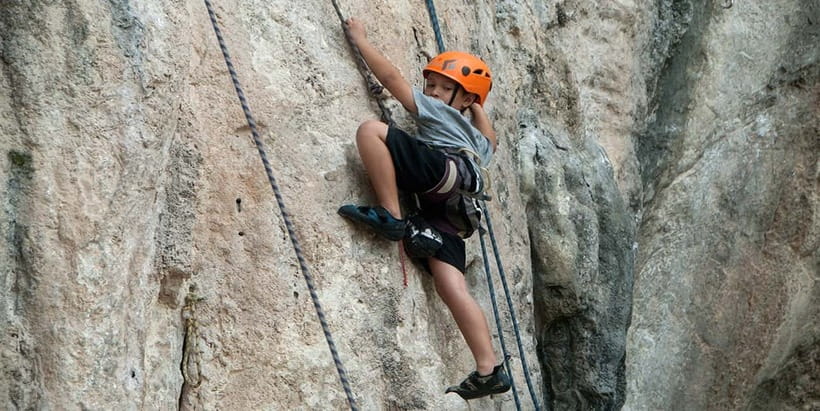
REVIEW · NORTHERN THAILAND
Afternoon Course – Shaolin Kung Fu Training
Book on Viator →Operated by Nam Yang Kung Fu Retreat Day Courses · Bookable on Viator
Training kung fu in the mountains feels different. You’ll spend three focused hours on Shaolin-style kung fu and qigong-inspired breathwork, then finish with a healthy organic dinner. It’s a solid pick if you want mind-body work without needing a long-term commitment.
Two things I really like: the class is structured for beginners, and you get access to a well-equipped gym (more than just a few practice mats). One thing to consider is that this is still physical training, so you’ll want a moderate fitness level and be ready to stretch, drill, and move.
In This Review
- Key highlights worth planning for
- First impressions: the “retreat day course” setup
- Your timeline from warm-up to organic dinner
- 3:30 PM arrival and orientation
- The first hour: warm-up and stretching (don’t skip this feeling)
- The technical session: routines, weapons, and fighting fundamentals
- Mid-lesson tea break
- 6:00 PM dinner: fresh organic food from the gardens
- What you’ll actually learn (and why it helps, not just impresses)
- Breathing and qigong-style principles
- Emotional control and mindset
- Weapons, pushing hands, and why they’re included
- The gym: more than props for photos
- Who this is best for in real life
- Names, authenticity, and the human part of training
- Price and value: where your $33 goes
- Practical tips before you go
- Should you book the afternoon Shaolin Kung Fu course in Pai?
- FAQ
- How long is the afternoon Shaolin Kung Fu training?
- What time does the training start, and when is dinner served?
- Where does the course take place?
- Is accommodation included?
- Are training uniforms included?
- Is it refundable if I cancel?
Key highlights worth planning for
- Shaolin-style focus in Pai’s mountain setting, with the retreat vibe that makes it feel like more than a quick lesson
- Real training time, starting with a long warm-up and stretching before technical work
- Breathing and emotional control, not just punches and kicks
- Weapons + partner skills, including practice on routines, Shaolin weapons, and pushing hands
- A gym that supports progression, with equipment like punch bags, kicking dummies, rings, and more
- Organic garden dinner at the retreat, using ingredients grown on-site
First impressions: the “retreat day course” setup
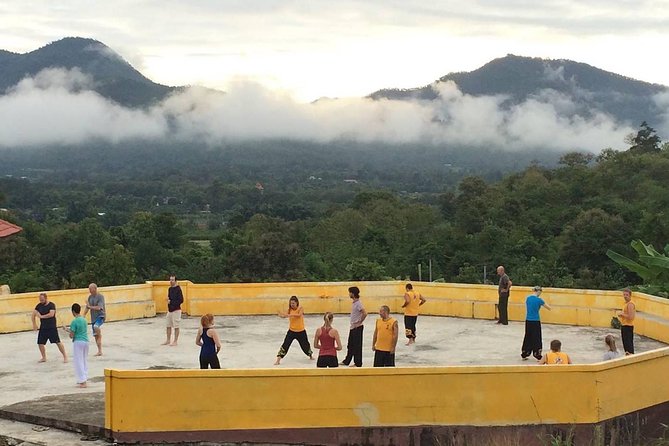
This isn’t a big city gym class. It’s an afternoon program held outside Pai at Nam Yang Kung Fu Retreat, where the training happens in a calm mountain environment. That setting matters because kung fu and qigong aren’t only about technique. You’re also learning how to control your attention and your body.
The training runs about three hours, starting at 3:30 PM. Plan to arrive around five minutes early so they can get you oriented. With a maximum of 40 people, the group size stays manageable for a day course.
The price is $33 per person, which is easy to justify when you look at what’s included: gym access, tea time, and dinner from the retreat gardens. Also, the program has been running since the school opened in 2008, so it’s not a random one-off workshop.
You can also read our reviews of more tours and experiences in Northern Thailand.


Your timeline from warm-up to organic dinner
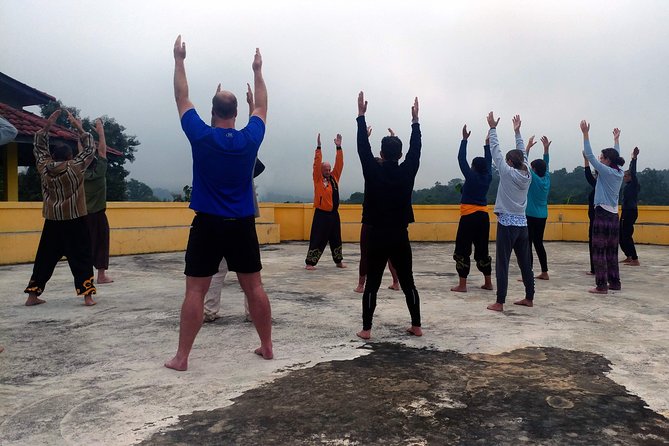
Here’s the rhythm you’ll follow, and why it works.
3:30 PM arrival and orientation
The lesson begins at 3:30 PM. You’ll likely start with a quick walkthrough—good to do early because you’ll see where to store your things and where training areas are set up. A short orientation also helps you relax right away, instead of spending the first ten minutes figuring out the space.
The first hour: warm-up and stretching (don’t skip this feeling)
The class starts with a one-hour warm-up and stretch. That’s not filler. For kung fu and qigong, flexibility and circulation affect how your movements feel and how safe your joints stay.
If you’re new, this is often the most “you can do this” part of the session. If you’re experienced, it’s still a useful reset—warming up the body so the technical work later isn’t forced.
The technical session: routines, weapons, and fighting fundamentals
After stretching, the session shifts into technical training. This is where the course earns its Shaolin label, because it’s not only about striking. The program includes practice on routines and a mix of skills such as:
- Traditional Kung Fu fighting skills
- Shaolin weapons training
- Pushing hands
- Drilling that builds speed, power, and accuracy
You’ll also cover topics that are easy to gloss over in martial arts, but the course explicitly teaches them:
breathing, developing the internal organs, training the senses, taking control of emotions, adopting the right mindset, and improving performance under focus.
This is the “internal” side of the training, and it’s also the part that helps beginners feel progress quickly. Even if your technique is rough at first, you can usually improve right away in timing, breathing, and controlled movement.

Mid-lesson tea break
There’s a break mid-lesson for tea. That pause matters more than it sounds. After stretching and then technical work, tea is a simple way to reset your breathing and let your body catch up before the next round.
6:00 PM dinner: fresh organic food from the gardens
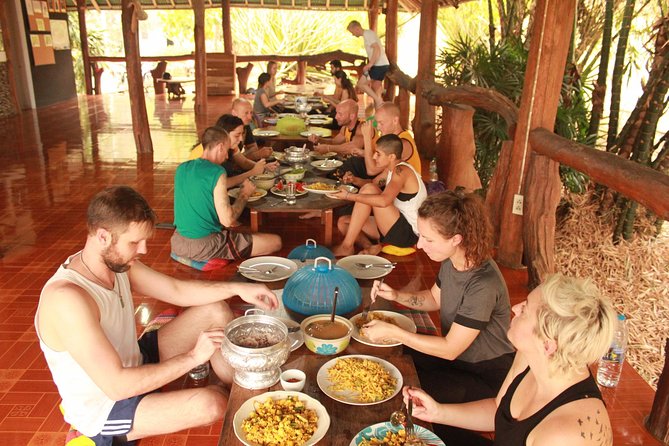
At 6:00 PM, dinner is served. The retreat kitchen uses organic ingredients from its kitchen gardens and orchards. If you’re coming hungry (or even if you think you’ll be fine), this meal is part of why the afternoon course feels complete.
Also, it’s a good sign that the program builds in nourishment rather than treating dinner like an afterthought. One of the most positive themes in the feedback you provided is that the food is genuinely good, not just “included.”
What you’ll actually learn (and why it helps, not just impresses)
The course is built around a full training loop: warm-up, technical drilling, breath and mind control, then a reset with tea and food. That structure is useful because it connects performance to control.
Breathing and qigong-style principles
Even though the lesson is Shaolin-style kung fu, the course pairs it with breathing and qigong principles. Practically, that helps you do two things:
1) keep moving without running out of steam
2) reduce that panicky, forced feeling when you’re learning new movements
In real training, good breathing is what makes technique look cleaner. It also makes the next attempt less frustrating.
Emotional control and mindset
The program includes practice around taking control of your emotions and adopting the right mindset. That might sound like “motivation talk,” but the way it’s listed matters: you’re training speed, power, and accuracy while also learning internal control. In other words, focus isn’t a lecture. It’s part of your training targets.
If you’ve ever felt tense in a group class, this kind of structure can be a relief. You’re learning to manage intensity instead of just turning it up.
Weapons, pushing hands, and why they’re included
Weapons practice on a beginner course can feel intimidating, but it’s also valuable because it teaches discipline and spatial awareness. You’ll also work on pushing hands, which is a classic skill for feeling balance and pressure rather than just “winning” exchanges.
If you want kung fu to feel like a complete system—movement, partner contact, and control—this combo is a strong reason to choose the day course.
The gym: more than props for photos
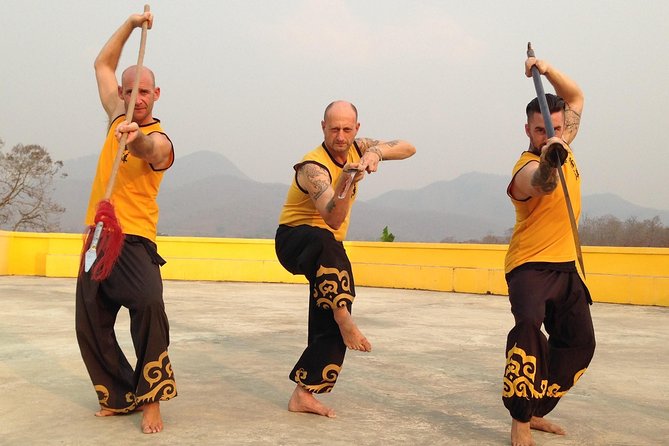
One of the nicest surprises from the feedback you shared is the quality of the training space. The gym setup is well stocked with equipment such as:
- a general’s pole
- punch bags
- kicking dummies
- weights
- parallel bars
- chin-up bars
- gymnastics rings
- and more
Why this matters to you: the class can cover a wider range of conditioning and practice tools than the “one room, one mat” model. Even when you’re mostly drilling techniques, access to this kind of equipment supports muscular endurance and body control.
Also, the retreat environment makes it easier to stay in training mode. You’re not switching contexts every five minutes.
Who this is best for in real life
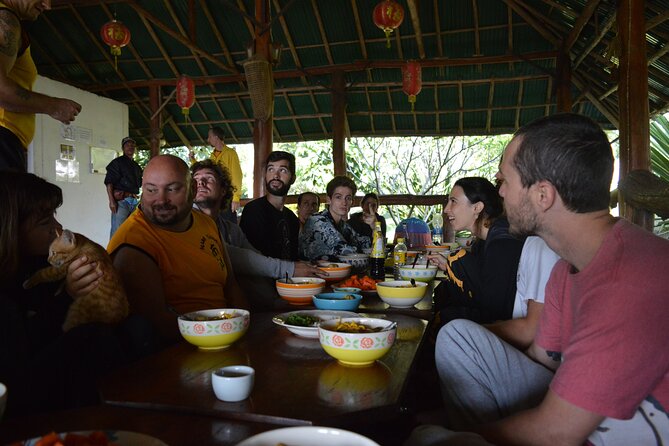
This afternoon course is described as suitable for beginners, and the school notes that most students start as complete newcomers. The program is refined and designed to give beginners a strong start from day one, while still pushing experienced students ahead faster.
You’ll likely enjoy it most if you:
- want confidence-building through structured training
- prefer learning mind-body skills along with movement
- like the idea of a short, focused session instead of a week-long commitment
You should plan carefully if you’re dealing with injuries or if you’re not ready for moderate physical fitness demands. The stretching and drilling are part of the course, and the program assumes you can participate safely.
Names, authenticity, and the human part of training
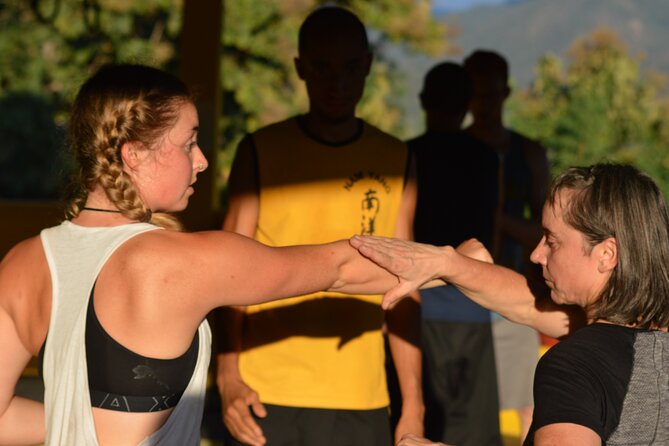
From the reviews you provided, there’s a clear theme: the instructors take the training seriously, and they also take students seriously. One reviewer specifically mentioned being surprised the coach was Ian from England, not what they expected from the Shaolin branding. The important point isn’t the label—it’s that you can train effectively with a teacher who’s practiced the art, regardless of background.
You’ll also see praise tied to the training atmosphere: respect and sincerity, plus friendliness. That mix helps beginners ask questions and stay engaged instead of freezing.
And yes, there are moments that can feel impressive. One review described breaking a plaster brick at the end of training. You shouldn’t expect that exact outcome every time, but it gives you a real sense that the course aims at measurable “power and control,” not only slow-motion practice.
Price and value: where your $33 goes
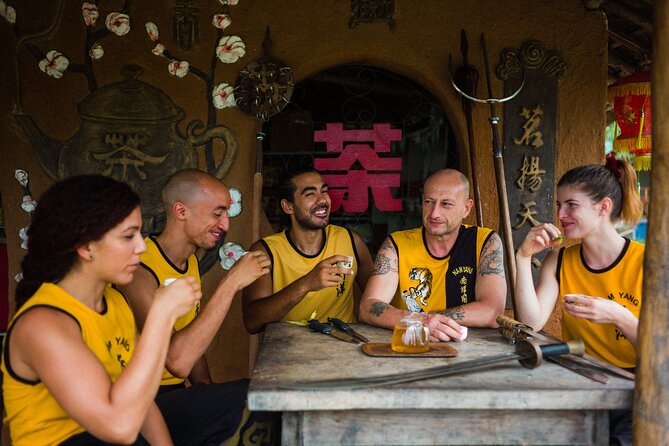
At $33, you’re paying for a package, not just a workout:
- gym access with lots of equipment
- structured warm-up + technical training
- tea time
- dinner made from organic garden ingredients
- a program built and refined since 2008
If you compare that to paying separately for a gym membership day pass, a fitness class, and an included meal, this starts to feel like good value—especially in a retreat setting where the experience is designed to flow from training into recovery.
Also, the schedule helps: a 3-hour afternoon slot means you can still explore Pai the rest of the day, instead of losing an entire day to a training program.
Practical tips before you go
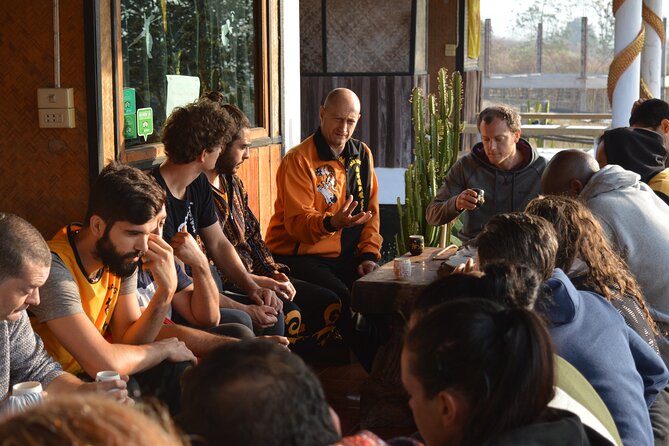
Based on how this course is set up, here’s how to make your experience smoother.
- Arrive a few minutes early at Nam Yang Kung Fu Retreat so you can get oriented before class starts at 3:30 PM.
- Wear something you can stretch and move in comfortably. (You’re doing warm-ups and technical drills, so mobility matters.)
- Bring water if you’re sensitive to dehydration—tea helps, but you’ll still be doing physical work.
- If you don’t have a uniform, don’t worry: training uniforms are not included, so you’ll want to handle that yourself if you decide to join longer programs later.
If you’re taking this as a first step, treat it like that. You’re not trying to “master Shaolin” in one afternoon. You’re building a base: warm-up quality, basic movement, breath awareness, and focus.
Should you book the afternoon Shaolin Kung Fu course in Pai?
Book it if you want a structured, beginner-friendly introduction that includes both the physical and mental side of kung fu. The combination of warm-up, technical training (including weapons and pushing hands), breath and emotional control, plus an organic garden dinner makes this feel like a complete afternoon, not a rushed class.
Skip it or choose a different option if you’re looking for purely sightseeing or purely non-physical meditation. This is movement-heavy training, and the course expects you to participate.
If you like the idea of starting small and feeling out whether you want longer training later, this is a smart way to test the waters—especially with the retreat-style atmosphere near Pai’s mountains.
FAQ
How long is the afternoon Shaolin Kung Fu training?
It runs for about 3 hours.
What time does the training start, and when is dinner served?
The lesson starts at 3:30 PM, and dinner is served at 6:00 PM.
Where does the course take place?
The start point is Nam Yang Kung Fu Retreat, 116, Tambon Mae Na Toeng, Amphoe Pai, Chang Wat Mae Hong Son 58130, Thailand, and the activity ends back at the meeting point.
Is accommodation included?
No, accommodation is not included.
Are training uniforms included?
No, training uniforms are not included.
Is it refundable if I cancel?
No. The experience is non-refundable and cannot be changed for any reason.