REVIEW · PHUKET
Phuket: PADI Advanced Open Water Course 2 days/6 Dives
Book on GetYourGuide →Operated by PDP · Bookable on GetYourGuide
Six underwater sessions in two days sounds intense.
In Phuket, this PADI Advanced Open Water course turns Racha Yai and Racha Noi into a hands-on skills workout with a small group feel.
What I like most is the way the program teaches you to think underwater. You’ll get real PADI coaching and calm, confidence-building instruction, and you’re not left hungry either—there are onboard meals built into the schedule.
One possible drawback to weigh: the boat can feel crowded on busy days, and some people have felt the food was tight or less than expected.
In This Review
- Key things to know before you go
- Phuket to Racha Yai and Racha Noi: why this course works so well
- Pickup, van ride, and getting everyone ready at the pier
- Day 1: first round of Racha practice and confidence-building
- Day 2: navigation, depth work, and adventure-style sessions
- What you’re actually learning: deep work and underwater navigation
- Deep underwater work (why it changes your confidence)
- Underwater navigation (why it feels like real-world skill)
- Onboard meals, breaks, and staying comfortable in Phuket sun
- Price and value: what $546 buys you, and what can affect the experience
- Equipment, insurance, and what you bring from home
- Medical fitness and who should not join
- Languages, small group coaching, and the instructor factor
- Should you book this Phuket PADI Advanced Open Water course?
- FAQ
- Where are the pickup areas in Phuket?
- How many underwater sessions are included?
- How long is each underwater session?
- Do I need to know how to swim or have a scuba certification?
- Is PADI eLearning included, and does it cover certification fees?
- What equipment and insurance are included?
- What should I bring?
- Are there flight restrictions after the course?
- Who might not be suitable for the course?
Key things to know before you go
- 6 underwater sessions over 2 days at Racha Yai and Racha Noi, with a 50-minute session goal and a 50-bar tank limit
- Advanced skills you can use later, including deep underwater work and underwater navigation, plus 3 adventure specialty sessions chosen for conditions
- Small-group instruction (max 3 people), which matters when you’re practicing control, buoyancy, and decision-making
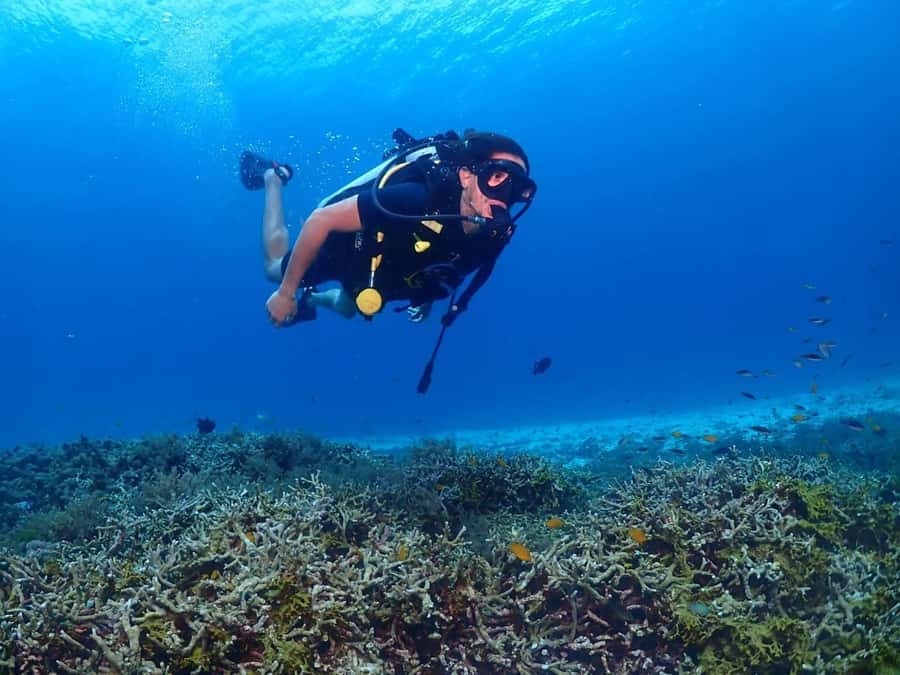
- Racha islands for clear visibility and lots of tropical fish and coral scenery (great when conditions cooperate)
- Meal stops between sessions: breakfast, lunch, snacks, coffee/tea/dessert, so you’re not running on fumes between learning blocks
Phuket to Racha Yai and Racha Noi: why this course works so well
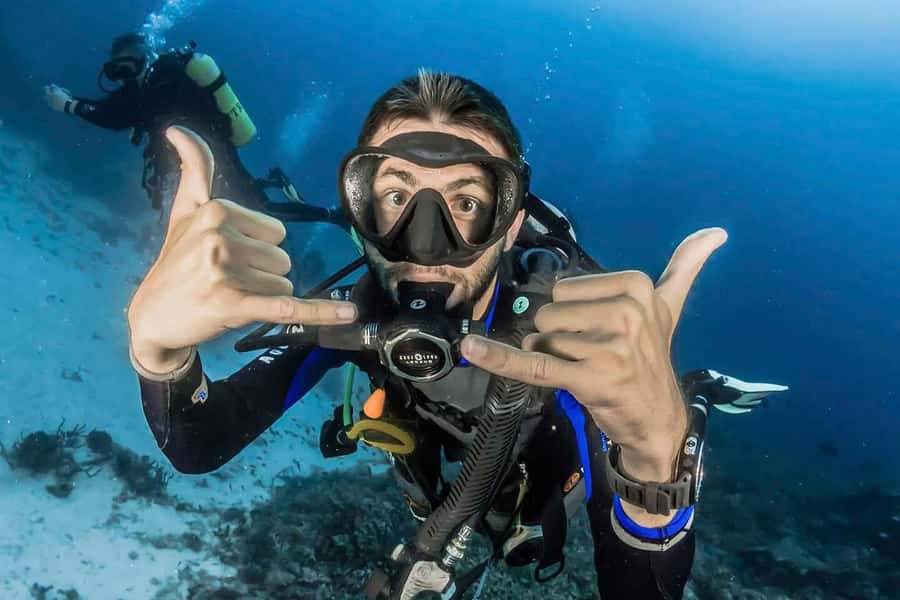
Phuket is packed with dive tours, but this one is built like training. The value isn’t just “see fish, take pictures.” It’s a structured path toward PADI Advanced Open Water Diver certification, using two nearby island areas—Racha Yai and Racha Noi—that are known for strong underwater visibility when the weather allows it.
You’ll spend two full days going out, suiting up, and practicing skills repeatedly. That repetition is the whole point. With six underwater sessions in a short window, you’re more likely to come out feeling like you understand what your body is doing down there—breathing pace, buoyancy habits, trim, and how to stay calm when things feel new.
Also, the islands are close enough that your schedule stays focused on time in the water. You’ll have less “sit and wait” than longer-boat itineraries, which makes a big difference when you’re learning.
A few more Phuket tours and experiences worth a look

Pickup, van ride, and getting everyone ready at the pier
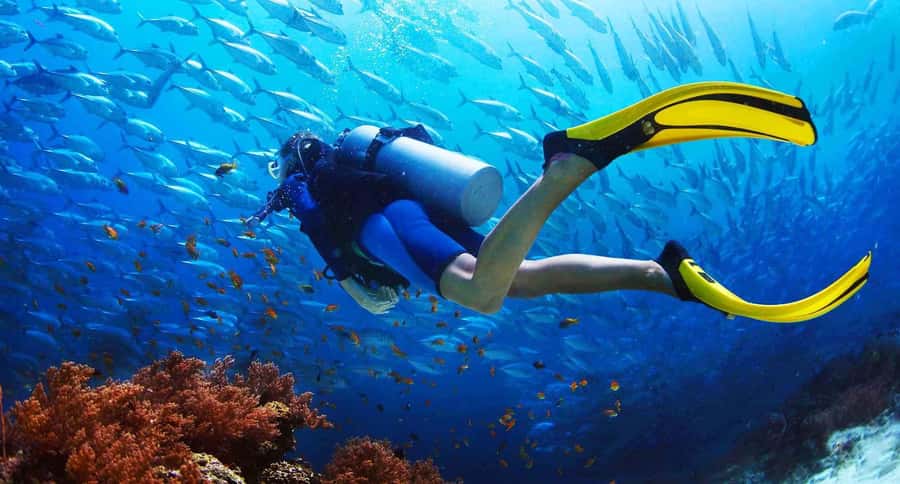
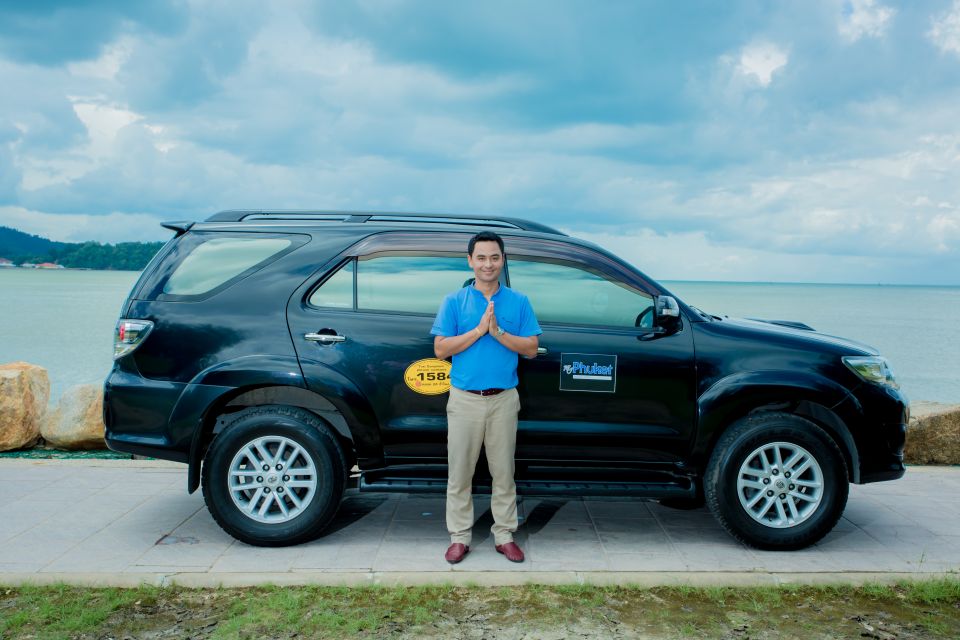
Your day starts with a van from Phuket—typically around 30 minutes—then you meet at the pier, go over materials, and prepare your gear. The pickup coverage is fairly broad in popular beach areas: Kamala, Patong, Karon, Kata are included, with select nearby areas like Rawai, Nai Harn, and Chalong covered as well. If you’re farther out, you can often arrange private transport for an extra cost.
Before the first underwater session, you’ll review your digital learning materials. That’s valuable because it stops the course from being pure “do what I say” training. You get a sense of what you’re supposed to practice, and then the instructor can coach you toward the right habits.
One practical note: even if you’re not sure about your comfort level, the program is set up so you don’t need prior diving certification to join. And you don’t need to know how to swim to participate. That said, medical fitness matters a lot here, so you should take the health screening seriously (more on that later).
Day 1: first round of Racha practice and confidence-building
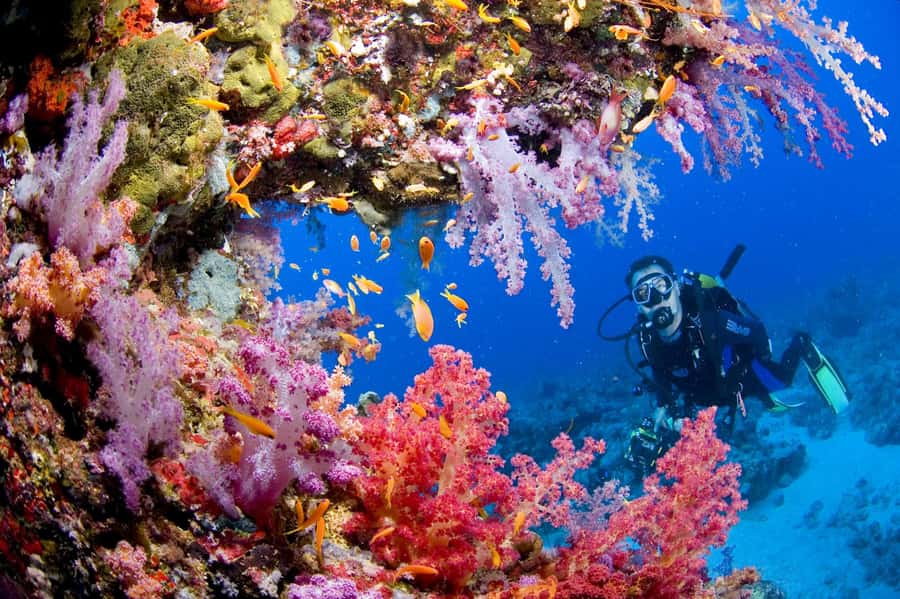
The schedule is built around getting you into a routine. You’ll head out to the Racha area with a breakfast stop and a free-time window, then there’s a safety briefing before your first underwater session. After that, the rhythm is simple: suit up, go down, then reset on the boat.
Here’s how the first day tends to feel:
- Morning: pickup → pier → intro + prep → boat departure
- Early: breakfast and a safety briefing
- First underwater session: a focused 50-minute block (or until your tank hits 50 bars)
- Break + lunch: time to cool down, hydrate, and get ready for the next practice round
- Second underwater session: another coaching-focused 50-minute block
This structure is what makes the course efficient. You’re not juggling a dozen distractions. You’re practicing a skill, coming up, processing feedback, and then going back for another chance to apply it.
On instructors: you may work with English-speaking PADI staff, and different teachers can be assigned. People have specifically highlighted instructors like Alla for strong coaching and Ben for calm explanations. Those styles matter. If you’re nervous, clearer explanations and steady pacing can turn fear into focus fast.
Day 2: navigation, depth work, and adventure-style sessions
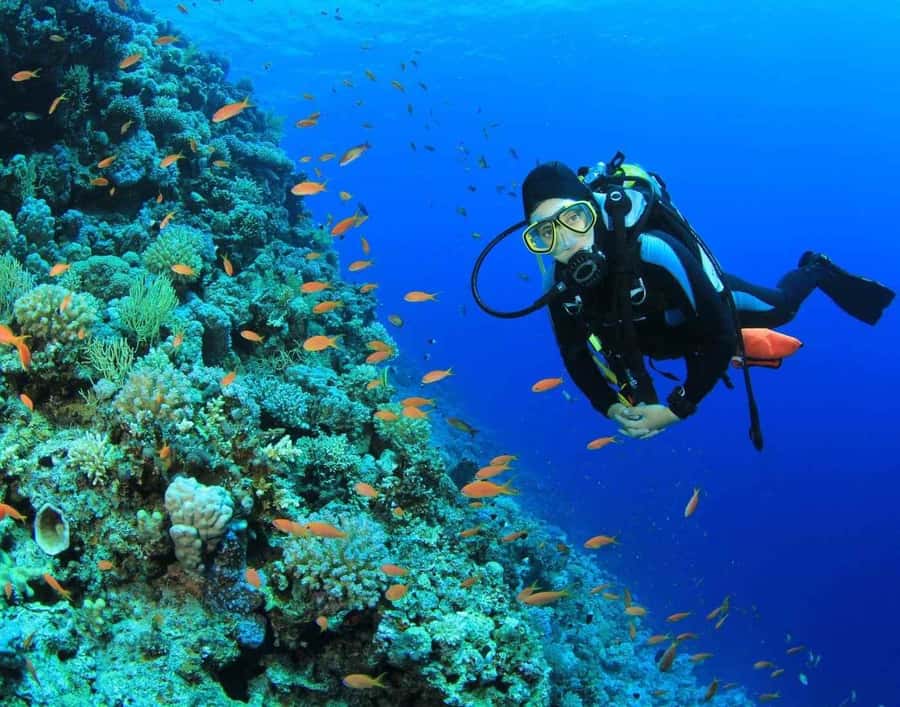
By day two, you’re not just repeating the first day—you’re building on it. The PADI Advanced Open Water structure includes core components such as deep underwater work and underwater navigation. Those two skills are often the biggest “aha” for students because they change how you plan your time underwater.
In practical terms:
- Deep underwater work teaches you how depth affects breathing, buoyancy, and comfort.
- Underwater navigation teaches you how to use headings and landmarks so you can move with purpose, not just float.
Then you’ll add three specialty adventure underwater sessions selected based on your interests and actual sea conditions. That flexibility is smart. It means the training can fit what the water is offering that day—visibility, current, and wave conditions.
Each session stays time-bounded by the same rule: about 50 minutes or until your tank reaches 50 bars. That matters because you’re training within realistic limits. It’s also a safety comfort for people who get tired quickly underwater. You’ll feel less pressure to “extend it somehow.” The session is long enough to work, and short enough to stay controlled.
What you’re actually learning: deep work and underwater navigation
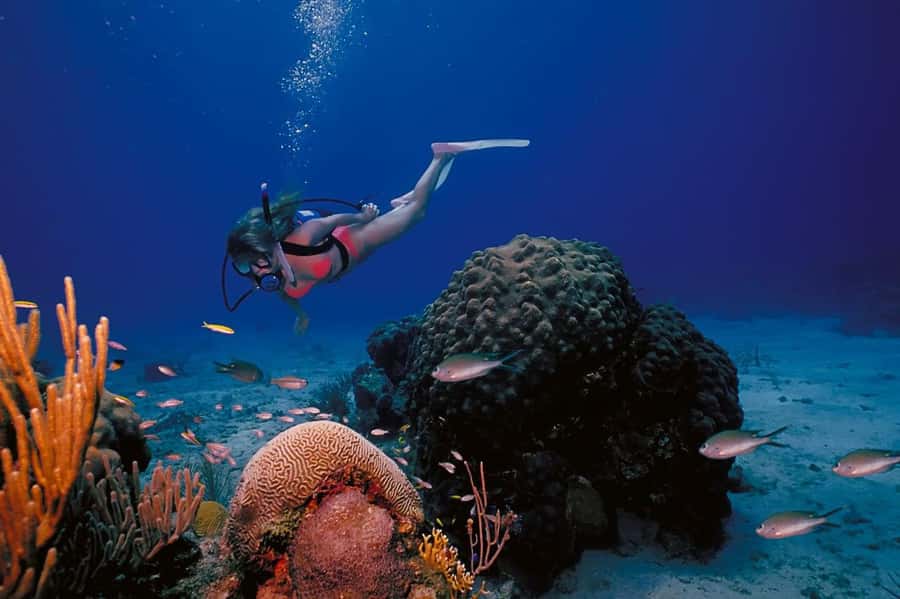
Most people think advanced training is about seeing more things. Yes, you’ll see plenty. But the real upgrade is decision-making.





Deep underwater work (why it changes your confidence)
Going deeper isn’t just about going lower. It forces you to manage:
- breathing pace
- buoyancy control
- how your body feels when conditions change a bit
In a good course setup, the instructor guides you through adjustments step-by-step. That’s what turns depth from a scary number into a skill you can manage.
Underwater navigation (why it feels like real-world skill)
Navigation training is where you stop feeling like you’re drifting with the current. Instead, you learn to:
- follow a heading with purpose
- stay aware of direction
- use what you see as reference points
Even if the underwater scenery is spectacular, navigation helps you stay engaged and intentional. You’re learning to move like a diver who understands where you are.
Onboard meals, breaks, and staying comfortable in Phuket sun
This is one area where expectations can vary. The course includes breakfast, lunch, snacks, and refreshments onboard. There are also coffee, tea, dessert, and local snacks during the day.
That matters because you’re spending the morning and afternoon outside in Phuket heat and sun. If you skip breakfast or don’t rehydrate, you’ll feel it in the water. Having food built into the schedule keeps the day from turning into a dehydrated scramble.
That said, not everyone feels the same about the boat experience. One concern you might run into: the boat can be packed, and some people felt the food portions or quality weren’t enough for everyone on board. If you tend to get hungry quickly, I’d plan to treat the included snacks as helpful support—not a full meal replacement. Bring a little extra something for yourself if that’s your style.
Also pack for sun and salt. Even with breaks, you’ll be on a boat in bright light.
Price and value: what $546 buys you, and what can affect the experience
At $546 per person for 2 days and 6 underwater sessions, you’re paying for a full PADI-format certification program plus the operational support that makes training work: equipment, insurance, instruction, and meals.
Here’s why that price can be fair value:
- You get eLearning that includes certification fees
- Instruction is continuous, not just a quick briefing and off you go
- You’re getting gear and tank computer tracking gear included, so you’re not hunting rentals separately
- You get full support with insurance for the training activities
What can change the “value feeling” is day-of boat load and staff-run details like meal quantity. A packed boat can reduce comfort even if the underwater instruction remains excellent. And if you’re expecting a certain level of photo-ready visuals, conditions matter. Underwater clarity and lighting are never guaranteed.
My advice: treat the course as training first and scenery second. If you go in focused on skills, the certification journey is usually money well spent.
Equipment, insurance, and what you bring from home
Included gear and support are a major convenience. You’ll receive:
- a full set of scuba equipment
- equipment tracking gear (a computer that monitors key dive data)
- comprehensive insurance for the underwater training
Because you get most of what you need, your job is mostly about comfort and safety on the surface. Bring:
- sunglasses
- sun hat
- swimwear
- towel
- camera (if you want it for the day)
- sunscreen
Simple gear, big payoff. Sunscreen is one of those “you’ll thank yourself later” items in Phuket.
Medical fitness and who should not join
This program is clear about health screening, and you should treat it seriously. You’re required to confirm medical fitness and review the listed conditions carefully.
Not suitable for:
- pregnant women
- people with back problems
- people with heart problems
- people with high blood pressure
Important health considerations include asthma or wheezing, fainting or seizures, chronic bronchitis, persistent chest complaints, chronic sinus issues, recurrent ear problems when flying, epilepsy, diabetes mellitus, tuberculosis or other long-term lung diseases, brain/spinal cord/nervous disorders, collapsed lung history, perforated eardrum, and other illness or surgery within the last month.
Also note the schedule includes a flying restriction: until the day after your underwater sessions at 11 AM, you’re not allowed to fly by airplane—about 18 hours after. If you have a tight flight itinerary, plan it early.
Languages, small group coaching, and the instructor factor
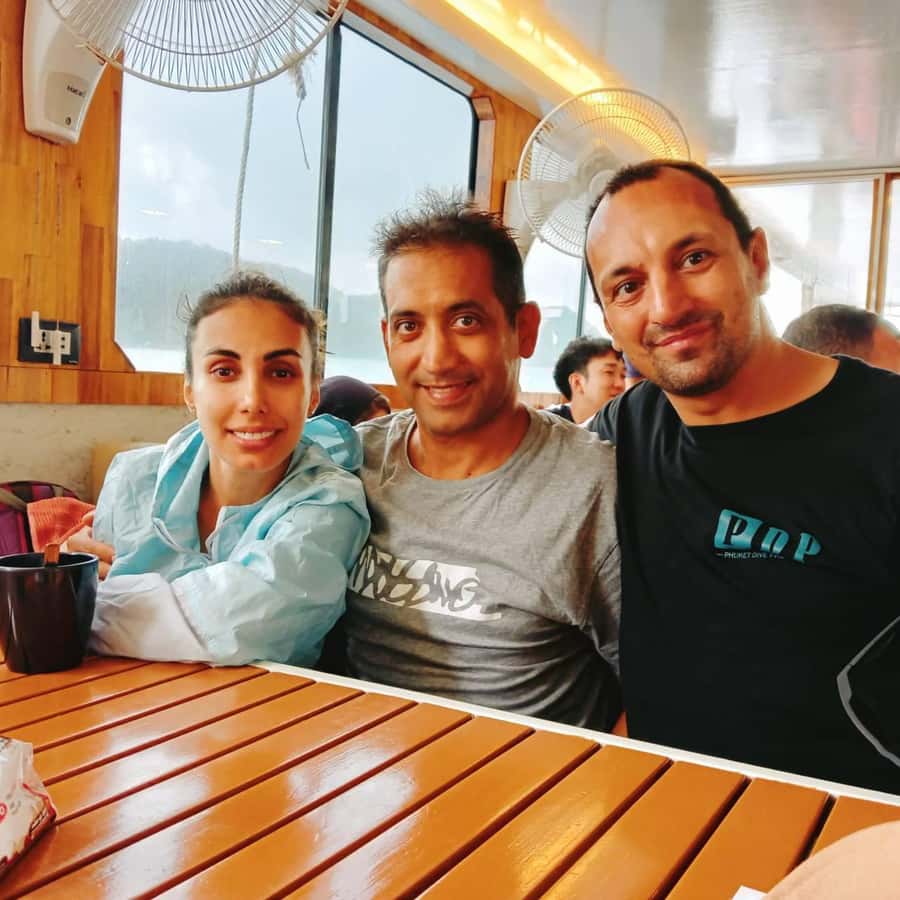
The course runs with instructors who speak English, Persian, and Thai. That can be a big deal if you want to understand technique details without a language gap.
The small-group size—limited to 3 participants—is also part of the value. In a training environment, more personal attention usually means fewer uncertainties. You get more coaching time and more chances to correct habits before they become muscle memory.
And instructor style matters. People have highlighted Alla for strong instruction and Ben for calm explanations. If you’re the type who needs reassurance or step-by-step guidance, look for instructors known for clear teaching and steady confidence.
Should you book this Phuket PADI Advanced Open Water course?
Book it if:
- you want a structured path to PADI Advanced Open Water Diver certification
- you prefer small-group instruction
- you’re motivated to practice skills like depth management and underwater navigation, not just sightseeing
- you enjoy the Racha island area for clear-water chances and reef scenery
Skip or be cautious if:
- you’re sensitive to crowded boat conditions and you rely on food being perfectly satisfying all day
- you have medical conditions listed in the health screening, or you’re unsure about medical fitness
- your flight schedule leaves no room for the post-session flying rule
If you’re healthy, open-minded, and focused on skill-building, this is a solid Phuket value: six underwater sessions over two days, real instruction, and a certification you can build on.
FAQ
Where are the pickup areas in Phuket?
Pickup is included from Kamala, Patong, Karon, Kata, plus select parts of Rawai, Nai Harn, and Chalong. Other areas aren’t included, but private transfers can be arranged for an extra cost.
How many underwater sessions are included?
The course includes 6 underwater sessions over 2 days.
How long is each underwater session?
Each session lasts for 50 minutes or until the scuba cylinder reaches 50 bars, whichever comes first.
Do I need to know how to swim or have a scuba certification?
No. Participants do not need to know how to swim, and a diving certificate is not required for participation.
Is PADI eLearning included, and does it cover certification fees?
Yes. PADI eLearning is included, and it includes certification fees.
What equipment and insurance are included?
You’ll get a full set of scuba diving equipment and a tank computer. The package also includes comprehensive scuba diving insurance.
What should I bring?
Bring sunglasses, a sun hat, swimwear, a towel, a camera (optional), and sunscreen.
Are there flight restrictions after the course?
Yes. Until the day after your underwater sessions at 11 AM, you are not allowed to fly by airplane (about 18 hours).
Who might not be suitable for the course?
It’s not suitable for pregnant women, people with back problems, people with heart problems, or people with high blood pressure. You should also confirm medical fitness and review the listed medical conditions carefully.