
REVIEW · PHUKET
Phuket: Meet Feed & Relax with Elephant
Book on GetYourGuide →Operated by Elephant care camp @ siray phuket · Bookable on GetYourGuide
A morning of elephants can be surprisingly thoughtful. This Phuket Feed & Relax with Elephant experience focuses on rescued Thai elephants, basic care learning, and a calm break with a 180-degree seaview near Bang Sai Beach. It runs in a private natural area where your time with the animals matters more than performing for you.
Two things I really like: first, the camp’s mission is spelled out clearly—these elephants are not meant for riding or show work. Second, you’re not just there to toss food; you get guided interaction plus simple education on elephant care, while you relax in a scenic, coastal setting. It’s designed for people who want more than a quick photo stop.
One possible drawback: the session is short, and depending on the schedule you may end up spending less time than you’d hope feeding the elephants, with a bigger share of the visit going to guidance and observation. And there’s no transport bundled, so getting there can be the part that takes the most planning.
In This Review
- Key Things to Know Before You Go
- Phuket Elephant Time, With a Seaview Twist
- What the Feed-and-Learn Program Really Focuses On
- Rescued Elephants: From Logging to Hook Injuries
- The Feeding Moment: Hands-On, But Expect It to Be Short
- Relaxing With the 180-Degree Seaview (Yes, It Matters)
- What’s Included: Snacks, Drinks, and No Extra Guesswork
- Price and Value: Does $28 Make Sense in Phuket?
- Getting There: Lily Elephant Camp and the Pickup Reality
- Timing Your Day: How to Choose a Slot That Feels Worth It
- Who Should Book This Elephant Feed & Learn Experience
- Responsible Elephant Encounters: What to Appreciate Here
- Should You Book This Phuket Elephant Experience?
- FAQ
- What time does the elephant feed and learn experience run?
- Where is the meeting point?
- Is transport included?
- What language is the guide available in?
- What’s included in the ticket price?
- Can I cancel and get a refund?
Key Things to Know Before You Go
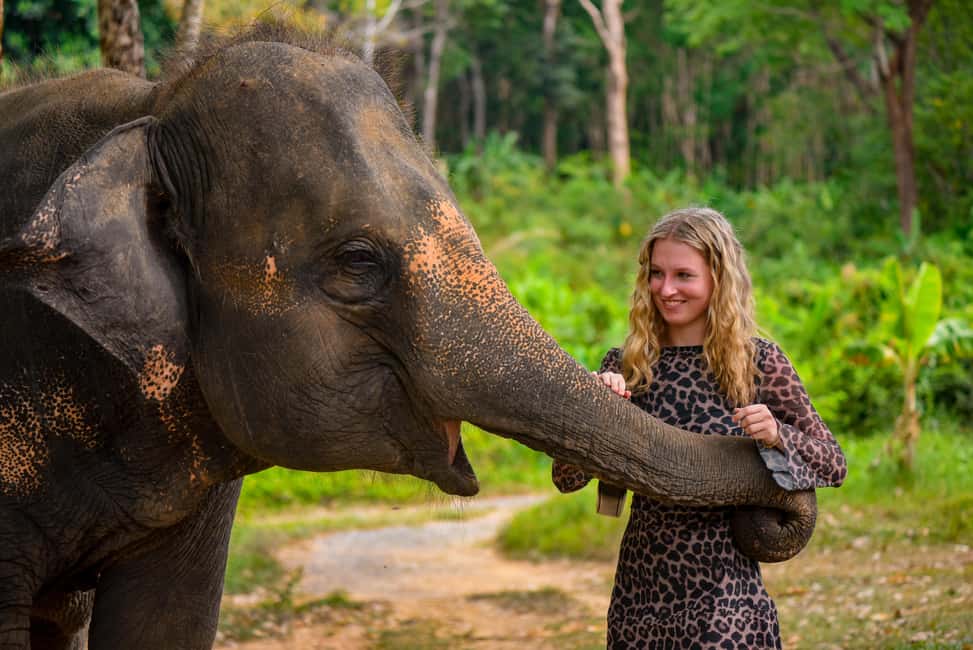
- Rescued elephants only: The program is built around elephants rescued from logging work, riding, shows, and unsuitable living conditions.
- Seaview relaxation near Bang Sai Beach: You get a coastal viewpoint while you feed and learn.
- Feed and Learn format: Expect hands-on feeding plus basic Thai elephant care education.
- Limited time on-site: Some sessions can feel feeding-focused, so set expectations.
- Optional pickup, not guaranteed: Pickup/drop-off is limited by zone; outside it, there’s a fee.
- Simple comfort included: Tea, coffee, and snacks are part of the visit.
Phuket Elephant Time, With a Seaview Twist
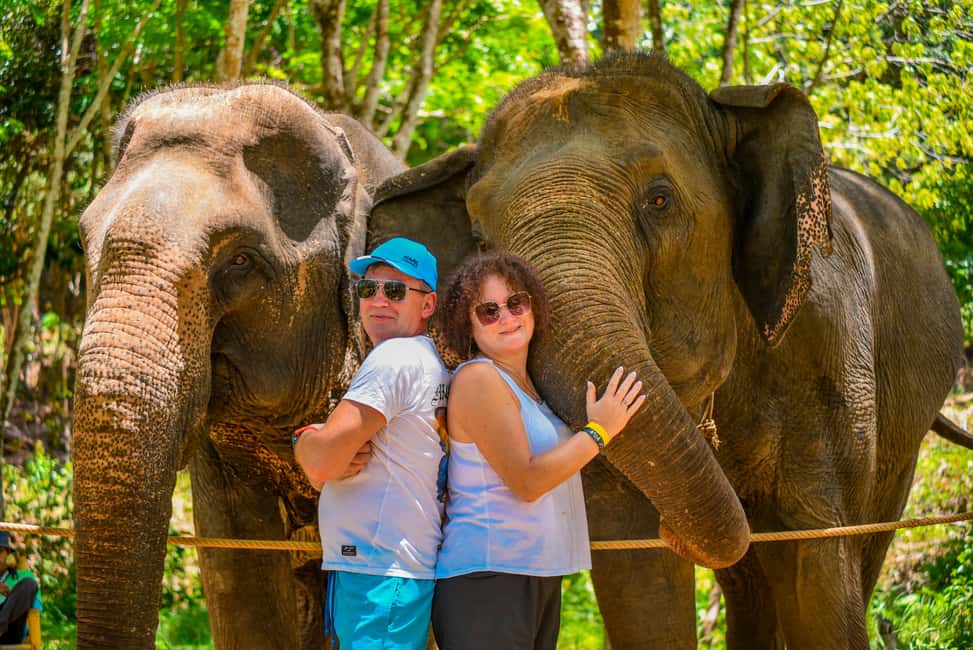
If you’ve done the usual tourism circuit in Phuket, you know the problem: many animal experiences turn into a fast conveyor belt of photos. This one is different in pace. You spend time in a private area adjacent to Bang Sai Beach, and the camp uses the clifftop/sea-facing setting for a long-looking view—180 degrees—so the visit feels more like a quiet sit-down with nature than a stadium moment.
The timing is also easy to plan around. This Feed and Play with Clifftop Seaview experience runs daily from 9:00 to 16:00, so you can choose a slot that matches your day on the island. For a $28 price point, that schedule flexibility helps.
You can also read our reviews of more tours and experiences in Phuket.



What the Feed-and-Learn Program Really Focuses On
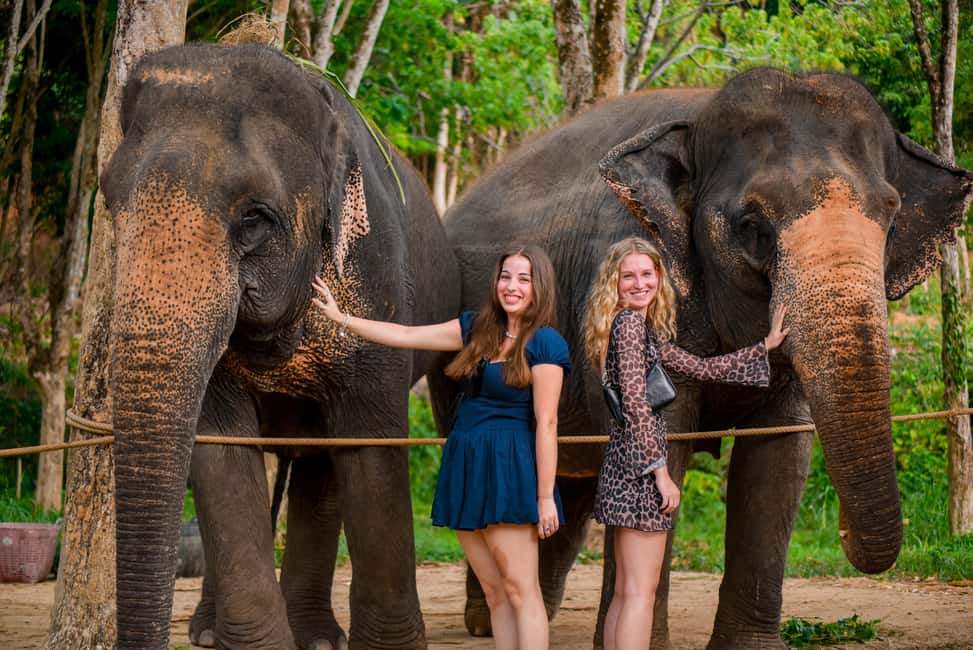
The camp calls it a feed and learn program, and that description is accurate. You’ll be guided through feeding and basic education about elephants—especially care—rather than just being handed a basket and pointed toward the animals.
Here’s what that means for you in real life:
- You learn why foraging and natural behavior matter, and what it looks like when elephants haven’t been able to practice those behaviors.
- You get a simple understanding of the challenges faced by elephants rescued from exploitation—like injuries or long-term confinement.
- You participate in the care routine in a calmer way, instead of watching a high-energy show.
In other words, the “learn” piece isn’t just a lecture. It’s meant to help you understand what you’re seeing while the elephants are in front of you.
Rescued Elephants: From Logging to Hook Injuries
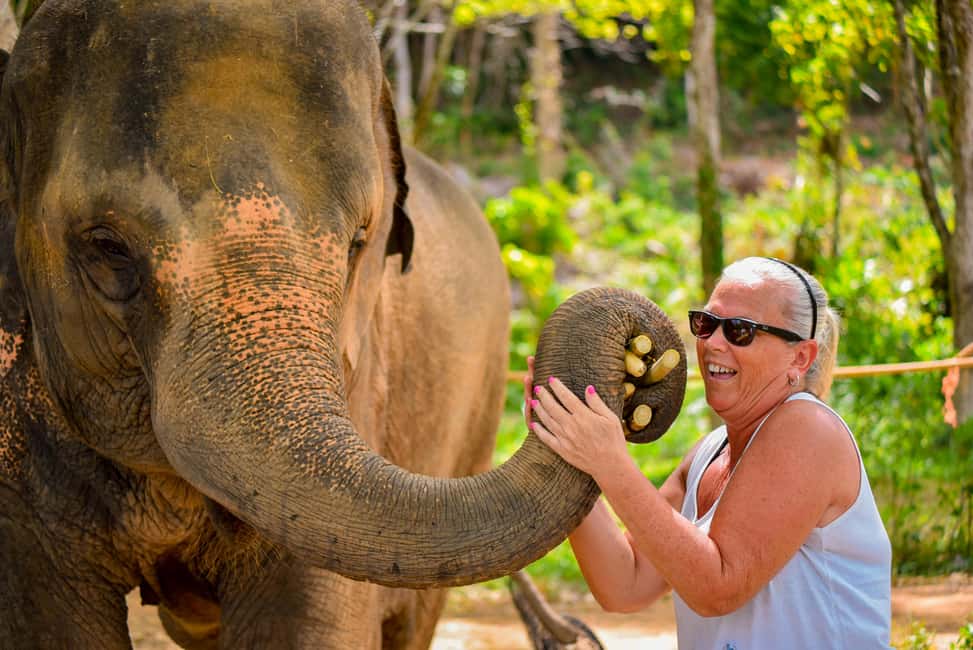
The camp’s story isn’t vague. They describe elephants coming from several past situations: riding, logging work, shows, and confined spaces that weren’t suitable for their well-being.
They also mention the variety of needs among the elephants in their care—elderly elephants (including one described as nearly 80 years old), elephants who are blind due to hook injuries, and younger elephants that might otherwise be sent to work. That variety matters, because it changes how the camp approaches interaction. It’s a reminder that you’re not meeting a single “universal” elephant type. You’re meeting animals with different histories and different comfort levels.
And that shapes what you should expect from your visit: this is not about quick tricks. It’s about respectful time with animals who have been through a lot.
The Feeding Moment: Hands-On, But Expect It to Be Short
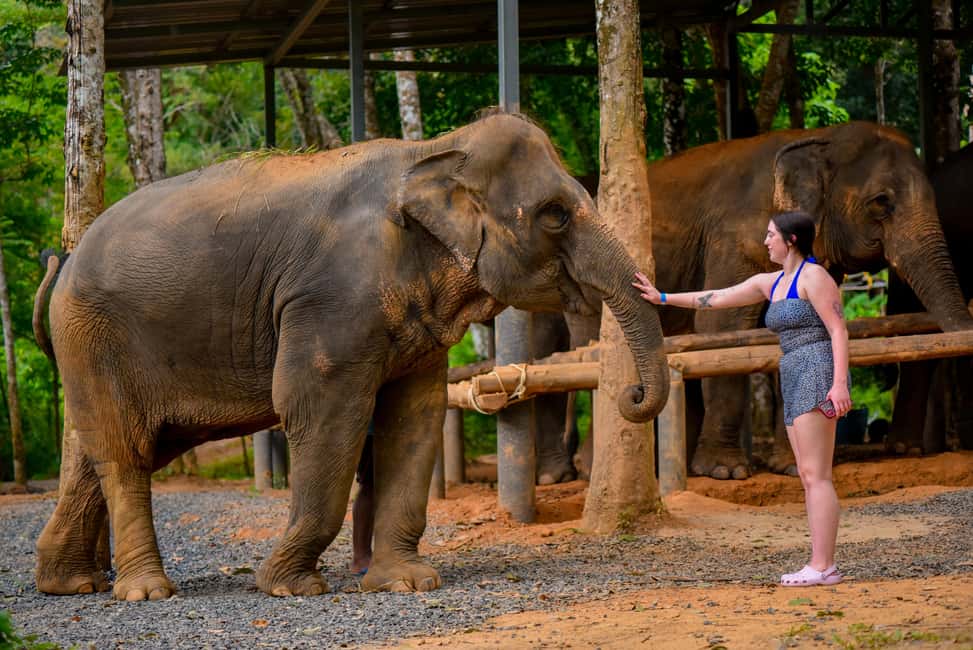
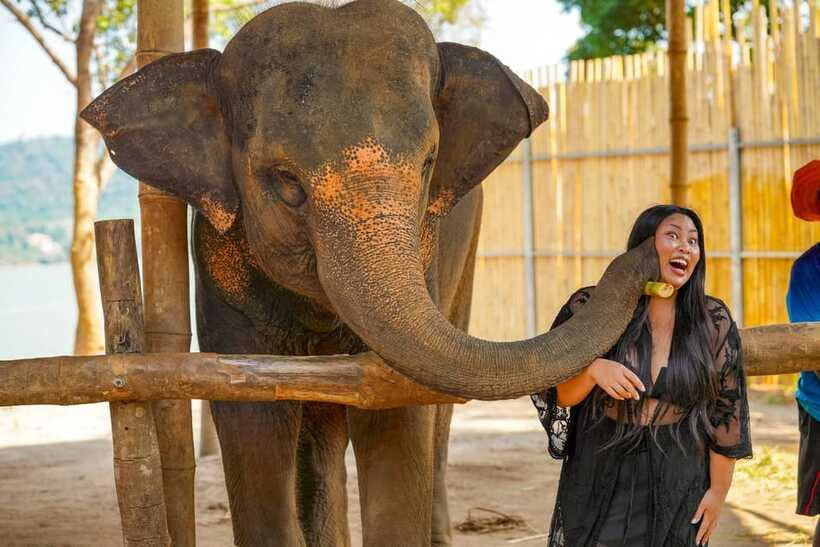
You will feed the elephants. That’s the headline, and for many people it’s the main reason to book. The program includes food for the elephants as part of the experience, so you don’t have to guess what you should bring or buy.
A key detail to set your expectations: some sessions can feel feeding-focused rather than a long, lingering hangout. For example, one review described limited time with the elephants and mentioned feeding with a couple of baskets before the program moved on. That lines up with how these visits are typically structured when a camp is balancing education, animal routines, and safety.
So how do you get the most value?
- Go in wanting a meaningful first encounter and learning moment, not a full-day cuddle session.
- Spend your attention on observing behavior during feeding—calm posture, gentle interactions, and how the guide directs the feeding.
Relaxing With the 180-Degree Seaview (Yes, It Matters)
The camp includes time to relax in the natural atmosphere with sea views. That might sound like marketing fluff until you’re actually there. In practice, it changes the mood of your encounter. You’re not pacing around a crowded pen. You’re looking out over the coast while the program stays steady and unhurried.
This is especially helpful if you’ve got a day that also includes temples, markets, and beach time. Elephant visits can be emotionally intense, and a scenic break helps you absorb the experience instead of rushing through it.






What’s Included: Snacks, Drinks, and No Extra Guesswork
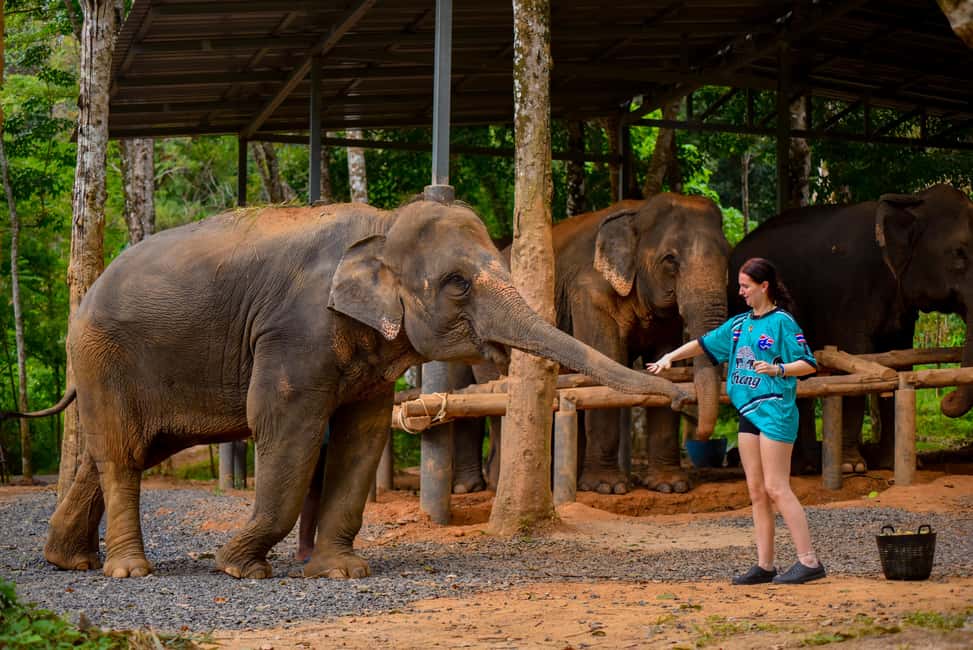
You don’t walk in wondering what you’ll be charged for on-site. The included items are straightforward:
- Food for the elephants (so you’re participating without bringing anything)
- Drinking water
- Tea and coffee
- Snacks
For a short visit, having drinks and snacks handled is genuinely useful. It keeps the focus on the elephants rather than turning the day into a hunt for refreshments.
Price and Value: Does $28 Make Sense in Phuket?
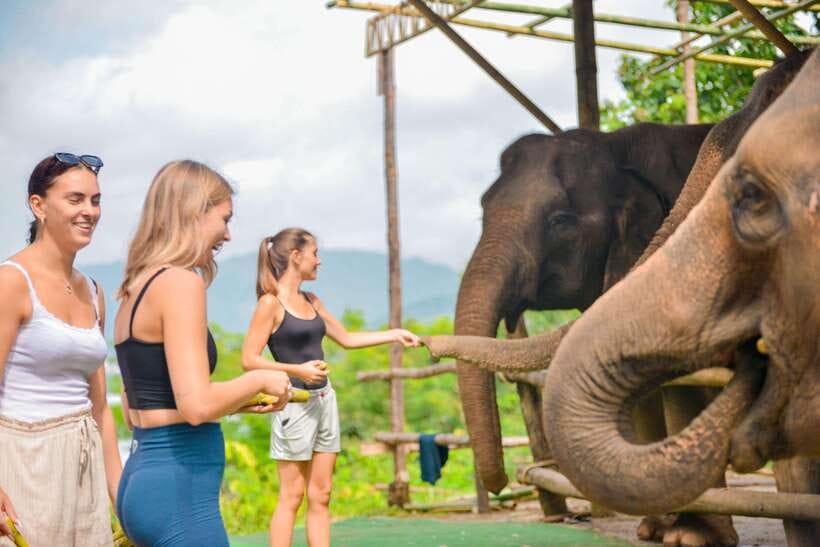
At about $28 per person, this experience is priced like a “proper activity,” not like a freebie or a street-level photo stop. So is it worth it?
I’d say it’s good value if your goal is:
- a guided, educational elephant encounter
- in a rescue-focused setting
- where your booking contributes to care and protection rather than exploitative work
The key value isn’t only the interaction. The camp frames your booking as support for elephants who need care—preventing riding and show use and helping them live better lives. That mission is also why the visit can feel more structured and less like a private animal-contact session.
Where the price can feel less satisfying is if you personally want a long, slow feeding session. If you’re expecting hours of close interaction, you might find the time window on-site works against that expectation. But if you want a thoughtful elephant visit in one day, the price is in the reasonable zone.
Getting There: Lily Elephant Camp and the Pickup Reality
Here’s the logistical truth you should plan for: there is no transport provided as part of the basic offering. That said, the activity also lists optional pickup and drop-off limited to specific locations.
So you have two practical possibilities:
- You’re within the pickup zone and can arrange pickup/drop-off at select locations.
- You’re outside the zone and will need your own way to the camp, or you’ll pay 300 THB per person for transportation adjustments related to pickup/drop-off changes.
For navigation, use Google Maps search for Lily Elephant Camp. The meeting point instructions also ask you to arrive 15 minutes early, which is smart. Elephant visits run on a schedule, and being late compresses your time.
Also note: the activity ends back at the meeting point. So build your timing backwards if you’re connecting to another plan later in the day.
Timing Your Day: How to Choose a Slot That Feels Worth It
This experience is available every day from 9:00 to 16:00, with starting times depending on availability. Since the on-site time is limited, your best move is picking a slot that doesn’t force a rush afterward.
A simple strategy:
- If you want calmer energy for viewing, choose a time that matches when you’re least tired.
- If your schedule is tight, treat this as a focused half-day-ish activity rather than something to stack with multiple long-distance rides.
And again: arrive early. Fifteen minutes might feel minor, but for a short program it helps you settle and get the full interaction without stress.
Who Should Book This Elephant Feed & Learn Experience
This is a strong match if you:
- want a responsible rescue-focused elephant interaction
- prefer learning about care and not just taking photos
- want a scenic, calm setting with sea views near Bang Sai Beach
- have limited time but still want a structured experience with guides
It may be less ideal if you’re specifically chasing:
- long private close-up feeding time
- an experience that feels like a full-day “hang with elephants” retreat
If you’re traveling with kids, the camp’s wheelchair accessibility is noted, which can be reassuring for mobility needs. The program is also available daily, so family schedules can usually be worked into the 9:00–16:00 window.
Responsible Elephant Encounters: What to Appreciate Here
The camp’s approach is built around the idea that rescued elephants deserve protection from harsh past uses. That includes preventing riding and show exploitation and providing care for elephants of different ages and conditions.
From a visitor standpoint, here’s what you can do to make your visit align with that mission:
- Follow the guide’s directions during feeding and keep your pace calm.
- Treat the elephants like they are individuals with different comfort levels.
- Skip the urge to force close contact. The point is care and safety, not catching the most dramatic interaction.
If you walk in with respect and patience, the experience feels more meaningful.
Should You Book This Phuket Elephant Experience?
I’d book it if you want a short, guided, rescue-centered elephant encounter with clear education and a scenic coastal setting. At $28, it’s a solid value for what’s included—feeding, drinks, snacks, and learning—especially if you also care about supporting a camp that focuses on protection rather than performance.
I wouldn’t book it if your top goal is maximum time feeding or a long, hands-on cuddle-style session. The visit can skew feeding-focused, and transport planning can add friction since there’s no guaranteed included transport.
If you can handle that trade-off, you’ll likely appreciate the calm nature setting, the seaview component, and the chance to learn while you meet rescued elephants.
FAQ
What time does the elephant feed and learn experience run?
It runs from 9:00 to 16:00, seven days a week. Starting times depend on availability.
Where is the meeting point?
Arrive at the activity point and use Google Maps to search for Lily Elephant Camp. The activity ends back at the meeting point.
Is transport included?
No. There is no transport provided for the program, though pickup and drop-off may be optional in limited zones. If you need pickup/drop-off outside the designated zone, there is a 300 THB per person transportation fee.
What language is the guide available in?
You’ll have a live tour guide in Chinese, English, and Thai.
What’s included in the ticket price?
Included items are food for the elephants, drinking water, tea, coffee, and snacks.
Can I cancel and get a refund?
Yes. Free cancellation is available up to 24 hours in advance for a full refund.