REVIEW · PHUKET
Phang Nga National Park Sea Kayak Adventure
Book on Viator →Operated by I Asia Thailand · Bookable on Viator
Caves and lagoons, minus the hard paddling. This Phang Nga Bay sea kayak adventure is interesting because you slide through limestone tunnels and hidden water spots while your personal boatman does most of the paddling in a 3-person kayak. I also love the chance to see Hong Island scenery up close, the kind bigger boats can’t reach. One thing to keep in mind: weather and sea conditions can change the route or even cancel for safety, with no refunds if the operator has to adjust.
Expect an easygoing day with hotel pickup and drop-off, a buffet lunch on board, and bottled water throughout the trip. The tour runs about 7 hours, with a 11:00 am start and pickup that can land 30–90 minutes earlier depending on where your hotel is. It’s limited to a maximum of 40 people, so it doesn’t feel like a cattle-call day-trip.
In This Review
- Key things to know before you go
- Phang Nga Bay in a kayak: why the scenery feels different
- From Phuket to the water: minivan plus ship transfer
- Gliding in a 3-person inflatable canoe with a personal boatman
- Hong Island and Panak Island: what you see on the route
- Caves, tunnels, and lagoons: the best part is the pacing
- The James Bond Island stop and lunch onboard
- What the day feels like: timing, group limits, and transfer comfort
- What to pack (and what to skip)
- Who should book (and who should reconsider)
- Value for $136.72: what you’re really paying for
- Should you book this Phang Nga Bay sea kayak adventure?
- FAQ
- What time does the tour start?
- How long is the Phang Nga Bay sea kayak adventure?
- Is hotel pickup and drop-off included?
- What’s included for food and drinks?
- Does the tour have an English-speaking guide?
- What should I bring with me?
- Are children allowed on this tour?
- Is the tour affected by weather?
- Is the tour refundable if I cancel?
Key things to know before you go
- A personal boatman handles the paddling so you can focus on scenery, not strokes.
- Caves, tunnels, and hidden lagoons in Phang Nga Bay’s limestone world.
- Hong Island and Panak Island are part of the main sightseeing route.
- Buffet lunch onboard plus bottled water during the day.
- James Bond Island break gives you that famous-photo moment without rushing.
- Weather controls the plan, so go in with flexibility.
Phang Nga Bay in a kayak: why the scenery feels different
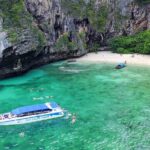
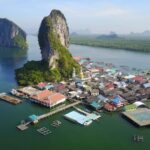
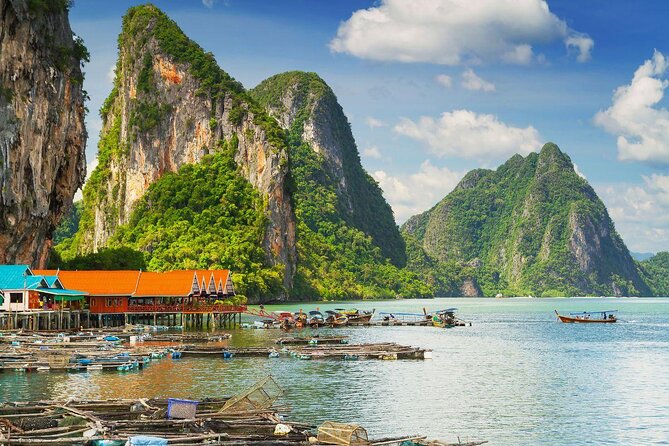
Phang Nga Bay sits between Phuket Island and Thailand’s mainland, and it’s famous for limestone cliffs and bizarre rock shapes that rise out of the water. When you see it from a distance, it looks dramatic. Up close, in the right boat, it feels personal—like you’re passing through the scenery instead of just watching it.
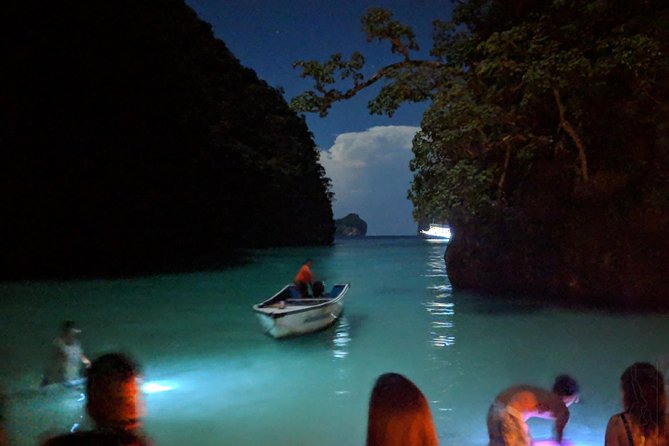
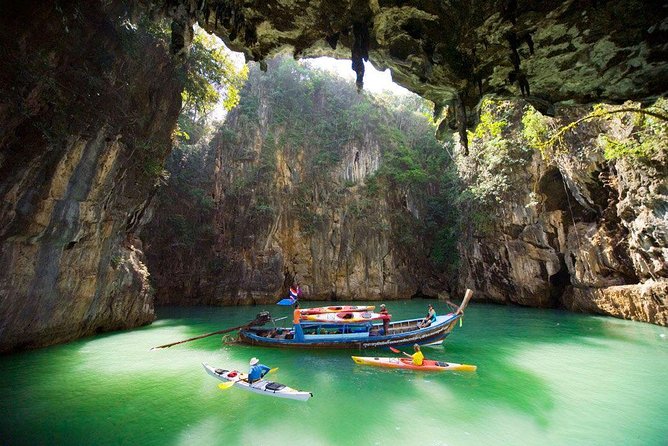
The best part of this trip is how it’s built around the kind of waterways most boats can’t comfortably enter. You’ll work your way through narrow cave passages and sheltered areas where you can spot the mix of mangroves and islands that make the bay feel like a maze. It’s scenic in a practical way: you’re moving through the geography, not just landing for a photo and leaving.
I also like the overall pace. This is not a “cross your limits” paddling day. The day is designed to be relaxing, with a guide and boatman working so you can enjoy the view, take pictures, and even cool off when conditions allow.
A few more Phuket tours and experiences worth a look
From Phuket to the water: minivan plus ship transfer
You start with hotel pickup, which is a big deal in Phuket, where traffic can turn a fun day into a late-day slog. Your pickup could happen 30–90 minutes before the 11:00 am departure time, depending on where you’re staying. Plan to be ready early, especially if your hotel is off the main roads.
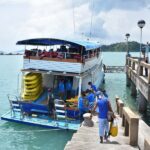
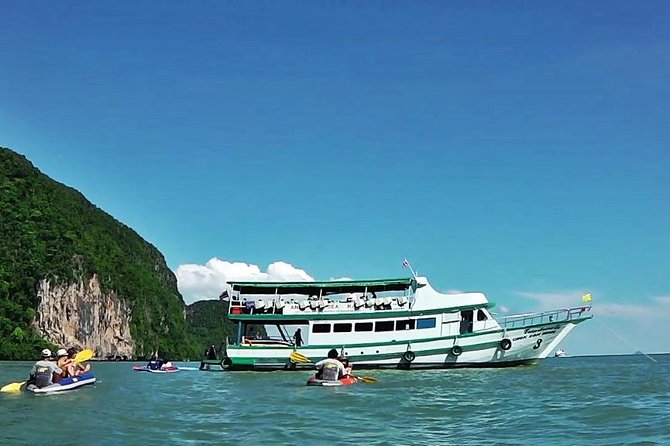
After pickup, the group travels to the Phang Nga Bay area by minivan and ship before you get on the inflatable kayak canoe. That transfer time matters because it sets expectations: this is a day that includes travel, not just time on the water. For many people, that’s actually a plus—less logistics stress, and you arrive feeling like you’re going somewhere scenic instead of assembling transportation yourself.
The group size stays capped (maximum 40 travelers), which helps keep the day from feeling chaotic at the dock. You’ll still want to keep your phone accessible for pictures, but otherwise it’s straightforward.
Gliding in a 3-person inflatable canoe with a personal boatman
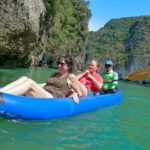
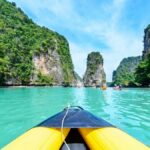
You’re in a 3-person inflatable kayak canoe, and the tour is built around an unusual comfort: a guide/boatman handles most of the paddling so the trip doesn’t turn into a workout.
Here’s why I think that design is smart. In Phang Nga Bay, conditions can be changeable. If everyone had to paddle hard the whole time, the trip would become inconsistent—strong paddlers would have a better experience, and weaker paddlers might get stuck fighting the boat instead of enjoying the route. With a boatman doing the main paddling, the focus stays where it should be: the cave interiors, tunnel shapes, and the way light changes as you pass between openings.
In one of the standout review experiences, the onboard kayak guide was named Seven, and people praised how attentive the staff were while keeping the day comfortable. That matches what you want from this kind of trip: safe, calm guiding, and quick help when you need it.
One note: you’ll still be part of the canoe experience, so you should be comfortable getting in and out and wearing your swim gear. But you’re not signing up for a suffer-fest.
Hong Island and Panak Island: what you see on the route
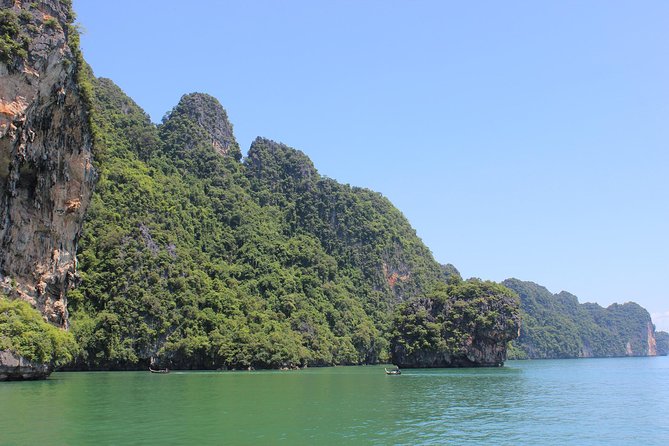
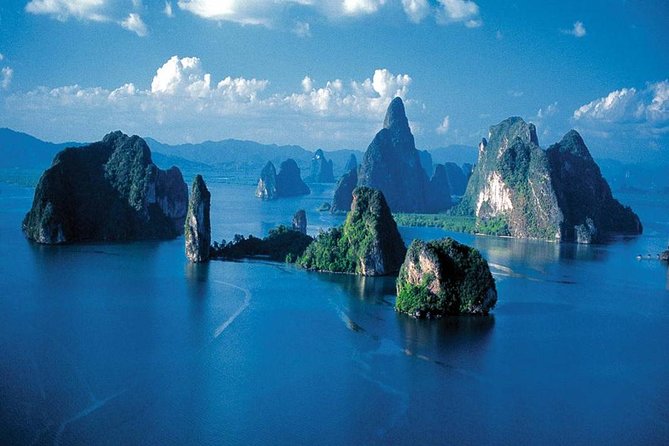
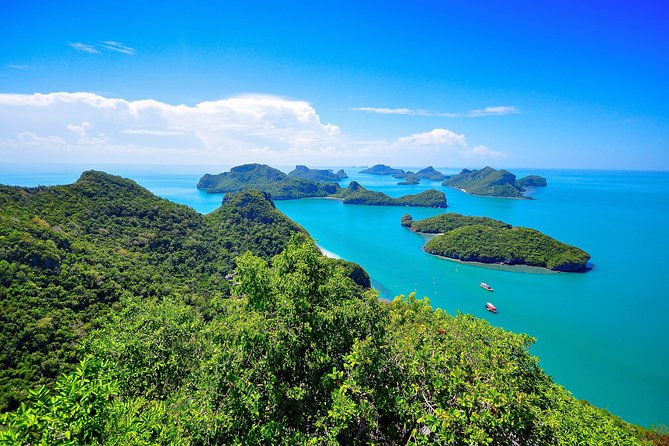
Phang Nga Bay isn’t just one island. It’s a set of limestone formations, mangrove edges, and small islands connected by channels. In this trip, the route is structured around some of the best-looking spots, including Hong Island and Panak Island.
What makes these islands worth the trip is how they look from water level. You’re not just seeing rocky faces; you’re seeing how the water shapes access—some passages look open until you’re right in front of them, then you realize the timing and angles are what make the view work.
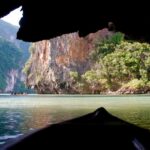
The trip also includes gliding through tunnels and passages that connect sheltered lagoons. This is where you’ll notice the bay’s “hidden” feel. The cave-like passages can make the scenery feel cinematic because the water path narrows and then opens again, with light pouring in when you exit.
If you’re a photo person, plan to slow down. The islands and rock formations are visually busy, so it helps to pause and frame shots rather than constantly moving your camera.
Caves, tunnels, and lagoons: the best part is the pacing
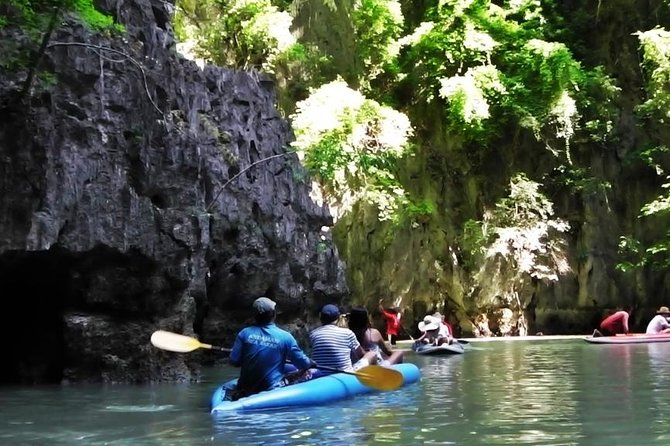
This is the headline act, and it’s also where the tour’s relaxed format helps most. Instead of forcing you to paddle continuously, the boatman and guide keep things moving at a steady tempo. That makes the caves and tunnels feel like part of a smooth route, not a “quick in-and-out” checklist.
Inside limestone caves or narrow passages, you’ll be dealing with natural lighting changes. It can go from bright open water to darker, enclosed spaces within moments. That’s normal here—bring a little patience. Your camera may struggle with the shift, so consider using a simple approach: take fewer shots, steady your angle, and wait for the moment when the light looks right.
Another practical detail: the bay areas can be sheltered, but the sea can still affect how smoothly the canoe glides. That’s why the operator flags weather and sea conditions as determining factors. If conditions are tougher, your route or timing may be adjusted for comfort and safety.



The James Bond Island stop and lunch onboard
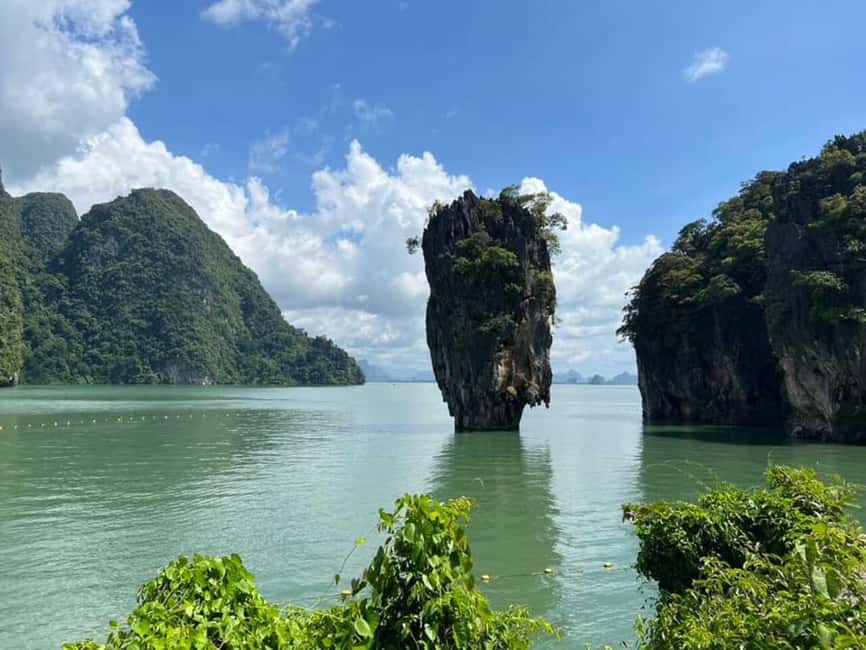
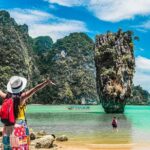
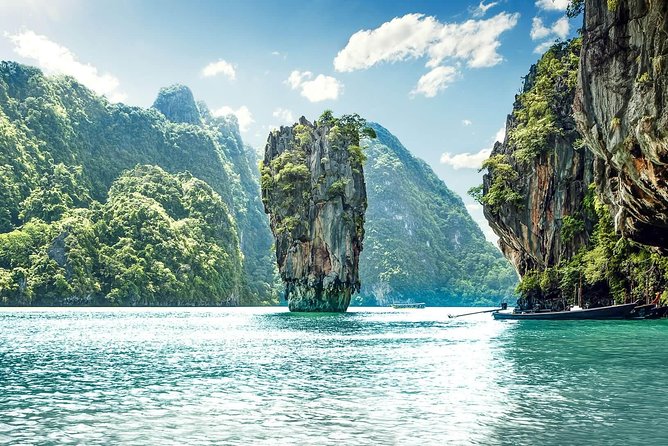
Every Phang Nga day has to include something iconic, and this one includes a break on James Bond Island. Even if you’re not thinking about the film reference, it’s a recognizable rock formation that draws crowds for a reason: the silhouette is dramatic and memorable.
You’re not just there as a tourist herd. The day is organized so you can get that famous sight moment as part of a larger route through the bay. That makes the Bond Island stop feel like a natural punctuation mark rather than the whole point.
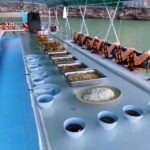
Between the scenic portions, you’ll get a buffet lunch served onboard, along with bottled water throughout the day. This is a key value piece. In other tours, lunch can mean a basic boxed meal or a scramble to find food near the dock. Here, lunch is built into the day, so you can stay focused on the bay and not hunt for meals.
One review specifically praised how the staff cooked lunch onboard, and that matters. Food that’s part of the day plan usually tastes better because the timing feels right and you’re not rushing.
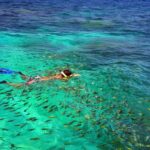
And yes, if conditions allow, there can be time for swimming at the end. The tour info makes weather a factor, so treat swimming as a nice add-on, not a guaranteed activity.
What the day feels like: timing, group limits, and transfer comfort
The tour starts at 11:00 am, but pickup may be earlier—again, often 30–90 minutes before the start time. You’ll want to set aside that whole block so you don’t feel stressed during the waiting period.
Duration is about 7 hours. That’s a satisfying length for this region because you get meaningful time on the water and islands, without the day stretching into an exhausting marathon.
Maximum group size is 40. That number isn’t tiny, but it’s also not huge for an island-water day. It usually translates into less crowding than you’d get with bigger, faster boats, and it helps keep the experience more calm at key moments like boarding and briefing.
If you’re prone to motion sickness, consider preparing just like you would for any boat day. The tour can include sea crossings by ship and open water stretches, even if the kayak portions are designed to be relaxing.
What to pack (and what to skip)
You’ll have a clear kit list, and I recommend sticking close to it. This is a water-and-sun day, so comfort wins.
Bring:
- Swimming wear
- Shorts
- Light t-shirt
- Beach towel
- Sun block and sun cap
- Sunglasses
- Digital camera
- Light deck shoes
- A little money for sundries
Leave behind:
- Anything you hate getting wet (even if water isn’t constant, it’s a sea day)
- Heavy shoes or slippery soles
Also, bring a simple mindset: you’re moving through caves and passages, so you’ll want to avoid bulky items. Keep your important stuff protected, and if you bring a camera, make sure you can access it quickly when the scenery opens up.
Who should book (and who should reconsider)
This tour is described as suitable for most travelers, but there are sensible restrictions.
Avoid the trip if you have:
- Heart conditions, high blood pressure, or congenital disease
- Back, neck, lower back, joint, or muscular problems that make paddling or boat movement uncomfortable
Age and child rules:
- Children 11 and younger must be accompanied by a paying adult
- Children 3 and younger are not permitted
Health and comfort matter here, even though the boatman does most paddling. You’re still on the water, still moving through cave passages, and still in and out of the canoe.
One more practical rule: at least 2 people are required for the activity to run. If you’re booking solo, it may still be possible, but it depends on availability. If the minimum isn’t met, you should expect an alternative date or a refund.
Value for $136.72: what you’re really paying for
At $136.72 per person, the price can feel like a lot at first glance—until you break down what’s included. You’re not just renting a kayak for an hour.
You get:
- Hotel pickup and drop-off
- Guided tour and an English-speaking licensed guide
- Buffet lunch onboard
- Bottled water throughout the day
- A boat setup that includes a personal boatman approach so the day stays relaxing
When you compare it to piecing together transport, paying for a guide, and buying food separately, the value starts to make sense. This is paying for a complete, managed water day with low effort and built-in meals.
It’s also capped to a smaller max group, which often translates to better guiding attention. And the kayak format itself is part of the value: it lets you reach cave and lagoon areas that larger boats can’t reach comfortably.
So the question isn’t only what you pay. It’s what the day costs you in effort and stress. This tour tries to keep that low.
Should you book this Phang Nga Bay sea kayak adventure?
Book it if:
- You want the famous Phang Nga scenery—caves, tunnels, islands, and lagoons—without turning the day into a workout
- You like having lunch and drinks handled for you
- You prefer guided, low-stress logistics with hotel pickup and drop-off
- You’re okay with flexibility if weather changes timing
Skip or reconsider if:
- You have any medical conditions listed for avoidance, especially heart or high blood pressure issues
- You need a totally predictable route regardless of sea conditions
- You’re hoping for a hard-core paddling experience where you control every movement
If you want a day that feels scenic first and strenuous last, this is a strong choice.
FAQ
What time does the tour start?
The tour start time is 11:00 am, with hotel pickup that may occur 30–90 minutes before depending on your hotel location.
How long is the Phang Nga Bay sea kayak adventure?
The duration is about 7 hours.
Is hotel pickup and drop-off included?
Yes. Hotel pickup and drop-off are included.
What’s included for food and drinks?
A buffet lunch is served onboard, and bottled water is provided during the day.
Does the tour have an English-speaking guide?
Yes. An English-speaking licensed guide is included.
What should I bring with me?
Bring swimming wear, shorts, a light t-shirt, a beach towel, sun block, sun cap, sunglasses, a digital camera, light deck shoes, and a little money for sundries.
Are children allowed on this tour?
Children 11 and younger must be accompanied by a paying adult. Children 3 and younger are not permitted.
Is the tour affected by weather?
Yes. Weather and sea conditions determine whether the tour operates, and the schedule may be modified for safety and comfort.
Is the tour refundable if I cancel?
Yes. You can cancel up to 24 hours in advance for a full refund.