REVIEW · CHOENG THALE
Patong: Elephant Sanctuary Eco Guide Walk & Forage Tour
Book on GetYourGuide →Operated by My Holiday Centre Company Limited · Bookable on GetYourGuide
Forage with elephants, not for photos. That’s the vibe of this Patong elephant sanctuary tour, where you walk with retired elephants during their daily routine and learn how caretakers support them. You’ll also get a simple, hands-on role in preparing their food from the farm—banana trees and fresh grass included.
I especially like the elephant behavior education you get along the way, including how to read body language and what relaxed foraging looks like in real life. I also liked the human side of it: caretakers from the hill tribe community, with guides like Mike and Pha sharing how the mahout bond affects daily care.
One drawback to plan around: there’s currently no toilet facility on site, and the team keeps construction minimal to protect the forest.
In This Review
- Key things I’d clock before you go
- Why this Patong elephant eco-walk feels more honest
- The 1-hour itinerary: what happens from start to finish
- Arrival and orientation with caretakers
- The forest walk: watch, learn, and keep pace
- How the caretakers handle happiness and health
- Helping prepare elephant food: banana trees and fresh grass
- The caretakers and the “mahout bond” angle
- Price and value: is $35 a good deal here?
- What to wear and how to act around elephants
- Logistics: meeting point timing and the no-toilet reality
- Who this elephant sanctuary tour is best for
- Should you book the Patong Elephant Sanctuary Eco Guide Walk & Forage Tour?
- FAQ
- How long is the Elephant Sanctuary Eco Guide Walk & Forage Tour?
- What’s included in the tour price?
- Are meals included?
- Do I need to bring anything?
- Is there a toilet facility on site?
- What happens if I arrive late to the meeting point?
Key things I’d clock before you go
- A 1-hour forest routine with retired elephants (not a long animal show)
- Behavior coaching as you walk, so you understand what you’re seeing
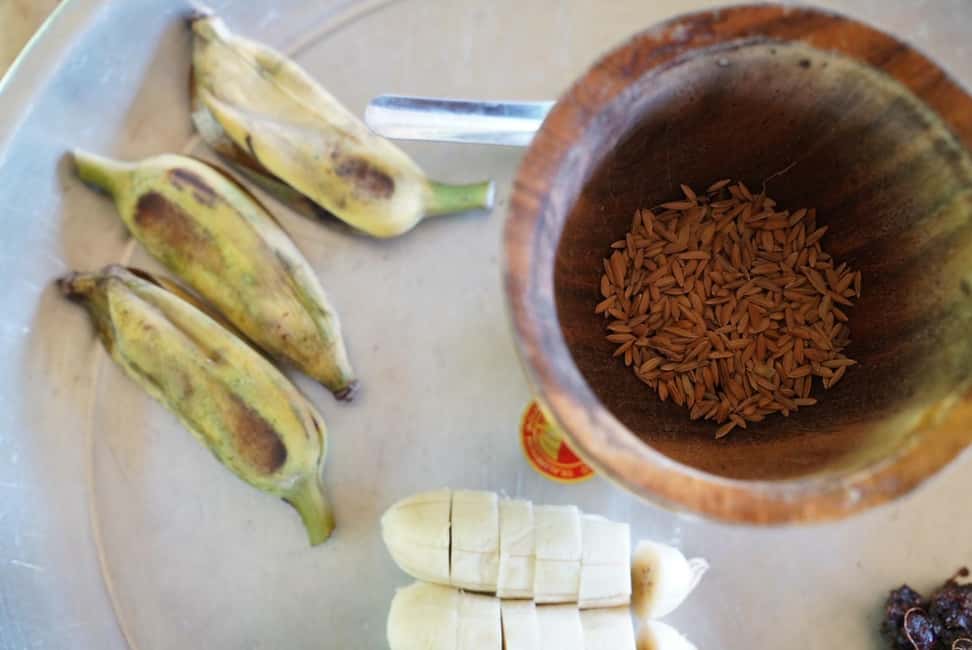
- Food prep is part of the experience: banana tree and grass harvesting
- Caretaking-focused elephant care, including the relationship between mahouts and elephants
- English guide team with a small “eco guide” feel
- Limited facilities right now, including no toilet on site
Why this Patong elephant eco-walk feels more honest
If you’ve ever done a classic animal attraction, you know the pattern: quick photos, tight timing, and lots of forced interaction. This tour aims for the opposite. You’re joining a peaceful, forest walk built around what the elephants choose to do—explore, forage, and interact on their own terms.
The best part is that the tour isn’t only about “seeing elephants.” You’re getting context for how they live now that they’re retired from tourism. That changes your mindset fast. When you understand the daily care routine and why certain behaviors are normal, the encounter becomes calmer and more respectful.
And at $35 per person for a 1-hour guided experience with education, insurance, water, and (optional) hotel transfer, it’s priced like an activity that wants you engaged—not just watching from a distance.
You can also read our reviews of more walking tours in Choeng Thale

The 1-hour itinerary: what happens from start to finish
This is a short tour on purpose. You start with an orientation, you walk, then you help with food prep. That makes it easy to fit into a busy Phuket itinerary—without spending half a day getting there and back.
Arrival and orientation with caretakers
Plan to arrive at least 15 minutes early. The tour starts on time, and if you’re late, you won’t be able to wait—you’ll need to join the next available schedule (subject to availability).
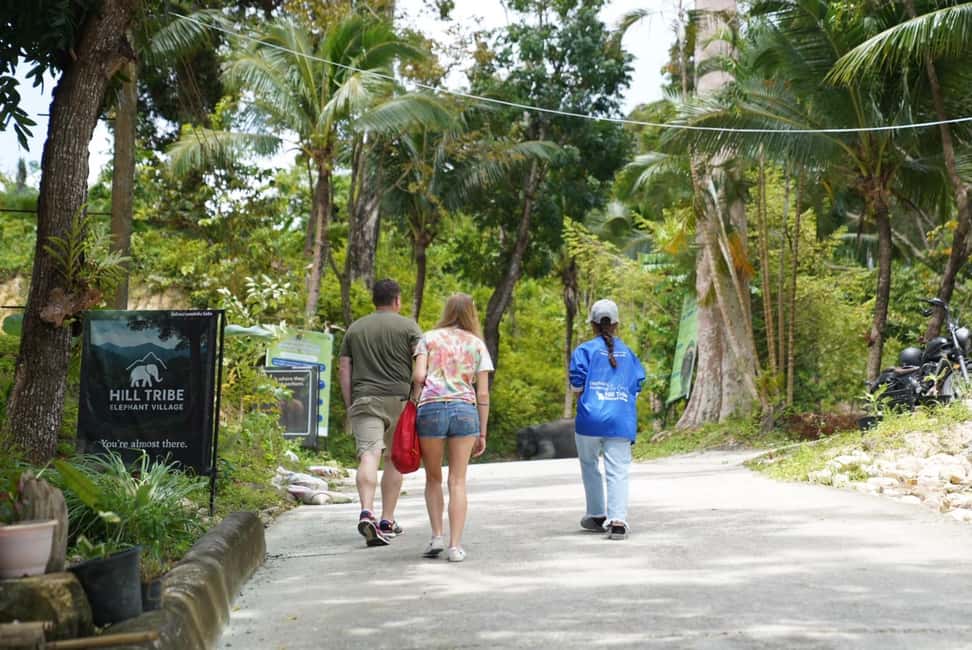
Once you’re settled, you’ll meet the elephants and the caretakers from the hill tribe community. This is where you learn the big picture: these elephants are retired from tourism, and their care is built around their needs, plus the strong bond between mahouts and elephants. It’s also where you’re set up to act correctly during the walk—because the point is to observe and support, not crowd.
If you’re hoping for a glossy pitch, skip that expectation. The tone is practical: this is daily care work, explained in an approachable way.
The forest walk: watch, learn, and keep pace
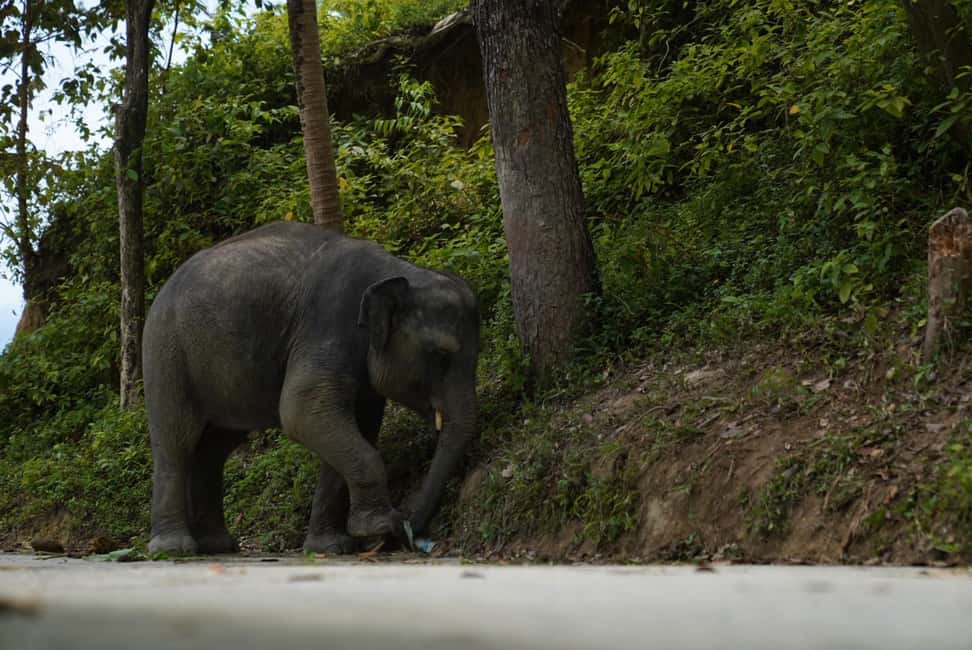
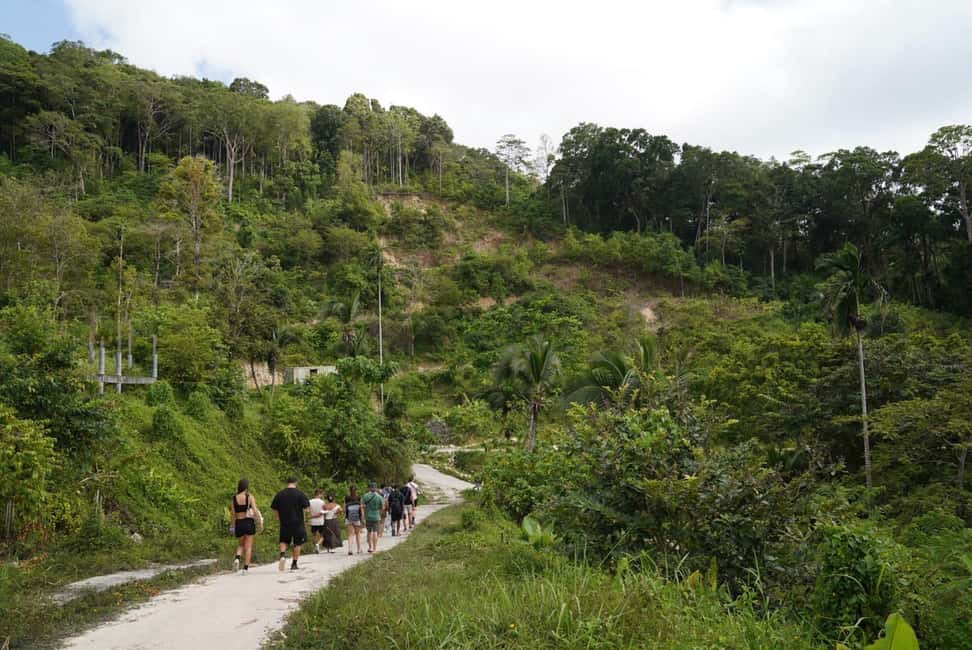
Then you head into the forest with the elephants. During the walk, guides explain real behavior and help you interpret what you’re seeing—things like body language and how elephants forage and move when they feel comfortable.
One practical win: the walk is described as relaxed and natural. That matters because “elephant tours” can turn stressful fast if the group is constantly pressuring the animals. Here, the emphasis is on letting elephants follow their own routine.
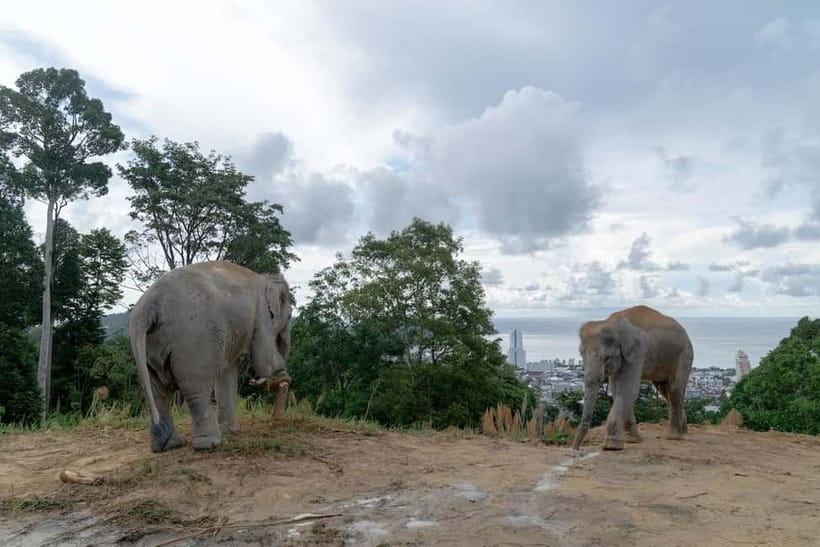
From the on-the-ground vibe described by participants, it can also feel like you’re moving with a purpose: not a march, but a guided observation trail. Some groups even mention a short hike and a view over Patong Beach along the way, which adds a scenic payoff without turning the day into a long trek.
How the caretakers handle happiness and health
A lot of “ethical” marketing sounds the same. The value here is the explanation of daily care—how the team keeps elephants happy and healthy. Expect the guide to connect what you observe (patterns, comfort behaviors, forage behavior) with why those routines matter.
You may also get chances to help support care tasks. For example, one participant noted cooling an elephant down by hosing it off. The tour description doesn’t promise this for everyone, but the fact it’s brought up tells you the day is hands-on around real caretaking activities—not just a lecture.

Helping prepare elephant food: banana trees and fresh grass
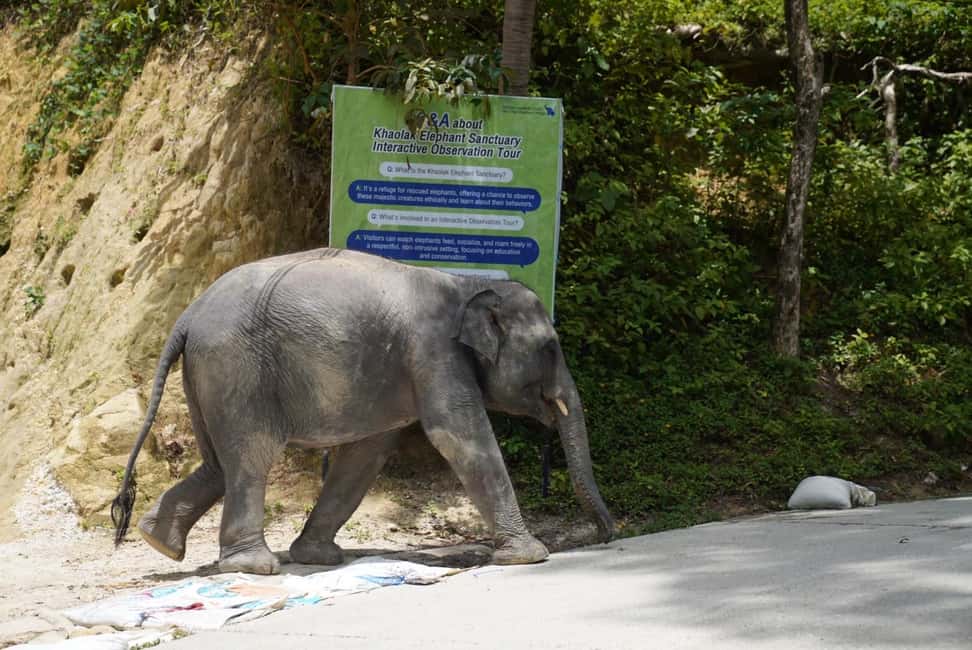
This is the part I’d call the heart of the experience. After the walk, you shift from “observer” to “helper.”
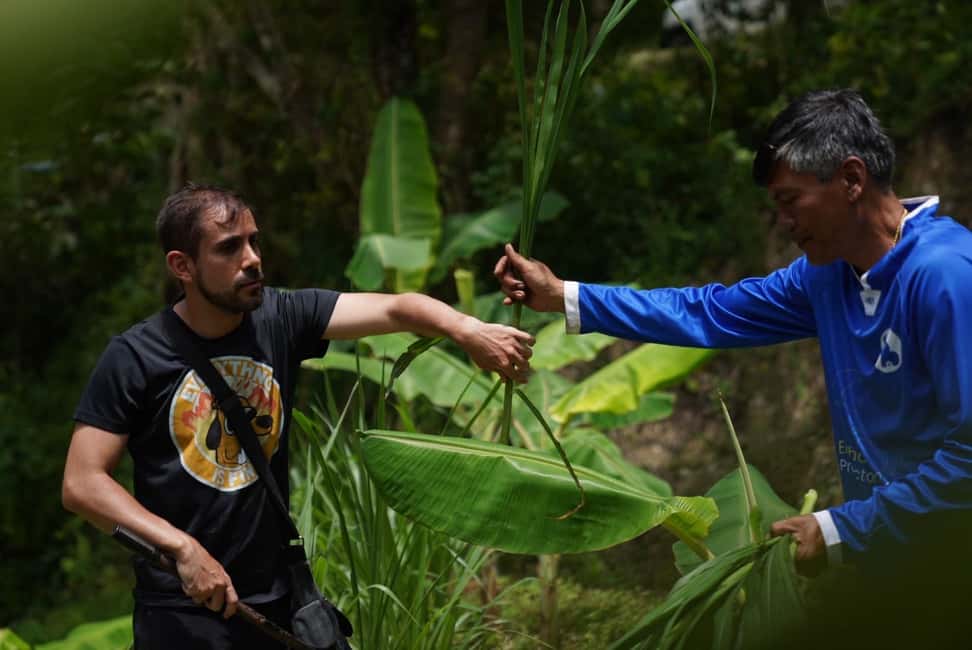
The tour includes banana tree and grass harvesting from the farm. In practice, that means you’ll help cut banana trees and collect fresh grass that’s part of the elephants’ daily diet. It’s a little work, but it’s also oddly satisfying because you can link the action directly to care.
Why it’s valuable: it gives you a concrete sense of what caretaking requires. Elephant care isn’t just feeding—there’s sourcing, preparing, and routine maintenance. When you help harvest, you understand the effort behind the calm forest walk.
A quick note for expectations: there are no meals included. Also, water is provided, but they ask you to bring a reused bottle. So plan for thirst, especially in Thailand heat.
The caretakers and the “mahout bond” angle
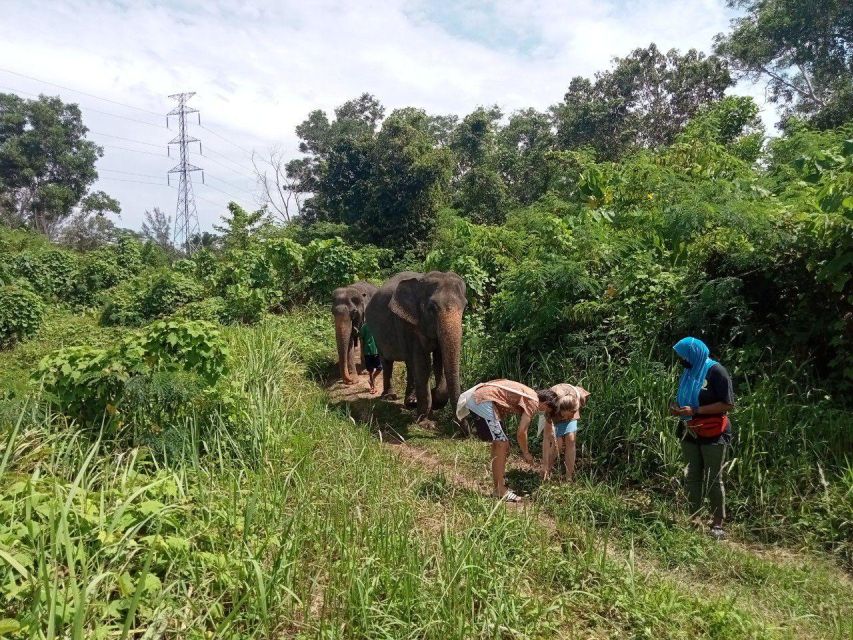
One reason this tour earns strong ratings is that it doesn’t treat the elephants like props. The guides focus on the relationship between mahouts and elephants, and how retirement changes daily life.
During the education session, you’ll hear about the elephants’ history and daily care routines. That context helps you notice details you might otherwise miss—like what “relaxed” behavior actually looks like, and why elephants may roam and forage rather than perform.
You’ll also spend time with caretakers from the hill tribe community. That matters because it shifts the cultural lens from entertainment to stewardship. You’re not just consuming an animal experience; you’re learning how a community cares for a working animal in a sanctuary setting.
And yes, specific guides show up in feedback. People mention Mike for welcome and passion, and Pha as a great guide. Even if your guide is different, the style is clear: knowledgeable explanations, friendly energy, and a respect-first approach.
Price and value: is $35 a good deal here?
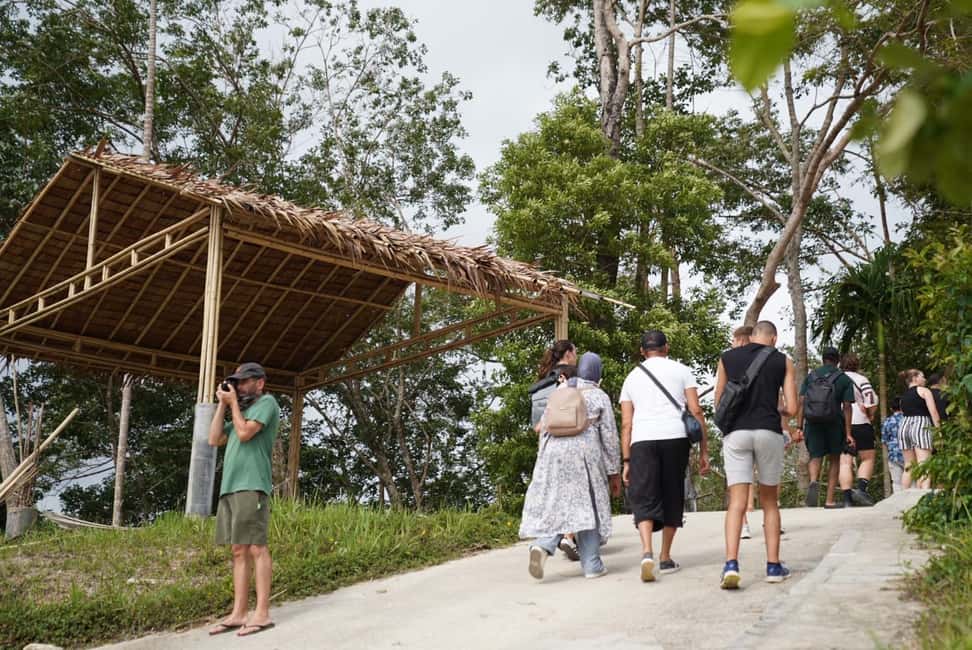
At $35 per person, this is the kind of activity that can feel either “worth it” or “wait, is that all?” depending on what you expect from a Thailand elephant day.
Here’s the value math that makes it make sense:
- You’re getting a guided forest walk with elephant behavior education.
- You get hands-on food prep (banana trees and grass harvesting).
- You receive drinking water and the tour includes insurance.
- Hotel transfer is included only if you pick that option.
- It’s only 1 hour, which keeps it affordable and helps limit how long elephants are exposed to crowds.
So if your goal is a quick photo op, you may feel let down. If your goal is a short, meaningful, caretaking-centered interaction, it’s a solid use of time and money.
The biggest “hidden value” is learning. Once you understand elephant behavior and body language basics, your whole encounter feels less chaotic and more respectful.
What to wear and how to act around elephants
The tour doesn’t spell out a dress code, but you should prepare for forest conditions and hands-on activity.
I recommend:
- Wear closed-toe shoes with grip (you’ll be walking on uneven ground).
- Bring a light layer for rain or sun, since you’re in the outdoors.
- Use sunscreen and insect protection. In the forest, mosquitoes are not shy.
- Expect to hold still at times while elephants move naturally—don’t rush toward them.
Behavior-wise, keep it simple: stay calm, listen to the guide, and follow instructions. The tour description stresses a respectful approach, and participants specifically mention elephants are never forced to interact and are free to do as they please. That freedom is the whole point—so you shouldn’t try to override it.
Also: alcohol and drugs are not allowed. So keep it clear-headed.
Logistics: meeting point timing and the no-toilet reality
This is where many tours accidentally trip people up, so don’t ignore it.
- Arrive 15 minutes early. If you arrive late, the team won’t wait and you’ll join the next available schedule (subject to availability).
- No meals included. Plan food before or after.
- No toilet facility currently. This is listed as a sanctuary priority: they’re avoiding construction to protect the forest and give elephants more space to roam. Bring that reality into your planning, even if it’s mildly inconvenient.
One more practical detail: language is English, so the session should be easy to follow without translation.
Who this elephant sanctuary tour is best for
This works best if you:
- Want a short, guided encounter instead of a long day.
- Care about understanding elephant behavior, not just taking photos.
- Prefer a more peaceful experience built around natural routines.
- Are okay with basic on-site facilities (or the lack of one toilet right now).
It may not be your best choice if you’re looking for:
- A full-day adventure with lots of extra stops.
- A guaranteed luxury level of comfort on site.
- A sit-down meal included in the ticket.
Should you book the Patong Elephant Sanctuary Eco Guide Walk & Forage Tour?
Here’s my straight take: I’d book it if you want an ethical, education-forward elephant experience in Patong that’s built around daily care and forest routine. The combination of a guided walk plus hands-on food harvesting makes it more meaningful than a passive viewing experience, and the price feels fair for what’s included.
Skip it only if the no-toilet situation would be a dealbreaker for you, or if you’re expecting a big entertainment-style day. If you can handle basic logistics and you’re ready to pay attention, you’ll leave with clearer understanding—and a better sense of what caretaking actually involves.
FAQ
How long is the Elephant Sanctuary Eco Guide Walk & Forage Tour?
It’s a 1-hour experience.
What’s included in the tour price?
You get a guided forest walk with the elephants, an elephant education session, banana tree and grass harvesting, drinking water (bring a reused bottle), insurance, and hotel transfer if you select that option.
Are meals included?
No, meals are not included.
Do I need to bring anything?
They provide drinking water, but you should bring a reused bottle. It also helps to come prepared for a forest walk and food harvesting activity.
Is there a toilet facility on site?
No, there is currently no toilet facility. The sanctuary is keeping construction minimal to preserve natural forest space.
What happens if I arrive late to the meeting point?
You should arrive at least 15 minutes early. If you arrive late, they won’t be able to wait and you’ll need to join the next available schedule (subject to availability).