REVIEW · THAILAND
Khao Lak: Unique Dawn Ethical Elephant Sanctuary Experience
Book on GetYourGuide →Operated by Phang Nga Elephant Park · Bookable on GetYourGuide
Dawn in the jungle beats the crowds. This Khao Lak experience pairs you with a handler routine and lets you see how Asian elephants move through a calm morning—finding your elephant after night foraging, walking her in, and then watching a real rock-pool bath. I love that it feels structured around care (not stunts) and focused on respectful handling.
What I like most is the face-to-face time: you help with the handler’s morning routine, you assist with health checks, and you get to feed and scrub the elephant afterward. Another win is the context you get along the way—how elephants behave, what their daily rhythm looks like, and why those steps matter for welfare.
One thing to consider: this is an early-start, wet-and-mucky morning. You’ll want the right gear, and the tour is not suitable for children under 12, so plan around that if you’re traveling as a family.
In This Review
- Key things to know before you go
- Dawn Retrieval in Phang Nga: Why This Morning Feels Different
- The 4-Hour Schedule: Walk, Bath, Health Checks, and Lunch
- Pickup and the calm start
- Heading into the jungle to find your elephant
- Returning with your elephant to the park
- Morning bath in a rock pool
- Feeding, skin care, and a health check
- Traditional Thai brunch and facilities
- Who This Tour Is Best For (And Who Should Skip It)
- Ethics and Welfare: How to Read What You’re Seeing
- Practical Tips That Make a Big Difference
- What to bring
- Shoes and footing
- Expect an early start rhythm
- Language and questions
- Guides and Handlers: Why Names Matter for Your Confidence
- Value and Price: Is $112 Worth It?
- Should You Book This Khao Lak Dawn Elephant Experience?
- FAQ
- What’s the duration of the dawn elephant sanctuary experience?
- What activities are included in the tour?
- Do I need swimwear and a towel?
- What should I wear or bring for the jungle portion?
- Is this tour suitable for children?
- Is hotel pickup included?
- Can I cancel for a refund?
Key things to know before you go
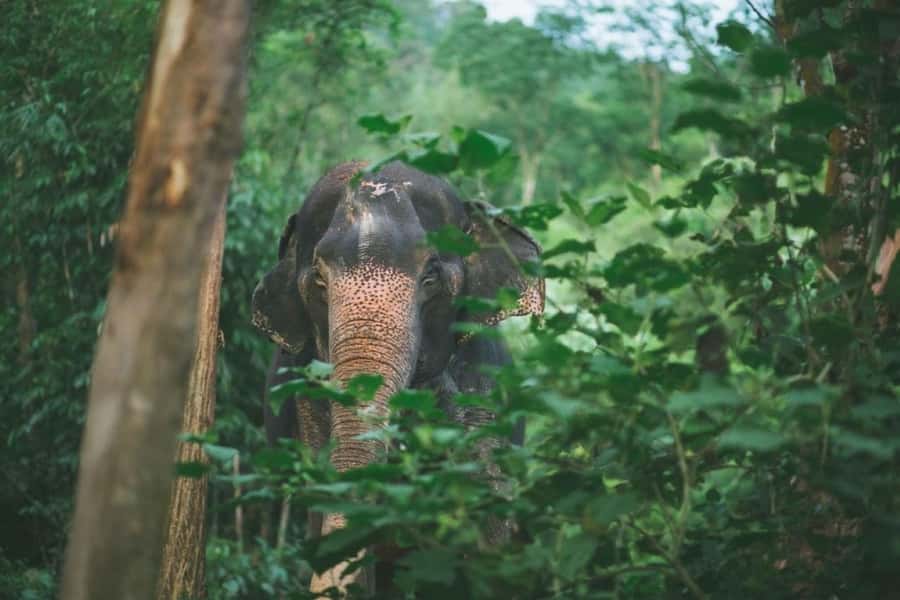
- Early dawn elephant retrieval: You join the hunt-and-find part of the routine, after the elephant’s night foraging.
- A real handler partnership: You work alongside the kwan-chang (elephant handler) approach to morning care.
- Rock-pool bathing time: You’ll see your elephant bathe in a refreshing rock pool as part of the routine.
- Health check demonstration: You’ll watch and learn what a keeper/mahut looks for during a morning check.
- Thai brunch with shower access: A freshly cooked Thai meal plus clean, practical facilities for rinse-off and storage.
Dawn Retrieval in Phang Nga: Why This Morning Feels Different
The big difference with this dawn option is timing. You start when the day is still quiet, before bigger groups roll in. That means the focus stays on the elephants and the people caring for them, instead of turning into a cattle-line photo safari.
This is also not a sit-and-watch setup. You join the process of bringing your elephant in from the hills. In practice, that turns the morning into a walking, learning, and assisting rhythm. You’re not just observing from a distance—you’re part of the flow that matches how the keepers handle morning tasks.
Because it’s a family-run sanctuary-style experience in the rural jungle, you’ll feel the setting. The guide gives you the background you need to understand what you’re seeing: elephant behavior, typical daily patterns, and what “care” actually looks like day to day.
And yes, it’s early. You’ll be glad you did it once you’re standing there watching your elephant settle into the morning routine—calm, familiar with handlers, and doing elephant stuff the elephant way.
You can also read our reviews of more tours and experiences in Thailand.
The 4-Hour Schedule: Walk, Bath, Health Checks, and Lunch
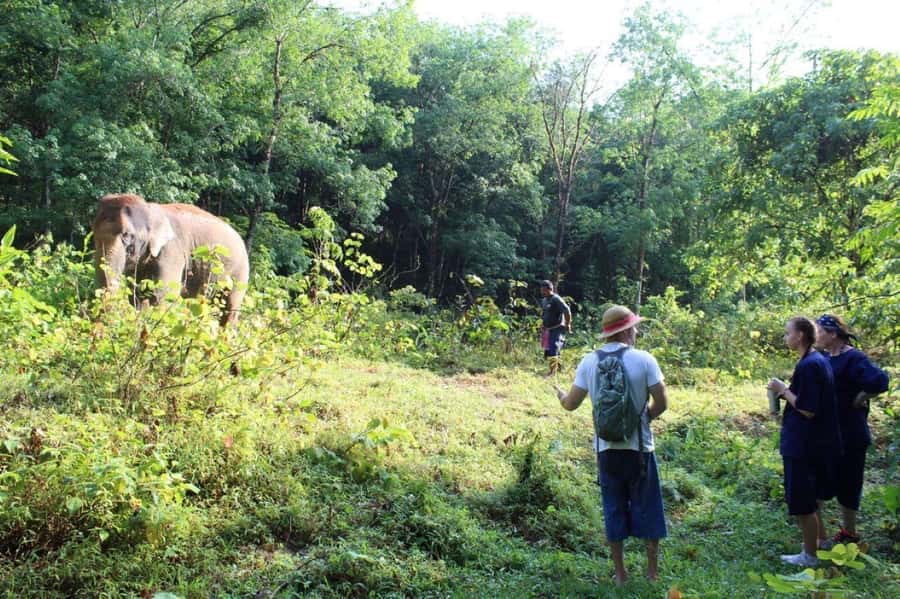
The total time is about 4 hours, and it’s built around a tight sequence. Here’s how your morning typically unfolds.
Pickup and the calm start
You’ll get picked up from your hotel. Plan to be ready—wait in the lobby about 10 minutes before the scheduled pickup time. The early departure matters because you’re joining the elephant’s routine, not squeezing it between bus drop-offs.
Heading into the jungle to find your elephant
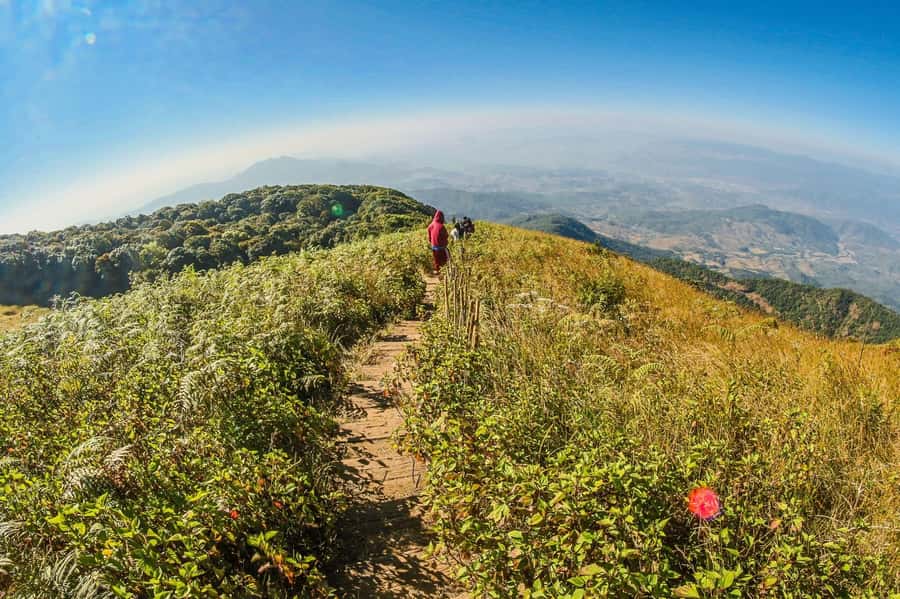
Once you’re on the way, you’ll set off with your guide and the handler team. The route can include crossing a small stream or river, so solid footwear helps. One review noted a section that involved walking through water, sometimes knee-deep, so don’t show up in flip-flops and hope for the best.
This part is your first dose of “real Thailand jungle.” You’re not just there to see an animal. You’re there to understand the geography and daily movement that shape elephant life.
Returning with your elephant to the park
After you find your elephant, you walk back together toward Phang Nga Elephant Park. This is where the experience becomes very personal. You’ll see how the kwan-chang approaches the elephant, reads what the elephant wants, and works with the elephant’s mood.
A keeper’s ability to communicate matters here. In the reviews, mahuts such as Dong and guides like Hans and Saipan were praised for their patience and clear explanations. The takeaway for you: you’re watching an actual working relationship, not forcing the elephant into tricks.



Morning bath in a rock pool
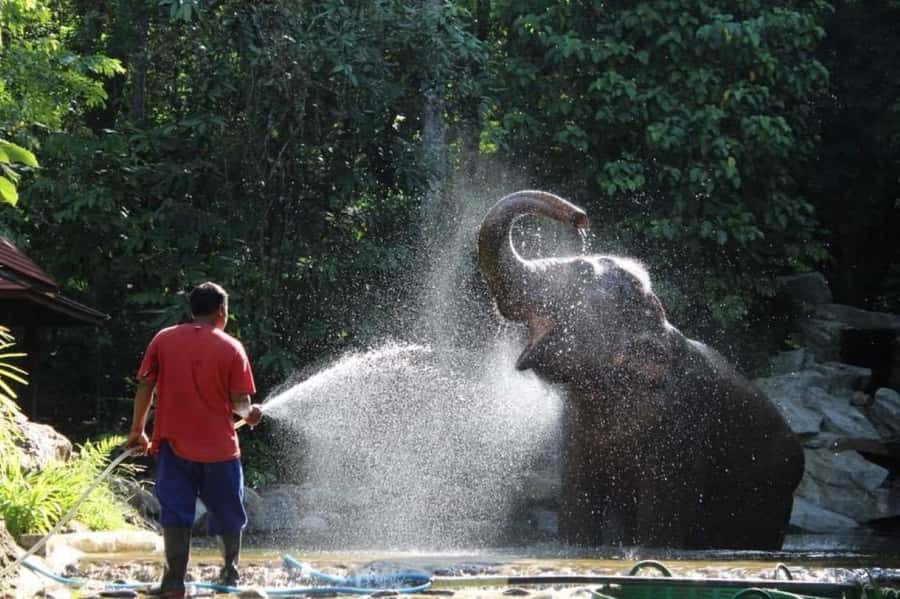
Once you’re at the park, the routine continues with a bath in a refreshing rock pool. This is included and it’s one of the most vivid moments of the tour. It also explains why you should bring swimwear and a towel. Even if you’re not fully in the water, you’ll want to be comfortable during the cleaning part of the day.
There’s usually a visible change when bathing starts: the elephant relaxes, skin care becomes the focus, and the morning feels like a genuine care session.
Feeding, skin care, and a health check
After bathing, you’ll join the later steps: feeding, and then a demonstration of an elephant health check. This matters more than most people realize. Health checks are the moment when the keeper looks for small issues before they become big ones.
The tour also includes “taking care of your elephant’s skin,” which fits naturally after bathing. You’ll learn why skin care is part of welfare, not just a nice-to-have. If you care about ethics and animal wellbeing, this is where you’ll feel the most confident in what you’re supporting.
Traditional Thai brunch and facilities
You’ll end with a delicious traditional Thai brunch. In one review, the food was specifically called very tasty, and it’s exactly the kind of meal that makes early mornings feel worth it.
The park also offers excellent shower and locker-room facilities so you can rinse off and store your belongings. That’s a practical detail that many animal encounters forget.
Who This Tour Is Best For (And Who Should Skip It)
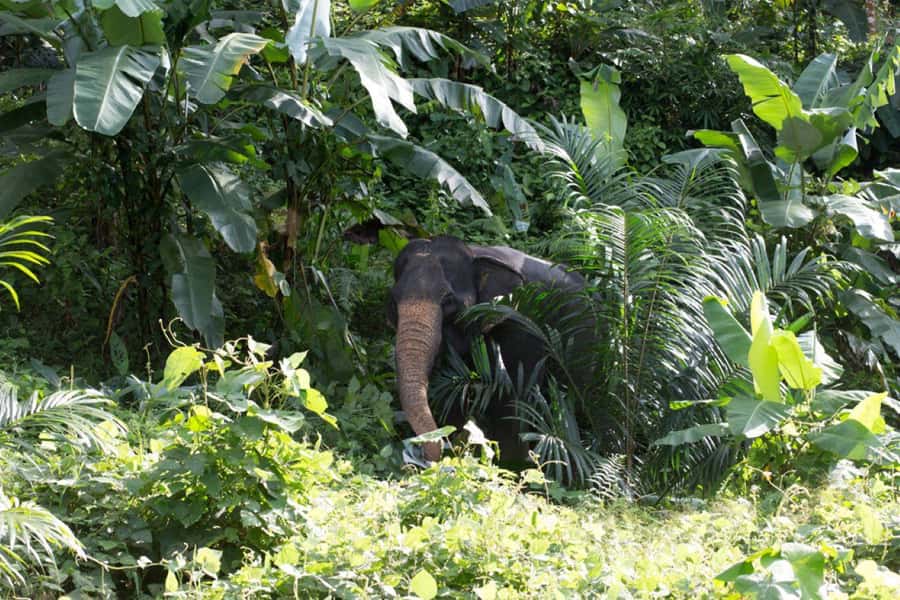
This experience is a strong fit if you:
- Want a hands-on elephant morning rather than a distant viewing show.
- Like learning routines and behavior, not just taking photos.
- Prefer an experience that centers the handler-elephant relationship.
- Are traveling in a small group. Reviews mention small numbers like 3 people, and that tends to make questions easier and the pace calmer.
It’s not a fit if you need:
- A fully seated experience. You’ll be walking and moving through jungle terrain.
- A family setup for young kids. This tour is not suitable for children under 12.
Also, be honest about your comfort with early starts and wet conditions. You’ll have a better time if you show up prepared rather than surprised.
Ethics and Welfare: How to Read What You’re Seeing
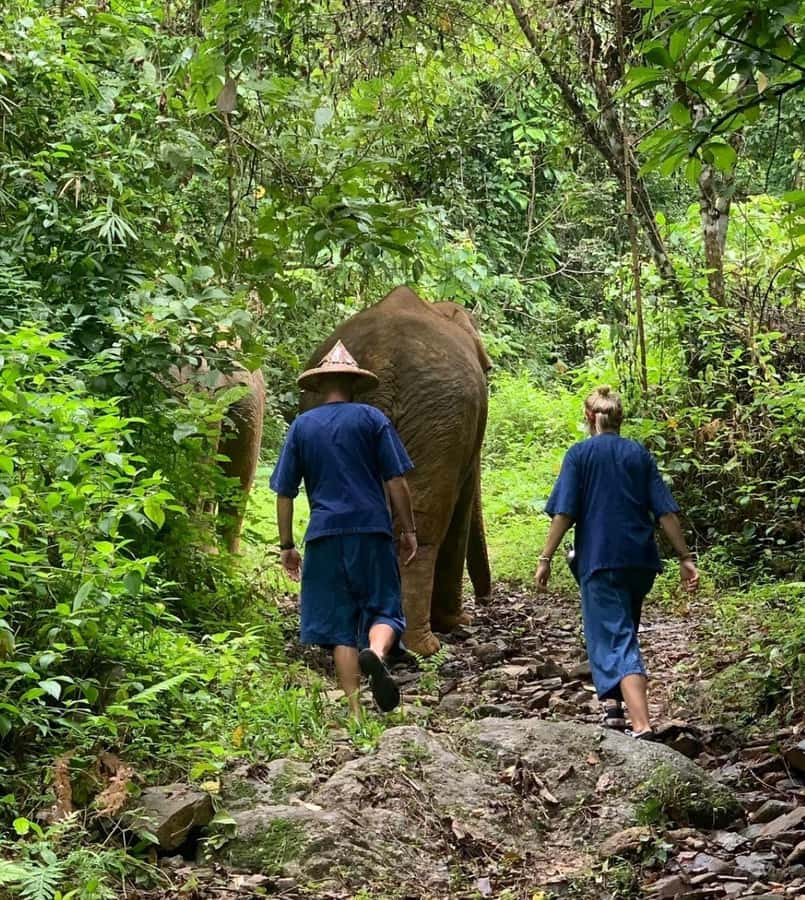
Let’s talk ethics, because “sanctuary” is a word people throw around. What helps you judge this one is how the routine is described and how it plays in the real moments.
First, the experience is built around handlers doing their job: searching for the elephant, bringing her in, and continuing morning care. When an activity is based on care routines—bath, skin care, feeding, and health checks—that’s usually a good sign that the elephant’s wellbeing drives the schedule.
Second, the tours emphasize the handler’s role and communication. Reviews praised that the mahut listens completely to the elephant and that there’s no pushing when the elephant isn’t interested in a task. You don’t need to turn this into a courtroom. Just watch for calm body language and cooperative behavior between handler and elephant.
Third, the sanctuary frames elephants as ambassadors of their species and notes that elephants come from working camps. That context matters because it supports the idea that the elephants are being cared for day to day, not showcased only when visitors arrive.
No experience is perfect on paper. But the best sign here is the structure: it’s routine-led, care-led, and education-led, with time spent on the elephant’s morning needs.
Practical Tips That Make a Big Difference
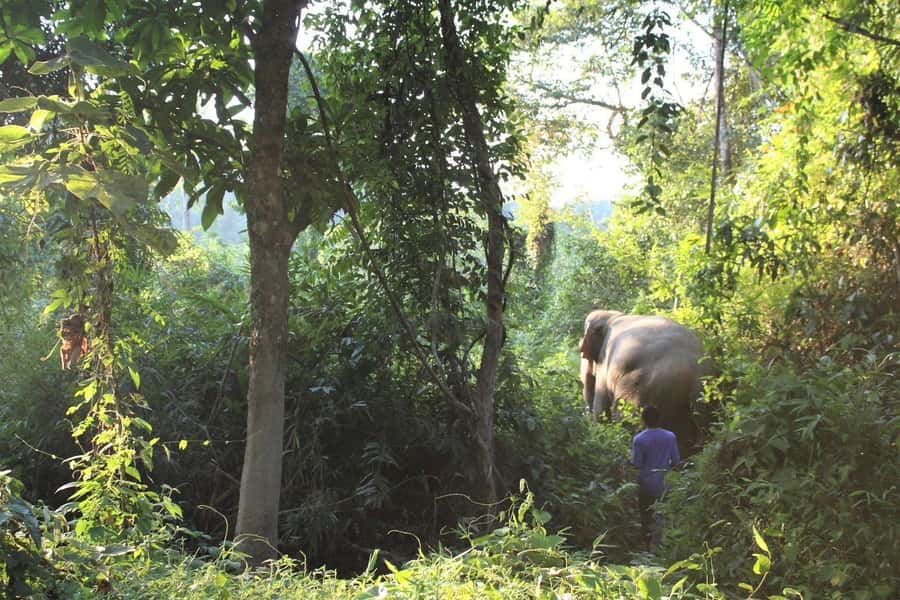
Small gear choices change the whole day.
What to bring
You’ll want:
- Change of clothes (seriously)
- A towel
- Swimwear (for the rock pool bath)
- Insect repellent
- Passport (a copy is accepted)
If you’re the type who packs light, still don’t skip the basics. The morning can get wet and you’ll end up happier if you’re not stuck drying off with borrowed stuff.
Shoes and footing
Wear shoes suitable for trekking. One review warned about water crossings and ankle-to-knee depth spots. You don’t need hiking boots made of steel, but you do need something that handles mud and damp ground.
Expect an early start rhythm
This is a dawn experience. You’ll want breakfast after the brunch, not before. Plan for the fact that your morning will be active—walking to retrieve and then moving through the care steps.
Language and questions
The guide is English-speaking, and the tone from reviews points to patient answers. Come with your questions. If you care about elephant behavior, ask about the handler’s morning routine and what health checks look for.
Guides and Handlers: Why Names Matter for Your Confidence
Elephant experiences live or die by how calm, skilled, and communicative your guide and handler are. The reviews consistently praise specific people by name, which gives you useful clues about what good support looks like.
You might be guided by someone like Hans, Joy, or Saipan, and you may meet mahuts/handlers such as Dong. The shared theme in the praise is patience and clear teaching—guides who explain elephant behavior and keep the mood respectful and relaxed.
Even if you don’t get those exact names, aim to choose a time and operator that clearly trains guides and supports handlers in delivering care-based education.
Value and Price: Is $112 Worth It?
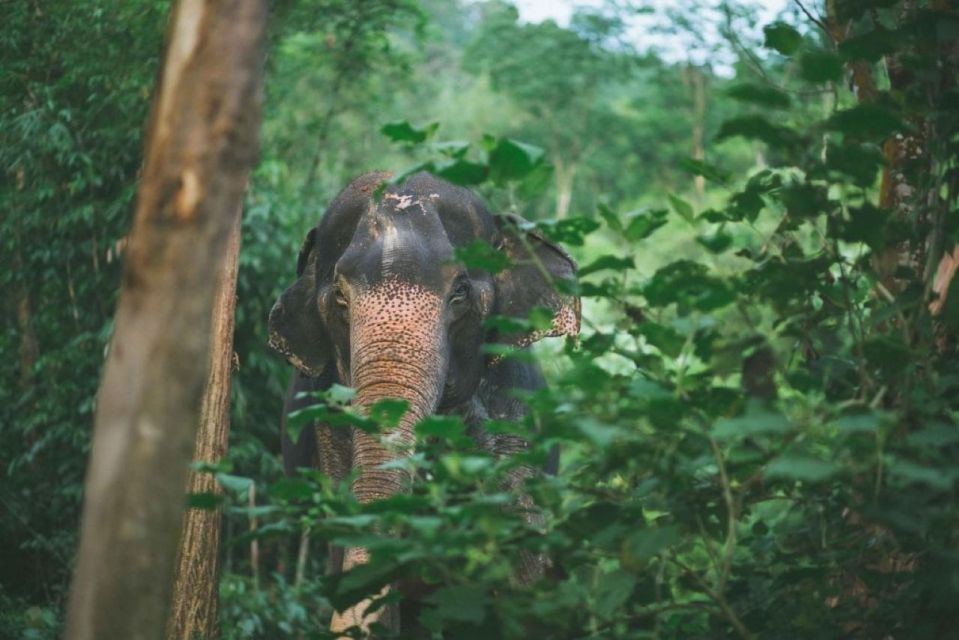
At $112 per person for about 4 hours, you’re paying for more than an entrance ticket. You’re paying for:
- A dedicated morning that includes elephant retrieval from the jungle area.
- Time with the handler routine and learning about elephant behavior.
- A bath, skin care, feeding, and a health check demonstration.
- An actual meal—traditional Thai brunch—plus shower and locker facilities.
If you compare this to typical elephant attractions where you mostly watch or do a short, crowd-driven interaction, this one spends its time differently. It’s structured around welfare tasks and education. That’s the kind of value that’s harder to quantify, but you’ll feel it in the pacing: fewer gimmicks, more care steps, and more time for questions.
So for me, the cost makes sense if you care about seeing welfare routines up close. If you just want a quick photo moment, you might find a cheaper option. But if you want the morning story from jungle to park, $112 starts to look fair.
Should You Book This Khao Lak Dawn Elephant Experience?
Book it if you:
- Want a care-first elephant experience with real learning time.
- Enjoy early mornings and don’t mind trekking.
- Think health checks and skin care are more meaningful than a ride or a show.
- Prefer a smaller-group feel and lots of guide interaction.
Consider skipping or choosing something else if you:
- Can’t handle wet, muddy footing and early pickup.
- Need a kid-friendly tour for children under 12.
- Want a fully comfortable, minimal-moving experience.
If your priority is ethically framed, routine-based elephant interaction—especially the retrieval moment and the health check—this dawn option is one of the better matches in the Khao Lak area.
FAQ
What’s the duration of the dawn elephant sanctuary experience?
The experience lasts about 4 hours.
What activities are included in the tour?
You get an English-speaking guide, learning about Asian elephants, retrieving your elephant from where she spent the night, assisting with the handler’s morning routine, watching the elephant bathe in a rock pool, feeding your elephant, and performing or observing a full health check. You’ll also get traditional Thai brunch and facilities with showers and lockers.
Do I need swimwear and a towel?
Yes. The tour includes watching your elephant bathe in a rock pool, so swimwear and a towel are recommended.
What should I wear or bring for the jungle portion?
Bring change of clothes, insect repellent, and shoes suitable for trekking since there can be water crossings. A towel and swimwear will also help.
Is this tour suitable for children?
No. It is not suitable for children under 12.
Is hotel pickup included?
Yes. Pickup is included, and you should wait in the hotel lobby about 10 minutes before the scheduled pickup time.
Can I cancel for a refund?
Yes. You can cancel up to 24 hours in advance for a full refund.
If you want, tell me your travel month and whether you’re booking as a couple or with friends, and I’ll suggest what time of day to pick for the best comfort with the jungle conditions.