REVIEW · PHUKET
Khao Lak: Ethical Overnight Elephant Sanctuary Experience
Book on GetYourGuide →Operated by Khao Lak Ethical Elephant Sanctuary · Bookable on GetYourGuide
A day with elephants can be too wild or too fake. This Khao Lak overnight keeps it welfare-first and slow, with you learning their routines instead of forcing a show.
What I like most is the focus on respectful observation and real caretaker work, and the fact that the program is built around free-roaming elephants in a natural setting. The chance to walk with caretakers in the forest and see elephants at ease is the kind of experience you don’t forget.
One thing to keep in mind: when the elephants aren’t comfortable with an activity, the day can run differently, and you should expect some wet and muddy conditions.
In This Review
- Key things that make this overnight different
- Why Khao Lak’s overnight elephant day feels more real
- The ethics: what you can expect around elephants
- Day 1: forest walk, caretaker chores, and Thai culture
- Day 2: the caretaker routine continues (and why that’s worth it)
- The elephant encounters: close enough to connect, far enough to respect
- Cooking class and farm stops: a nice change of pace
- Sai Rung Waterfall: short swim, big reminder to pack for mess
- Price and value: what $318 buys you
- Transport, timing, and how the day actually runs
- Who this fits best (and who should skip it)
- Should you book this overnight elephant sanctuary in Khao Lak?
- FAQ
- Can I ride the elephants?
- Is touching, feeding, or bathing included?
- What’s the duration and overall schedule?
- Where are the pickup and drop-off locations?
- How big is the group?
- How wet or muddy should I expect it to get?
- Is the experience suitable for wheelchair users?
Key things that make this overnight different
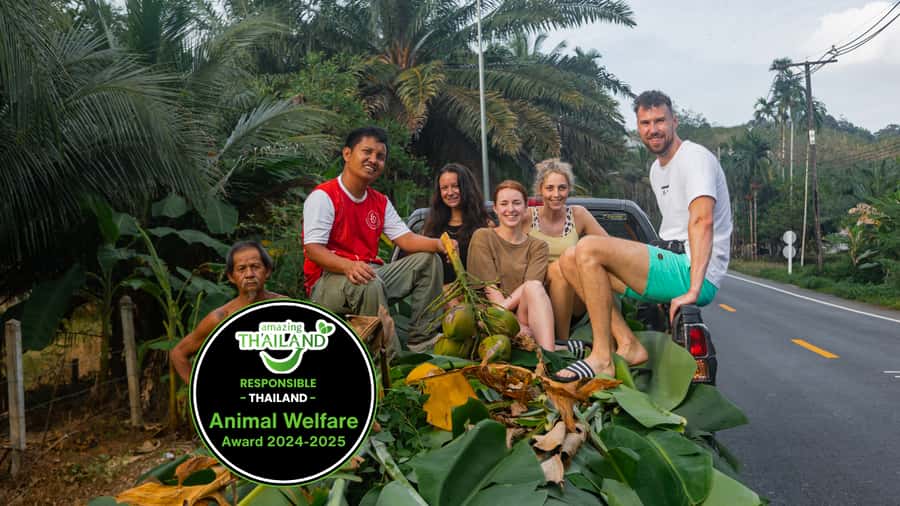
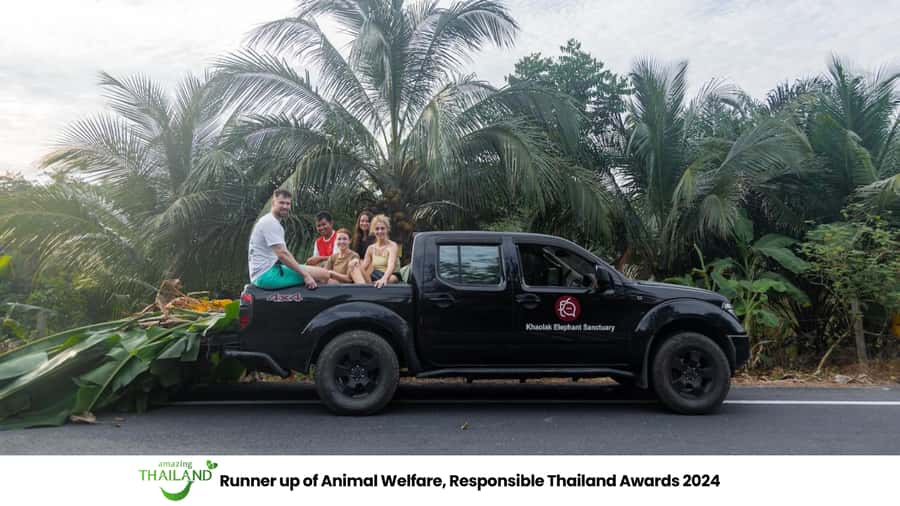
- Runner-up for Animal Welfare (2024–2025), with strict rules like no riding and no bathing
- Observe-first approach: you’re there to watch and learn, not control the elephants
- Caretaker routines, not tricks: cleaning, foraging, and feeding-prep-style tasks
- Small group limit (15) for a calmer, less chaotic experience
- Nature-heavy schedule including forest time, a river viewing moment, and Sai Rung Waterfall
- Bamboo bungalow night that fits the slow-travel vibe
Why Khao Lak’s overnight elephant day feels more real
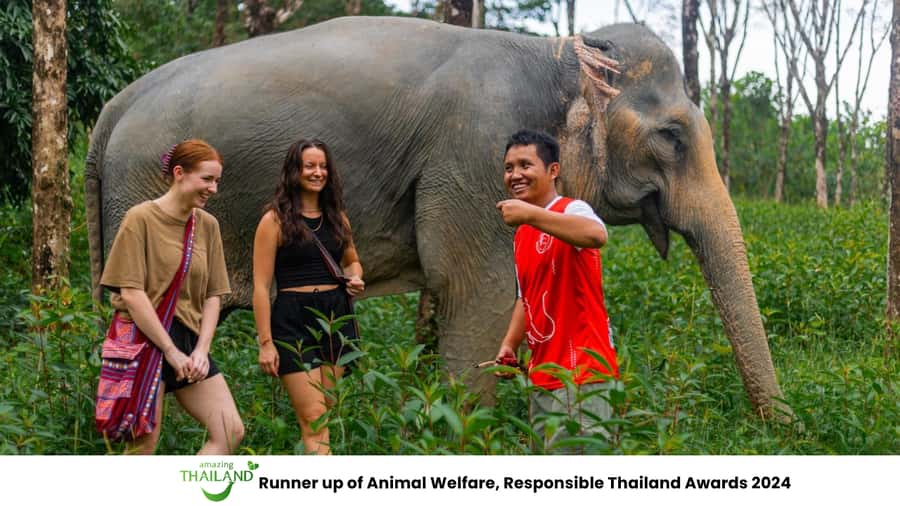
Khao Lak is famous for beaches, but this program points you toward something more grounded. You spend two days following the rhythms that keep elephants safe and stress-free. That means the pace is slower, and the boundaries are clear: you’re not there to pose, touch, or force anything.
I especially like how the day is structured around what elephants actually do. You’re walking in the forest to observe elephants in a natural way, then you shift into quieter caretaker tasks like cleaning and foraging. Even the fun bits (like river playtime viewing and waterfall time) happen around an elephant-first mindset, not as a performance.
There’s also the human side. A guide named Bad Tony comes up in multiple experiences as funny, sharp, and genuinely into elephant care. When your guide can explain what you’re seeing and why it matters, the day feels less like a checklist and more like understanding.
You can also read our reviews of more tours and experiences in Phuket.



The ethics: what you can expect around elephants
This sanctuary runs on a strict welfare-first approach. The headline rules are simple and you should treat them as non-negotiable: no riding, no touching, no feeding, and no bathing as an interaction style. The program is designed around observe-only moments so elephants stay in control of what they choose.
That said, you still get involved in meaningful ways. You might help prepare or handle items connected to the elephants’ care during caretaker routines, and you’ll often be close enough to understand their body language. The goal is not hands-on intimacy. The goal is respectful learning.
Important practical note: the elephants are not forced to engage. If an activity can’t be carried out as planned due to the elephants’ comfort, you’re not getting a redo on your schedule. The upside is that it protects the animals and keeps the day honest.
Day 1: forest walk, caretaker chores, and Thai culture
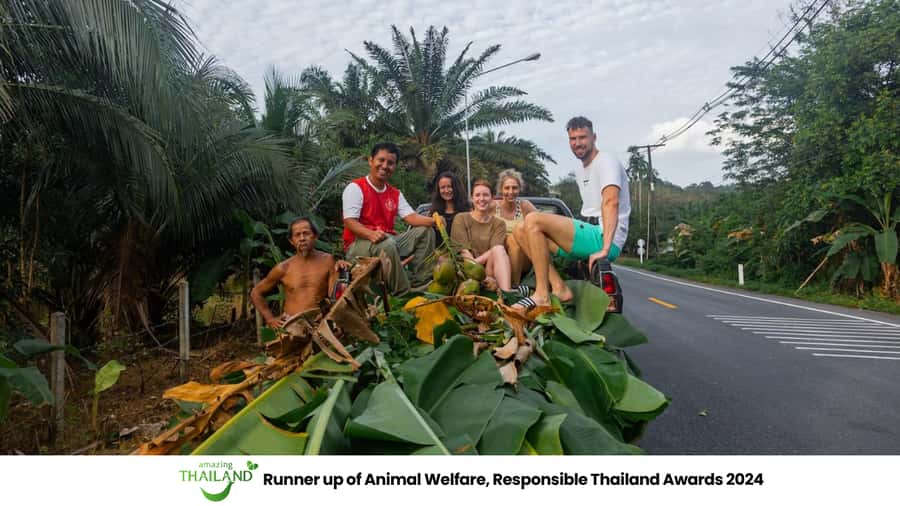
Your day starts with hotel pickup from Phuket by shared van. The program schedules pickups early, and you’ll want to be ready when the driver arrives in the lobby. The drive is about two hours each way, and this part matters because it sets the tone: you’re getting up, traveling, and then going straight into the work of observing and learning.
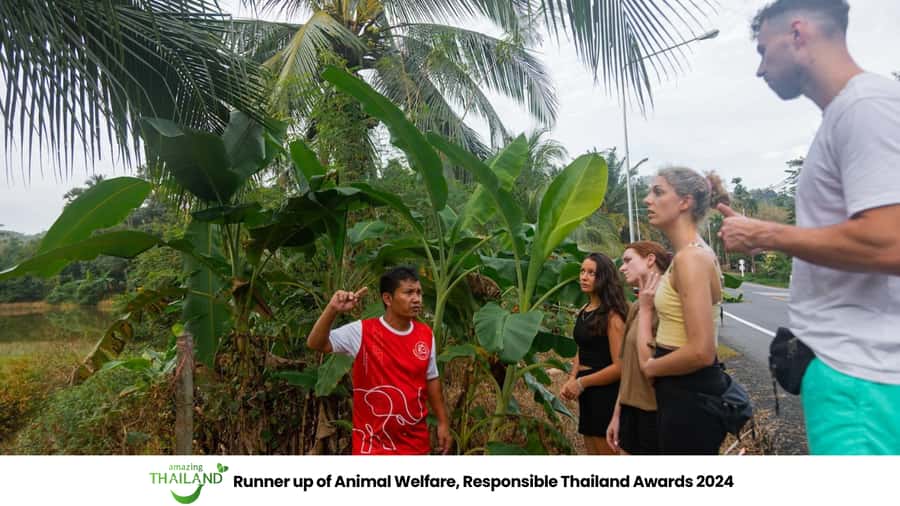
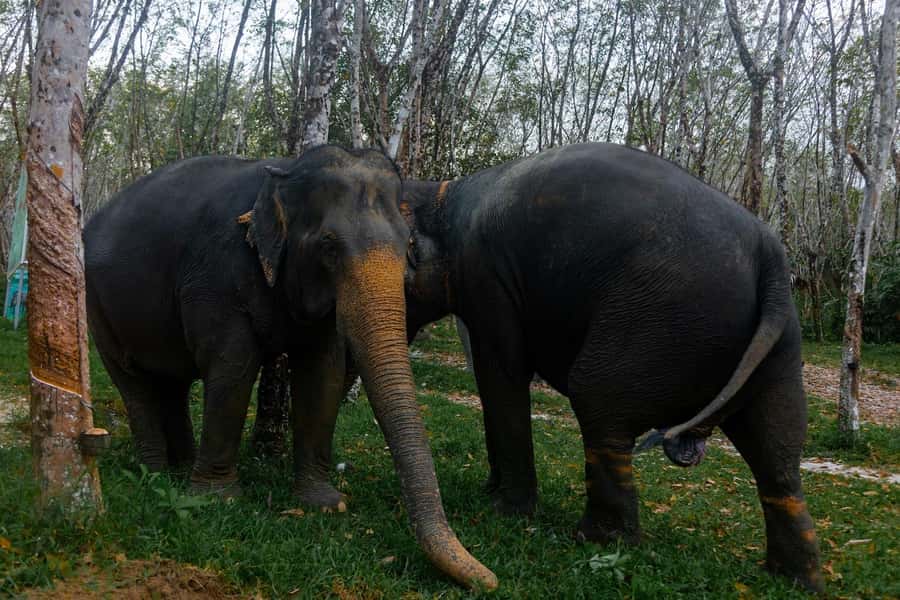
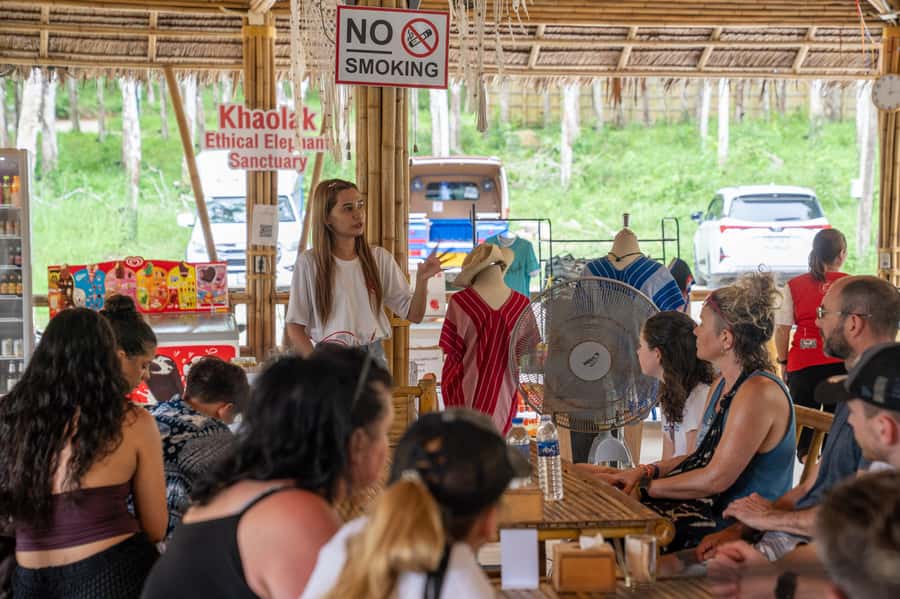
Once you reach the sanctuary area, your first big block is forest time. You’ll walk with caretakers to observe elephants in a more natural setting—watching how they move, forage, and interact with their environment. This is where you’ll start picking up patterns: elephants don’t move on a tourist timetable. They do what they need to do, and your job is to notice.
From there, the program shifts into a mix of observation and caretakers’ daily responsibilities. You’ll be around moments that relate to river playtime viewing, and you may also join tasks like cleaning their living area. It can sound simple, but it’s the kind of chore that shows respect. It’s also a reminder that welfare work is daily labor, not a once-a-week event.
You’ll also spend time on foraging for natural vegetation. This is one of the better “learning” parts because it helps you understand what elephants naturally eat and how their environment supports that. It’s not just animal sightseeing; it’s habitat thinking.
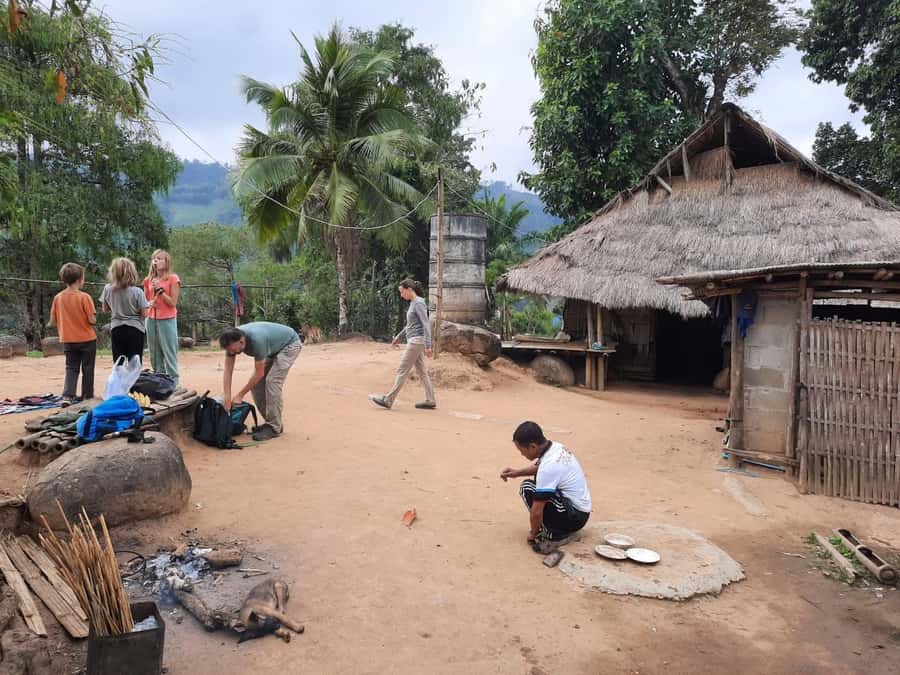
Then you head out for local culture stops. You’ll visit local farms and join a simple Thai cooking activity. This gives you a nice break from jungle walking while still keeping the theme of learning and local connection. You eat a Thai buffet meal (plus fruits, tea/coffee, and drinking water are included).
After lunch, the program includes time at Sai Rung Waterfall, with a chance to swim for about 20 minutes. That short swim window is fun, but plan for real nature conditions. Expect wet terrain, and bring the right gear.
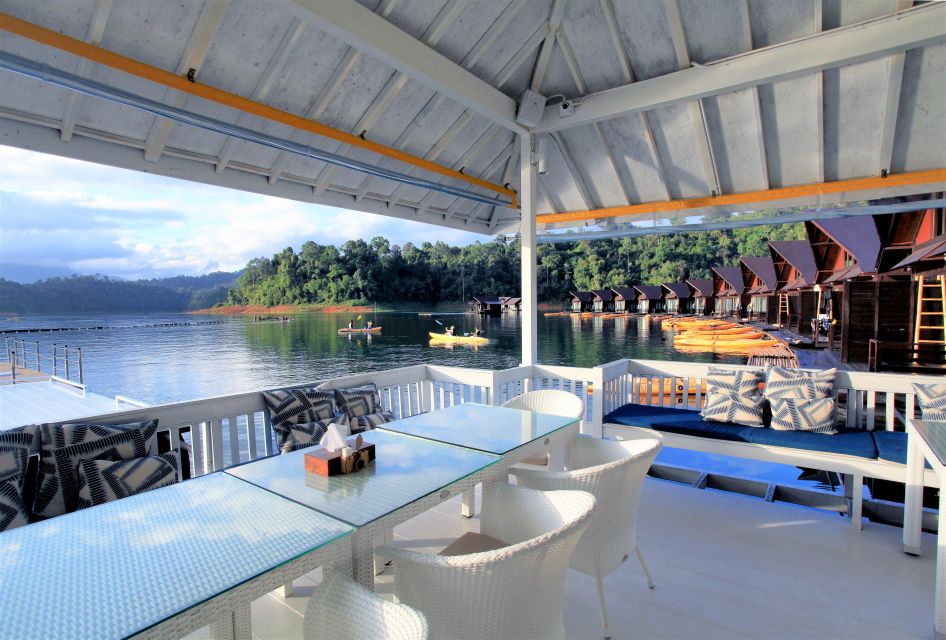
You end the day back at your bamboo bungalow for the overnight stay. This part matters because the program doesn’t feel like a rushed bus tour. You get time to slow down, get cleaned up using the shower room facilities provided, and mentally shift from daytime walking mode to nighttime reflection.
Day 2: the caretaker routine continues (and why that’s worth it)
The second day follows the real rhythm of caretakers. Morning starts with observation again, so you’re not just doing a repeat. You’re seeing how daily work unfolds with the elephants as the center.
You’ll likely do another round of tasks such as cleaning and foraging. Even if you’ve already seen a similar moment the day before, the value is in the repetition with context. You start to recognize what’s essential versus what’s just dramatic.
You also get more nature time with a longer nature walk. This helps you understand the sanctuary isn’t just a fenced viewing spot. It’s a working landscape where elephants can move freely.
One standout add-on is a sustainable planting session. You’re not just watching nature; you’re doing something that supports the environment around it. The program doesn’t position this as a magic fix. It’s a small action that matches the overall welfare message.
For meals, the provided inclusions specifically call out a Thai buffet meal and items like fruits and drinks. Dinner details aren’t spelled out in the info you have here, so it’s smart to plan for a normal overnight schedule and stay flexible with timing. The key point: the experience is built to be about learning and care routines, not a high-end resort dining program.
The elephant encounters: close enough to connect, far enough to respect
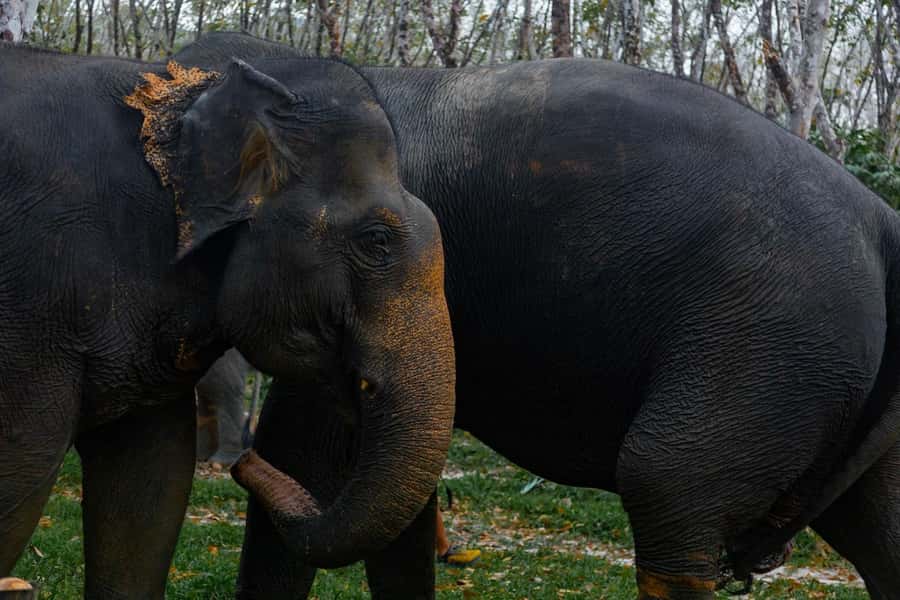
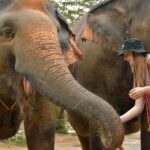
This is where the overnight earns its reputation. You’re not just viewing elephants from far away. You’re walking with caretakers, watching elephants in their environment, and experiencing moments like river playtime viewing. That closeness can feel intense—in a good way—because you get to see elephants behave like animals, not entertainment.
At the same time, multiple people clearly value that interaction is limited on purpose. That limitation is part of ethical welfare: it keeps elephants from becoming conditioned to human contact. When you respect that boundary, you usually end up seeing more natural behavior.
In at least one experience, the guide’s personality makes a difference. Tony/Bad Tony is described as funny and passionate about care, and that matters because the difference between a good and great day is how you understand what you’re seeing. If someone can explain why an elephant approaches, pauses, or moves away, you’ll feel less like you’re just watching and more like you’re learning.





Cooking class and farm stops: a nice change of pace
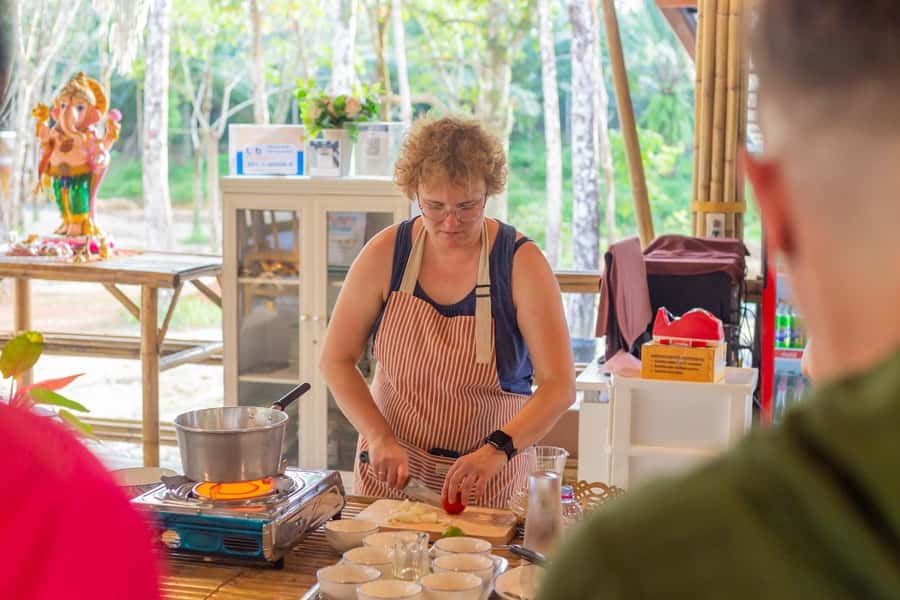
Not every elephant sanctuary experience includes meaningful culture time. Here, you get local farm visits and a cooking class with simple Thai cooking activities. You’ll eat lunch as part of the day’s schedule, and you’ll also have fruits plus tea and coffee.
I like this balance. After a morning of forest walking and caretaker observation, cooking gives your body a reset and gives your brain a new task. It also gives you a small taste of how people in the region live beyond the animal-focused part of your trip.
Also, when you’re with a small group, you’re more likely to actually participate instead of standing at the edge hoping to be heard.
Sai Rung Waterfall: short swim, big reminder to pack for mess
The waterfall stop is brief—about 20 minutes of swimming time—but it’s still a highlight if you’re okay with the reality of Thailand’s weather and terrain. This is not a clean, manicured “pool” moment. The trip can get wet and muddy.
So pack smart. You’ll want swimwear, a towel, and a change of clothes. Sunscreen and insect repellent are also a must. If you think you’ll skip socks, reconsider. Wet sandals plus muddy ground can be a rough combination by the time you’re back on the van.
The practical tip: keep your dry clothes in a bag you can close tightly. You’ll thank yourself.
Price and value: what $318 buys you
At about $318 per person for a two-day experience, this isn’t a budget impulse buy. The real question is what you’re paying for—and what you’re not.
You’re paying for:
- A full two days of guided care-routine-style learning
- Small group size (limited to 15)
- Park and sanctuary access
- Transportation from Phuket and back
- Food and drinks included (Thai buffet meal, fruits, tea/coffee, water)
- A cooking class
- A photography service
- Overnight bamboo bungalow stay and shower room facilities
You’re not paying for:
- Riding elephants
- A forced show
- A big-city luxury comfort level
For me, the value comes from the ethics and time. Many half-day tours rush the same things into a shorter slot. Here, the schedule is long enough that you can watch elephants without constant pressure, and you can actually see caretaker work happen twice.
If ethics matters to you (and you want to do something you can feel good about later), this price starts to make sense.
Transport, timing, and how the day actually runs
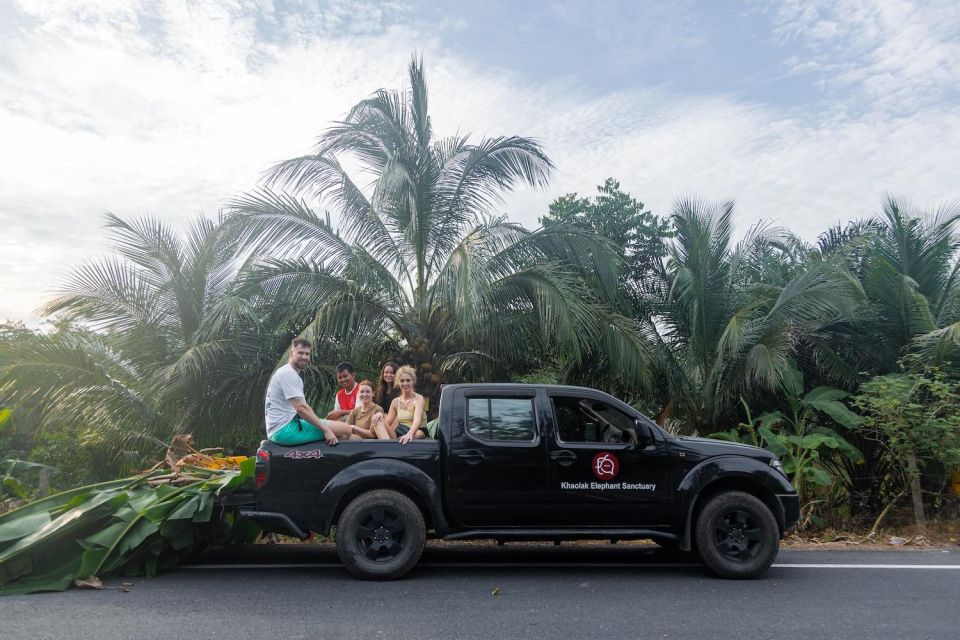
Pickup and drop-off are shared. That means you might be part of a small circuit with multiple hotels. Pickup times are listed as early morning (around 6:30 AM) and later morning (around 10:30 AM), so you’ll want to confirm which start matches your plan.
Once you’re on the road, expect a two-hour van journey to and from the sanctuary. That’s not a small detail. It shapes what kind of traveler you should be. If you like “see everything fast,” you might find it tiring. If you like slow travel, it’s fine.
One more good detail: transport is highly rated, with perfect scores in the provided information. That reduces the stress. You can focus on the day instead of wondering whether the van will be late.
Who this fits best (and who should skip it)
This is ideal for:
- People who care about animal welfare rules and want an observe-first program
- Anyone interested in elephant care work and learning why routines matter
- Families with kids who can handle walking and water/terrain conditions (at least one family experience notes a child enjoyed the overall day)
- Travelers who like small groups and don’t want to fight for a view
It may not be ideal for:
- Anyone who needs wheelchair access. The experience is listed as not suitable for wheelchair users.
- People who hate mud and wet days. The schedule can involve getting very wet.
If you want a trip where the elephant sets the pace and you watch quietly, you’re in the right place.
Should you book this overnight elephant sanctuary in Khao Lak?
Book it if you want an ethical, two-day elephant experience where the animals keep their boundaries and you learn caretakers’ routines. The best sign is the overall structure: forest observing, caretaker chores, foraging-related learning, culture stops, and a night in a bamboo bungalow instead of a quick day-tripper sprint.
Skip it if your top priority is hands-on interaction. This program limits contact on purpose, and the elephants decide when moments happen. If you’re not comfortable with that trade-off, you’ll likely feel disappointed.
One last decision tip: pack for the real outdoors. If you show up ready for mud, water, and sun, you’ll enjoy the day far more.
FAQ
Can I ride the elephants?
No. Riding the animals is not allowed on this experience.
Is touching, feeding, or bathing included?
The program is described as observe-only with strict welfare rules, including no touching, no feeding, and no bathing as interaction styles. The elephants’ comfort also determines what can happen.
What’s the duration and overall schedule?
It’s a two-day experience, with hotel pickup from Phuket, a guided program at the sanctuary, a waterfall stop with a short swimming window, and time in a bamboo bungalow overnight.
Where are the pickup and drop-off locations?
Pickup and drop-off are available from hotels in Phuket via shared transport. You’ll be picked up at your hotel lobby and returned the same way.
How big is the group?
The group is small, limited to 15 participants.
How wet or muddy should I expect it to get?
You should expect it can get very wet and muddy during the trip, including around outdoor and water stops.
Is the experience suitable for wheelchair users?
No. It is not suitable for wheelchair users.