REVIEW · PHUKET
From Phuket/Khaolak: Surin Islands Snorkeling Day Trip
Book on GetYourGuide →Operated by Siam Adventure World · Bookable on GetYourGuide
Snorkeling the Surin Islands feels like a secret. I love the sheltered reef snorkeling (it’s much more relaxed than the bigger, rougher days), and I really like the Moken village visit, which makes the day more than just a beach stop. One heads-up: it’s an early, long day if you’re starting from Phuket.
The itinerary is built around a serious sea-and-sand rhythm: a long first snorkeling session, Thai lunch back on the islands, then another swim later. The guides I’ve seen associated with this trip include friendly pros like Tarn, plus guides with memorable nicknames like Kong-Fu Panda, and teams such as CJ and Matt for some language groups.
If you’re traveling in the right months (January to April), you may get a chance to see baby sharks nearby. Still, don’t plan your whole trip around that—part of the joy here is the reef itself: coral, lots of fish, and warm, golden sand time.
In This Review
- Key points to know before you go
- Why Surin Islands snorkeling feels different (and better) than the loudest options
- Getting there from Phuket or Khao Lak: plan for an early start
- Khao Lak breakfast and briefing: the unglamorous part that makes snorkeling easier
- The speedboat ride: fast, scenic, and wet if you’re unprepared
- Ao Mae Yai snorkeling stop: where the reef time actually counts
- Meeting the Moken: a cultural stop with photo time and shopping
- Island lunch and beach time: Thai food plus real sand time
- Second snorkeling and the baby-shark season window (Jan–Apr)
- What’s included (and what you should bring so the day stays easy)
- Price and value: why $131 can feel steep (and still make sense)
- Who this day trip is best for (and who should skip it)
- Should you book the Surin Islands snorkeling day trip?
- FAQ
- How long is the Surin Islands snorkeling day trip?
- Where do I get picked up, and what time does it start?
- What snorkeling gear is included?
- Is lunch included, and can it be vegetarian?
- What should I bring with me?
- Is there a chance to see sharks?
Key points to know before you go
- Sheltered reef snorkeling: You spend time in protected water between the islands, which helps keep the experience comfortable.
- Ao Mae Yai first stop: A longer early snorkeling window gives you more chances to enjoy the reef at a slower pace.
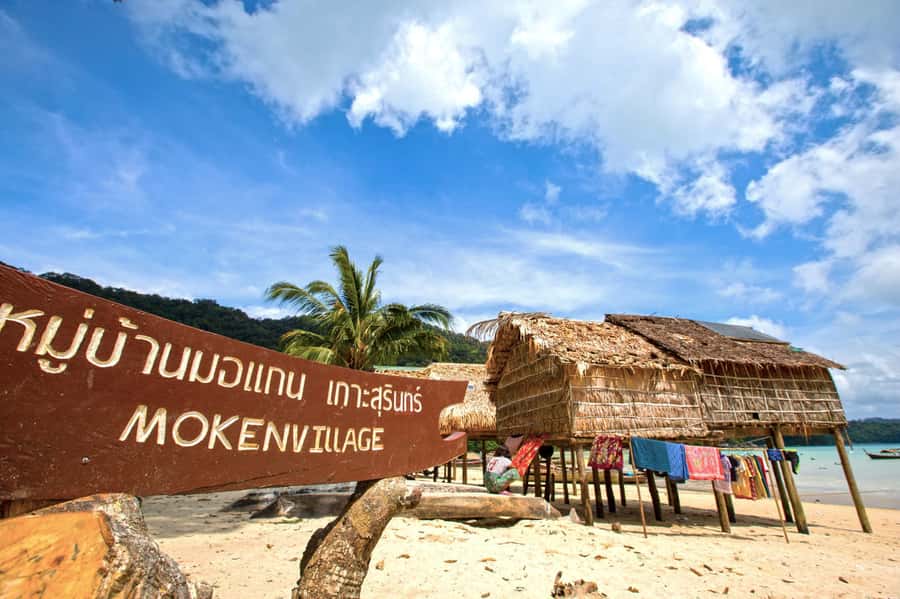
- Moken community visit: You’ll meet the sea-nomad Moken and have time for photos and shopping.
- National-park beach time: After swimming, you get real breathing space on the sand (not just a quick photo and go).
- January–April baby shark possibility: You might spot baby sharks nearby during this seasonal window.
- Value is in what’s included: Transfers, fees, full gear, life jacket, lunch, and accident insurance are all part of the package.
Why Surin Islands snorkeling feels different (and better) than the loudest options
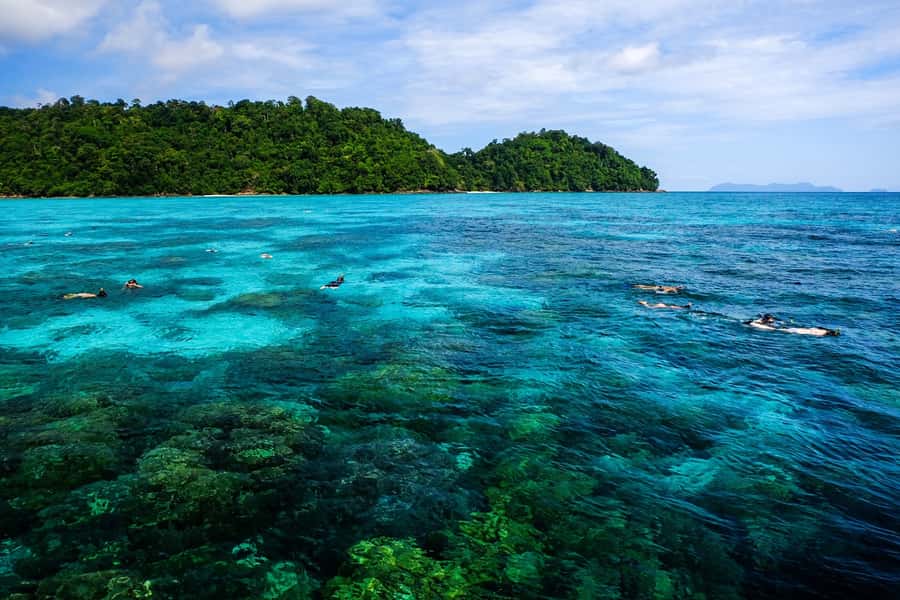
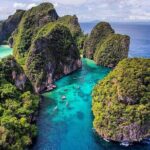
The Surin Islands Marine Park is known for healthy reef life, and this day trip is designed around that. Instead of racing from spot to spot, you get extended time in the water, plus a second swim later. That matters because snorkeling is not a sport where you win by rushing—calm, longer sessions help you actually enjoy what’s around you.
I especially like that you’re snorkeling through a sheltered reef area between islands. Translation: the water tends to feel more manageable, so you can focus on fish and coral rather than your balance or your breathing. You’ll also get a proper beach break afterward, so the day doesn’t feel like one long “now swim, now run” relay.
On land, you may also see interesting wildlife while you’re walking, taking photos, or moving between stops. People have reported seeing things like monitor lizards and even flying lemurs, which is a fun reminder that this is a whole-ecosystem park, not just an underwater show.
You can also read our reviews of more snorkeling tours in Phuket

Getting there from Phuket or Khao Lak: plan for an early start
This is an 8-hour day trip on paper. In real life, your body experiences it as an all-morning commitment plus a long boating schedule. Pickup from Phuket hotels is typically around 5:00 AM to 5:30 AM, and your exact time comes by email after booking.
If you’re starting in Khao Lak, it can feel smoother because you’re already closer to the launch point. Still, either way, your day begins with an air-conditioned van ride to the port, a breakfast and safety briefing at the start, then a speedboat hop to the islands.
One practical takeaway: treat this like a full-day outing, not a quick snorkel and coffee. If you’re the kind of traveler who hates early alarms, this might try your patience. If you’re okay with early mornings, you’ll enjoy the calm “arrive before the busiest hours” feeling.
Khao Lak breakfast and briefing: the unglamorous part that makes snorkeling easier
Before you get anywhere near the water, you’ll have breakfast at the port area in Khao Lak, plus a safety briefing. That briefing is worth your attention even if you’ve snorkeled before—conditions can change, and knowing the basics helps you feel relaxed once you’re floating.
You’ll also get into rhythm right away. The day isn’t just “here’s the boat, good luck.” The tour is run with a structured flow: van to port, breakfast, then you’re moving on.
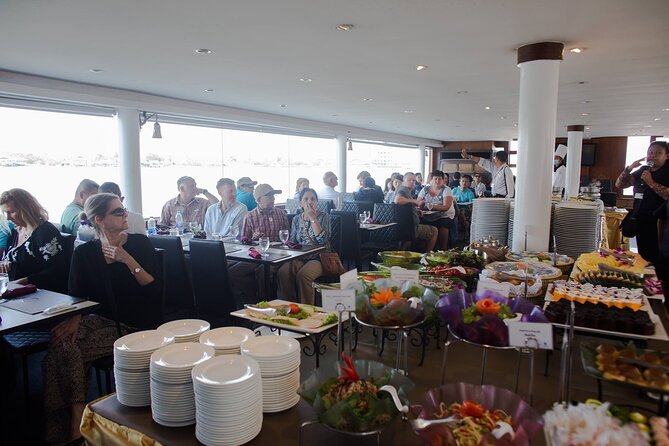
This is also where the tour’s gear situation becomes clear. You’ll receive full snorkeling equipment (mask, snorkel, and fins) along with a life jacket, so you aren’t stuck hunting for rentals last-minute.
The speedboat ride: fast, scenic, and wet if you’re unprepared
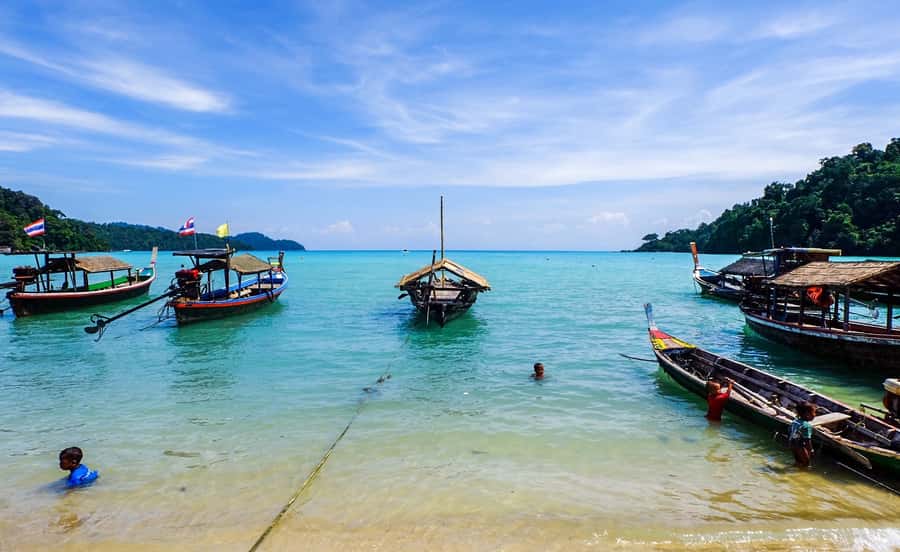
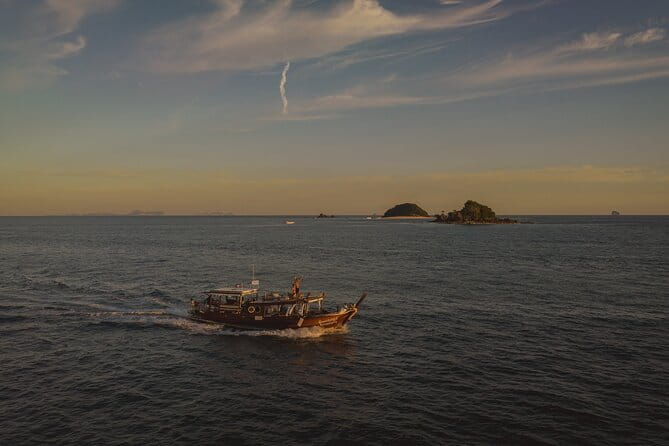
You’ll be on a speedboat for about 1 hour each way. Speedboat days come with a trade-off: quicker island access, but more exposure to wind and spray. Even when the day feels smooth, pack for comfort.
The good news is that you’re not sitting in silence. Refreshments are part of the experience, including water, soft drinks, fresh fruit, and cookies during the day. People also mention having lots of drinks available while on the water, which is smart in a hot climate.
If you get motion sick, this is the moment to take it seriously. The itinerary includes a speedboat segment, so if you’re sensitive, plan ahead with whatever works for you personally.
Ao Mae Yai snorkeling stop: where the reef time actually counts
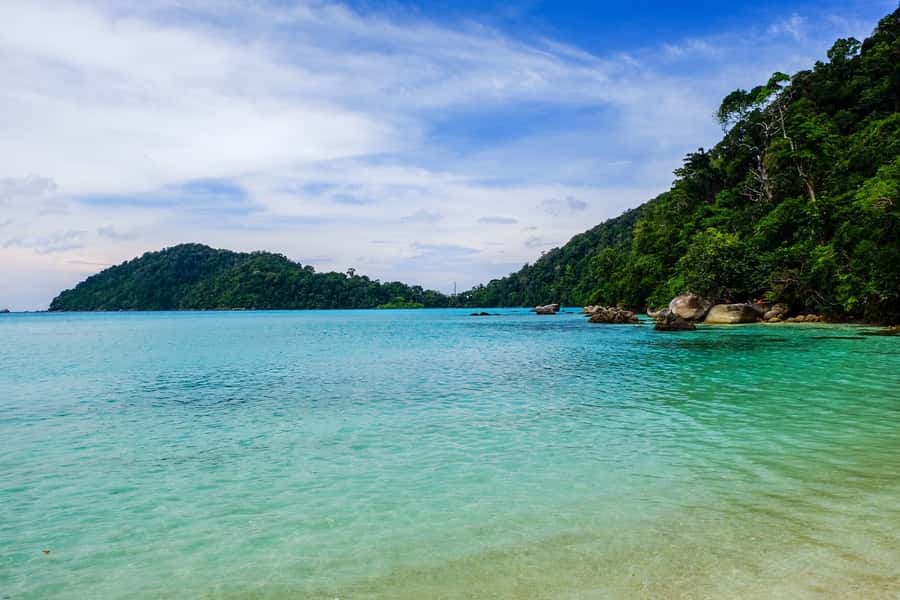
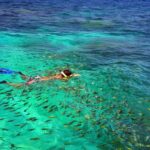
Your first big snorkeling stop is at Ao Mae Yai. Expect a long session focused on underwater life. This is the point where the Surin Islands Marine Park reputation shows up in real time: fish everywhere, coral that looks healthy up close, and water that’s sheltered enough to make floating feel more natural.
A longer snorkeling stop is a big deal for two reasons. First, it gives you time to get comfortable with your breathing and your mask fit. Second, it increases your chances of seeing more than the same few fish. Snorkeling tends to be “what you notice” more than “what you saw on Instagram.”
People have described seeing plenty of variety of fish and coral, plus they’ve mentioned spotting things like marine life beyond the usual small baitfish. You may not see everything every day, but the reef time here is the strongest reason to book.
A few more Phuket tours and experiences worth a look

Meeting the Moken: a cultural stop with photo time and shopping
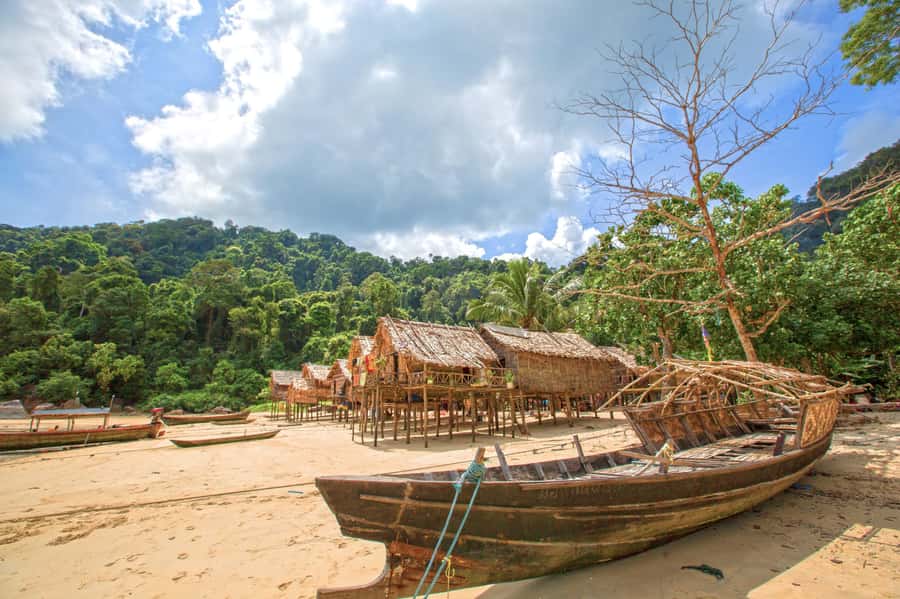
After your first water session, you’ll head to the Moken community area. The stop runs about 1 hour, and it’s not just a drive-by photo moment. You’ll get time to visit, walk, enjoy scenic viewpoints on the way in, and do a bit of shopping if you want.
The Moken are described as nomadic sea people, and the tour frames them as living nomadically in relation to the sea (normally associated with the Burmese Mergui Archipelago). That context matters because it changes how you view the stop. You’re meeting people with a long connection to water, not just taking a quick “cultural card” photo.
How to do this stop well:
- Be respectful with cameras and personal space.
- Browse slowly if you shop. Items tend to be the kind of souvenirs you’ll actually want later.
- Ask questions if your guide encourages it—this is where you’ll likely learn the most.
Also, the guides on this trip are multilingual, so you’re not left guessing. Languages listed include English, French, German, Spanish, and Italian.
Island lunch and beach time: Thai food plus real sand time
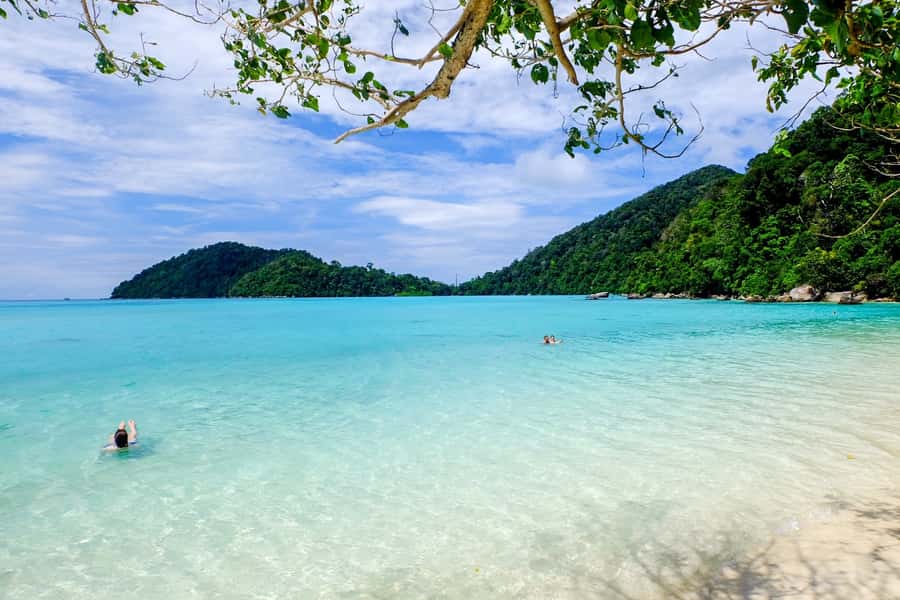
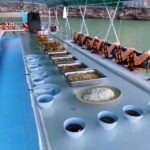
After snorkeling and the community visit, you’ll return to Surin Islands for lunch and downtime. The lunch stop includes a buffet Thai meal, and there’s a vegetarian menu available on request.
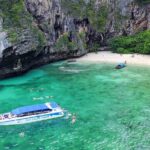
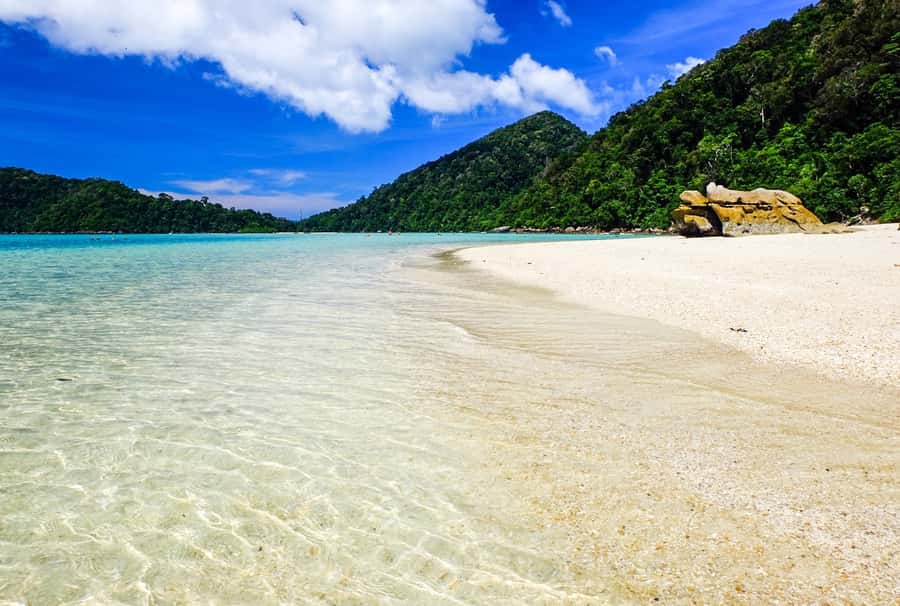
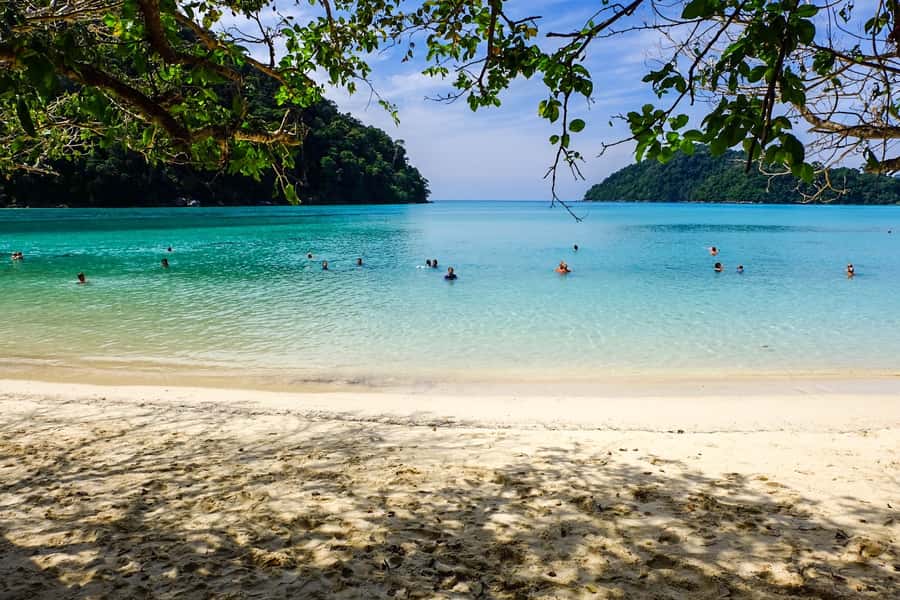
This portion of the day is important because it gives you a break from the saltwater rhythm. You’ll have free time for sightseeing and you can swim again depending on conditions. People often call out how beautiful the beach area is here—golden sand, warm enough to make your toes sink in, and scenery that feels like you’re off the grid.
If you’re picky about snacks, take comfort in the fact that refreshments are already being handled during the day. Still, the beach portion is your chance to properly dry off and reset. Snorkeling dries you out fast; sand time helps you recover.
One small packing note: this stop can leave you juggling wet gear. Plan how you’ll store your phone, car keys, and any electronics so they stay dry.
Second snorkeling and the baby-shark season window (Jan–Apr)
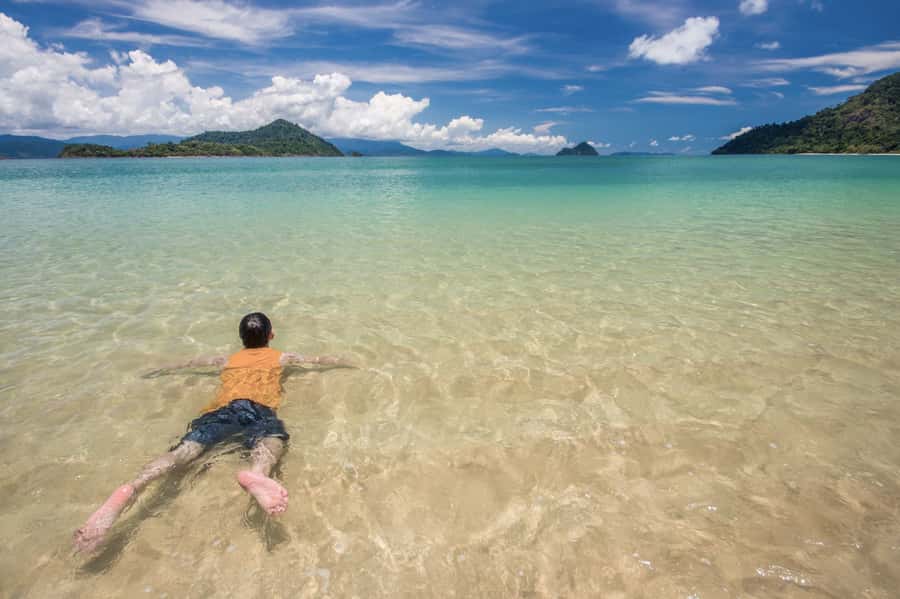
Near the end of the trip, you’ll head back out for a second snorkeling-and-marine-life session, plus coffee. This is where the day’s design makes sense: you’ve already gotten a strong first reef experience, then you get another chance to see more.
Seasonal detail is the big hook here. Between January and April, you may have a chance to see baby sharks hanging out nearby. I’d treat that as a possibility, not a guarantee. The reef itself is still the main event.
If the idea of sharks adds extra motivation for you, this timing is one reason to pick this tour instead of just any island swim day. And if you’re not focused on sharks, don’t worry—the reef life around Surin Islands is the draw even when the shark sightings don’t happen.
What’s included (and what you should bring so the day stays easy)
This tour includes a lot of the “annoying travel logistics,” which is why it’s priced the way it is. Here’s what’s covered:
- Hotel return transfer in an air-conditioned minivan
- Licensed tour guide
- Full snorkeling equipment (mask, snorkel, fins)
- National park fees
- Life jacket
- Refreshments: water, soft drinks, fresh fruit, cookies
- Buffet Thai lunch (vegetarian option on request)
- Accident insurance
What’s not included matters for comfort:
- Drybag
- Towel
So pack smart. I recommend:
- Swimwear and beachwear so you can change fast
- Towel (you don’t want to scramble at the beach)
- Sunscreen (you’ll be in the sun for long stretches)
- Insect repellent
- If you can, bring your own dry bag for electronics and anything you want to keep dry
One more practical tip: if you’re picky about fit (many snorkelers are), you might prefer using your own mask. Your senses stay sharper when gear fits well.
Price and value: why $131 can feel steep (and still make sense)
At $131 per person, this isn’t a budget activity by Thai standards. I get why you might pause at that number.
Here’s the value logic: your money covers far more than “a boat and a snorkel.” You’re paying for the whole package—round-trip transfers, a licensed guide, national park fees, snorkeling gear, lunch, and insurance. On a full-day island outing, those add up quickly if you plan it yourself.
Also, the tour style seems to prioritize comfort. People specifically note smoother logistics and less bumpy travel compared with some other island days, plus an organized flow with clear snorkeling time. That’s not just convenience—it’s the difference between a fun reef day and a tired one.
So my take: this is worth it if you want a guided, worry-free day with time in the water and time on the beach, without trying to assemble pieces yourself. If you’re the type who loves improvising and negotiating every part, you might find cheaper ways to reach the islands, but you’d be trading away the packaged simplicity.
Who this day trip is best for (and who should skip it)
This tour is not suitable for:
- Children under 2
- Pregnant women
- People with back problems, heart problems, respiratory issues
- Wheelchair users
- People over 75
If you fall into one of those categories, skip this for your safety and comfort.
Who should book:
- Snorkelers who want real time in the water (not just a quick skim)
- People who want a mix of nature and a cultural human stop (Moken community visit)
- Anyone who values organization: transfers, gear, and fees handled for you
If you’re traveling with less snorkeling experience, you’ll still be able to enjoy the day because the reef time is guided and you have life jackets. Just be honest about your comfort in open water.
Should you book the Surin Islands snorkeling day trip?
Book it if you want a full, organized reef day with a sheltered-feeling snorkeling setup, a meaningful stop to meet the Moken, and enough beach time to actually relax after you’ve been swimming. The strongest reasons to choose this one over alternatives are the snorkeling time allocation and the fact that the day isn’t only about water.
Skip it if you hate early mornings, get motion sick easily, or need an activity that’s physically easy and low-commitment. This is active, sun-exposed, and involves a speedboat.
If you’re traveling in January to April, you’ll also get the seasonal bonus of a chance at baby-shark sightings, which gives the day an extra layer of anticipation.
FAQ
How long is the Surin Islands snorkeling day trip?
The duration is listed as 8 hours.
Where do I get picked up, and what time does it start?
You can be picked up from Phuket or Khao Lak. Pickup from Phuket hotels typically takes place around 5:00 AM to 5:30 AM, and your exact pickup time is sent by email after booking.
What snorkeling gear is included?
The tour includes full snorkeling equipment: mask, snorkel, and fins, plus a life jacket.
Is lunch included, and can it be vegetarian?
Yes. A buffet Thai lunch is included, and a vegetarian menu is available on request.
What should I bring with me?
Bring swimwear, a towel, sunscreen, beachwear, and insect repellent. A drybag is not included.
Is there a chance to see sharks?
The tour notes that in the January to April season, you may have a chance to see baby sharks nearby.