REVIEW · PHUKET
From Phuket: Elephant Care Experience with Rafting & Zipline
Book on GetYourGuide →Operated by Anda Adventure Co.,Ltd · Bookable on GetYourGuide
Elephants and rapids in one Thailand day. You get cruelty-free elephant care plus white-water rafting and a jungle zipline, all run as one smooth, all-day adventure out of Phuket.
I especially love the hands-on time: you don a traditional Mahout-style uniform, help prepare food, feed the elephants, and then wash them during the mud spa and river bath. Guides like Martin and Eakki also make a difference, with lively pacing and clear explanations that keep the day fun, not confusing.
One heads-up: the transfer from Phuket can take a long chunk of the day, so this is better for people who don’t mind a big time commitment.
In This Review
- Key points before you go
- Cruelty-free elephant care: what you actually do all day
- Elephant feeding and bathing: why it feels different from the usual gimmick
- The Song Phraek River: rafting that’s fun, not technical
- Zipline and rope bridge: the jungle thrill portion
- Lunch, fruit, tea, and coffee: the food part is solid
- Hotel pickup from Phuket or Khao Lak: plan for a long day
- Timing and pacing: how the day flows without feeling chaotic
- Price and value at about $77 per person
- Who this tour fits best
- What to bring: keep it simple and get ready to get wet
- Should you book this Elephant Care + Rafting + Zipline day?
Key points before you go
- Cruelty-free elephant care with zero riding and no hooks or chains used on the elephants
- Mud spa + river bathing after you feed them, with guidance from the park team
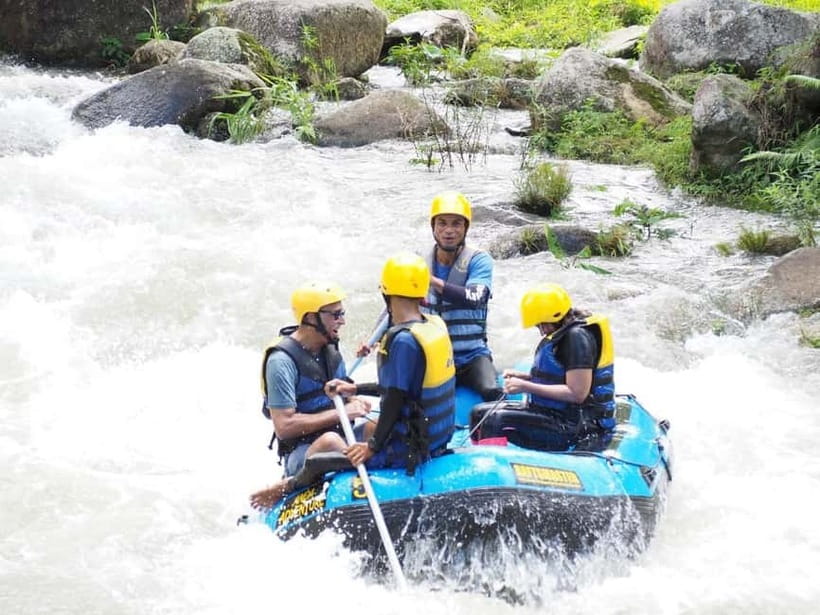
- Song Phraek River rafting (5 km included) plus a safety briefing before you hit the water
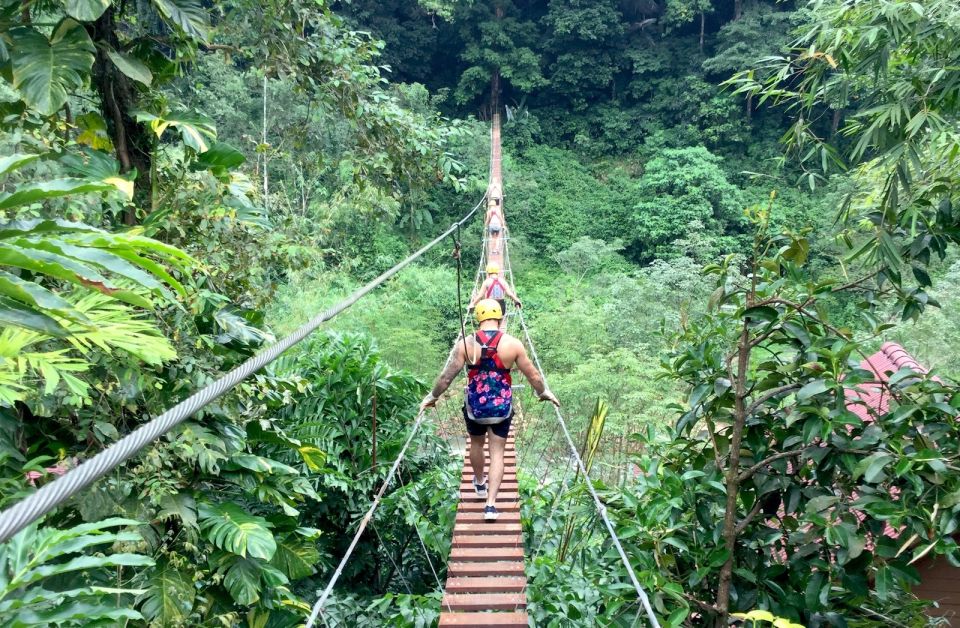
- Zipline and rope bridge as your jungle adrenaline hit
- Thai lunch with fruit, tea, and coffee included, with options reported as working for vegans
- Hotel pickup and drop-off from Phuket or Khao Lak included, plus accident insurance
Cruelty-free elephant care: what you actually do all day
The elephant portion isn’t a quick photo stop. It’s the heart of the program, and you’ll move through it step by step like you’re learning how caretakers work, not just how to stand near a big animal.
First, you’ll start with an intro and a brief training session at the park. Then you’re given a traditional Mahout uniform and bamboo hat. That matters more than it sounds. It sets the tone: you’re there to participate respectfully, follow caretakers’ instructions, and understand elephant behavior basics before you interact.
Next comes the part I think you came for: meeting the elephants in a way that’s hands-on but non-riding. You’ll help prepare special food, then feed the elephants with bananas and sugarcane. You also get meaningful time with the animals, including one-on-one contact when the elephants choose to engage.
Then the day turns into a cooling-off routine. You’ll guide the elephants through a mud spa, which helps them cool down and protect them from parasites. After a rest, you’ll bathe them in the river and clean the mud off. Expect this to be messy in the best way, and also expect to get wet even if you pack carefully.
Important ethics note you should plan around: this sanctuary-style experience is described as cruelty-free, with absolutely no riding elephants. You also won’t see hooks used to direct them. Instead, mahouts may direct elephants by their ears to keep everyone safe.
You can also read our reviews of more tours and experiences in Phuket.

Elephant feeding and bathing: why it feels different from the usual gimmick
Plenty of elephant tours promise ethical contact, but what stands out here is the flow. You’re not rushed into a single moment. You prepare food, then you feed, then you move into bathing once the elephants are ready. That rhythm changes how the interaction feels.
I like that the program makes room for elephant moods. Some activities depend on whether the elephants approach and how they respond. In practice, that means your best experience may come from patience, not from forcing a perfect moment.
You’ll also notice staff behavior. The reviews and key info emphasize care routines like mud spa and parasite protection, plus the rule against hooks. That combination matters because it’s the difference between an animal being managed for show and an animal being cared for like an actual family member.
And yes, there’s an emotional side to it. Seeing elephants bathe in a river, with caretakers working around their comfort, can land harder than the zipline. People consistently come back to the elephant feeding and bathing as the highlight, not the adrenaline.
The Song Phraek River: rafting that’s fun, not technical
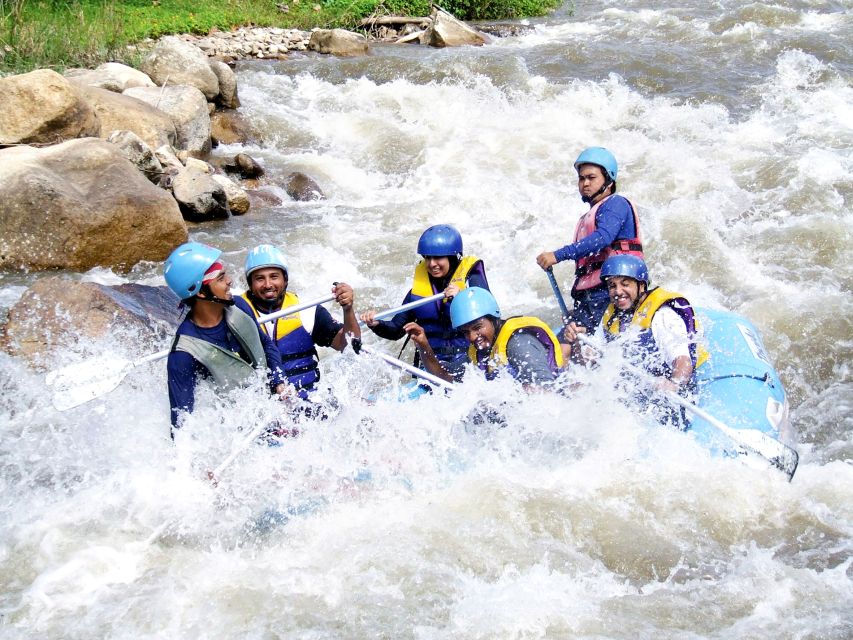
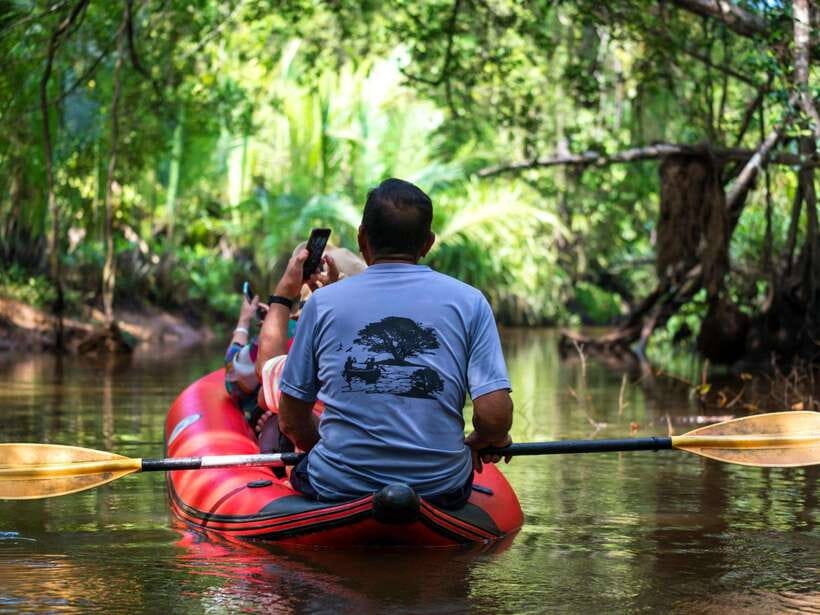
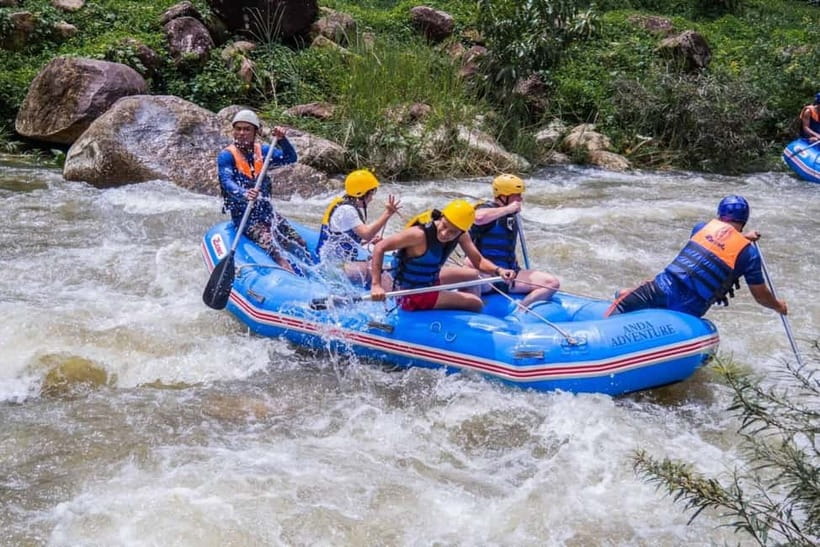
Rafting starts in the late morning, after your day kicks off at 11:00 AM. You’ll get a safety briefing and training first, then head out for a 5-kilometer white-water rafting journey along the Song Phraek River.
What I think is useful for you: the experience is built to be approachable. One review specifically noted that you don’t paddle, which can make the ride less intimidating for first-timers. You still get the thrill of rapids without needing strong technique.
That said, it is real white-water. It can get rough, and the river can be crowded depending on timing. So if you’re sensitive to chaos on the water, don’t treat this like a lazy float. Treat it like active sport with safety controls and a lot of motion.
A bonus option exists. Since the included distance is 5 km, you may be offered a chance to purchase extra rafting distance for an additional fee once you’re on the course. Some guests reported paying for longer distances like 7 km or 9 km. If you love the idea of stretching the raft time, ask when you arrive and compare the add-on cost to how much you’re enjoying the rapids.
Zipline and rope bridge: the jungle thrill portion
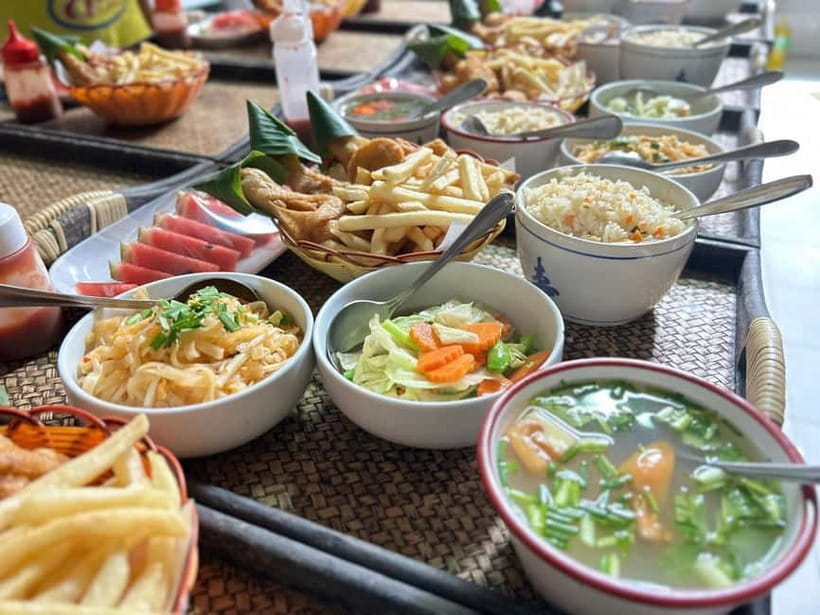
After rafting, you’ll head into the jungle for ziplining and a rope bridge. This is the part of the day that most people describe as quick adrenaline: the kind of thrill you want, but not the kind you plan your entire trip around.
Safety guidance is part of the run-up, and staff manage it well. Reviews mention moments like the staff handling small injuries quickly and keeping people calm. That’s a good sign because it suggests the operation takes safety seriously, even when the ride is exciting.
One realistic note: the zipline itself seems shorter than some people expect. A few guests said they wanted more runs or that the zip wire wasn’t long. So if you’re chasing a huge zipline marathon, this might feel like a warm-up rather than a full thrill event. But paired with rafting and elephants, it still works as a well-paced break between the heavy emotional moments.
Lunch, fruit, tea, and coffee: the food part is solid
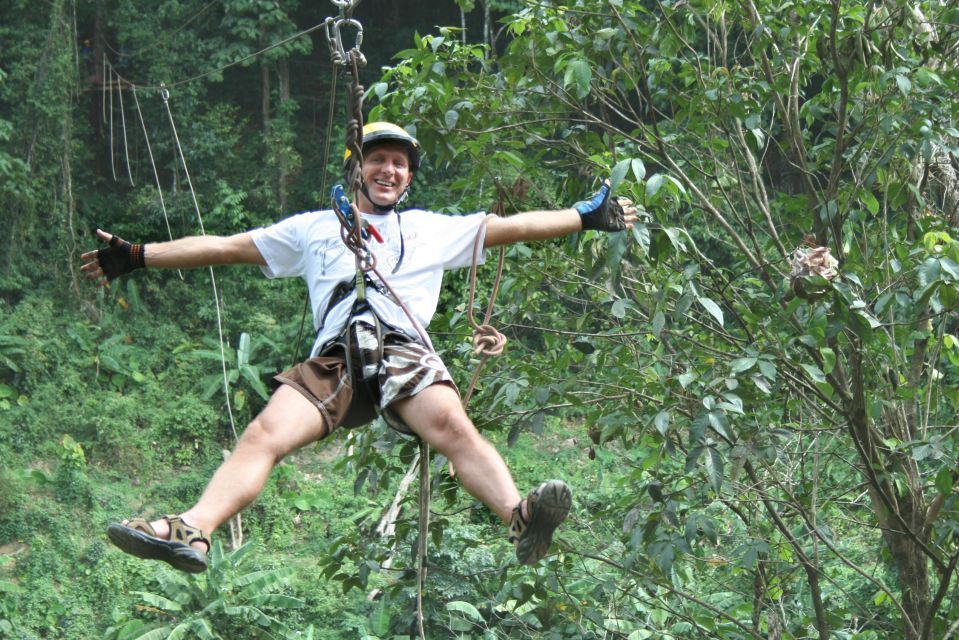
You’re not starving between activities. A traditional Thai lunch is included, plus fresh fruit, tea, and coffee after your outdoor time.
In terms of vibe, lunch is one of those underrated elements that keeps long transfer days from dragging. People repeatedly call the food good and satisfying, and one review specifically praised how the team catered for a vegan lunch.
If you’re the kind of person who worries about finding good food on tours, this is one less stressor. Just keep in mind you’ll be changing clothes and getting wet later, so treat lunch like fuel, not like a formal meal.




Hotel pickup from Phuket or Khao Lak: plan for a long day
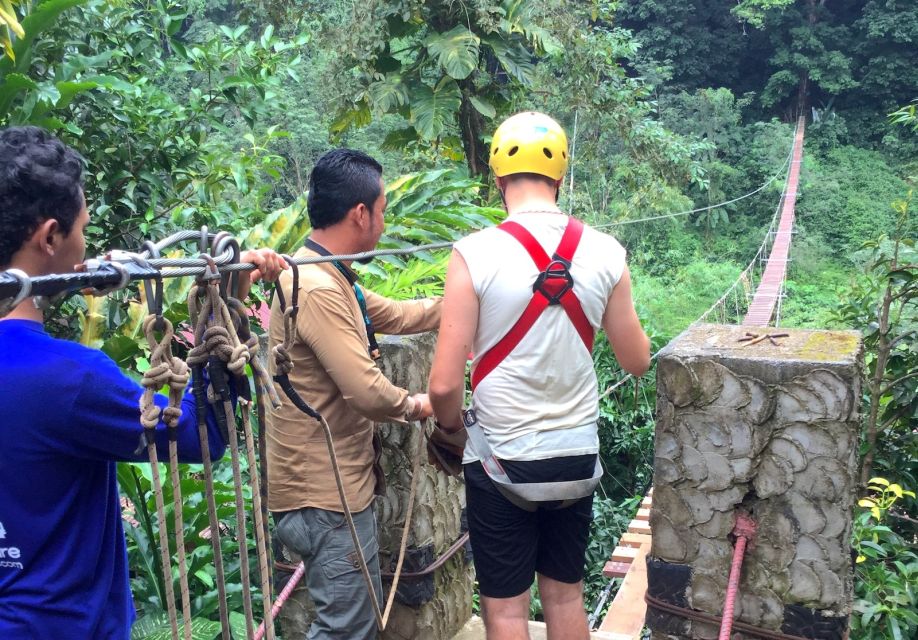
This tour includes hotel pickup and drop-off from Phuket or Khao Lak, with the day centered around the park area in Phang Nga.
Here’s the practical reality: multiple pick-ups can stretch the drive time. Some guests reported around 2.5 hours getting there from Phuket areas like Karon, and a similarly long return. Others reported about a two-hour journey one way. Either way, you’re likely signing up for a full-day commitment, not a half-day “quick hit.”
So I recommend booking it when you want one big day out of your trip schedule, not when you’re trying to keep your itinerary light. If you’re prone to motion sickness, bring what helps you in a car, since you’ll spend real time on the road.
Timing and pacing: how the day flows without feeling chaotic
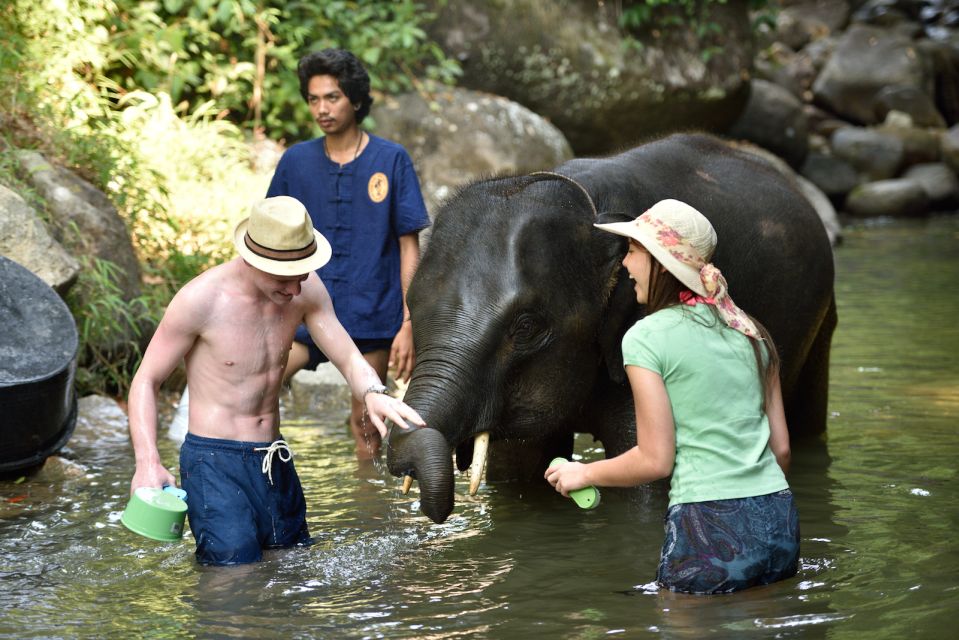
The order of activities keeps logical momentum:
- Morning starts at 11:00 AM
- Safety briefing and rafting on the Song Phraek River (5 km included)
- Lunch with fruit plus tea and coffee
- Elephant care training, feeding, mud spa, then river bathing
- Zipline and rope bridge as the jungle adrenaline segment
- Return to your hotel in Phuket or Khao Lak
The main thing I like about this structure is that your brain gets a turn at each type of excitement. You go from safety training and rapids to fuel and Thai lunch, then to a slower, more careful elephant interaction, then back to jungle adventure.
This mix also helps if your group has different energy levels. One person might obsess over the elephants; another might need a thrill activity. This format lets both people feel like they got their moment.
Price and value at about $77 per person
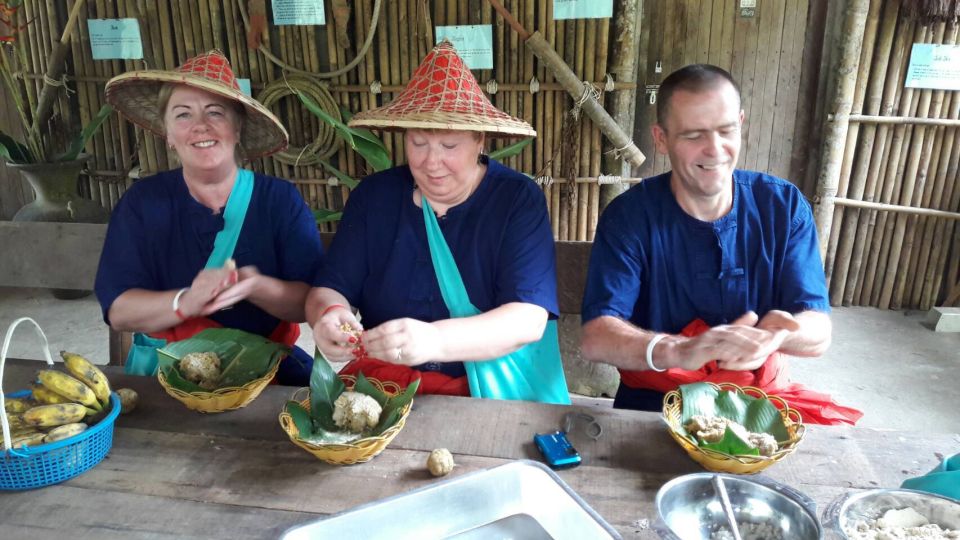
At around $77 per person, this tour isn’t just paying for one activity. Your money covers a stack of things that usually cost extra when booked separately:
- Guide and national park fee
- Hotel pickup and drop-off (a big deal in Phuket-area logistics)
- Thai lunch plus fruit and drinks
- Elephant care items like bananas and sugarcane to feed them
- Mahout uniform and bamboo hat
- Safety briefing and rafting training
- Zipline and rope bridge
- Accident insurance
Value here also comes from time with elephants. Several reviews describe long, meaningful contact rather than a rushed 15-minute stop. Some even mention smaller-group moments, which is where the elephant experience becomes more personal and less staged.
Is it perfect value? The zipline portion can feel short, and the transfer time can be tiring. But if you’re aiming for one day that covers elephants plus outdoor adrenaline with ethical rules clearly stated, the price starts to make sense fast.
Who this tour fits best
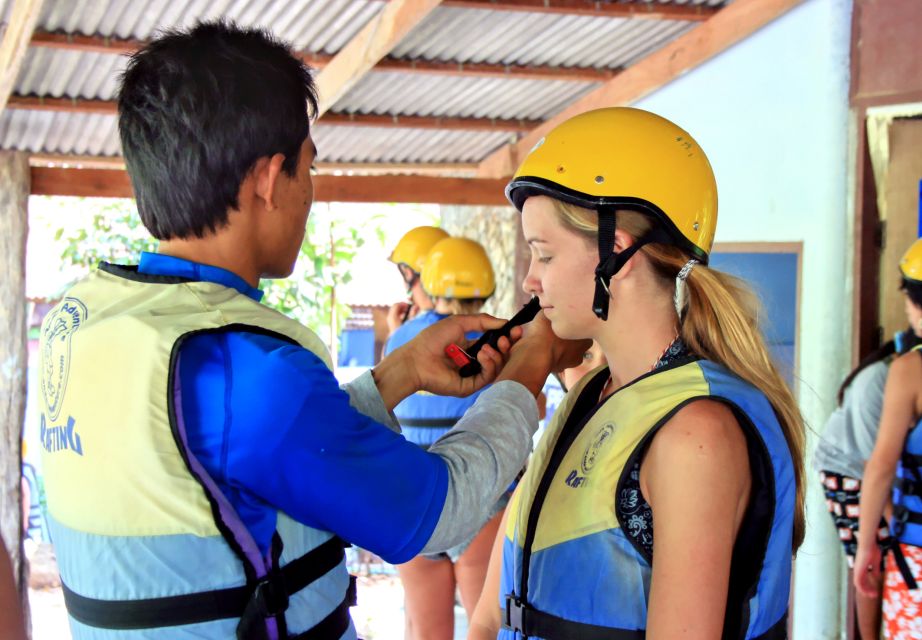
This is best for you if:
- You want an ethical elephant experience with no riding and no hooks
- You’re okay with getting wet and switching clothes mid-day
- You like a mix of nature + sport: rafting plus ziplining, not just one
It may not be your best match if:
- You’re traveling with very young kids (zipline/rafting have a minimum age of 5 years)
- You’re pregnant (not suitable)
- You have back problems or heart problems (not suitable)
- You hate long travel days from Phuket areas
One more match detail: if you’re nervous about rafting, this tour can still work because safety training is included and one review noted you don’t paddle.
What to bring: keep it simple and get ready to get wet
The essentials are clear:
- Swimwear
- A change of clothes
Bring these even if you think you’ll be dry. Between rafting and elephant bathing, wet happens. Staff will do their job, but physics still wins.
If you’re camera-dependent, consider protecting your phone and important items in a dry bag, though the specific carry solution isn’t listed in the provided info. The key point is simple: plan for water exposure.
Also, remember the tour includes a national park fee and accident insurance, so your focus can stay on enjoying the day.
Should you book this Elephant Care + Rafting + Zipline day?
I’d book it if you want one organized day that combines ethical elephant care with real outdoor fun. The elephant feeding, mud spa, and river bathing are the stand-out pieces, and the rafting + zipline add energy without turning the day into a chaos-fest.
I would hesitate only if you’re strongly against long transfers from Phuket or if you expect the zipline to be the main event. The zip line is fun, but it’s not what multiple guests describe as the day’s core moment.
If you’re traveling solo, as a couple, or with older kids (5+), this is a strong option. If your group includes people with medical limitations like back or heart issues, you should skip this one and find a gentler alternative.
If your priority list is elephants first and you want them handled with clear cruelty-free rules, this tour lines up well with that goal.