REVIEW · MUANG CHIANG MAI
Chiang Mai: Evening Chanting & Meditation
Book on GetYourGuide →Operated by Journey D Travel · Bookable on GetYourGuide
Few places slow you down fast.
In Chiang Mai, this evening ritual at Wat Chai Sri Phoom lets you take part instead of just watch. I like that the session is guided, so you know what to do during the chanting and meditation, with Monk Son (a former monk) often leading the explanation in English. One thing to consider: the temple visit comes with rules on behavior and attire, and it is not a good fit for everyone, like people with back problems or wheelchair users.
What I really like is the mix of sound and silence. You sit with the monks as their voices roll through the temple space, then you get a 15-minute guided silent meditation to learn how to settle your attention. After that, you practice Metta, extending kind wishes to loved ones, people who have passed, and all beings—exactly the kind of practice that can feel personal, even if you’re brand new to Buddhism.
The main drawback is practical: transportation isn’t included, and the meeting point can shift (the guide is listed in front of Wat Lok Moli, but it may change). That means you’ll want to plan your timing and not assume you’ll be picked up door-to-door.
In This Review
- Quick hits before you go
- Why Wat Chai Sri Phoom is the right setting for evening practice
- Chanting with monks: more than a sound show
- A 15-minute guided silent meditation that actually teaches you how to sit
- Metta practice: wishing well in a way that feels real
- The real value: Q&A and conversation with monks and former monks like Son
- How the 3 hours works: what fits where (chanting, meditation, Metta, Q&A)
- Price and value: what $20 buys you in Chiang Mai
- Temple etiquette that keeps the experience smooth
- Who this experience fits best (and who should skip)
- Should you book Chiang Mai evening chanting and meditation?
- FAQ
- Where does the guide wait for this experience?
- How long is the experience?
- What’s included in the price?
- Is transportation included to Wat Chai Sri Phoom?
- What language is the live guide?
- What should I bring and wear?
- What are the rules during the session?
Quick hits before you go
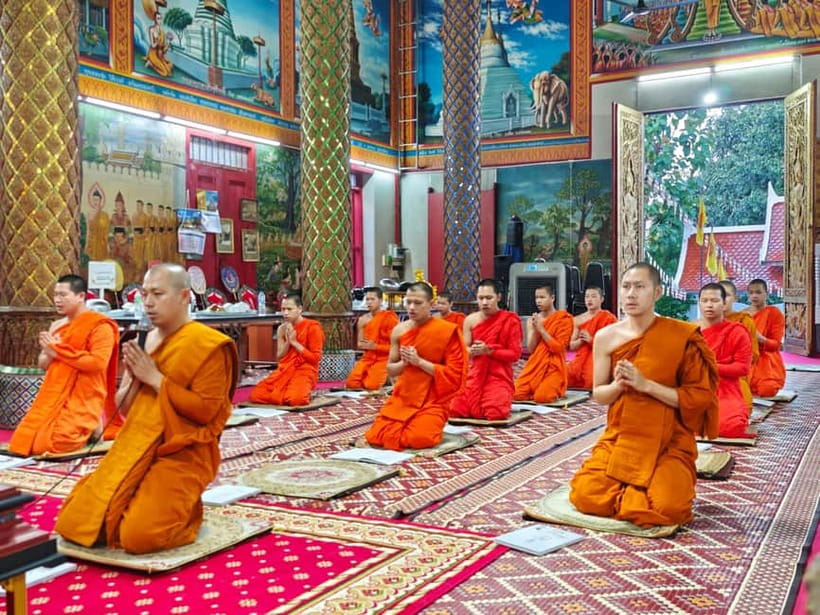
- Chanting with resident monks at Wat Chai Sri Phoom in the evening calm
- Guided meditation for about 15 minutes right after the chanting
- Metta practice with heartfelt wishes for loved ones and all beings
- Q&A with monks and lay practitioners, often with deep personal context from guides like Son
- A short “stay afterward” moment for conversation and understanding, not a rush-out
- Skip the ticket line, so you spend more time in the ritual
Why Wat Chai Sri Phoom is the right setting for evening practice
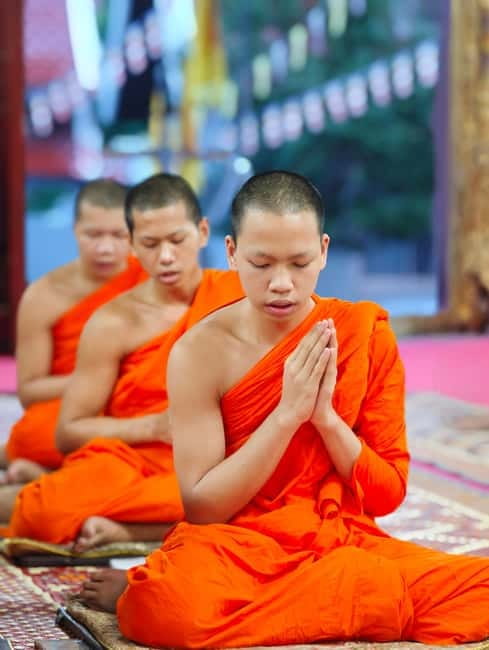
Chiang Mai temples have that special evening tone, when the day’s noise starts to fade and people naturally lower their voices. Here, the setting is Wat Chai Sri Phoom, and the structure of the experience matters. You’re not just walking through a temple and checking boxes. You arrive with time to settle, then you join a real monastic rhythm: chanting, short reflection, and Metta.
A few details from how the night is described point to why it feels meaningful. You’re asked to arrive early—at least 15 minutes—so you can breathe, look around without rushing, and get ready to listen. You’ll also deal with the basics of temple etiquette: modest clothing, silence your phone, and follow the no-smoking and no flash photography rules. These aren’t random constraints. They help keep the room calm, which makes the chanting and meditation land better.
You can also read our reviews of more tours and experiences in Muang Chiang Mai.
Chanting with monks: more than a sound show
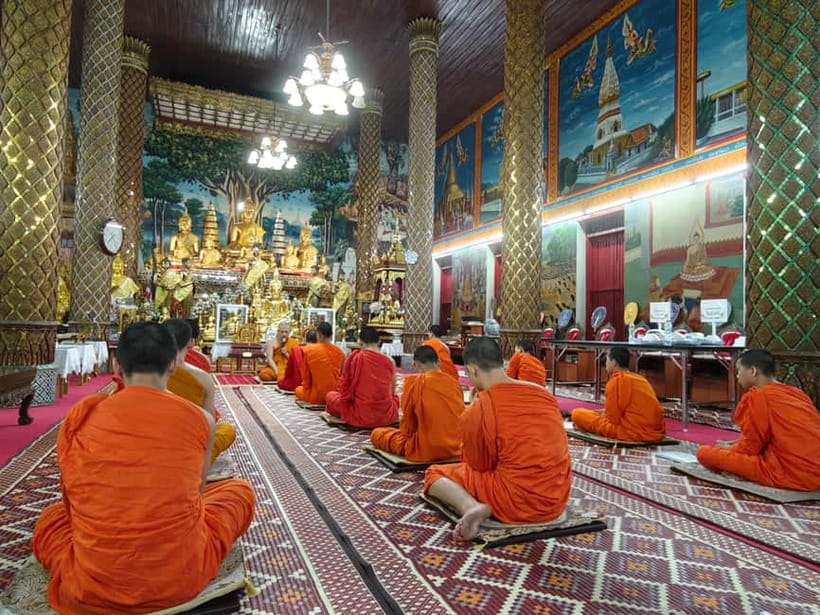
The chanting part is the heart of the evening. Monks lead the ritual, and you join them in their evening practice. The most memorable feature is the physical feeling of the chanting—described as vibrations that resonate when you close your eyes and pay attention to the rhythm.
I like this setup because it’s not passive. You’re given a role. Even if you don’t know the texts, you’re not guessing. You’re there with guidance, so you can focus on how sound, breath, and attention work together.
You should also know what you’re walking into. This is an evening monastic routine, not a performance for tourists. That’s why the most helpful thing you can do is keep your expectations simple: listen, follow the pace, and let the moment guide you. If you go in treating it like background music, you’ll miss the point.
One small practical consideration: an English version of the chant would be nice, and at least one participant wished for clearer English chant lyrics. That doesn’t mean the experience is confusing, but if you strongly prefer text-based guidance, you might want to come ready to rely on your guide’s explanation rather than reading along.
A 15-minute guided silent meditation that actually teaches you how to sit
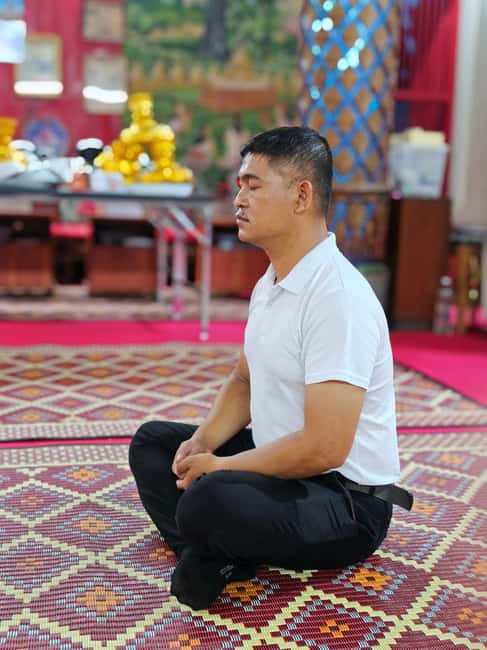
After the chanting fades, you transition into silent meditation for about 15 minutes. This is where the evening shifts gears from rhythmic participation to internal quiet.
What makes it valuable is that it’s not just silence thrown at you. You receive guidance on how to quiet inner chatter and find a calmer, steadier point of awareness. That matters if you’re inexperienced. A lot of meditation sessions fail by saying, Sit. Be mindful. Good luck. Here, you get a bit of structure first, so the quiet feels achievable.
Also, 15 minutes isn’t long enough to scare you off. It’s long enough to feel like something happened. Short enough that you can stay patient even if your mind wanders. In practical terms, this is a “train your attention” moment, not a test.
Metta practice: wishing well in a way that feels real
Then comes Metta, the practice of loving-kindness. You’re guided to extend heartfelt wishes for the well-being of loved ones, people who have passed, and all beings.
This part can be surprisingly powerful because it turns feelings into a sequence you can follow. When you’re given specific targets—living loved ones, those no longer here, and all beings—you’re not stuck trying to invent a meaning on the spot. You just do the practice.
If you’re new to Buddhism, Metta is also one of the easiest entries. It’s not about complex philosophy. It’s about compassion in action, guided by repetition and intention. If you’re more familiar with Buddhist ideas, you’ll likely appreciate the way the practice connects to real life: how kindness changes the way you think, speak, and relate.
The real value: Q&A and conversation with monks and former monks like Son
The most consistently praised aspect is the human layer after the formal ritual. Many participants highlight that guides and monks stay afterward to answer questions and share insight.
Monk Son shows up again and again in the reviews as the guide who can connect philosophy to everyday life. One reviewer notes that Son was a monk for 13 years, and several mention his English clarity and kind, patient teaching style. Another guide name that appears in the reviews is Earth, and one mention includes Big. Different names, same pattern: you get explanation from someone with lived monastic experience, not just a scripted lecture.
This matters because chanting and meditation are experiential. But people usually want context: Why this chant? What does Metta really mean? How should I think about mindfulness when life is loud? In this experience, senior monks and lay practitioners share wisdom, often in conversation format. That’s where you can connect the ritual to the rest of your trip and your own mind.
One nice detail from the reviews: the monks sometimes give a short blessing at the end. Even if you don’t treat blessings as a religious tradition, it can function like closure—an intentional ending to the experience.
How the 3 hours works: what fits where (chanting, meditation, Metta, Q&A)
The total duration is listed as 3 hours. The chanting segment is described as lasting about 40–50 minutes, followed by a 15-minute guided silent meditation. After that, you move through Metta and then the explanation and Q&A time with senior monks and lay practitioners.
The way this flows helps you avoid common spiritual-activity traps. If you only chant and leave, you might feel moved but confused. If you only meditate with no chanting, it can feel abstract. This format gives you both: sound to focus the body and attention, then silence to settle the mind, then compassion practice to aim the heart.
The timing also helps you pace yourself. You’re not expected to sit silently for the whole evening like a marathon. You cycle between listening, reflecting, and participating, which is more beginner-friendly than it sounds.
Price and value: what $20 buys you in Chiang Mai
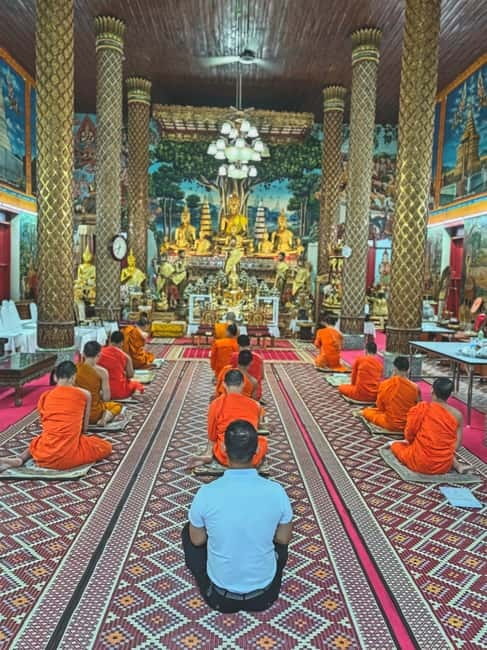
The price is $20 per person for a 3-hour experience. For that money, you’re getting more than a quick temple tour. Included elements are:
- the chanting experience with monks
- a guided meditation session
- insights into Buddhist philosophy and practices
There’s also a practical benefit: you skip the ticket line, so you spend your time in the ritual space, not queued up somewhere.
What isn’t included is also important. Transportation to and from Wat Chai Sri Phoom isn’t included, and meals and beverages are not provided. Personal expenses are your responsibility.
So is it good value? For me, the answer is yes if you want a guided evening with real monastic interaction. You’re paying for access to a structured ritual and for a knowledgeable guide who can translate what you’re experiencing into something you can use. If you’re only looking for photos and a quick look at a temple, you’ll probably get more cheaply on your own. But if your goal is to leave with something inside your head and heart, this is priced like a serious cultural-and-spiritual session, not a basic sightseeing add-on.
Temple etiquette that keeps the experience smooth
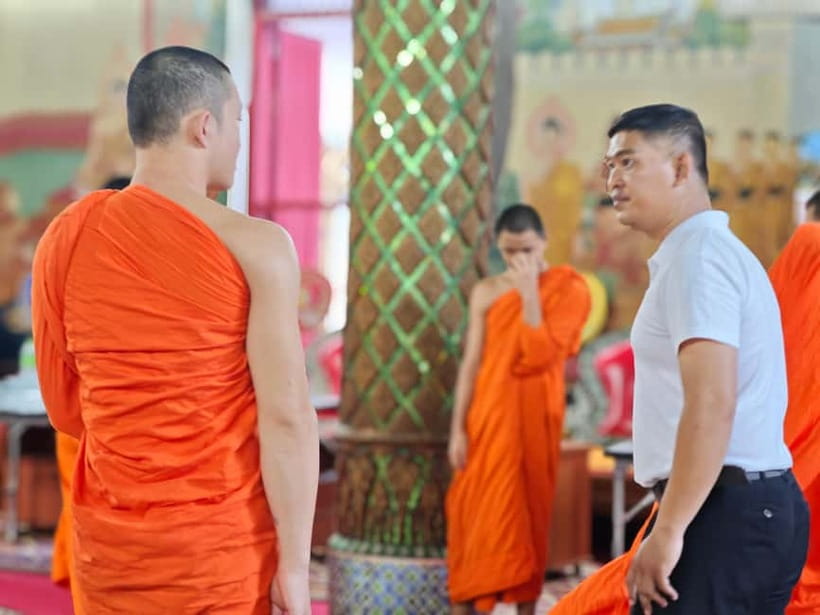
The rules are straightforward, and you’ll have a better time if you respect them early.
What to bring
- water
- comfortable clothes
Dress modestly. Temples in Thailand are used by real communities. Covered shoulders and respectful clothing help you blend in and avoid distracting others.
Don’t do
- smoking
- flash photography
Also turn off the noise makers. The guidance says to silence mobile devices before the session begins. This matters during chanting and meditation, when small interruptions break the calm fast.
A small tip: show up early and use the waiting time to get comfortable. You’re meeting the guide at a specified place—listed as in front of Wat Lok Moli—and the meeting point can be subject to change. If you arrive late, you lose the settling time that makes the ritual feel natural.
Who this experience fits best (and who should skip)
This activity isn’t for everyone, and the limitations are clear.
It is not suitable for children under 10, people with back problems, or wheelchair users. If you have mobility or pain concerns, the chanting and sitting components may be difficult.
Who it’s a great fit for:
- anyone who wants a calmer evening activity beyond markets and nightlife
- people curious about Buddhist practices and how they connect to daily life
- first-timers who benefit from a guide explaining what to do and why
- travelers who like thoughtful conversation, not just a checklist tour
If you’re hard on the religious side—meaning you’re uncomfortable in temple spaces—you might find this challenging. But if you’re open-minded and want to practice listening, Metta, and mindfulness in a guided setting, it’s a strong choice.
Should you book Chiang Mai evening chanting and meditation?
Book it if you want an evening that slows you down and gives you structure: chanting with monks, a guided silent meditation, and Metta with real explanation. The best part is the follow-up conversation, especially when guides like Son (and others named Earth or Big in reviews) can answer questions with patience and lived experience.
Skip it if you need fully guided transportation, or if sitting quietly and following temple etiquette rules won’t work for your body or comfort level. Also, if you need text-heavy guidance for the chanting itself, know that one reviewer wished for an English version of the chant, so you’ll likely rely on your guide’s explanation rather than lyrics on a screen.
If you’re in Chiang Mai for a few days and you want at least one experience that feels anchored in tradition and human kindness, this one earns its praise.
FAQ
Where does the guide wait for this experience?
The meeting point is listed as in front of Wat Lok Moli, with the guide waiting there. The meeting point may be subject to change, so it’s smart to confirm the exact location after you book.
How long is the experience?
The duration is listed as 3 hours.
What’s included in the price?
The included items are the chanting experience with monks, a guided meditation session, and insights into Buddhist philosophy and practices.
Is transportation included to Wat Chai Sri Phoom?
No. Transportation to and from Wat Chai Sri Phoom is not included.
What language is the live guide?
The live tour guide is available in English and Thai.
What should I bring and wear?
Bring water and wear comfortable clothes. Dress modestly to respect the temple’s traditions.
What are the rules during the session?
Smoking is not allowed, and flash photography is not allowed. You’ll also be asked to silence mobile devices before the session begins.